Bruce E. Altschuler - Böcker
Visar alla böcker från författaren Bruce E. Altschuler. Handla med fri frakt och snabb leverans.
7 produkter
7 produkter
Keeping a Finger on the Public Pulse
Private Polling and Presidential Elections
Inbunden, Engelska, 1982
568 kr
Skickas inom 10-15 vardagar
2 711 kr
Skickas inom 10-15 vardagar
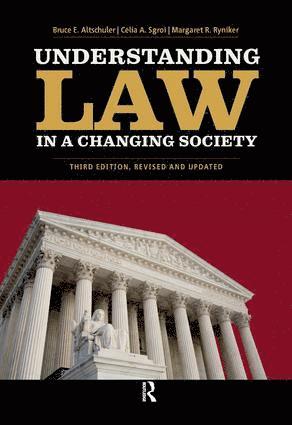
To most Americans, the law-especially noncriminal law-is a mystery that only someone with a law degree can solve. Understanding Law in a Changing Society renders the complexity of law at a level that everyone can understand. The book walks readers through the structure of the legal system, different divisions of civil law, and the core concepts and distinctions that underlie contemporary legal thought. It also provides insight into the way law and social change affect one another. With this revised and updated third edition, the authors have incorporated an updated preface and a new introduction; outlined a "How to Brief a Case" section; included new case studies, readings, and "You be the Judge" features for selected chapters; and for the first time added a glossary of legal terms and key websites to the book. Important developments in judicial selection, the state secrets doctrine, and family law (including same sex marriage, child custody, and unwed fathers' rights) are highlighted.
1 142 kr
Skickas inom 10-15 vardagar
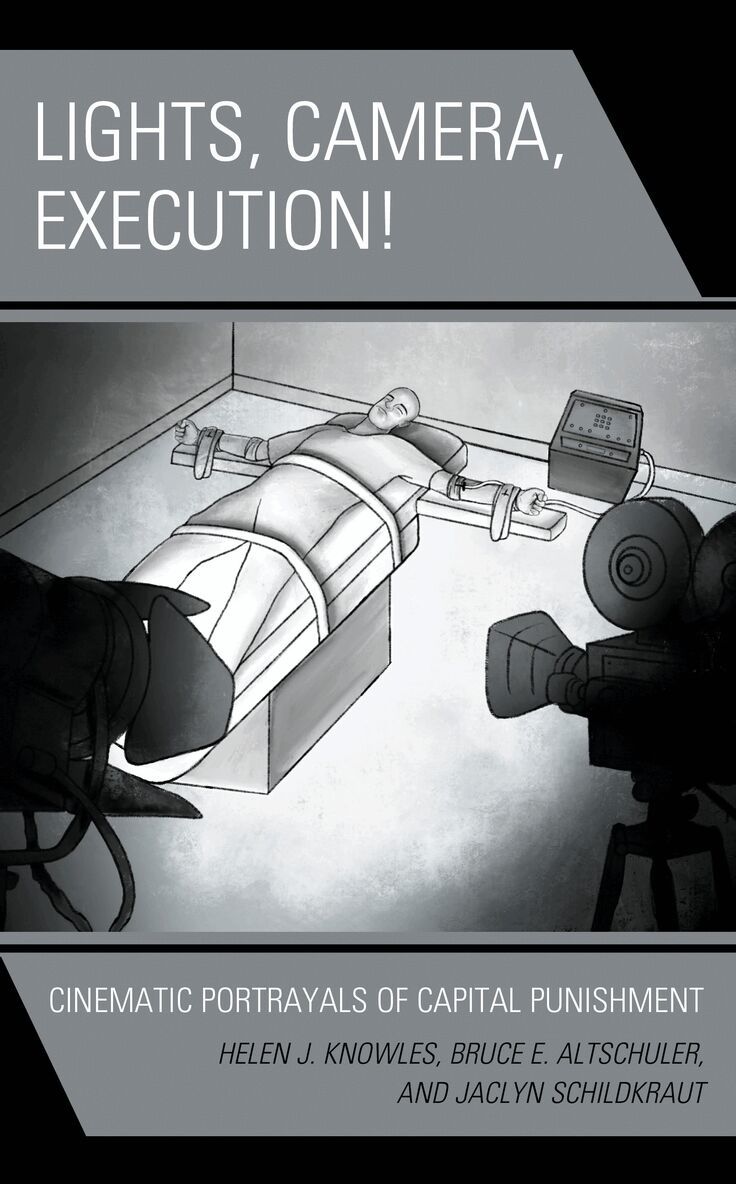
Lights, Camera, Execution!: Cinematic Portrayals of Capital Punishment fills a prominent void in the existing film studies and death penalty literature. Each chapter focuses on a particular cinematic portrayal of the death penalty in the United States. Some of the analyzed films are well-known Hollywood blockbusters, such as Dead Man Walking (1995); others are more obscure, such as the made-for-television movie Murder in Coweta County (1983). By contrasting different portrayals where appropriate and identifying themes common to many of the studied films – such as the concept of dignity and the role of race (and racial discrimination) – the volume strengthens the reader’s ability to engage in comparative analysis of topics, stories, and cinematic techniques.Written by three professors with extensive experience teaching, and writing about the death penalty, film studies, and criminal justice, Lights, Camera, Execution! is deliberately designed for both classroom use and general readership.
1 872 kr
Skickas inom 10-15 vardagar
To most Americans, the law-especially noncriminal law-is a mystery that only someone with a law degree can solve. Understanding Law in a Changing Society renders the complexity of law at a level that everyone can understand. The book walks readers through the structure of the legal system, different divisions of civil law, and the core concepts and distinctions that underlie contemporary legal thought. It also provides insight into the way law and social change affect one another. With this revised and updated third edition, the authors have incorporated an updated preface and a new introduction; outlined a "How to Brief a Case" section; included new case studies, readings, and "You be the Judge" features for selected chapters; and for the first time added a glossary of legal terms and key websites to the book. Important developments in judicial selection, the state secrets doctrine, and family law (including same sex marriage, child custody, and unwed fathers' rights) are highlighted.
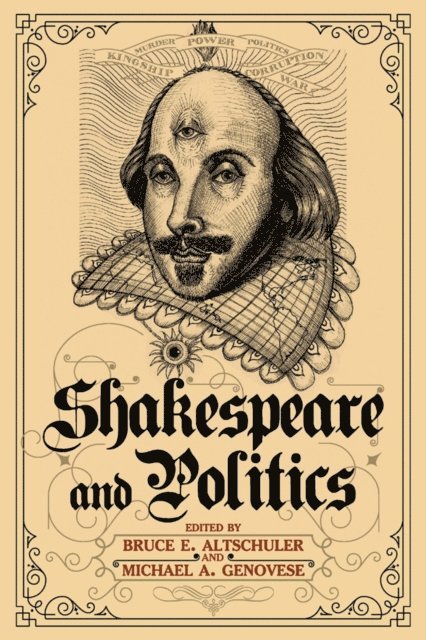
Shakespeare and Politics
What a Sixteenth-Century Playwright Can Tell Us about Twenty-First-Century Politics
Inbunden, Engelska, 2013
2 508 kr
Skickas inom 10-15 vardagar
William Shakespeare, more than any other author, was able to capture the essence of human nature in all its manifestations. His political plays offer enduring insights into our humanity, our vanity, our noble and baser drives, what makes us great, and what makes us loathsome. He tells us about ourselves and about our world. This volume gleans valuable lessons from the writings of William Shakespeare and applies them to contemporary politics. Original chapters covering over a dozen different plays take up perennial political themes including power and leadership, corruption and virtue, war and peace, evil and liberty, persuasion and polarization, and empire and global overreach.Features of the text:
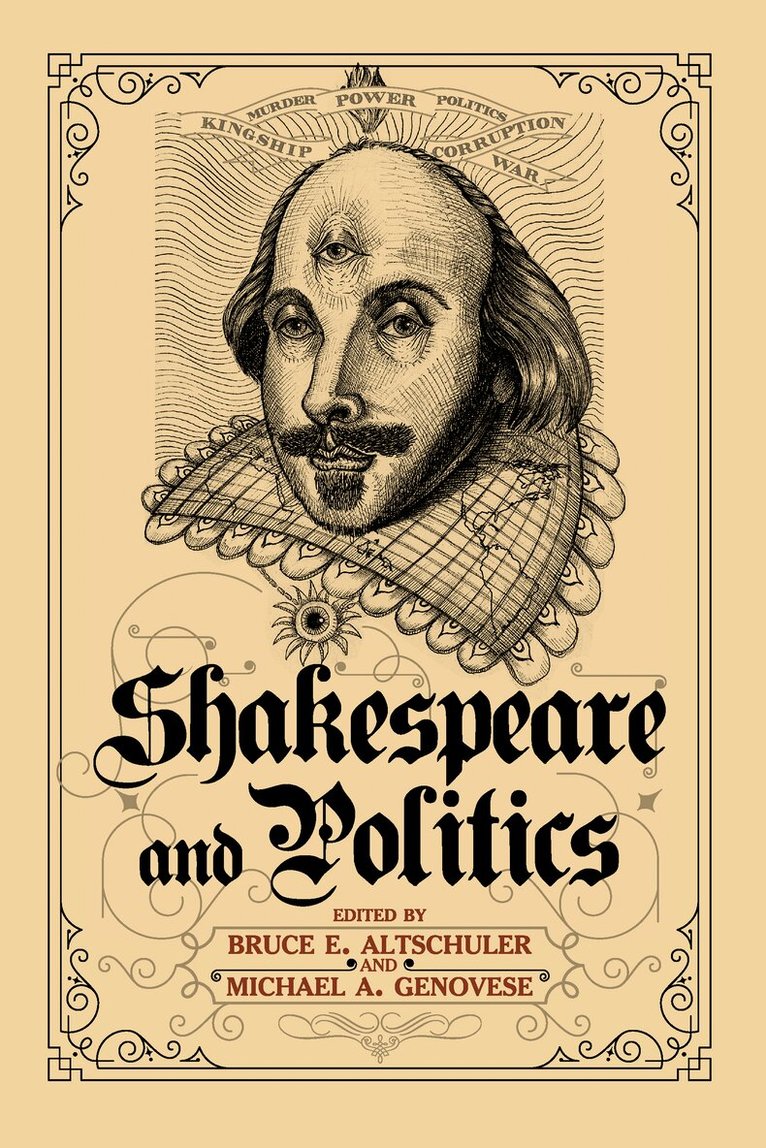
Shakespeare and Politics
What a Sixteenth-Century Playwright Can Tell Us about Twenty-First-Century Politics
Häftad, Engelska, 2014
683 kr
Skickas inom 10-15 vardagar
William Shakespeare, more than any other author, was able to capture the essence of human nature in all its manifestations. His political plays offer enduring insights into our humanity, our vanity, our noble and baser drives, what makes us great, and what makes us loathsome. He tells us about ourselves and about our world. This volume gleans valuable lessons from the writings of William Shakespeare and applies them to contemporary politics. Original chapters covering over a dozen different plays take up perennial political themes including power and leadership, corruption and virtue, war and peace, evil and liberty, persuasion and polarization, and empire and global overreach.Features of the text:
1 276 kr
Skickas inom 10-15 vardagar
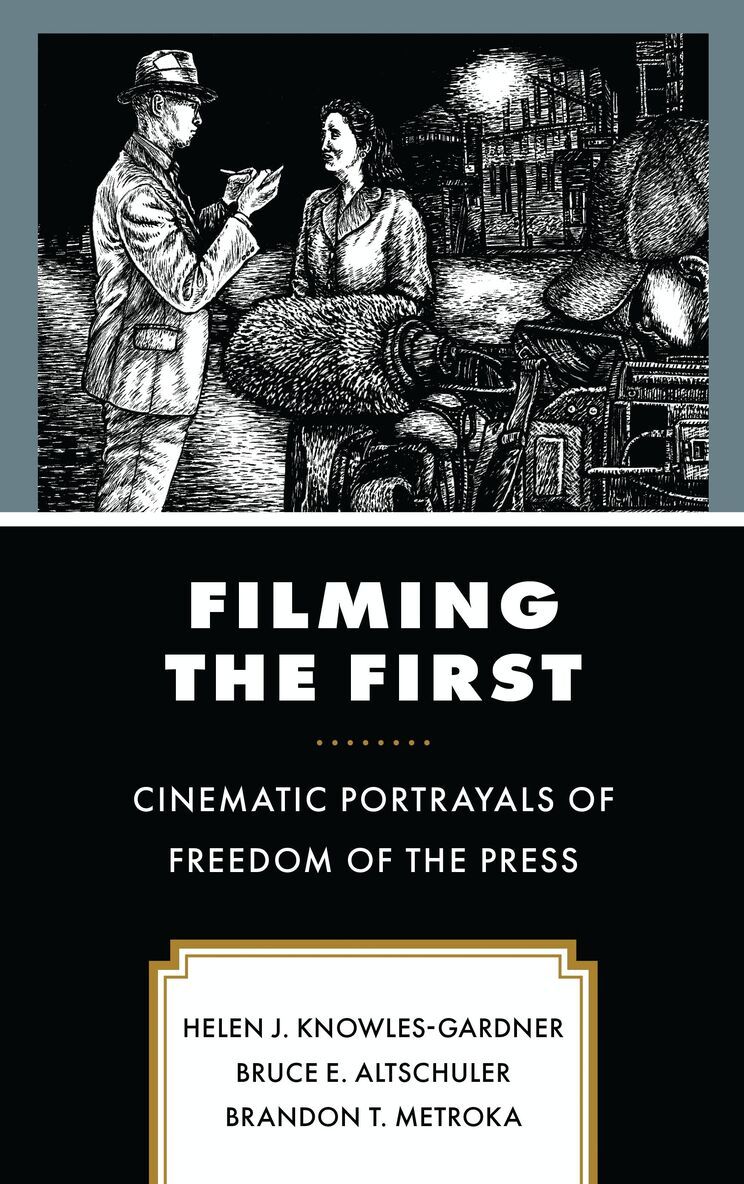
The First Amendment to the U.S. Constitution prohibits Congress from abridging freedom of the press. But, as the printed press has been transformed into mass media with Americans now more likely to get their political information from television or social media than from print, confidence in this important, mediating institution has fallen dramatically. Movies, in their role as cultural artifacts, have long reflected and influenced those public attitudes, inventing such iconic phrases as “follow the money” from All the President’s Men and “I’m mad as hell and I’m not going to take this anymore” from Network. Filming the First: Cinematic Portrayals of Freedom of the Press analyzes eighteen films that span from Citizen Kane to Spotlight showing changes in how the press have been portrayed over time, which voices receive the most attention and why, the relationship between the press’s “Fourth Estate” role and the imperatives of capitalism, and how, despite the First Amendment’s seemingly absolute language, the government has sometimes been able to limit what the public can read or view.