Helen Kay – författare
Visar alla böcker från författaren Helen Kay. Handla med fri frakt och snabb leverans.
13 produkter
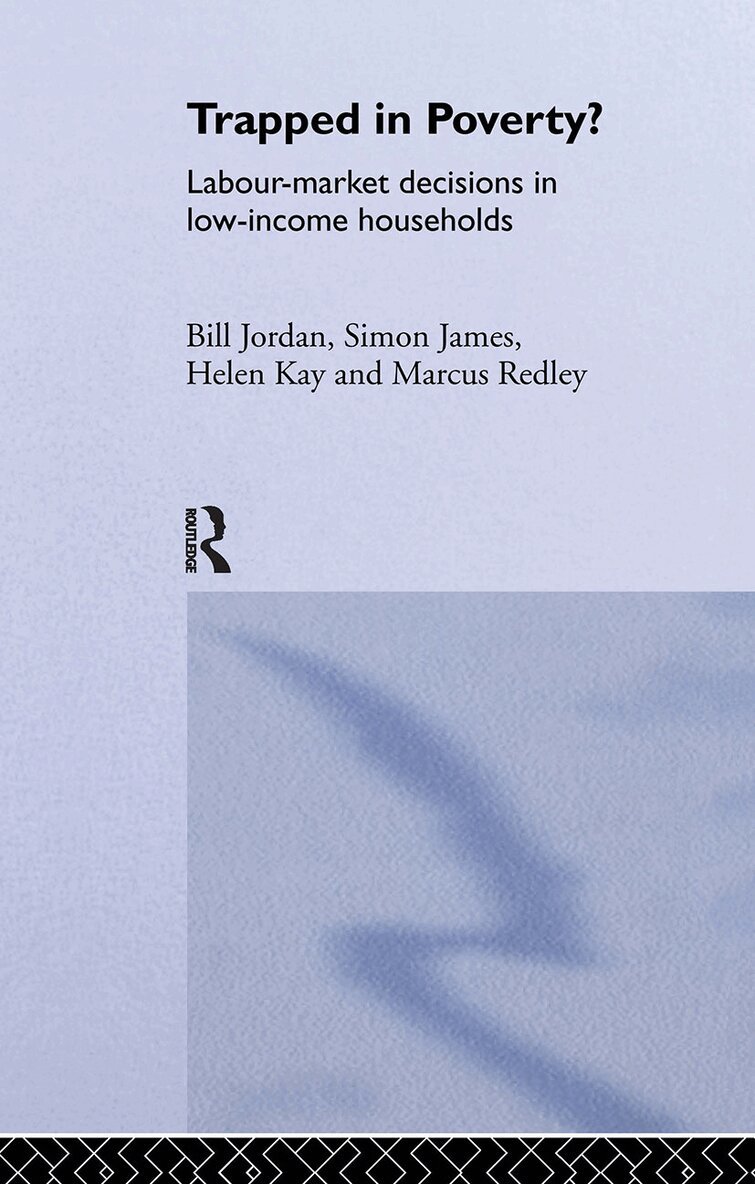
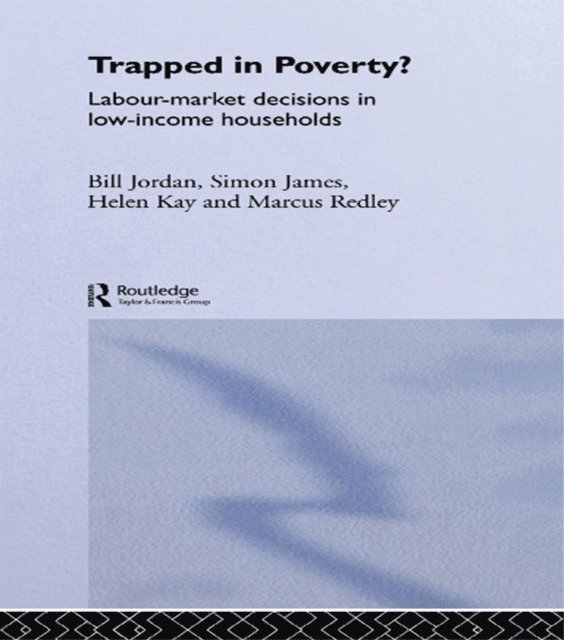
Trapped in Poverty?
Labour-Market Decisions in Low-Income Households
Av James Davidson, Bill Jordan m. fl.
Inbunden, 1991
3055 kr
Lägg i varukorg
How do people on low incomes make decisions about employment and benefit claims? Interview material and economic analysis combine with new theories of the relationship between moral and economic reasoning.
Trapped in Poverty?
Labour-Market Decisions in Low-Income Households
Av Marcus Redley, Helen Kay m. fl.
E-bok, 2013
831 kr
Lägg i varukorg
How do people on low incomes make decisions about employment and benefit claims? Interview material and economic analysis combine with new theories of the relationship between moral and economic reasoning.
Trapped in Poverty?
Labour-Market Decisions in Low-Income Households
Av Marcus Redley, Helen Kay m. fl.
E-bok, 2013
831 kr
Lägg i varukorg
How do people on low incomes make decisions about employment and benefit claims? Interview material and economic analysis combine with new theories of the relationship between moral and economic reasoning.
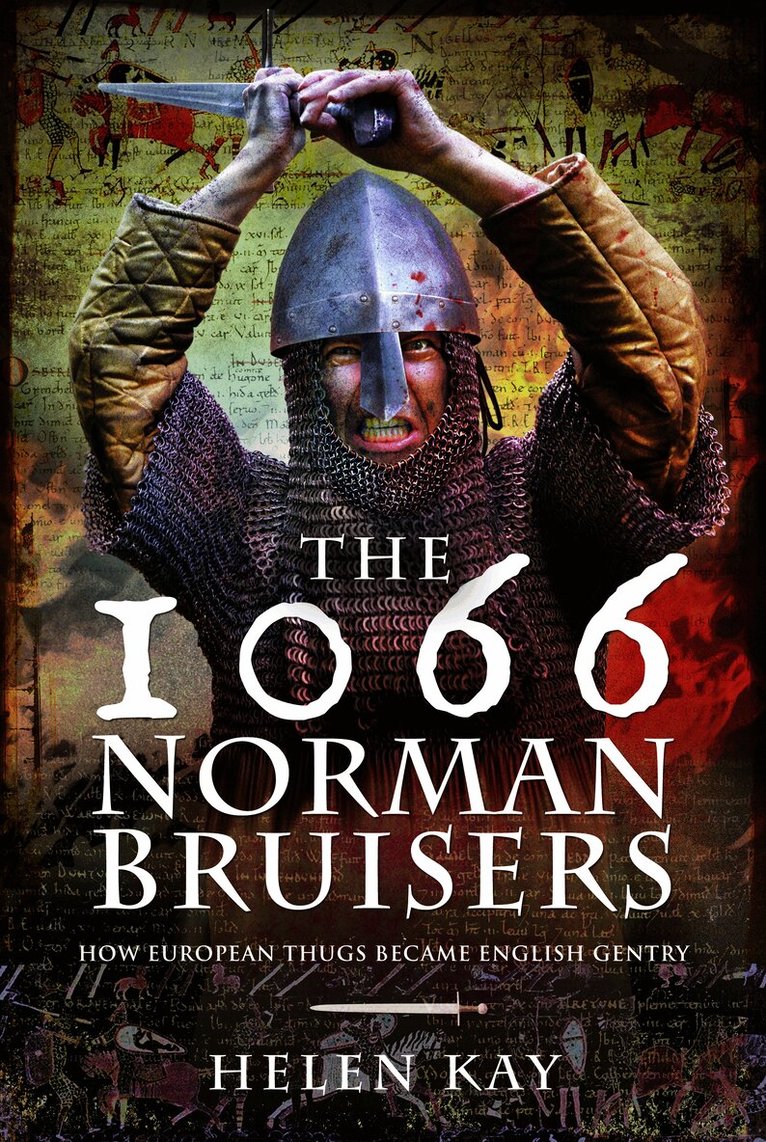
1066 Norman Bruisers
How European Thugs Became English Gentry
Av Helen Kay
Häftad, 2026
167 kr
Lägg i varukorg
The 1066 Norman Bruisers conjures up the vanished world of England in the late Middle Ages and casts light on one of the strangest quirks in the nation’s history: how a bunch of European thugs became the quintessentially English gentry.In 1066 go-getting young immigrant Osbern Fitz Tezzo crossed …
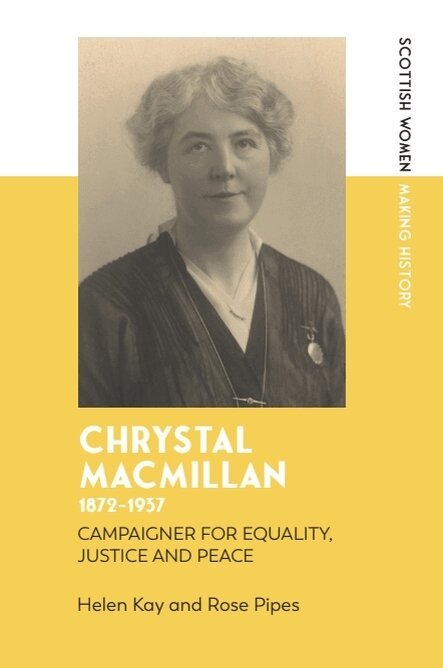
Chrystal Macmillan, 1872-1937
Campaigner for Equality, Justice and Peace
Av Helen Kay, Rose Pipes
Inbunden, 2024
1272 kr
Lägg i varukorg
This historical biography of Chrystal Macmillan, one of Scotland's most prominent campaigners for women's equality, justice and peace in the early twentieth century, is the first account of her life and work.?It describes her early life in a comfortable home in Edinburgh, her school and university …
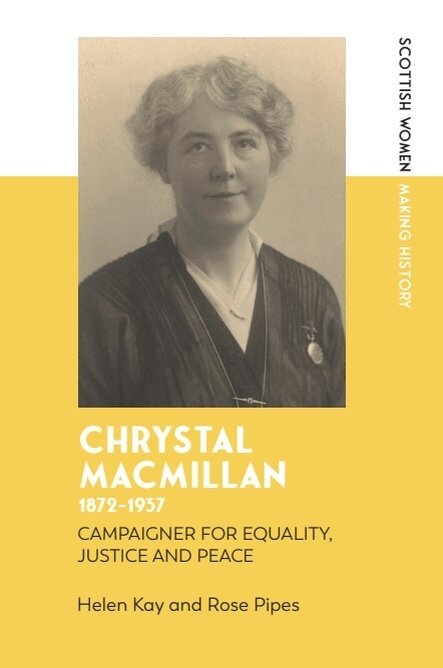
Chrystal Macmillan, 1872-1937
Campaigner for Equality, Justice and Peace
Av Helen Kay, Rose Pipes
Häftad, 2025
267 kr
Lägg i varukorg
This historical biography of Chrystal Macmillan, one of Scotland's most prominent campaigners for women's equality, justice and peace in the early twentieth century, is the first account of her life and work.?It describes her early life in a comfortable home in Edinburgh, her school and university …
Wedding Stories You'll Love
True tales of happily ever after
Av Helen Kay
E-bok, 2012
40 kr
Lägg i varukorg
Wedding Stories You''ll Love pays tribute to that most important of days when you and your soul mate make your everlasting love for each other "official." You’ll share in both the excitement of new love and the steadfastness of long-time love with these three wedding stories. Whether you’re a …
Placenta
From Development to Disease
Av Yuping Wang, D. Michael Nelson m. fl.
E-bok, 2011
2584 kr
Lägg i varukorg
The Placenta: From Development to Disease examines research into placental function and its clinical implications to provide a springboard for improving clinical practice and enhancing medical research. Influential information is extracted from the compelling narrative by the use of ''take home'' …
Placenta
From Development to Disease
Av Yuping Wang, D. Michael Nelson m. fl.
E-bok, 2011
2584 kr
Lägg i varukorg
The Placenta: From Development to Disease examines research into placental function and its clinical implications to provide a springboard for improving clinical practice and enhancing medical research. Influential information is extracted from the compelling narrative by the use of ''take home'' …
1066 Norman Bruisers
How European Thugs Became English Gentry
Av Helen Kay
E-bok, 2020
88 kr
Lägg i varukorg
The fascinating story of the social evolution of William the Conqueror''s invaders and the generations that followed: "A great book." —Medieval Sword SchoolThe 1066 Norman Bruisers conjures up the vanished world of England in the late Middle Ages and casts light on one of the strangest quirks in …
1066 Norman Bruisers
How European Thugs Became English Gentry
Av Helen Kay
E-bok, 2020
87 kr
Lägg i varukorg
"...a great book, as it gives a different look at a well written about period of English history." – Medieval Sword SchoolThe 1066 Norman Bruisers conjures up the vanished world of England in the late Middle Ages and casts light on one of the strangest quirks in the nation''s history: how a bunch …