
Helen Louise Cowie – författare
Visar alla böcker från författaren . Handla med fri frakt och snabb leverans.
5 produkter
5 produkter
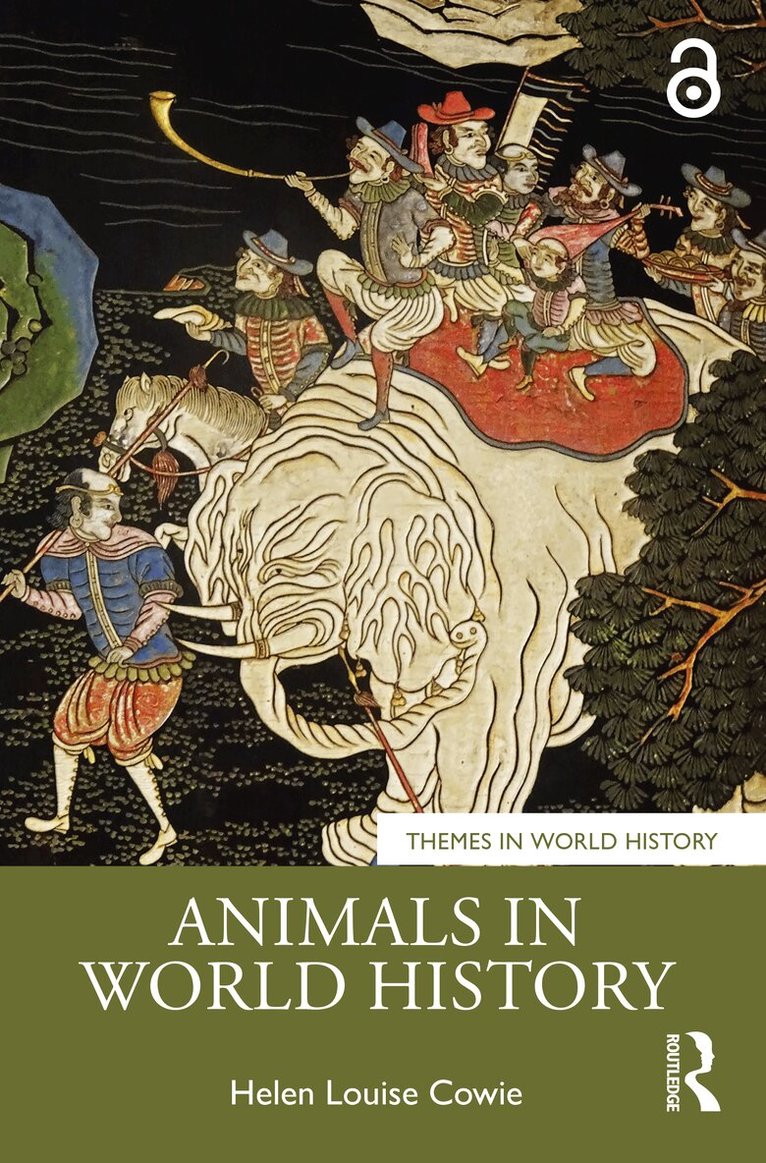
Häftad, Engelska, 2024
582 kr
Skickas inom 10-15 vardagar
This volume provides a concise synthesis of human-animal relations over time, charting shifting attitudes towards animals from domestication to the present day. It asks how non-human species have shaped human history, and how humans have reconfigured the animal world.Humans have had a long and close relationship with animals. They have hunted them, consumed them as food and fashion, exploited them as energy sources, utilised them in warfare, exhibited them in zoos and menageries, and studied them for science. In the process, they have radically changed the way in which many animals live, subjecting them to captivity, altering their diets, constraining their movements and, through selective breeding, reshaping their bodies. The book explores the use of animals for sustenance, labour, companionship and display, and traces the rise of the animal rights movement. It also assesses how humans have impacted the overall biodiversity of the planet, driving some species of animals to extinction and permitting others to colonise new continents. With case studies on animal astronauts, celebrity kakapos, globetrotting pandas and cocaine hippos, Animals in World History offers a lively and accessible introduction to human-animal relations for students and instructors of animal studies, environmental history, and social and cultural history.The Open Access version of this book, available at http://www.taylorfrancis.com, has been made available under a Creative Commons [Attribution-Non Commercial-No Derivatives (CC BY-NC-ND)] 4.0 license.
Inbunden, Engelska, 2024
2 477 kr
Skickas inom 10-15 vardagar
This volume provides a concise synthesis of human-animal relations over time, charting shifting attitudes towards animals from domestication to the present day. It asks how non-human species have shaped human history, and how humans have reconfigured the animal world.Humans have had a long and close relationship with animals. They have hunted them, consumed them as food and fashion, exploited them as energy sources, utilised them in warfare, exhibited them in zoos and menageries, and studied them for science. In the process, they have radically changed the way in which many animals live, subjecting them to captivity, altering their diets, constraining their movements and, through selective breeding, reshaping their bodies. The book explores the use of animals for sustenance, labour, companionship and display, and traces the rise of the animal rights movement. It also assesses how humans have impacted the overall biodiversity of the planet, driving some species of animals to extinction and permitting others to colonise new continents. With case studies on animal astronauts, celebrity kakapos, globetrotting pandas and cocaine hippos, Animals in World History offers a lively and accessible introduction to human-animal relations for students and instructors of animal studies, environmental history, and social and cultural history.The Open Access version of this book, available at http://www.taylorfrancis.com, has been made available under a Creative Commons [Attribution-Non Commercial-No Derivatives (CC BY-NC-ND)] 4.0 license.
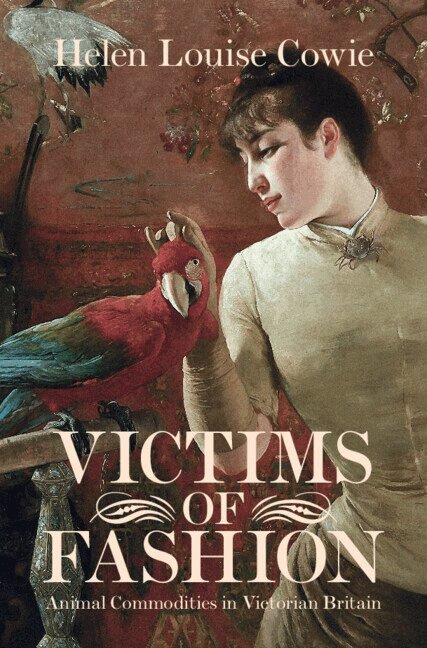
Inbunden, Engelska, 2021
510 kr
Skickas inom 7-10 vardagar
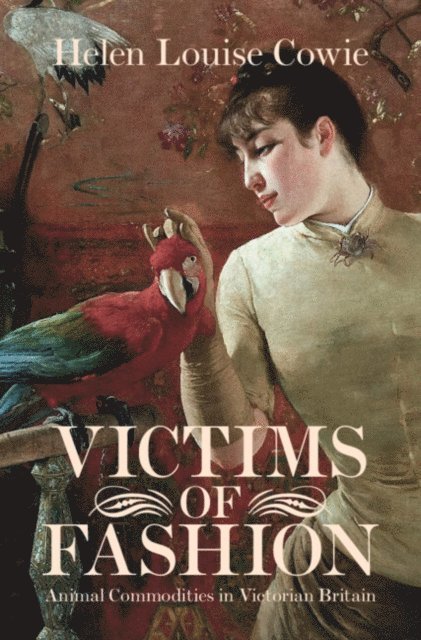
Animal products were used extensively in nineteenth-century Britain. A middle-class Victorian woman might wear a dress made of alpaca wool, drape herself in a sealskin jacket, brush her hair with a tortoiseshell comb, and sport feathers in her hat. She might entertain her friends by playing a piano with ivory keys or own a parrot or monkey as a living fashion accessory. In this innovative study, Helen Cowie examines the role of these animal-based commodities in Britain in the long nineteenth century and traces their rise and fall in popularity in response to changing tastes, availability, and ethical concerns. Focusing on six popular animal products - feathers, sealskin, ivory, alpaca wool, perfumes, and exotic pets - she considers how animal commodities were sourced and processed, how they were marketed and how they were consumed. She also assesses the ecological impact of nineteenth-century fashion.
E-bok
Engelska, 2021620 kr
Läs direkt efter köp
Animal products were used extensively in nineteenth-century Britain. A middle-class Victorian woman might wear a dress made of alpaca wool, drape herself in a sealskin jacket, brush her hair with a tortoiseshell comb, and sport feathers in her hat. She might entertain her friends by playing a piano with ivory keys or own a parrot or monkey as a living fashion accessory. In this innovative study, Helen Cowie examines the role of these animal-based commodities in Britain in the long nineteenth century and traces their rise and fall in popularity in response to changing tastes, availability, and ethical concerns. Focusing on six popular animal products – feathers, sealskin, ivory, alpaca wool, perfumes, and exotic pets – she considers how animal commodities were sourced and processed, how they were marketed and how they were consumed. She also assesses the ecological impact of nineteenth-century fashion.
E-bok
PDF, Engelska, 2021620 kr
Läs direkt efter köp
Animal products were used extensively in nineteenth-century Britain. A middle-class Victorian woman might wear a dress made of alpaca wool, drape herself in a sealskin jacket, brush her hair with a tortoiseshell comb, and sport feathers in her hat. She might entertain her friends by playing a piano with ivory keys or own a parrot or monkey as a living fashion accessory. In this innovative study, Helen Cowie examines the role of these animal-based commodities in Britain in the long nineteenth century and traces their rise and fall in popularity in response to changing tastes, availability, and ethical concerns. Focusing on six popular animal products – feathers, sealskin, ivory, alpaca wool, perfumes, and exotic pets – she considers how animal commodities were sourced and processed, how they were marketed and how they were consumed. She also assesses the ecological impact of nineteenth-century fashion.