Helena Taylor – författare
Visar alla böcker från författaren Helena Taylor. Handla med fri frakt och snabb leverans.
18 produkter
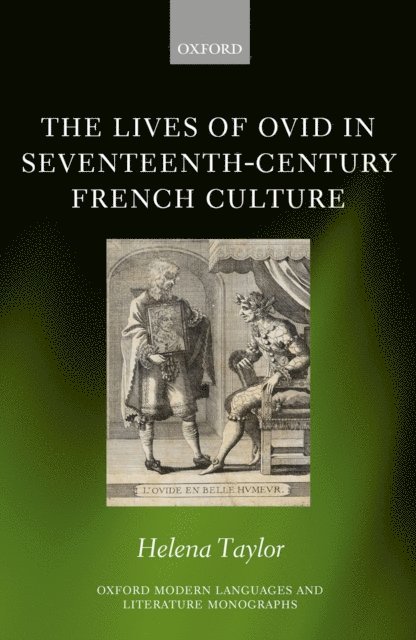
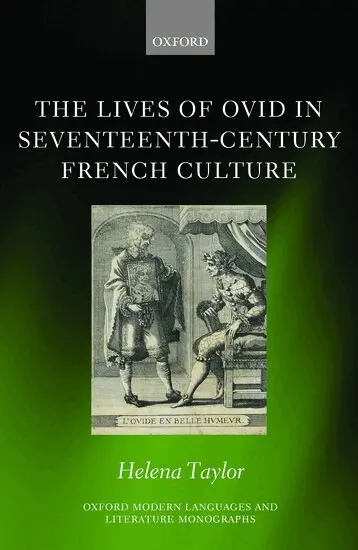
Lives of Ovid in Seventeenth-Century French Culture
E-bok, 2017
1434 kr
Lägg i varukorg
Seventeenth-century France saw one of the most significant ''culture wars'' Europe has ever known. Culminating in the Quarrel of the Ancients and Moderns, this was a confrontational, transitional time for the reception of the classics. Helena Taylor explores responses to the life of the ancient …
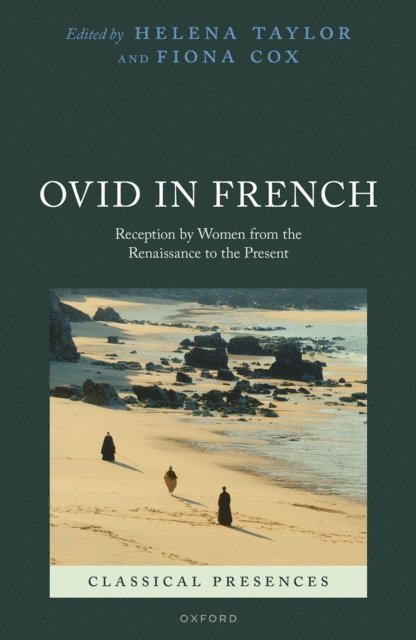
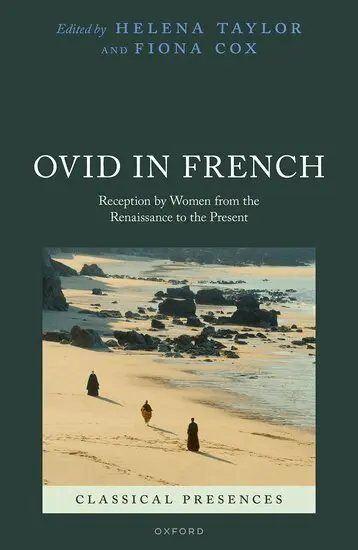
Ovid in French
Reception by Women from the Renaissance to the Present
E-bok, 2023
1371 kr
Lägg i varukorg
This collection of essays examines the ways Ovid''s diverse œuvre has been translated, rewritten, adapted, and responded to by a range of French and Francophone women from the Renaissance to the present. It aims to reveal lesser-known voices in Ovidian reception studies, and to offer a wider …
Ovid in French
Reception by Women from the Renaissance to the Present
E-bok, 2023
1371 kr
Lägg i varukorg
This collection of essays examines the ways Ovid''s diverse œuvre has been translated, rewritten, adapted, and responded to by a range of French and Francophone women from the Renaissance to the present. It aims to reveal lesser-known voices in Ovidian reception studies, and to offer a wider …
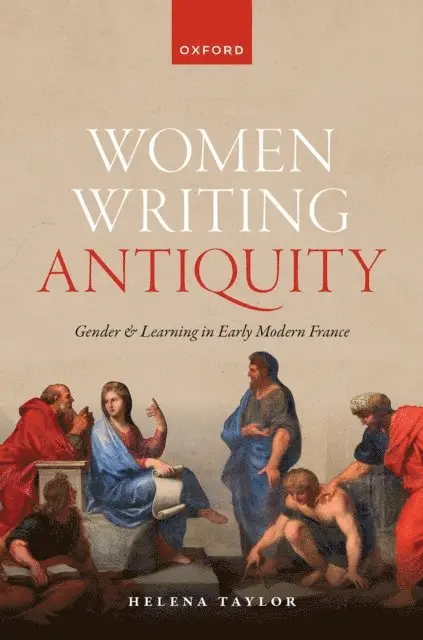
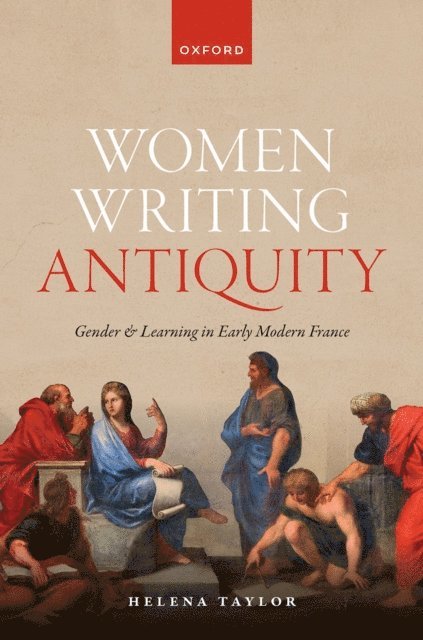
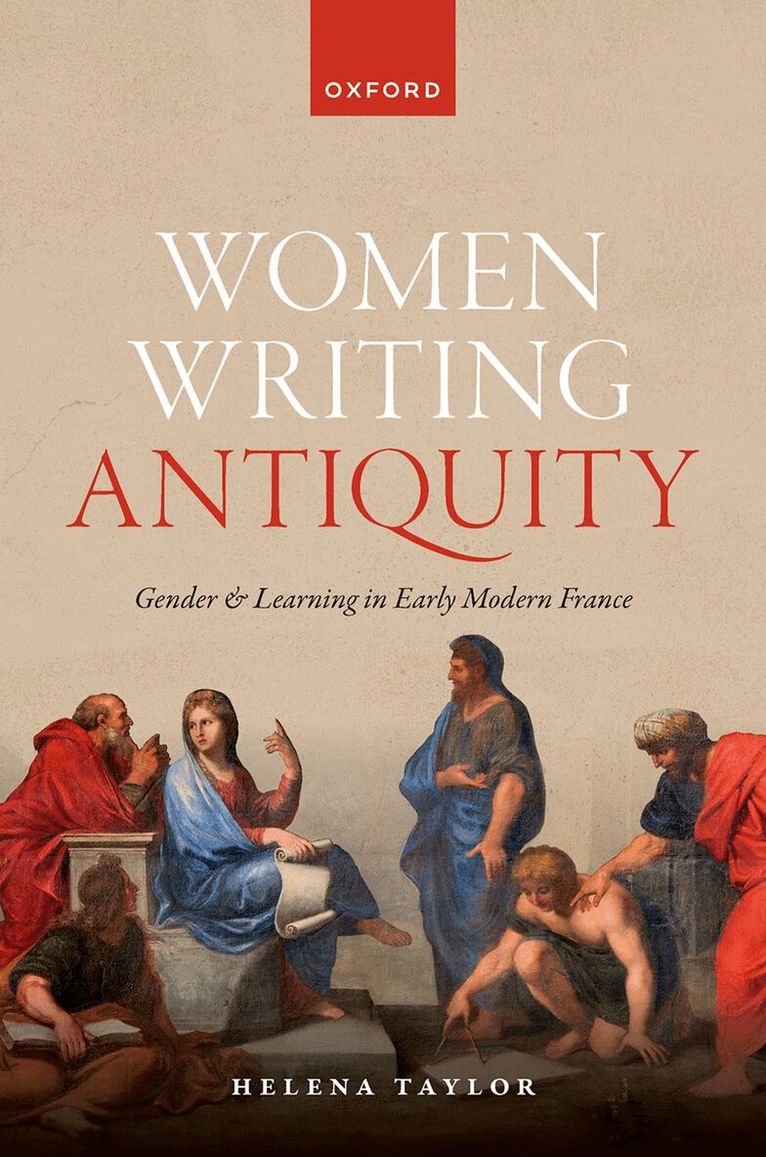
Women Writing Antiquity
Gender and Learning in Early Modern France
E-bok, 2024
1413 kr
Lägg i varukorg
Women Writing Antiquity argues that the struggle to define the female intellectual in seventeenth-century France lay at the centre of a broader struggle over the definition of literature and literary knowledge during a time of significant cultural change. As the female intellectual became a figure …
Women Writing Antiquity
Gender and Learning in Early Modern France
E-bok, 2024
1413 kr
Lägg i varukorg
Women Writing Antiquity argues that the struggle to define the female intellectual in seventeenth-century France lay at the centre of a broader struggle over the definition of literature and literary knowledge during a time of significant cultural change. As the female intellectual became a figure …
Women Writing Antiquity
Gender and Learning in Early Modern France
Inbunden, 2024
1935 kr
Lägg i varukorg
Women Writing Antiquity argues that the struggle to define the female intellectual in seventeenth-century France lay at the centre of a broader struggle over the definition of literature and literary knowledge during a time of significant cultural change. As the female intellectual became a figure …
Ovid in French
Reception by Women from the Renaissance to the Present
Inbunden, 2023
1533 kr
Lägg i varukorg
This collection of essays examines the ways Ovid's diverse œuvre has been translated, rewritten, adapted, and responded to by a range of French and Francophone women from the Renaissance to the present. It aims to reveal lesser-known voices in Ovidian reception studies, and to offer a wider …
The Lives of Ovid in Seventeenth-Century French Culture
Inbunden, 2017
2270 kr
Lägg i varukorg
Seventeenth-century France saw one of the most significant 'culture wars' Europe has ever known. Culminating in the Quarrel of the Ancients and Moderns, this was a confrontational, transitional time for the reception of the classics. Helena Taylor explores responses to the life of the ancient Roman …
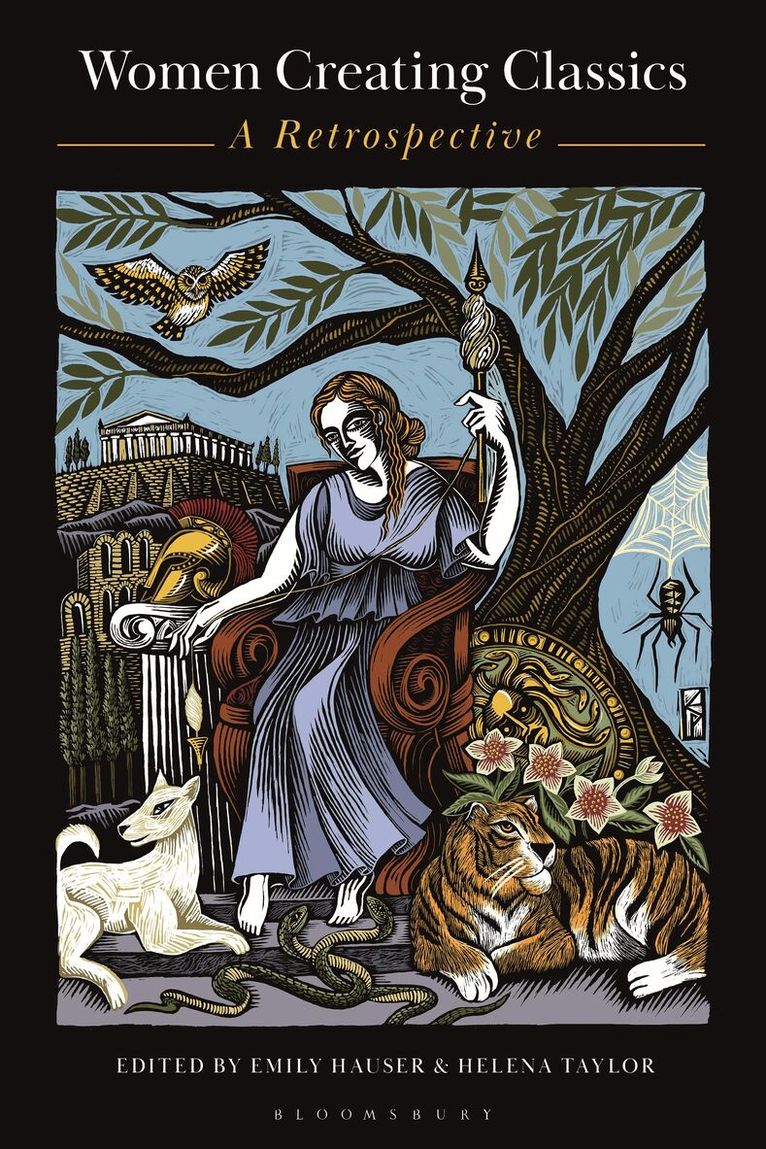
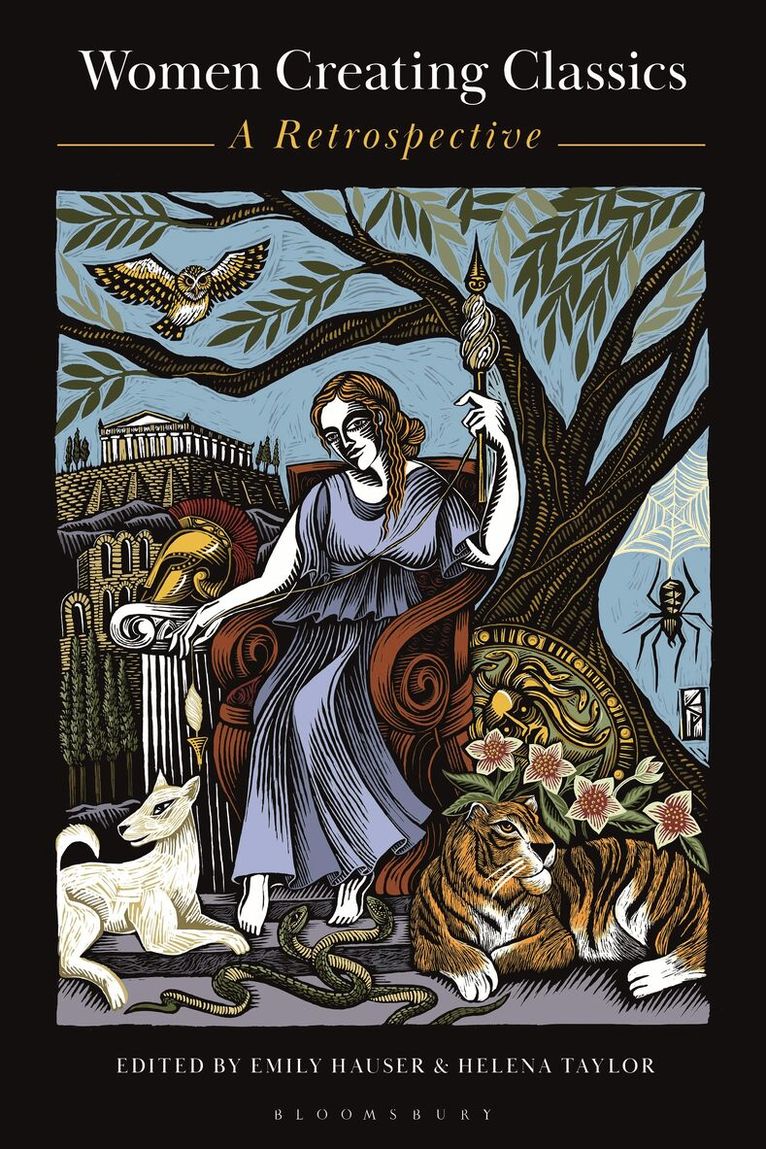
Women Creating Classics
A Retrospective
Av Emily Hauser, Helena Taylor
Häftad, 2025
357 kr
Lägg i varukorg
From Madeline Miller’s The Song of Achilles (2011) to Pat Barker’s The Voyage Home (2024), there has been a huge rise in women’s rewritings of ancient myths and texts in recent years. Women writers are looking back to the classical past more than ever before, and there is serious public interest in …
Women Creating Classics
A Retrospective
Av Emily Hauser, Helena Taylor
Inbunden, 2025
1068 kr
Lägg i varukorg
From Madeline Miller’s The Song of Achilles (2011) to Pat Barker’s The Voyage Home (2024), there has been a huge rise in women’s rewritings of ancient myths and texts in recent years. Women writers are looking back to the classical past more than ever before, and there is serious public interest in …
Women Creating Classics
A Retrospective
Av Emily Hauser, Helena Taylor
E-bok, 2025
448 kr
Lägg i varukorg
From Madeline Miller''s The Song of Achilles (2011) to Pat Barker''s The Voyage Home (2024), there has been a huge rise in women''s rewritings of ancient myths and texts in recent years. Women writers are looking back to the classical past more than ever before, and there is serious public interest …
Women Creating Classics
A Retrospective
Av Emily Hauser, Helena Taylor
E-bok, 2025
448 kr
Lägg i varukorg
From Madeline Miller''s The Song of Achilles (2011) to Pat Barker''s The Voyage Home (2024), there has been a huge rise in women''s rewritings of ancient myths and texts in recent years. Women writers are looking back to the classical past more than ever before, and there is serious public interest …
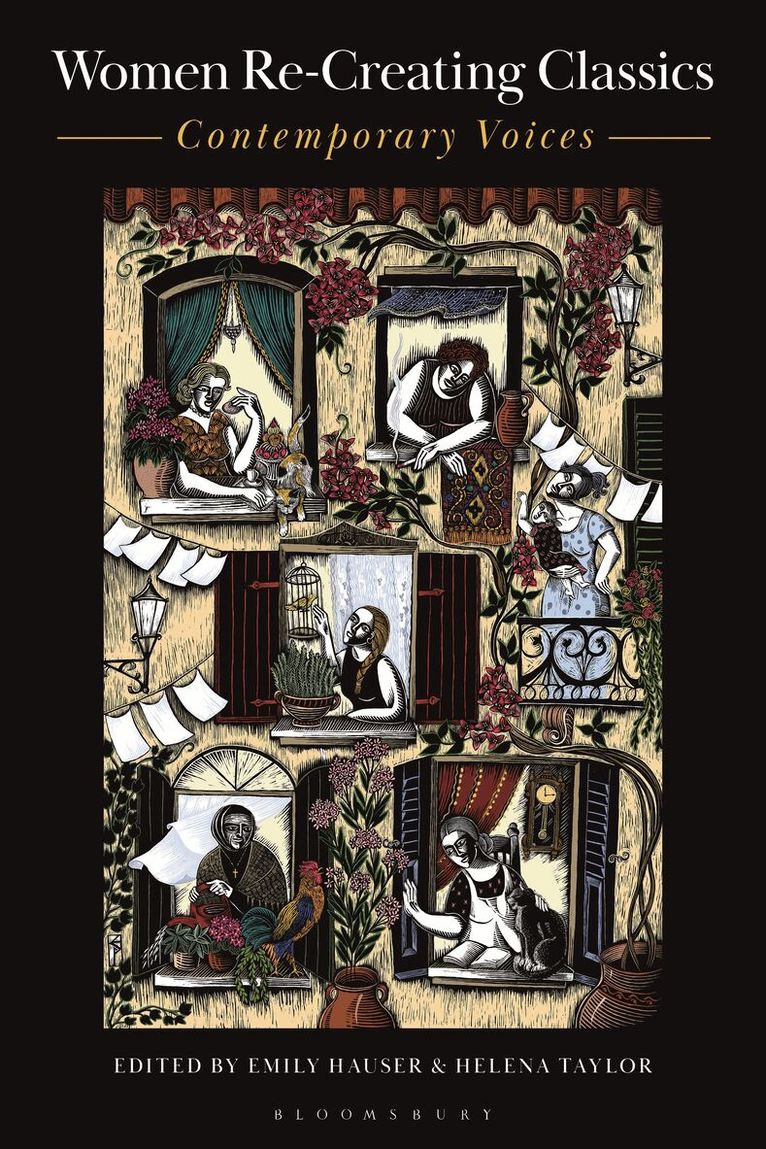
Women Re-Creating Classics
Contemporary Voices
Av Emily Hauser, Helena Taylor
E-bok, 2025
434 kr
Lägg i varukorg
In the last few years, there has been a major and unmissable surge in women''s retellings and re-creations of ancient myths and texts that has put women''s re-creations of Classics centre-stage. Drawing together an interdisciplinary range of creative and scholarly voices, this volume asks why …
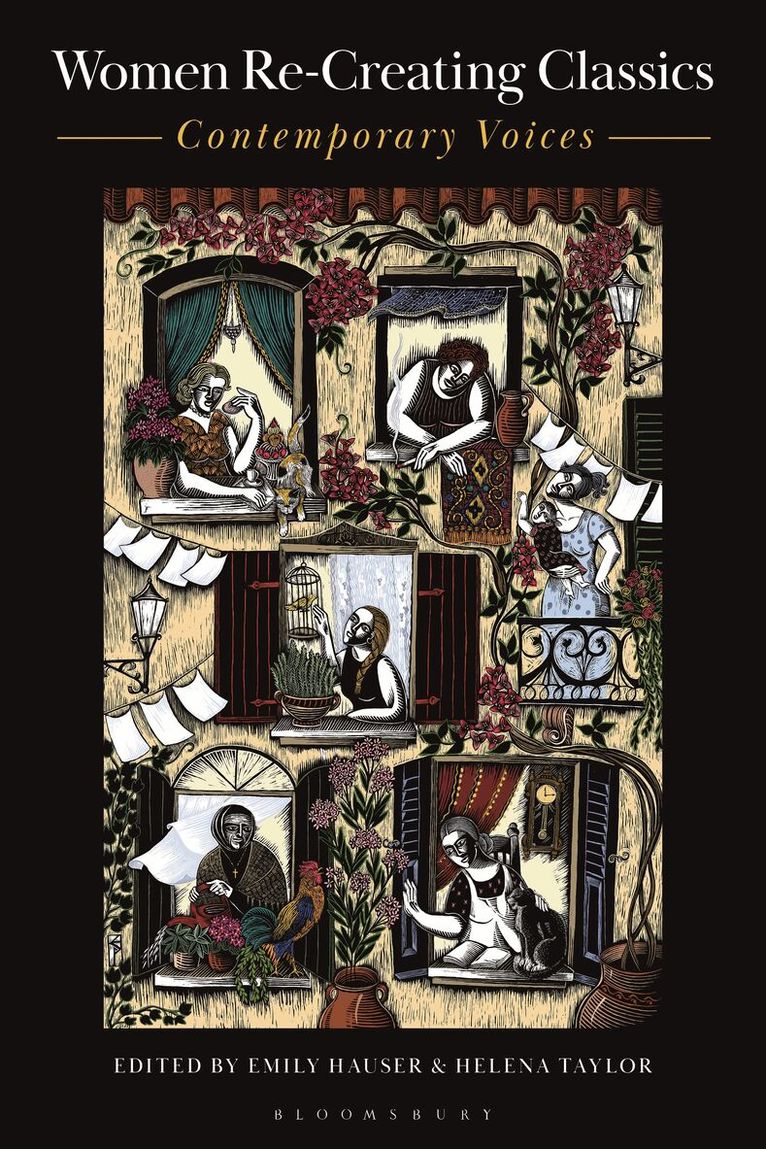
Women Re-Creating Classics
Contemporary Voices
Av Emily Hauser, Helena Taylor
Inbunden, 2025
1068 kr
Lägg i varukorg
In the last few years, there has been a major and unmissable surge in women’s retellings and re-creations of ancient myths and texts that has put women’s re-creations of Classics centre-stage. Drawing together an interdisciplinary range of creative and scholarly voices, this volume asks why …
Women Re-Creating Classics
Contemporary Voices
Av Emily Hauser, Helena Taylor
Häftad, 2025
357 kr
Lägg i varukorg
In the last few years, there has been a major and unmissable surge in women’s retellings and re-creations of ancient myths and texts that has put women’s re-creations of Classics centre-stage. Drawing together an interdisciplinary range of creative and scholarly voices, this volume asks why …
Women Re-Creating Classics
Contemporary Voices
Av Emily Hauser, Helena Taylor
E-bok, 2025
448 kr
Lägg i varukorg
In the last few years, there has been a major and unmissable surge in women''s retellings and re-creations of ancient myths and texts that has put women''s re-creations of Classics centre-stage. Drawing together an interdisciplinary range of creative and scholarly voices, this volume asks why …