Helmut Dahm – författare
Visar alla böcker från författaren Helmut Dahm. Handla med fri frakt och snabb leverans.
4 produkter
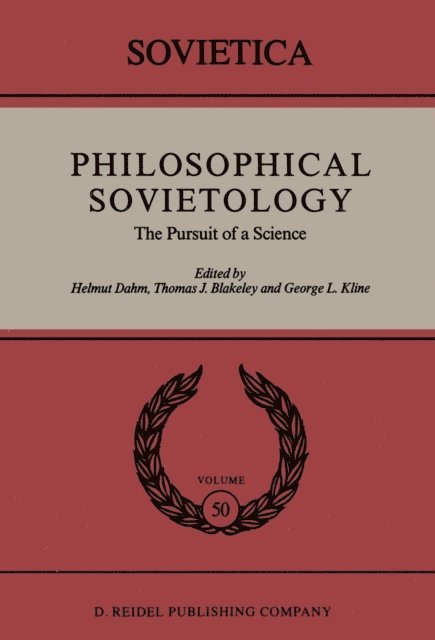
Philosophical Sovietology
The Pursuit of a Science
Av George L. Kline, J.E. Blakeley m. fl.
E-bok, 2012
734 kr
Lägg i varukorg
On February 24-25, 1956, in a closed session of the 20th Congress of the Communist Party of the Soviet Union, Nikita S. Khrushchev made his now famous speech on the crimes of the Stalin era. That speech marked a break with the past and it marked the end of what J.M. Bochenski dubbed the "dead …
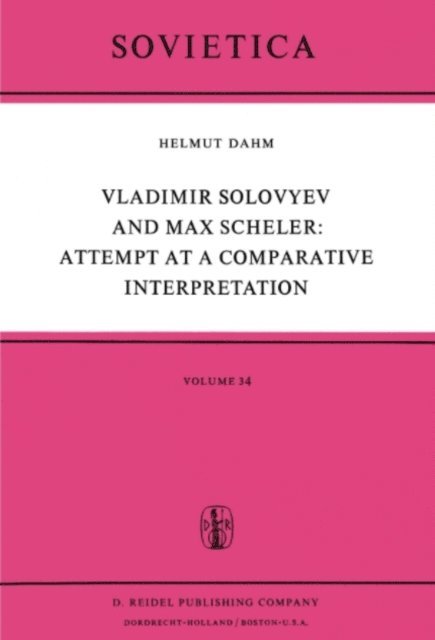
Vladimir Solovyev and Max Scheler: Attempt at a Comparative Interpretation
A Contribution to the History of Phenomenology
Av Helmut Dahm
E-bok, 2012
734 kr
Lägg i varukorg
This comparative study of the works of Vladimir Solovyev and Max Scheler explores some of the areas in which their thoughts seem to bear a direct relation to one another. The author shows, however, that such a correlation is not based on any factual influence of the earlier Russian on the later …
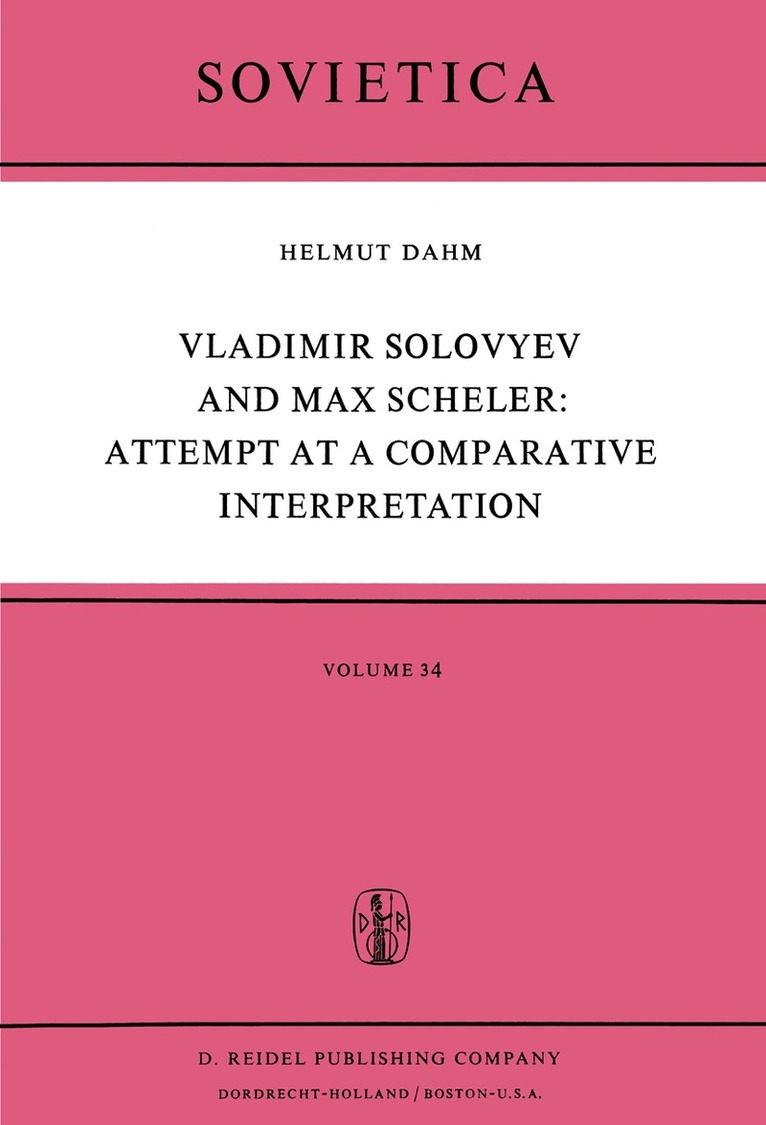
Vladimir Solovyev and Max Scheler: Attempt at a Comparative Interpretation
A Contribution to the History of Phenomenology
Av Helmut Dahm
Häftad, 2011
552 kr
Lägg i varukorg
This comparative study of the works of Vladimir Solovyev and Max Scheler explores some of the areas in which their thoughts seem to bear a direct relation to one another. The author shows, however, that such a correlation is not based on any factual influence of the earlier Russian on the later …
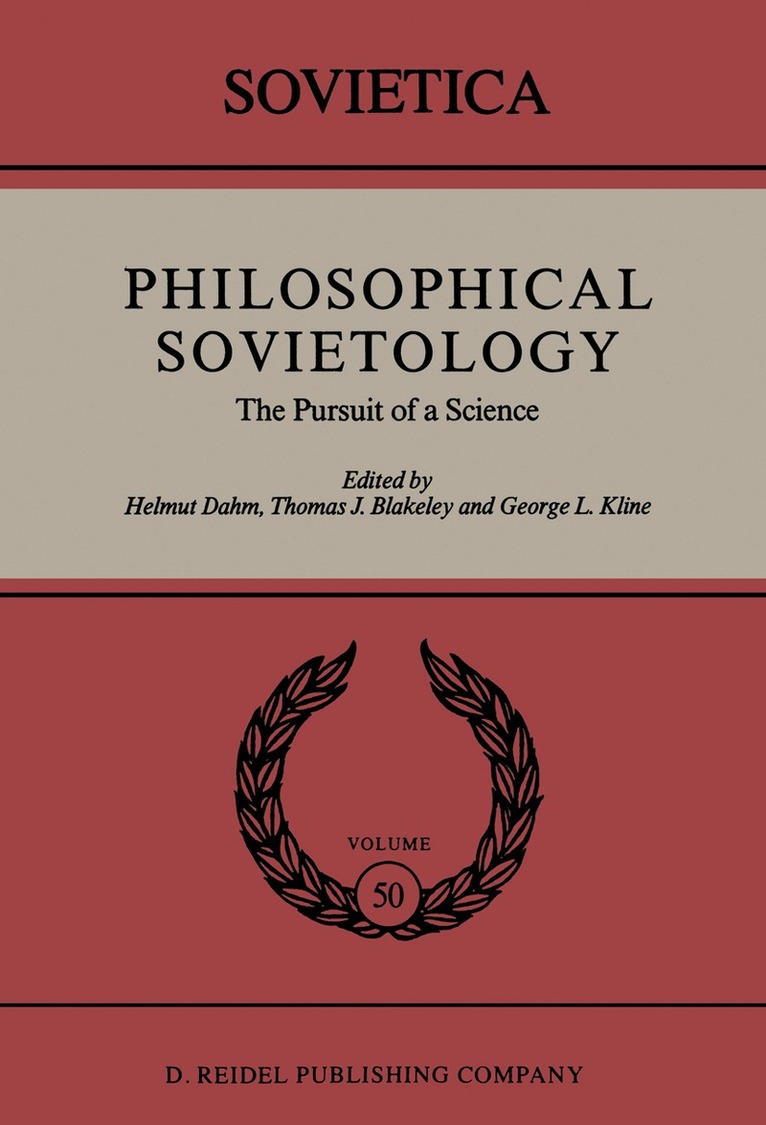
Philosophical Sovietology
The Pursuit of a Science
Av Helmut Dahm, J.E. Blakeley m. fl.
Häftad, 2011
552 kr
Lägg i varukorg
On February 24-25, 1956, in a closed session of the 20th Congress of the Communist Party of the Soviet Union, Nikita S. Khrushchev made his now famous speech on the crimes of the Stalin era. That speech marked a break with the past and it marked the end of what J.M. Bochenski dubbed the "dead …