Helmut Puff – författare
Visar alla böcker från författaren Helmut Puff. Handla med fri frakt och snabb leverans.
16 produkter
Sodomy in Reformation Germany and Switzerland, 1400-1600
Av Helmut Puff
Häftad, 2003
330 kr
Lägg i varukorg
In the 14th century, a considerable number of men in Germany and Switzerland were executed for committing sodomy. In the 17th century, simply speaking of the act was cause for censorship. Here, in the first ever history of sodomy in these countries, Helmut Puff argues that accusations of sodomy in …
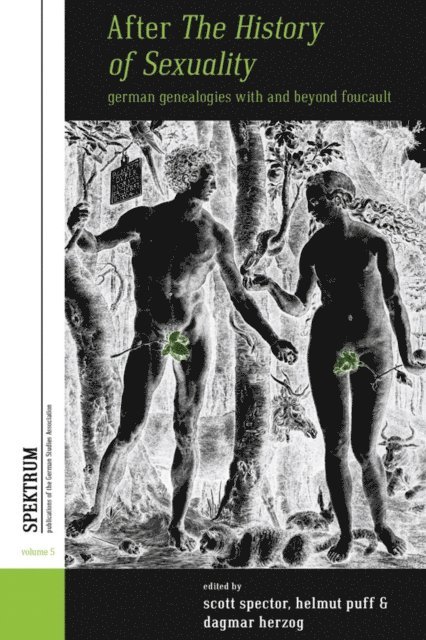
After The History of Sexuality
German Genealogies with and Beyond Foucault
Av Scott Spector, Helmut Puff m. fl.
Inbunden, 2012
1936 kr
Lägg i varukorg
Michel Foucault’s seminal The History of Sexuality (1976–1984) has since its publication provided a context for the emergence of critical historical studies of sexuality. This collection reassesses the state of the historiography on sexuality—a field in which the German case has been traditionally …
After The History of Sexuality
German Genealogies with and Beyond Foucault
Av Dagmar Herzog, Helmut Puff m. fl.
E-bok, 2012
335 kr
Lägg i varukorg
Michel Foucault’s seminal The History of Sexuality (1976–1984) has since its publication provided a context for the emergence of critical historical studies of sexuality. This collection reassesses the state of the historiography on sexuality—a field in which the German case has been traditionally …
After The History of Sexuality
German Genealogies with and Beyond Foucault
Av Scott Spector, Helmut Puff m. fl.
Häftad, 2012
543 kr
Lägg i varukorg
Michel Foucault’s seminal The History of Sexuality (1976–1984) has since its publication provided a context for the emergence of critical historical studies of sexuality. This collection reassesses the state of the historiography on sexuality—a field in which the German case has been traditionally …
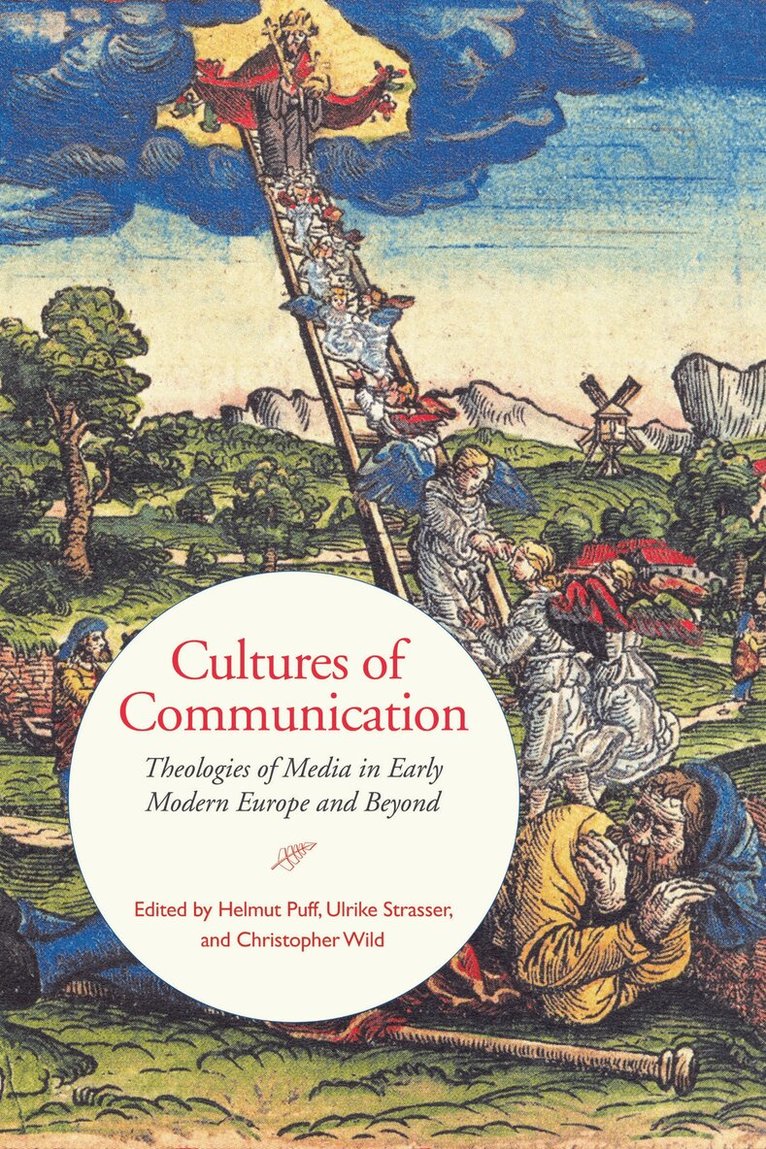
Cultures of Communication
Theologies of Media in Early Modern Europe and Beyond
Av Helmut Puff, Ulrike Strasser m. fl.
Inbunden, 2017
694 kr
Lägg i varukorg
Contrary to the historiographical commonplace “no Reformation without print” Cultures of Communication examines media in the early modern world through the lens of the period’s religious history. Looking beyond the emergence of print, this collection of ground-breaking essays highlights the pivotal …
Cultures of Communication
Theologies of Media in Early Modern Europe and Beyond
Av Helmut Puff, Ulrike Strasser m. fl.
E-bok, 2017
864 kr
Lägg i varukorg
Contrary to the historiographical commonplace “no Reformation without print” Cultures of Communication examines media in the early modern world through the lens of the period’s religious history. Looking beyond the emergence of print, this collection of ground-breaking essays highlights the pivotal …
Cultures of Communication
Theologies of Media in Early Modern Europe and Beyond
Av Helmut Puff, Ulrike Strasser m. fl.
E-bok, 2017
864 kr
Lägg i varukorg
Contrary to the historiographical commonplace “no Reformation without print” Cultures of Communication examines media in the early modern world through the lens of the period’s religious history. Looking beyond the emergence of print, this collection of ground-breaking essays highlights the pivotal …
Antechamber
Toward a History of Waiting
Av Helmut Puff
Inbunden, 2023
1393 kr
Lägg i varukorg
Helmut Puff invites readers to visit societies and spaces of the past through the lens of a particular temporal modality: waiting. From literature, memoirs, manuals, chronicles, visuals, and other documents, Puff presents a history of waiting anchored in antechambers—interior rooms designated and …
Antechamber
Toward a History of Waiting
Av Helmut Puff
Häftad, 2023
334 kr
Lägg i varukorg
Helmut Puff invites readers to visit societies and spaces of the past through the lens of a particular temporal modality: waiting. From literature, memoirs, manuals, chronicles, visuals, and other documents, Puff presents a history of waiting anchored in antechambers—interior rooms designated and …
Antechamber
Toward a History of Waiting
Av Helmut Puff
E-bok, 2023
402 kr
Lägg i varukorg
Helmut Puff invites readers to visit societies and spaces of the past through the lens of a particular temporal modality: waiting. From literature, memoirs, manuals, chronicles, visuals, and other documents, Puff presents a history of waiting anchored in antechambers—interior rooms designated and …
Miniature Monuments
Modeling German History
Av Helmut Puff
Inbunden, 2014
1559 kr
Lägg i varukorg
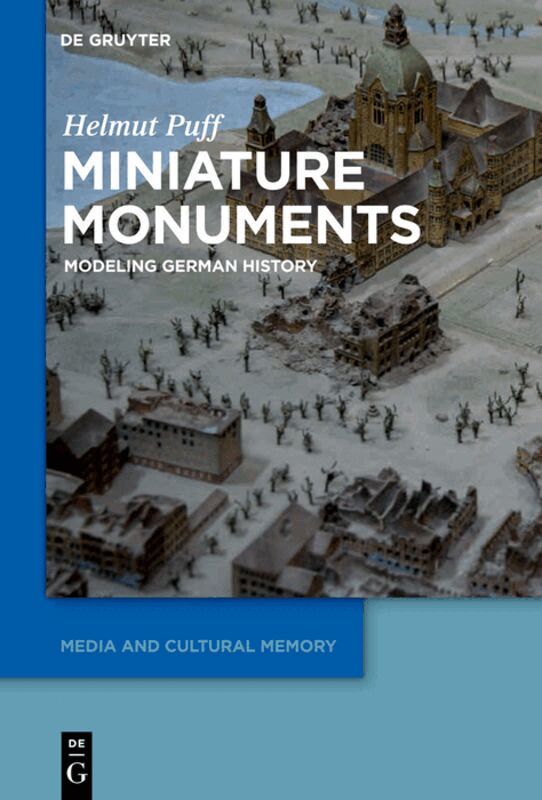
Miniature Monuments: Modeling German History offers a series of essays on small-scale models of bombed out cities. Created between 1946 and the present, these plastic renderings of places provide eerie glimpses of destruction and devastation resulting of the air war. This study thus permits fresh …
Miniature Monuments
Modeling German History
Av Helmut Puff
E-bok, 2014
1579 kr
Lägg i varukorg
Miniature Monuments: Modeling German History offers a series of essays on small-scale models of bombed out cities. Created between 1946 and the present, these plastic renderings of places provide eerie glimpses of destruction and devastation resulting of the air war. This study thus permits fresh …
Miniature Monuments
Modeling German History
Av Helmut Puff
E-bok, 2014
1579 kr
Lägg i varukorg
Miniature Monuments: Modeling German History offers a series of essays on small-scale models of bombed out cities. Created between 1946 and the present, these plastic renderings of places provide eerie glimpses of destruction and devastation resulting of the air war. This study thus permits fresh …
Miniature Monuments
Modeling German History
Av Helmut Puff
Häftad, 2017
280 kr
Lägg i varukorg
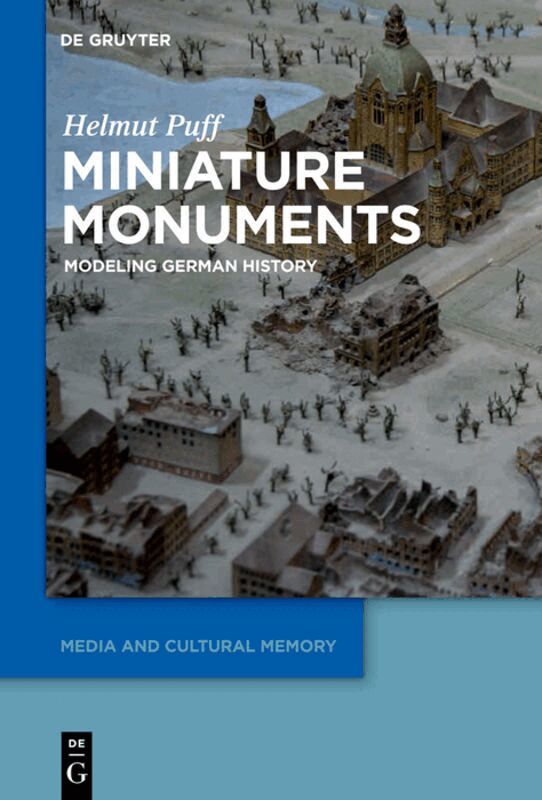
Miniature Monuments: Modeling German History offers a series of essays on small-scale models of bombed out cities. Created between 1946 and the present, these plastic renderings of places provide eerie glimpses of destruction and devastation resulting of the air war. This study thus permits fresh …
Warten
Kulturhistorische Zugänge Zwischen Mittelalter Und Moderne
Av Christoph Mauntel, Helmut Puff
Inbunden, 2026
1156 kr
Kommande
Sodomy in Reformation Germany and Switzerland, 1400-1600
Av Helmut Puff
Inbunden, 2003
767 kr
Tillfälligt slut
In the 14th century, a considerable number of men in Germany and Switzerland were executed for committing sodomy. In the 17th century, simply speaking of the act was cause for censorship. Here, in the first ever history of sodomy in these countries, Helmut Puff argues that accusations of sodomy in …