Henry Wiencek – författare
Visar alla böcker från författaren Henry Wiencek. Handla med fri frakt och snabb leverans.
8 produkter
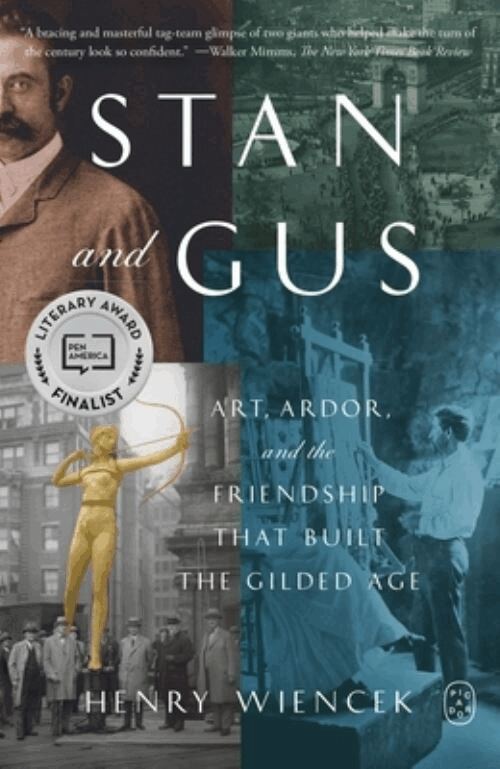
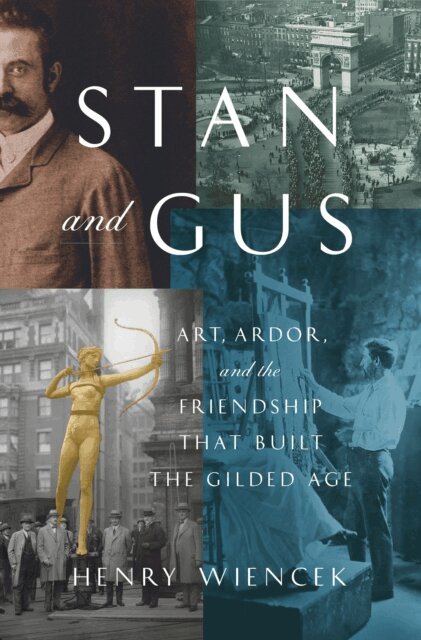
Stan and Gus
Art, Ardor, and the Friendship That Built the Gilded Age
Häftad, 2026
297 kr
Lägg i varukorg
The celebrated architect Stanford White was a louche man-about-town and a canny cultural entrepreneur, the creator of landmarks that raised the stature of the American built environment. Augustus Saint-Gaudens, a sculptor and the son of an immigrant shoemaker, was a moody introvert and a committed …
Stan and Gus
Art, Ardor, and the Friendship That Built the Gilded Age
Inbunden, 2025
369 kr
Lägg i varukorg
Stanford White was a louche man-about-town and a canny cultural entrepreneur - the creator of landmark buildings that elevated American architecture to new heights. Augustus Saint-Gaudens was the son of an immigrant shoemaker, a moody introvert, and a committed procrastinator whose painstaking work …
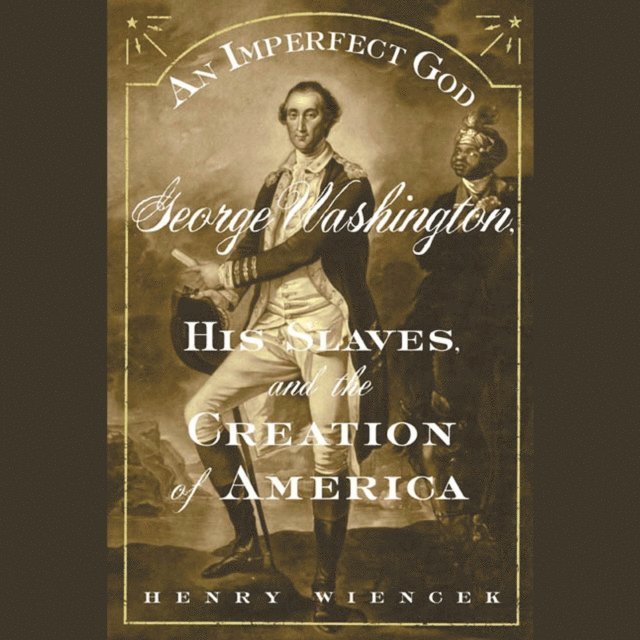
An Imperfect God: George Washington, His Slaves, and the Creation of America
Häftad, 2004
375 kr
Lägg i varukorg
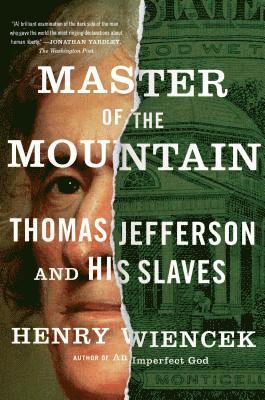
Master of the Mountain
Thomas Jefferson and His Slaves
Häftad, 2013
324 kr
Lägg i varukorg
Is there anything new to say about Thomas Jefferson and slavery? The answer is a resounding yes. Master of the Mountain, Henry Wiencek's eloquent, persuasive book - based on new information coming from archaeological work at Monticello and on hitherto overlooked or disregarded evidence in …
Stan and Gus
Art, Ardor, and the Friendship That Built the Gilded Age
E-bok, 2025
187 kr
Lägg i varukorg
How the architect Stanford White and the sculptor Augustus Saint-Gaudens transcended scandal to enrich their times. Stanford White was a louche man-about-town and a canny cultural entrepreneur—the creator of landmark buildings that elevated American architecture to new heights. Augustus …
Imperfect God
George Washington, His Slaves, and the Creation of America
Ljudbok, 2003
303 kr
Lägg i varukorg
A major new biography of Washington, and the first to explore his engagement with American slavery When George Washington wrote his will, he made the startling decision to set his slaves free; earlier he had said that holding slaves was his "only unavoidable subject of regret." In this …
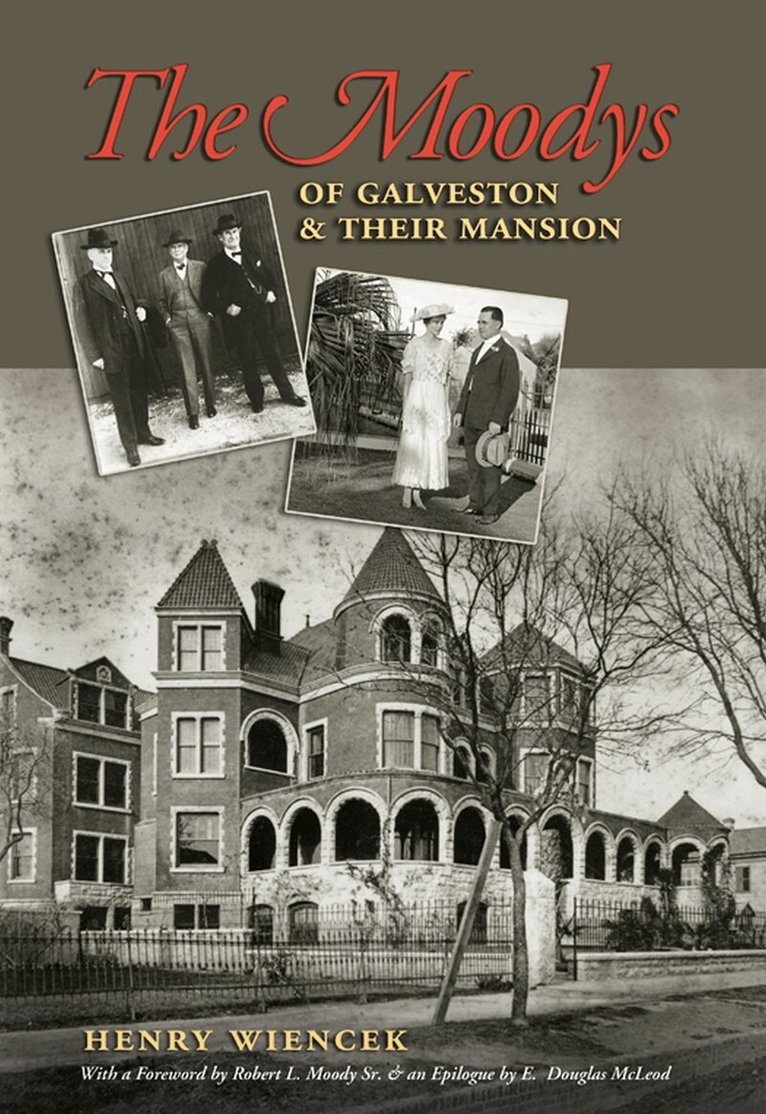
Moodys of Galveston and Their Mansion
Häftad, 2010
223 kr
Tillfälligt slut
In 1900, just a few months after the deadly hurricane of September, W. L. Moody Jr. and his family moved into the four-story mansion at the corner of Broadway and Twenty-sixth Street in Galveston. For the next eight decades, the Moody family occupied the 28,000-square-foot home: raising a family, …