Herman Lebovics – författare
Visar alla böcker från författaren Herman Lebovics. Handla med fri frakt och snabb leverans.
10 produkter
Social Conservatism and the Middle Class in Germany, 1914-1933
Häftad, 2015
421 kr
Lägg i varukorg
Uprooted by the war, exposed to the full brunt of economic dislocation, and fearful of losing status in face of the growing might of big business and organized labor, the middle classes in Weimar Germany longed for a solution to their plight that neither the capitalism nor the socialism of their …
Social Conservatism and the Middle Class in Germany, 1914-1933
Inbunden, 2016
1883 kr
Lägg i varukorg
Uprooted by the war, exposed to the full brunt of economic dislocation, and fearful of losing status in face of the growing might of big business and organized labor, the middle classes in Weimar Germany longed for a solution to their plight that neither the capitalism nor the socialism of their …
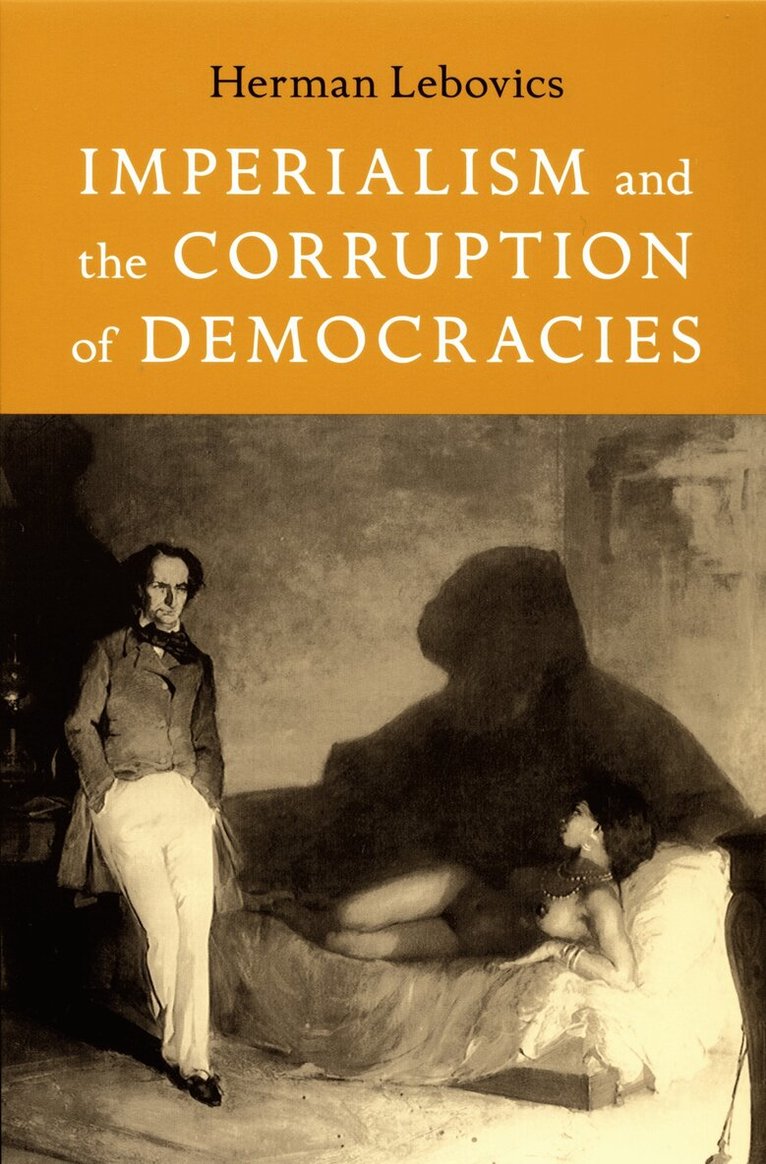
Imperialism and the Corruption of Democracies
Häftad, 2006
352 kr
Lägg i varukorg
In this important volume, Herman Lebovics, a preeminent cultural historian of France, develops a historical argument with striking contemporary relevance: empire abroad inevitably undermines democracy at home. These essays, which Lebovics wrote over the past decade, demonstrate the impressive …
Bringing the Empire Back Home
France in the Global Age
E-bok, 2004
839 kr
Lägg i varukorg
Thirty years ago, an international antiglobalization movement was born in the grazing lands of France’s Larzac plateau. In the 1970s, Larzac farmers were joined by others from around the world in their efforts to prevent the expansion of a local military base: by ecologists, religious pacifists, …
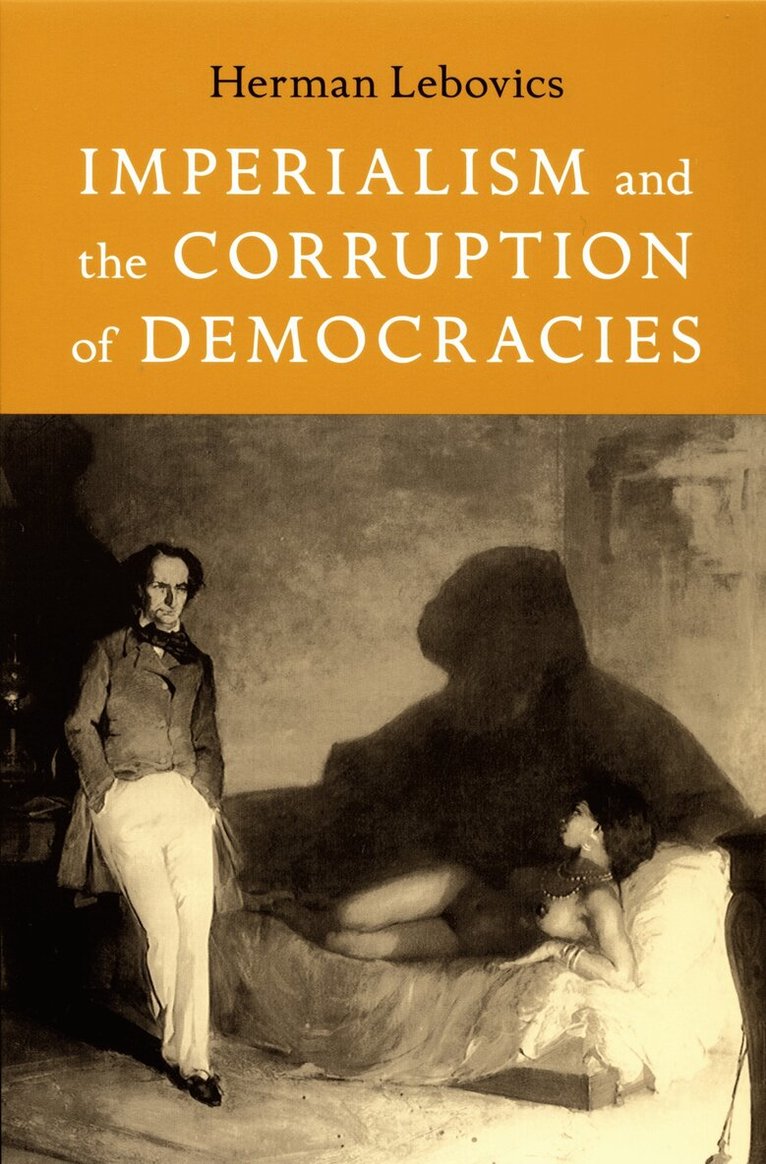
Imperialism and the Corruption of Democracies
E-bok, 2006
520 kr
Lägg i varukorg
In this important volume, Herman Lebovics, a preeminent cultural historian of France, develops a historical argument with striking contemporary relevance: empire abroad inevitably undermines democracy at home. These essays, which Lebovics wrote over the past decade, demonstrate the impressive …
Social Conservatism and the Middle Class in Germany, 1914-1933
E-bok, 2015
588 kr
Lägg i varukorg
Uprooted by the war, exposed to the full brunt of economic dislocation, and fearful of losing status in face of the growing might of big business and organized labor, the middle classes in Weimar Germany longed for a solution to their plight that neither the capitalism nor the socialism of their …
Bringing the Empire Back Home
France in the Global Age
Inbunden, 2004
565 kr
Tillfälligt slut
Thirty years ago, an international antiglobalization movement was born in the grazing lands of France’s Larzac plateau. In the 1970s, Larzac farmers were joined by others from around the world in their efforts to prevent the expansion of a local military base: by ecologists, religious pacifists, …
Imperialism and the Corruption of Democracies
Inbunden, 2006
1272 kr
Tillfälligt slut
In this important volume, Herman Lebovics, a preeminent cultural historian of France, develops a historical argument with striking contemporary relevance: empire abroad inevitably undermines democracy at home. These essays, which Lebovics wrote over the past decade, demonstrate the impressive …