Hien Luu – författare
332 kr
Skickas
629 kr
Läs direkt efter köp
673 kr
Skickas inom 10-15 vardagar
865 kr
Läs direkt efter köp
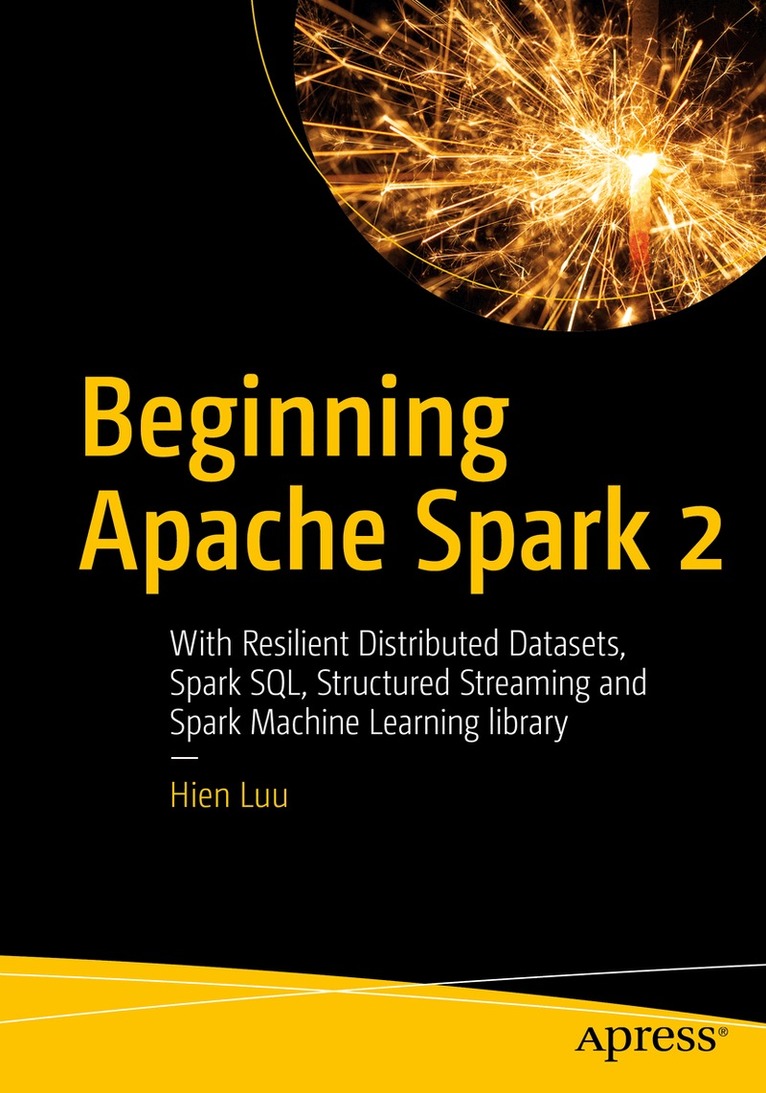
Take a journey toward discovering, learning, and using Apache Spark 3.0. In this book, you will gain expertise on the powerful and efficient distributed data processing engine inside of Apache Spark; its user-friendly, comprehensive, and flexible programming model for processing data in batch and streaming; and the scalable machine learning algorithms and practical utilities to build machine learning applications.
Beginning Apache Spark 3 begins by explaining different ways of interacting with Apache Spark, such as Spark Concepts and Architecture, and Spark Unified Stack. Next, it offers an overview of Spark SQL before moving on to its advanced features. It covers tips and techniques for dealing with performance issues, followed by an overview of the structured streaming processing engine. It concludes with a demonstration of how to develop machine learning applications using Spark MLlib and how to manage the machine learning development lifecycle. This book is packed with practical examples and code snippets to help you master concepts and features immediately after they are covered in each section.
After reading this book, you will have the knowledge required to build your own big data pipelines, applications, and machine learning applications.
What You Will Learn
Master the Spark unified data analytics engine and its various componentsWork in tandem to provide a scalable, fault tolerant and performant data processing engineLeverage the user-friendly and flexible programming model to perform simple to complex data analytics using dataframe and Spark SQLDevelop machine learning applications using Spark MLlibManage the machine learning development lifecycle using MLflowWho This Book Is For
Data scientists, data engineers and software developers.
582 kr
Skickas
865 kr
Läs direkt efter köp
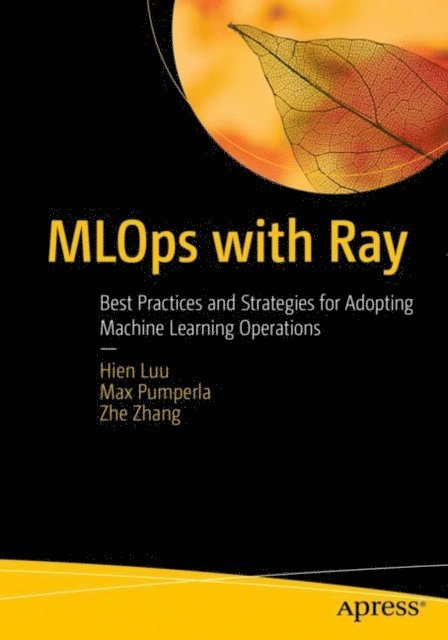
Understand how to use MLOps as an engineering discipline to help with the challenges of bringing machine learning models to production quickly and consistently. This book will help companies worldwide to adopt and incorporate machine learning into their processes and products to improve their competitiveness.
The book delves into this engineering discipline''s aspects and components and explores best practices and case studies. Adopting MLOps requires a sound strategy, which the book''s early chapters cover in detail. The book also discusses the infrastructure and best practices of Feature Engineering, Model Training, Model Serving, and Machine Learning Observability. Ray, the open source project that provides a unified framework and libraries to scale machine learning workload and the Python application, is introduced, and you will see how it fits into the MLOps technical stack.
This book is intended for machine learning practitioners, such as machine learning engineers, and data scientists, who wish to help their company by adopting, building maps, and practicing MLOps.
What You''ll Learn
Gain an understanding of the MLOps disciplineKnow the MLOps technical stack and its componentsGet familiar with the MLOps adoption strategyUnderstand feature engineering
Who This Book Is For
Machine learning practitioners, data scientists, and software engineers who are focusing on building machine learning systems and infrastructure to bring ML models to production