Hilary Sapire - Böcker
Visar alla böcker från författaren Hilary Sapire. Handla med fri frakt och snabb leverans.
2 produkter
2 produkter
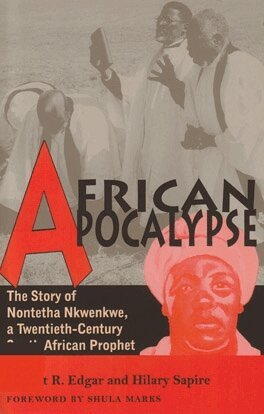
African Apocalypse
The Story of Nontetha Nkwenkwe, a Twentieth-Century South African Prophet
Häftad, Engelska, 1999
314 kr
Skickas inom 7-10 vardagar
The devastating influenza epidemic of 1918 ripped through southern Africa. In its aftermath, revivalist and millenarian movements sprouted. Prophets appeared bearing messages of resistance, redemption, and renewal. African Apocalypse: The Story of Nontetha Nkwenkwe, A Twentieth-Century Prophet is the remarkable story of one such prophet, a middle-aged Xhosa woman named Nontetha. After surviving the deadly virus, Nontetha proclaimed that a series of dreams revealed to her that the influenza had been a punishment from God. Consequently, she embarked on a mission to reform her society.She imposed numerous prohibitions and rules on her followers. In a parallel movement, in 1919, millenarian Israelites congregated in the holy village of Ntabelanga, 100 miles north of Nontetha's area, to await the end of the world. In May 1921, police killed nearly 200 Israelites near Queenstown in a showdown over attempts to expel the settlers.Accused of sedition by an alarmed government, Nontetha was committed to Fort Beaufort Mental Hospital in 1922. On Nontetha's death in 1935, officials buried her in an unmarked pauper's grave. In 1997, Edgar and Sapire located Nontetha's grave. Of Edgar's efforts to return Nontetha to her home, the New York Times said, "One would not expect, perhaps, that a mild-mannered professor from Howard University would turn out to be the Indiana Jones of South Africa."African Apocalypse touches on a variety of themes, including African Christianity, gender, protest, the social history of madness, and the engagement of professional historians in contemporary issues.
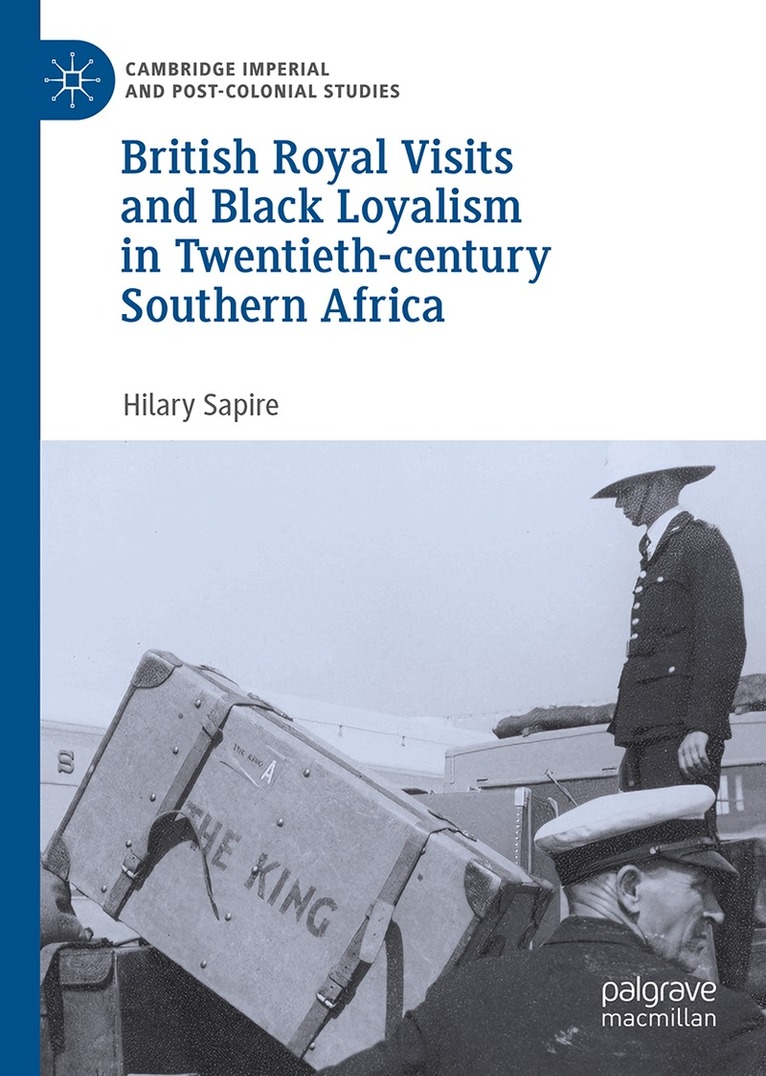
British Royal Visits and Black Loyalism in Twentieth-century Southern Africa
Inbunden, Engelska, 2024
1 625 kr
Skickas inom 10-15 vardagar
Exploring the entwined histories of British royal visits to Southern Africa in the twentieth century, this book analyses the clashing voices of dissent and cheering crowds that accompanied royal tours, providing insight into the shifting nature of ‘Black loyalism.’ Originating in the Indigenous empire loyalism of eighteenth-century Canada, Black loyalism encompassed loyalty to the British crown and a shared ideology of ‘rights and ‘entitlements,’ which positioned the crown as a source of protection against white settler rapacity, colonial violence, and racial oppression. However, expressions of monarchical devotion were often double-edged and addressed the fundamental contradiction of a crown that was both the source of rights and complicit in colonial conquest, appropriation, and misrule. It was on royal occasions such as jubilees, coronation celebrations, and especially royal visits, when the sovereign was literally amongst their more distant subjects, that loyalist sentiment was rekindled, reinvented, and made directly relevant to the concerns of the day. By analysing change and continuity in Black perspectives towards both the British and Indigenous African monarchy during these visits, this book offers a fruitful way into examining an array of Black Southern African discourses on governance, political values, and cultural identities across the region. It argues that the refashioning of British imperial monarchy in the twentieth century was profoundly shaped by African initiatives and re-imaginings, and provides valuable reading for those researching imperialism, popular attitudes to the British monarchy in the twentieth century, and the diverse politics and identities of southern Africa.