Himanshu – författare
Visar alla böcker från författaren Himanshu. Handla med fri frakt och snabb leverans.
7 produkter
7 produkter
E-bok
PDF, Engelska, 2018619 kr
Läs direkt efter köp
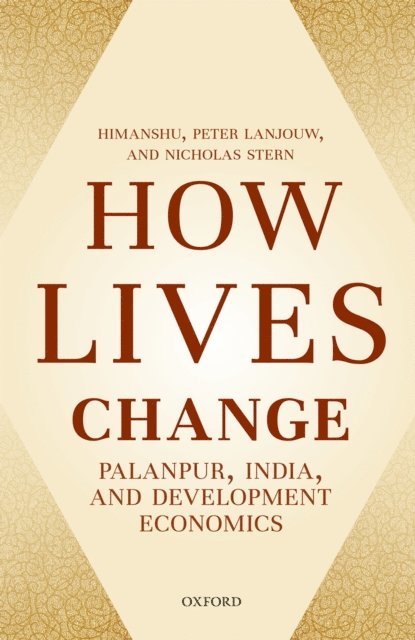
Development economics is about understanding how and why lives change. How Lives Change: Palanpur, India, and Development Economics studies a single village in a crucially important country to illuminate the drivers of these changes, why some people do better or worse than others, and what influences mobility and inequality.How Lives Change draws on seven decades of detailed data collection by a team of dedicated development economists to describe the evolution of Palanpur''s economy, its society, and its politics. The emerging story of integration of the village economy with the outside world is placed against the backdrop of a rapidly transforming India and, in turn, helps to understand the transformation. It puts development economics into practice to assess its performance and potential in a unique andpowerful way to show how the development of one village since India''s independence can be set in the context of the entire country''s story.How Lives Change sets out the role of, and scope for, public policy in shaping the lives of individuals. It describes how changes in Palanpur''s economy since the late 1950s were initially driven by the advance of agriculture through land reforms, the expansion of irrigation and the introduction of "green revolution" technologies. Since the mid-1980s, newly emerging off-farm opportunities in nearby towns and outside agriculture became the key driver of growth and change, profoundlyinfluencing poverty, income mobility, and inequality in Palanpur. Village institutions are shown to have evolved in subtle but clear ways over time, both shaping and being shaped by economic change. Individual entrepreneurship and initiative is found to play a critical role in driving and responding to the forcesof change; and yet, against a backdrop of real economic growth and structural transformation, this book shows that human development outcomes have shown only weak progress and remain stubbornly resistant to change.
E-bok
Engelska, 2018619 kr
Läs direkt efter köp
Development economics is about understanding how and why lives change. How Lives Change: Palanpur, India, and Development Economics studies a single village in a crucially important country to illuminate the drivers of these changes, why some people do better or worse than others, and what influences mobility and inequality.How Lives Change draws on seven decades of detailed data collection by a team of dedicated development economists to describe the evolution of Palanpur''s economy, its society, and its politics. The emerging story of integration of the village economy with the outside world is placed against the backdrop of a rapidly transforming India and, in turn, helps to understand the transformation. It puts development economics into practice to assess its performance and potential in a unique andpowerful way to show how the development of one village since India''s independence can be set in the context of the entire country''s story.How Lives Change sets out the role of, and scope for, public policy in shaping the lives of individuals. It describes how changes in Palanpur''s economy since the late 1950s were initially driven by the advance of agriculture through land reforms, the expansion of irrigation and the introduction of "green revolution" technologies. Since the mid-1980s, newly emerging off-farm opportunities in nearby towns and outside agriculture became the key driver of growth and change, profoundlyinfluencing poverty, income mobility, and inequality in Palanpur. Village institutions are shown to have evolved in subtle but clear ways over time, both shaping and being shaped by economic change. Individual entrepreneurship and initiative is found to play a critical role in driving and responding to the forcesof change; and yet, against a backdrop of real economic growth and structural transformation, this book shows that human development outcomes have shown only weak progress and remain stubbornly resistant to change.
Inbunden, Engelska, 2018
809 kr
Skickas inom 5-8 vardagar
Development economics is about understanding how and why lives change. How Lives Change: Palanpur, India, and Development Economics studies a single village in a crucially important country to illuminate the drivers of these changes, why some people do better or worse than others, and what influences mobility and inequality.How Lives Change draws on seven decades of detailed data collection by a team of dedicated development economists to describe the evolution of Palanpur's economy, its society, and its politics. The emerging story of integration of the village economy with the outside world is placed against the backdrop of a rapidly transforming India and, in turn, helps to understand the transformation. It puts development economics into practice to assess its performance and potential in a unique and powerful way to show how the development of one village since India's independence can be set in the context of the entire country's story.How Lives Change sets out the role of, and scope for, public policy in shaping the lives of individuals. It describes how changes in Palanpur's economy since the late 1950s were initially driven by the advance of agriculture through land reforms, the expansion of irrigation and the introduction of "green revolution" technologies. Since the mid-1980s, newly emerging off-farm opportunities in nearby towns and outside agriculture became the key driver of growth and change, profoundly influencing poverty, income mobility, and inequality in Palanpur. Village institutions are shown to have evolved in subtle but clear ways over time, both shaping and being shaped by economic change. Individual entrepreneurship and initiative is found to play a critical role in driving and responding to the forces of change; and yet, against a backdrop of real economic growth and structural transformation, this book shows that human development outcomes have shown only weak progress and remain stubbornly resistant to change.
E-bok
Engelska40 kr
Läs direkt efter köp
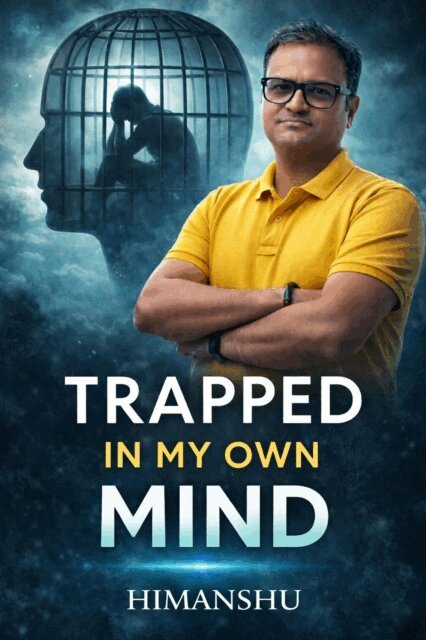
Have you ever found yourself lost in elaborate daydreams for hours, unable to pull yourself back to reality?What if imagination stops being harmless and starts interfering with your real life?Trapped in My Own Mind is a deeply personal and insightful exploration of Maladaptive Daydreaming — a condition where vivid fantasy worlds begin to overpower daily living.In this book, Himanshu shares his honest journey of struggling with excessive daydreaming while managing business responsibilities, ambitions, and real-world expectations. From losing track of time to feeling disconnected from reality, this is not just a theoretical discussion — it is lived experience.Inside this book, you will discover:What Maladaptive Daydreaming really isThe difference between creativity and compulsive fantasyEmotional triggers behind excessive daydreamingHow it affects productivity, focus, and relationshipsSigns that indicate loss of controlPractical awareness-based strategies to regain mental balanceThis book is not medical advice — it is clarity, self-reflection, and practical understanding for anyone who feels mentally trapped inside their own imagination.If you often feel that your mind is your escape — but also your prison — this book will help you understand why.
Häftad, Engelska, 2026
192 kr
Skickas inom 5-8 vardagar
Inbunden, Engelska, 2026
304 kr
Skickas inom 5-8 vardagar
Inbunden, Engelska, 2016
1 565 kr
Tillfälligt slut
While India has had a long history of village studies, longitudinal studies that have followed the same village or set of villages over time have a special place in the literature on transformation of economic production and social structures in rural areas. This book brings together aspects of change in rural India through recent research based on longitudinal village studies. The revival of village studies in recent years is a testimony to their usefulness in providing answers to questions that elude the narrow confines of mainstream theory and large-scale surveys. The book addresses three broad areas of concern: the first relates to the method and conceptual framework of longitudinal village studies how information is collected and the ways in which it is used and analysed; the second aims at a broad understanding of villages across different dimensions of economy and society, offering wide and integrated accounts of particular villages; and the third explores particular themes in some detail within this broader framework. By bringing together different contributions from the tradition of longitudinal village studies, the book addresses a range of analytical and policy issues, highlights the problems and potentials of the longitudinal method, and encourages more work in this tradition.