Peter Lanjouw – författare
Visar alla böcker från författaren Peter Lanjouw. Handla med fri frakt och snabb leverans.
5 produkter
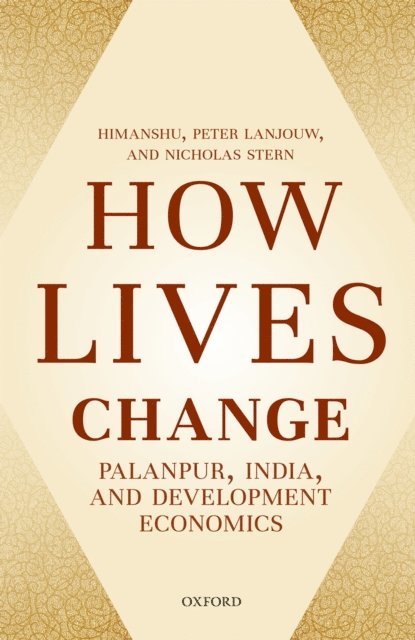
How Lives Change
Palanpur, India, and Development Economics
Av Nicholas Stern, Peter Lanjouw m. fl.
E-bok, 2018
734 kr
Lägg i varukorg
Development economics is about understanding how and why lives change. How Lives Change: Palanpur, India, and Development Economics studies a single village in a crucially important country to illuminate the drivers of these changes, why some people do better or worse than others, and what …
How Lives Change
Palanpur, India, and Development Economics
Av Nicholas Stern, Peter Lanjouw m. fl.
E-bok, 2018
734 kr
Lägg i varukorg
Development economics is about understanding how and why lives change. How Lives Change: Palanpur, India, and Development Economics studies a single village in a crucially important country to illuminate the drivers of these changes, why some people do better or worse than others, and what …
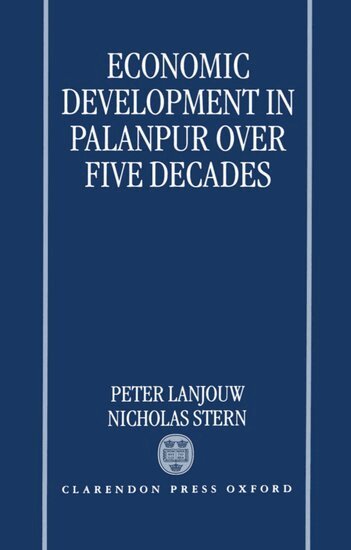
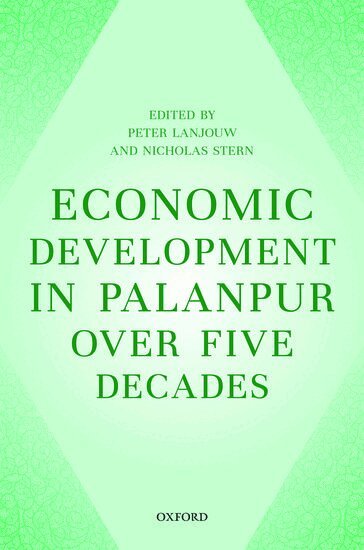
Economic Development in Palanpur over Five Decades
Av Peter Lanjouw, Nicholas Stern
Inbunden, 1998
1940 kr
Lägg i varukorg
This book provides an account of economic development in Palanpur, a village in rural North India, based on five detailed surveys of the village over the period 1957 to 1993. These five decades have seen economic well-being rise in some important respects, but stagnation and even decline in other …
How Lives Change
Palanpur, India, and Development Economics
Av Himanshu, Peter Lanjouw m. fl.
Inbunden, 2018
863 kr
Lägg i varukorg
Development economics is about understanding how and why lives change. How Lives Change: Palanpur, India, and Development Economics studies a single village in a crucially important country to illuminate the drivers of these changes, why some people do better or worse than others, and what …
Economic Development in Palanpur over Five Decades
Av Peter Lanjouw, Nicholas Stern
Häftad, 2018
565 kr
Lägg i varukorg
This book provides an account of economic development in Palanpur, a village in rural North India, based on five detailed surveys of the village over the period 1957 to 1993. These five decades have seen economic well-being rise in some important respects, but stagnation and even decline in other …