Hiroki Yoshikuni – författare
Visar alla böcker från författaren Hiroki Yoshikuni. Handla med fri frakt och snabb leverans.
4 produkter
Revolutions
A New History
Av Donald Sassoon, Jonathan E. Abel m. fl.
Häftad, 2026
202 kr
Lägg i varukorg
Revolutions is a sparkling account of political upheaval and the power of history. We think of revolutions in terms of fleeting events, such as the fall of the Bastille or the storming of the Winter Palace. In reality, they take decades to burn out, if they ever do.Historian Donald Sassoon takes …
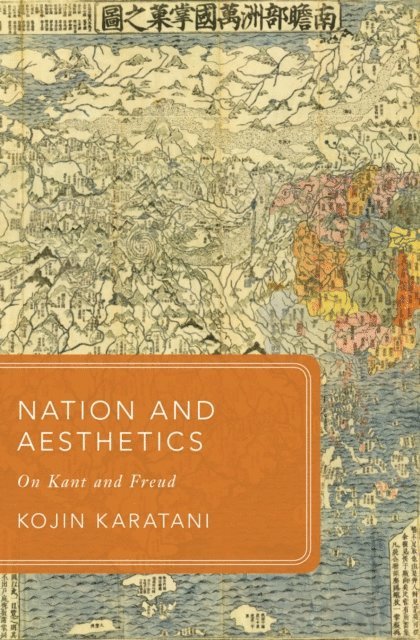
Nation and Aesthetics
On Kant and Freud
Av Darwin H. Tsen, Hiroki Yoshikuni m. fl.
E-bok, 2017
1307 kr
Lägg i varukorg
Nation and Aesthetics is a unique attempt to examine the ambiguous nature of nationalism and nation by examining them through aesthetics. In this translation by Jonathan E. Abel, Darwin H. Tsen, and Hiroki Yoshikuni, Karatani grasps the modern social formation as a nexus of three different "modes …
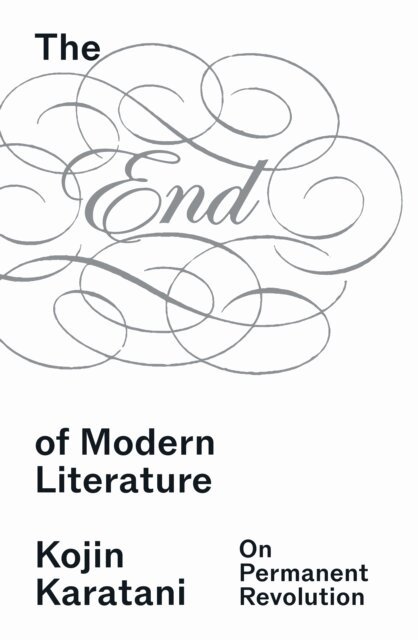
End of Modern Literature
On Permanent Revolution
Av Kojin Karatani, Hiroki Yoshikuni m. fl.
Häftad, 2026
280 kr
Lägg i varukorg
What comes after the death of literature? Kojin Karatani, winner of the 2022 Berggruen Prize, examines the corpse, investigates the cause of death, and offers glimpses of an afterlife from various theoretical perspectives. The End of Modern Literature reimagines the significance and concept of …
End of Modern Literature
On Permanent Revolution
Av Kojin Karatani, Hiroki Yoshikuni m. fl.
E-bok, 2026
176 kr
Lägg i varukorg
What comes after the death of literature? Kojin Karatani, winner of the 2022 Berggruen Prize, examines the corpse, investigates the cause of death, and offers glimpses of an afterlife from various theoretical perspectives. The End of Modern Literature reimagines the significance and concept of …