Hiroshi Nara - Böcker
Visar alla böcker från författaren Hiroshi Nara. Handla med fri frakt och snabb leverans.
4 produkter
4 produkter
695 kr
Skickas inom 10-15 vardagar
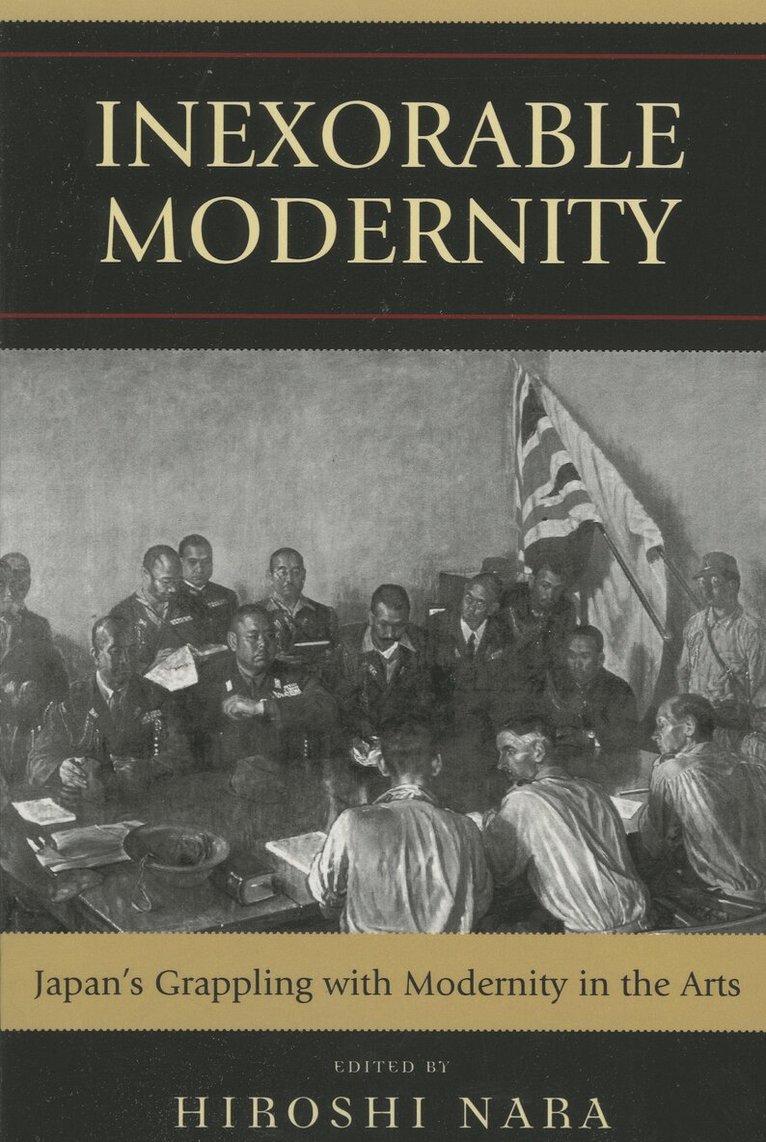
Beginning in late Edo, the Japanese faced a rapidly and irreversibly changing world in which industrialization, westernization, and internationalization was exerting pressure upon an entrenched traditional culture. The Japanese themselves felt threatened by Western powers, with their sense of superiority and military might. Yet, the Japanese were more prepared to meet this challenge than was thought at the time, and they used a variety of strategies to address the tension between modernity and tradition. Inexorable Modernity illuminates our understanding of how Japan has dealt with modernity and of what mechanisms, universal and local, we can attribute to the mode of negotiation between tradition and modernity in three major forms of art-theater, the visual arts, and literature. Dr. Hiroshi Nara brings together a thoughtful collection of essays that demonstrate that traditional and modern approaches to life feed off of one other, and tradition, whether real or created, was sought out in order to find a way to live with the burden of modernity. Inexorable Modernity is a valuable and enlightening read for those interested in Asian studies and history.
787 kr
Skickas inom 10-15 vardagar
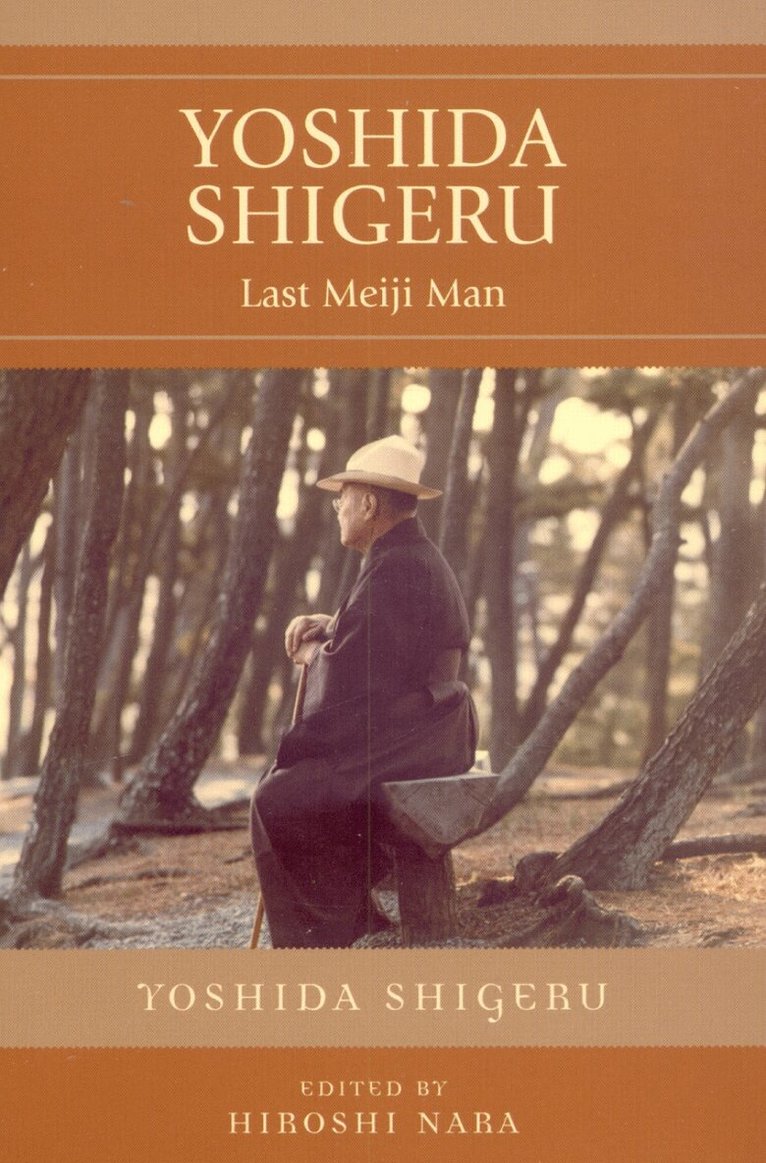
The most complete autobiography of Yoshida Shigeru available in English, this expanded translation of his memoirs traces the remarkable life and times of one of Japan's most powerful and influential figures. Yoshida (1878-1967), who served in China and Europe as a career diplomat, closely linked with the key political leaders who shaped the world in Japan's most tumultuous years in the first half of the twentieth century. He returned to politics to rebuild Japan as a five-time prime minister after the devastation of World War II. Yoshida retired from the Japanese Foreign Ministry in 1939 with the intention of leading a quiet life. Yet he knew the winds of war were stirring and presciently began behind-the scenes maneuvering to avoid the calamitous Pacific War. Soon after Japan's defeat, Yoshida amassed the political power to form his own cabinet. Sandwiched between Japan's interests and major reforms advanced by MacArthur's occupation forces, Yoshida boldly pushed through many essential reforms, laying the foundation for his country's reentry into the global community. Richly laced with historical detail, this book will be essential reading for anyone interested in twentieth-century Japan. Exploring Yoshida's and Japan's linked histories, the book traces Yoshida's lengthy tenure in China, his travel abroad as a member of Japan's mission to conclude World War I, the interwar years spent as a high-ranking diplomat in Europe, his role in the days leading up to the Pearl Harbor attack, his view on the loss of war, his insights into MacArthur's character, Japan's postwar economic woes, the new constitution, the threat of communism, the imperial system, and the San Francisco Peace Conference in 1958 that guaranteed Japan's sovereignty.
195 kr
Skickas inom 10-15 vardagar
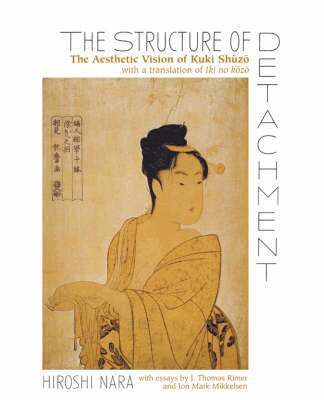
Published in 1930, when Japan was struggling to define and assert its national and cultural identity, The Structure of Iki (Iki no kôzô) re-introduced the Japanese to a sophisticated tradition of urbane and spirited stylishness (iki) that was forged in the Edo period. Upon his return from Europe, Kuki Shûzô (1888–1941) made use of the new theoretical frameworks based on Western Continental methodology to redefine the significance of iki in Japanese society and culture. By applying Heidegger’s hermeneutics to this cultural phenomenon, he attempted to recast traditional understanding in the context of Western aesthetic theory and reestablish the centrality of a purely Japanese sense of "taste."The three critical essays that accompany this new translation of The Structure of Iki look at various aspects of Kuki, his work, and the historical context that influenced his thinking. Hiroshi Nara first traces Kuki’s interest in a philosophy of life through his exposure to Husserl, Heidegger, and Bergson. In the second essay, J. Thomas Rimer compels readers to reexamine The Structure of Iki as a work in the celebrated tradition of zuihitsu (stream-of-consciousness writings) and takes into account French literary influences on Kuki. The philosopher’s controversial link with Heidegger is explored by Jon Mark Mikkelsen in the final essay.
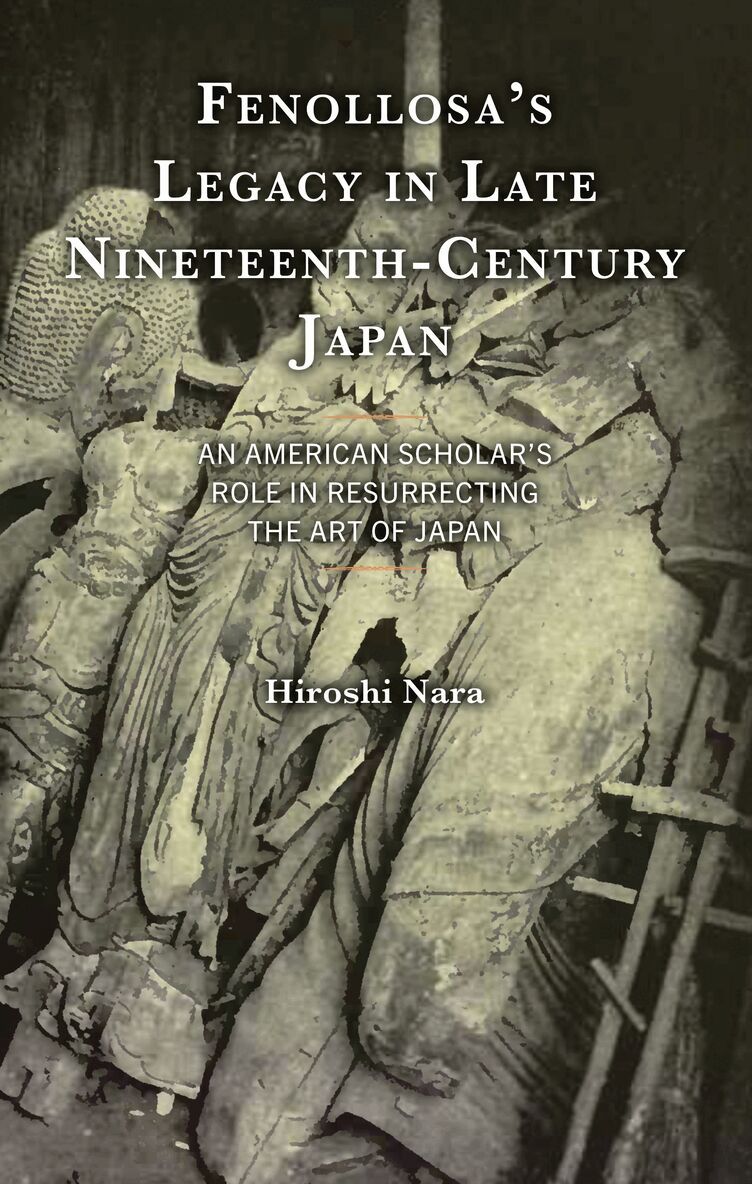
Fenollosa’s Legacy in Late Nineteenth-Century Japan
An American Scholar’s Role in Resurrecting the Art of Japan
Inbunden, Engelska, 2024
1 177 kr
Skickas inom 10-15 vardagar
Fenollosa’s Legacy in Late Nineteenth Century Japan: An American Scholar’s Role in Resurrecting the Art of Japan makes a critical assessment of American art theorist Ernest F. Fenollosa’s work in Meiji Japan. Ernest F. Fenollosa was first hired as a Tokyo University professor of political philosophy in 1878 but became an art theorist and policymaker for Japan’s Education Ministry. His illustrious career as an art administrator began with the 1882 Bijutsu shinsetsu speech that cemented the reputation of his work. Working closely with Okakura Kakuzo (Tenshin), Fenollosa became the lightning rod in defining the course of modern painting as well as in establishing the first national art school. He is widely credited with resurrecting moribund traditional Japanese painting to health. The author shows this assessment of Fenollosa as the savior of Japanese traditional painting work may not have been deserved by examining the historical context in which he made the 1882 speech. The book offers the first English translation of Fenollosa’s 1882 Bijutsu shinsetsu speech that had been previously unavailable to the non-Japanese reading audience.