Howard Brick - Böcker
Visar alla böcker från författaren Howard Brick. Handla med fri frakt och snabb leverans.
9 produkter
9 produkter
1 200 kr
Skickas inom 7-10 vardagar
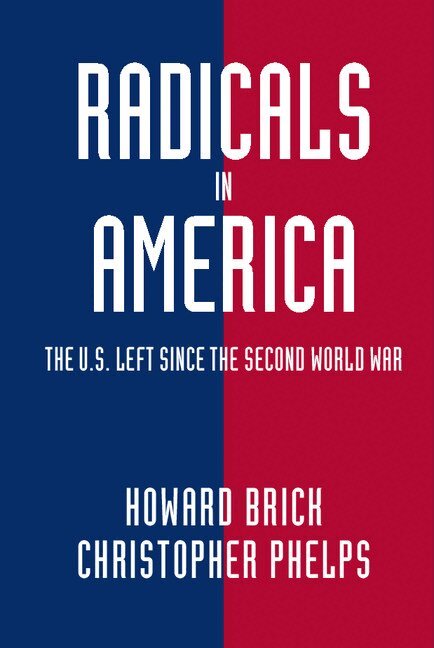
Radicals in America is a masterful history of controversial dissenters who pursued greater equality, freedom and democracy - and transformed the nation. Written with clarity and verve, Radicals in America shows how radical leftists, while often marginal or ostracized, could assume a catalytic role as effective organizers in mass movements, fostering the imagination of alternative futures. Beginning with the Second World War, Radicals in America extends all the way down to the present, making it the first comprehensive history of radicalism to reach beyond the sixties. From the Communist Party and the Black Panther Party for Self-Defense, its coverage extends to the Battle of Seattle and Occupy Wall Street. Each chapter begins with a particular life story, including a Harlem woman deported in the McCarthy era, a gay Japanese-American opponent of the Vietnam War, and a Native American environmentalist, vignettes that bring to life the personal within the political.
318 kr
Skickas inom 7-10 vardagar
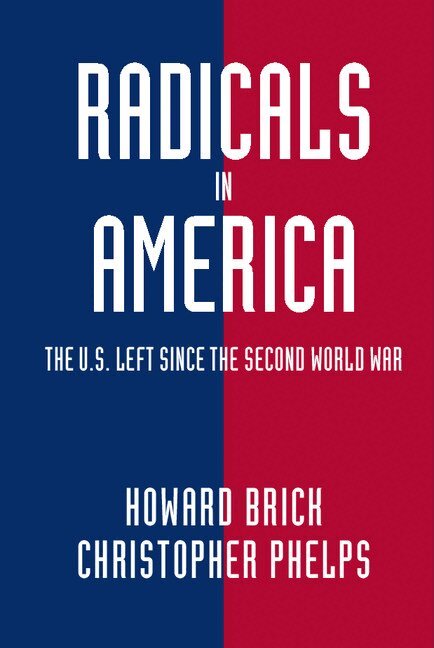
Radicals in America is a masterful history of controversial dissenters who pursued greater equality, freedom and democracy - and transformed the nation. Written with clarity and verve, Radicals in America shows how radical leftists, while often marginal or ostracized, could assume a catalytic role as effective organizers in mass movements, fostering the imagination of alternative futures. Beginning with the Second World War, Radicals in America extends all the way down to the present, making it the first comprehensive history of radicalism to reach beyond the sixties. From the Communist Party and the Black Panther Party for Self-Defense, its coverage extends to the Battle of Seattle and Occupy Wall Street. Each chapter begins with a particular life story, including a Harlem woman deported in the McCarthy era, a gay Japanese-American opponent of the Vietnam War, and a Native American environmentalist, vignettes that bring to life the personal within the political.
687 kr
Skickas inom 10-15 vardagar
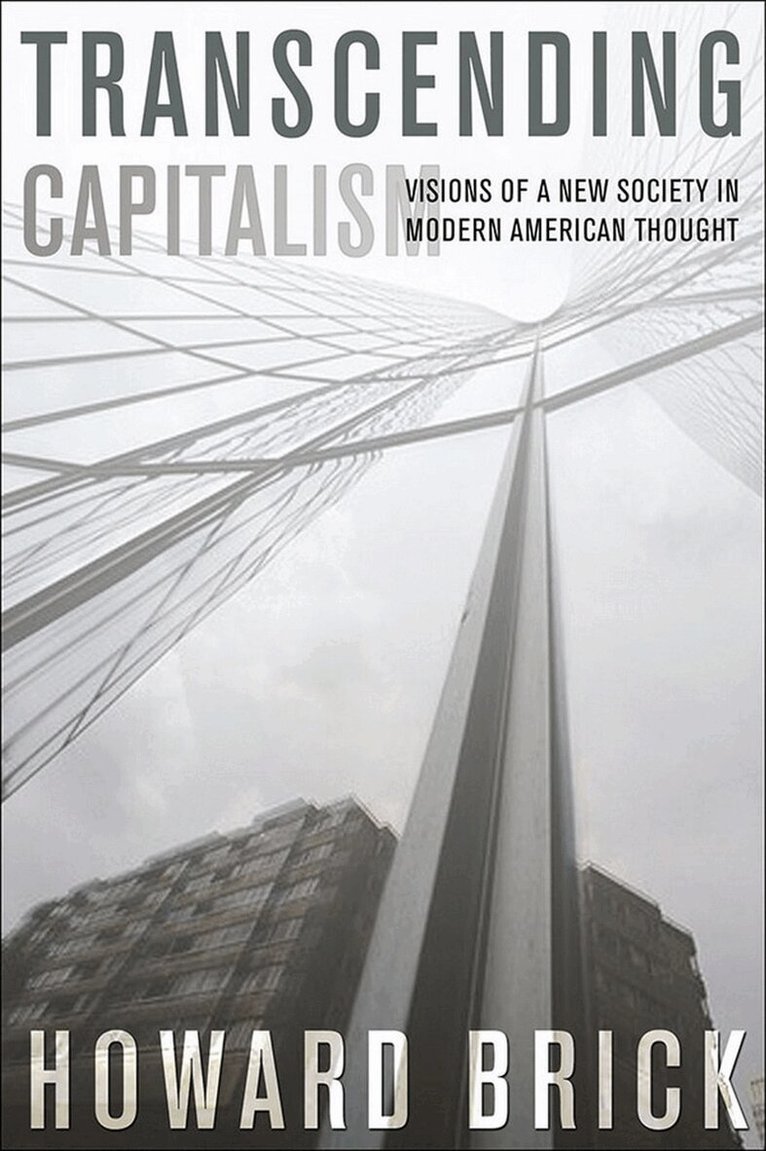
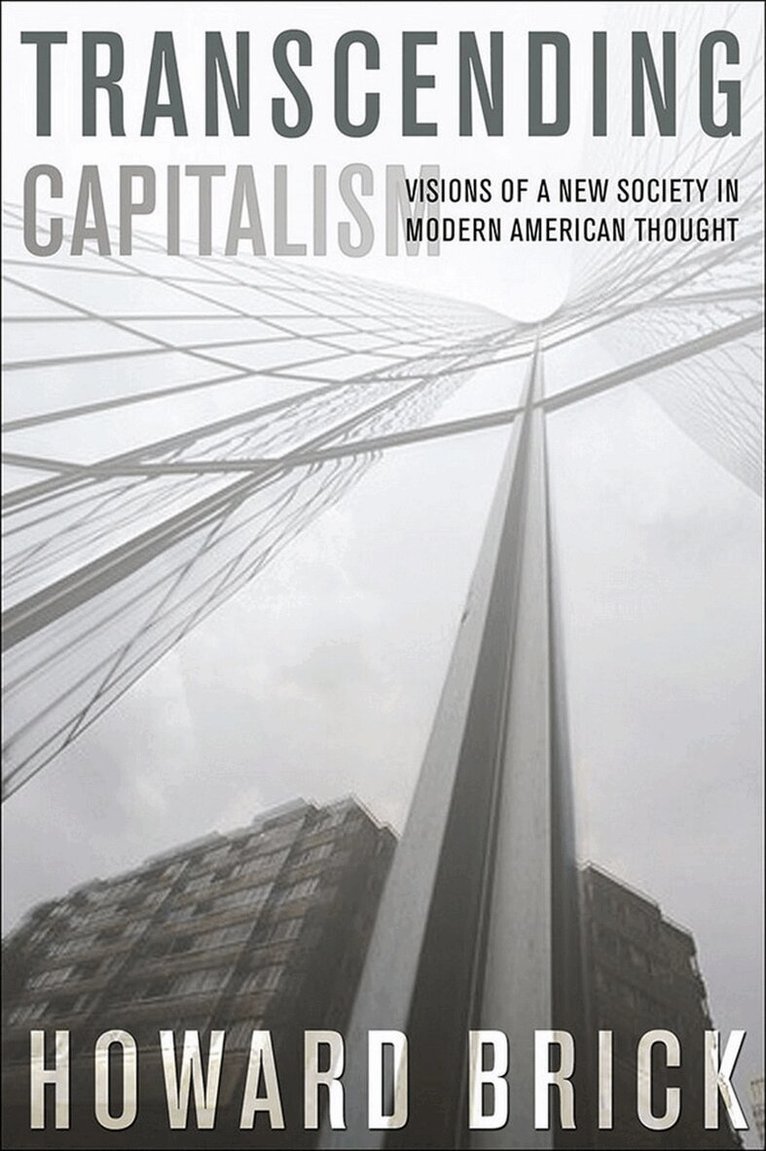
In Transcending Capitalism, Howard Brick explains why many influential midcentury American social theorists came to believe it was no longer meaningful to describe modern Western society as "capitalist," but instead preferred alternative terms such as "postcapitalist," "postindustrial," or "technological." Considering the discussion today of capitalism and its global triumph, it is important to understand why a prior generation of social theorists imagined the future of advanced societies not in a fixed capitalist form but in some course of development leading beyond capitalism.Brick locates this postcapitalist vision within a long history of social theory and ideology. He challenges the common view that American thought and culture utterly succumbed in the 1940s to a conservative cold war consensus that put aside the reform ideology and social theory of the early twentieth century. Rather, expectations of the shift to a new social economy persisted and cannot be disregarded as one of the elements contributing to the revival of dissenting thought and practice in the 1960s.Rooted in a politics of social liberalism, this vision held influence for roughly a half century, from its interwar origins until the right turn in American political culture during the 1970s and 1980s. In offering a historically based understanding of American postcapitalist thought, Brick also presents some current possibilities for reinvigorating critical social thought that explores transitional developments beyond capitalism.
296 kr
Skickas inom 10-15 vardagar
In Age of Contradiction, Howard Brick provides a rich context for understanding historical events, cultural tensions, political figures, artistic works, and trends of intellectual life. His lucid and comprehensive book combines the best methods of historical analysis and assessment with fascinating subject matter to create a three-dimensional...
327 kr
Skickas inom 10-15 vardagar
In Transcending Capitalism, Howard Brick explains why many influential midcentury American social theorists came to believe it was no longer meaningful to describe modern Western society as "capitalist," but instead preferred alternative terms such as "postcapitalist," "postindustrial," or "technological." Considering the discussion today of capitalism and its global triumph, it is important to understand why a prior generation of social theorists imagined the future of advanced societies not in a fixed capitalist form but in some course of development leading beyond capitalism.Brick locates this postcapitalist vision within a long history of social theory and ideology. He challenges the common view that American thought and culture utterly succumbed in the 1940s to a conservative cold war consensus that put aside the reform ideology and social theory of the early twentieth century. Rather, expectations of the shift to a new social economy persisted and cannot be disregarded as one of the elements contributing to the revival of dissenting thought and practice in the 1960s.Rooted in a politics of social liberalism, this vision held influence for roughly a half century, from its interwar origins until the right turn in American political culture during the 1970s and 1980s. In offering a historically based understanding of American postcapitalist thought, Brick also presents some current possibilities for reinvigorating critical social thought that explores transitional developments beyond capitalism.
1 383 kr
Skickas inom 10-15 vardagar
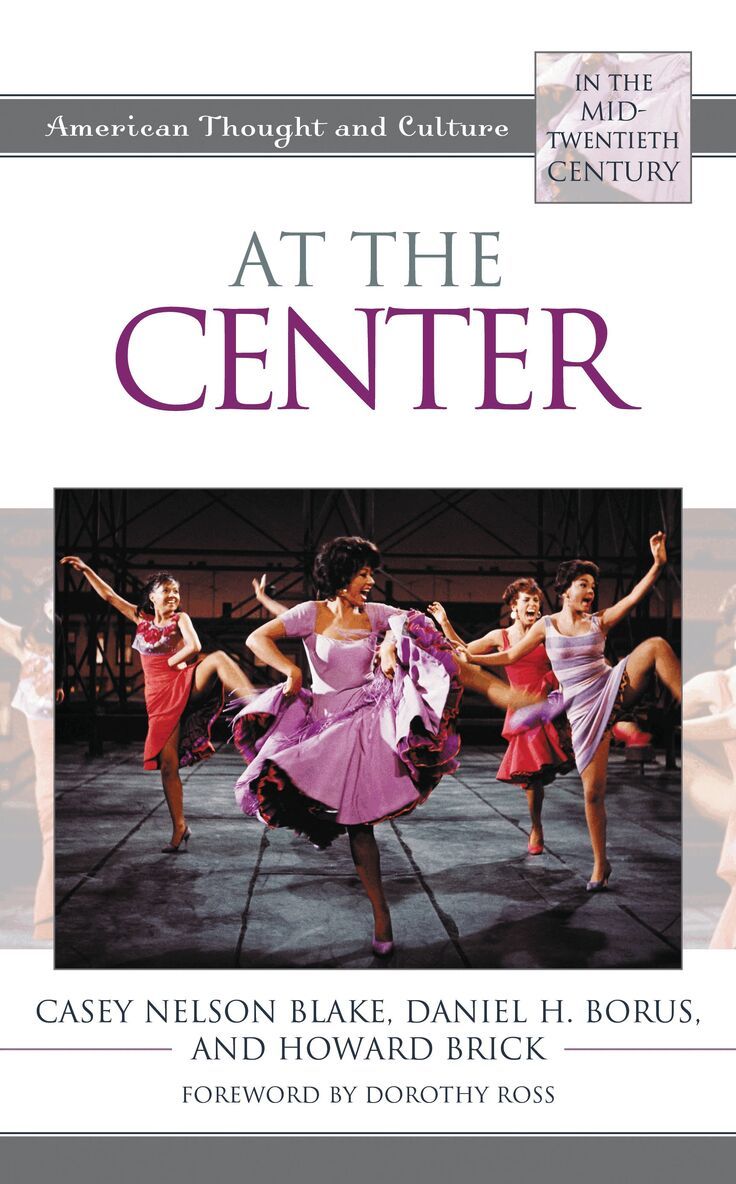
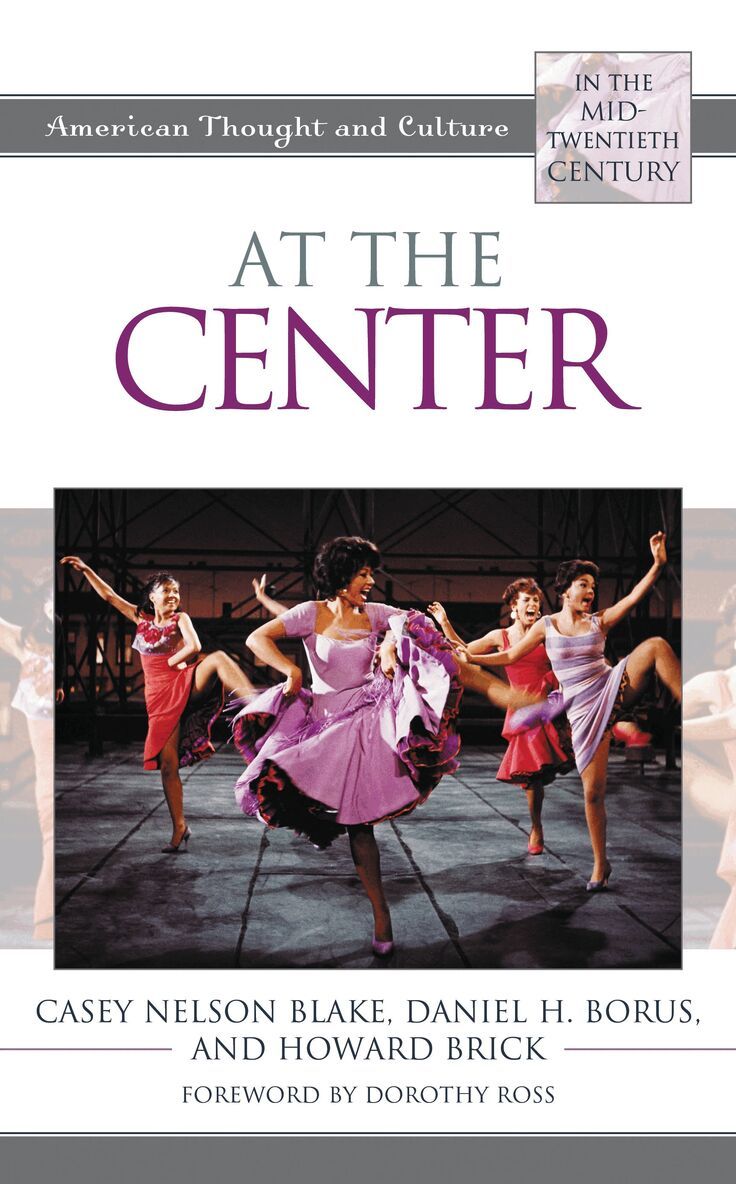
At a time when American political and cultural leaders asserted that the nation stood at “the center of world awareness,” thinkers and artists sought to understand and secure principles that lay at the center of things. From the onset of the Cold War in 1948 through 1963, they asked: What defined the essential character of “American culture”? Could permanent moral standards guide human conduct amid the flux and horrors of history? In what ways did a stable self emerge through the life cycle? Could scientific method rescue truth from error, illusion, and myth? Are there key elements to democracy, to the integrity of a society, to order in the world? Answers to such questions promised intellectual and moral stability in an age haunted by the memory of world war and the possibility of future devastation on an even greater scale. Yet other key figures rejected the search for a center, asserting that freedom lay in the dispersion of cultural energies and the plurality of American experiences. In probing the centering impulse of the era, At the Center offers a unique perspective on the United States at the pinnacle of its power.
544 kr
Skickas inom 10-15 vardagar
At a time when American political and cultural leaders asserted that the nation stood at “the center of world awareness,” thinkers and artists sought to understand and secure principles that lay at the center of things. From the onset of the Cold War in 1948 through 1963, they asked: What defined the essential character of “American culture”? Could permanent moral standards guide human conduct amid the flux and horrors of history? In what ways did a stable self emerge through the life cycle? Could scientific method rescue truth from error, illusion, and myth? Are there key elements to democracy, to the integrity of a society, to order in the world? Answers to such questions promised intellectual and moral stability in an age haunted by the memory of world war and the possibility of future devastation on an even greater scale. Yet other key figures rejected the search for a center, asserting that freedom lay in the dispersion of cultural energies and the plurality of American experiences. In probing the centering impulse of the era, At the Center offers a unique perspective on the United States at the pinnacle of its power.
499 kr
Skickas inom 5-8 vardagar
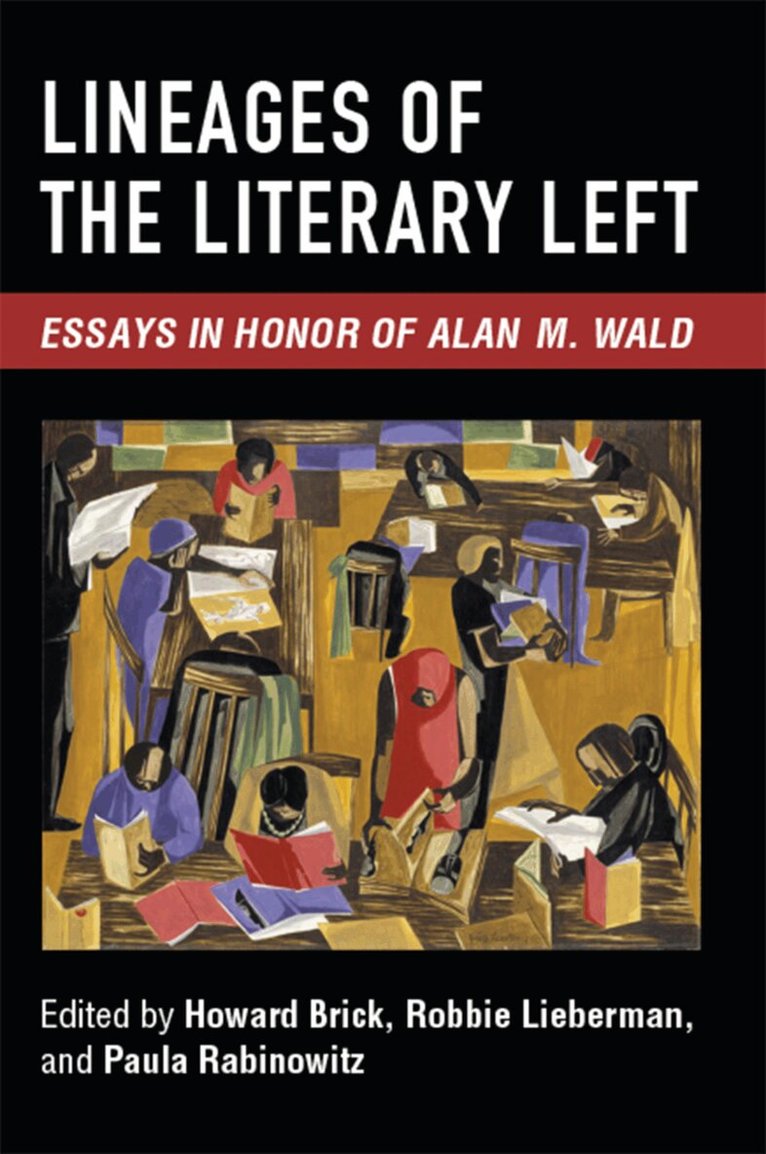
For nearly half a century, Alan M. Wald’s pathbreaking research has demonstrated that attention to the complex lived experiences of writers on the Left provides a new context for viewing major achievements as well as instructive minor ones in United States fiction, poetry, drama, and criticism. The essays in this volume in honor of Alan M. Wald investigate aspects of intellectual, literary, and cultural movements and figures associated with left-wing politics beginning in the early twentieth century and continuing into our own time. Intimately linked with social struggle, the thinkers and actors analyzed in these diverse essays can be collectively understood to form the intertwined lineages of the Literary Left.
405 kr
Skickas inom 7-10 vardagar
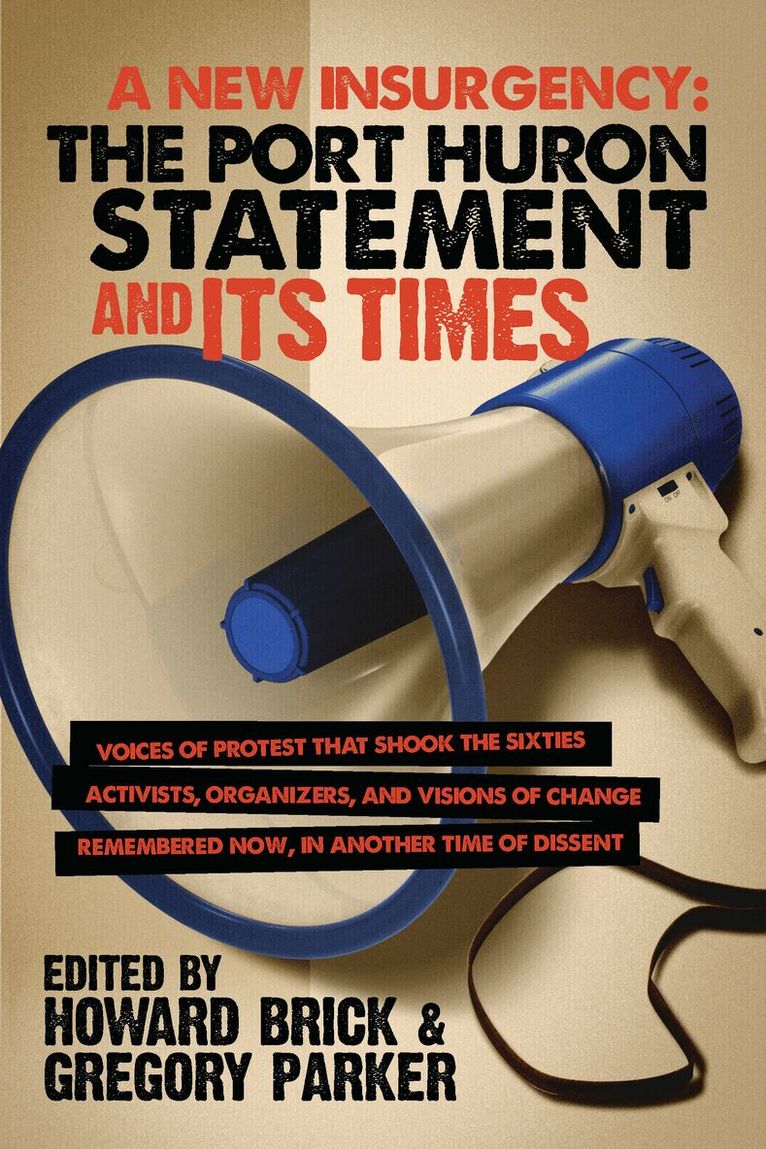
Students for a Democratic Society (SDS) was just one of several new insurgent movements for democracy and social justice during the late 1950s and early 1960s, and it must be understood in the context of other causes and organizations—in the United States and abroad—that inspired its founding manifesto, the Port Huron Statement. In A New Insurgency: The Port Huron Statement and Its Times, a diverse group of more than forty scholars and activists take a transnational approach in order to explore the different—though often interconnected—campaigns that mobilized people along varied racial, ethnic, gender, and regional dimensions from the birth of the New Left in the civil rights and pacifist agitation of the 1950s to the Occupy movements of today.This volume features three never-before-published “manifesto drafts” written by Tom Hayden in early 1962 that generated the discussion leading to the Port Huron meeting. Other highlights include recollections from leading women in the Port Huron deliberations who, three years later, protested the subordination of women within the radical movements, thus setting the stage for the rise of women’s liberation. A New Insurgency is based on the University of Michigan’s conference commemorating the fiftieth anniversary of the Port Huron Statement in 2012.“The fiftieth anniversary of the Port Huron Statement has drawn a great number of reflections and commemorations, but this carefully conceived volume offers an account of unrivaled ambition, exceptional breadth, and surprising insight. It both excavates the event itself—vividly, perceptively, exhaustively—and gives it the largest and most illuminating of contexts. A New Insurgency is as close to definitive as any volume of this kind can become.”—Geoff Eley, Karl Pohrt Distinguished University Professor of Contemporary History, University of Michigan