Howard Rambsy II – författare
Visar alla böcker från författaren Howard Rambsy II. Handla med fri frakt och snabb leverans.
9 produkter
9 produkter
415 kr
Skickas inom 7-10 vardagar
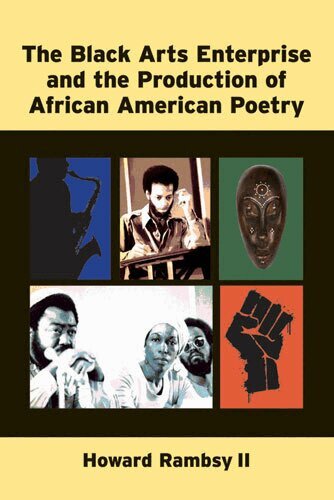
The outpouring of creative expression known as the Black Arts Movement of the 1960s and 1970s spawned a burgeoning number of black-owned cultural outlets, including publishing houses, performance spaces, and galleries. Central to the movement were its poets, who in concert with editors, visual artists, critics, and fellow writers published a wide range of black verse and advanced new theories and critical approaches for understanding African American literary art. The Black Arts Enterprise and the Production of African American Poetry offers a close examination of the literary culture in which BAM's poets (including Amiri Baraka, Nikki Giovanni, Sonia Sanchez, Larry Neal, Haki Madhubuti, Carolyn Rodgers, and others) operated and of the small presses and literary anthologies that first published the movement's authors. The book also describes the role of the Black Arts Movement in reintroducing readers to poets such as Langston Hughes, Robert Hayden, Margaret Walker, and Phillis Wheatley. Focusing on the material production of Black Arts poetry, the book combines genetic criticism with cultural history to shed new light on the period, its publishing culture, and the writing and editing practices of its participants. Howard Rambsy II demonstrates how significant circulation and format of black poetic texts—not simply their content—were to the formation of an artistic movement. The book goes on to examine other significant influences on the formation of Black Arts discourse, including such factors as an emerging nationalist ideology and figures such as John Coltrane and Malcolm X.
847 kr
Skickas inom 7-10 vardagar
The outpouring of creative expression known as the Black Arts Movement of the 1960s and 1970s spawned a burgeoning number of black-owned cultural outlets, including publishing houses, performance spaces, and galleries. Central to the movement were its poets, who in concert with editors, visual artists, critics, and fellow writers published a wide range of black verse and advanced new theories and critical approaches for understanding African American literary art. The Black Arts Enterprise and the Production of African American Poetry offers a close examination of the literary culture in which BAM's poets (including Amiri Baraka, Nikki Giovanni, Sonia Sanchez, Larry Neal, Haki Madhubuti, Carolyn Rodgers, and others) operated and of the small presses and literary anthologies that first published the movement's authors. The book also describes the role of the Black Arts Movement in reintroducing readers to poets such as Langston Hughes, Robert Hayden, Margaret Walker, and Phillis Wheatley. Focusing on the material production of Black Arts poetry, the book combines genetic criticism with cultural history to shed new light on the period, its publishing culture, and the writing and editing practices of its participants. Howard Rambsy II demonstrates how significant circulation and format of black poetic texts—not simply their content—were to the formation of an artistic movement. The book goes on to examine other significant influences on the formation of Black Arts discourse, including such factors as an emerging nationalist ideology and figures such as John Coltrane and Malcolm X.
854 kr
Skickas inom 10-15 vardagar
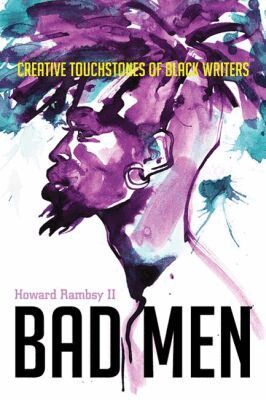
How have African American writers drawn on bad men and black boys as creative touchstones for their evocative and vibrant art? This is the question posed by Howard Rambsy's new book, which explores bad men as a central, recurring, and understudied figure in African American literature, and music. By focusing on how various iterations of the black bad man figure serve as creative muse and inspiration for literary production, Rambsy puts a wide variety of contemporary African American literary and cultural works in conversation with creativity research for the first time.Employing concepts such as playfulness, productivity, divergent thinking, and problem finding, Rambsy examines the works of a wide range of writers—including Elizabeth Alexander, Amiri Baraka, Paul Beatty, Ta-Nehisi Coates, Tyehimba Jess, Trymaine Lee, Adrian Matejka, Aaron McGruder, Evie Shockley, and Kevin Young—who have drawn on notions of bad black men and boys to create innovative and challenging works in a variety of genres. Through groundbreaking readings, Rambsy demonstrates the fruitfulness of viewing black literary art through the lens of the field of creativity research.
390 kr
Skickas
How have African American writers drawn on bad men and black boys as creative touchstones for their evocative and vibrant art? This is the question posed by Howard Rambsy's new book, which explores bad men as a central, recurring, and understudied figure in African American literature, and music. By focusing on how various iterations of the black bad man figure serve as creative muse and inspiration for literary production, Rambsy puts a wide variety of contemporary African American literary and cultural works in conversation with creativity research for the first time.Employing concepts such as playfulness, productivity, divergent thinking, and problem finding, Rambsy examines the works of a wide range of writers—including Elizabeth Alexander, Amiri Baraka, Paul Beatty, Ta-Nehisi Coates, Tyehimba Jess, Trymaine Lee, Adrian Matejka, Aaron McGruder, Evie Shockley, and Kevin Young—who have drawn on notions of bad black men and boys to create innovative and challenging works in a variety of genres. Through groundbreaking readings, Rambsy demonstrates the fruitfulness of viewing black literary art through the lens of the field of creativity research.
1 179 kr
Kommande
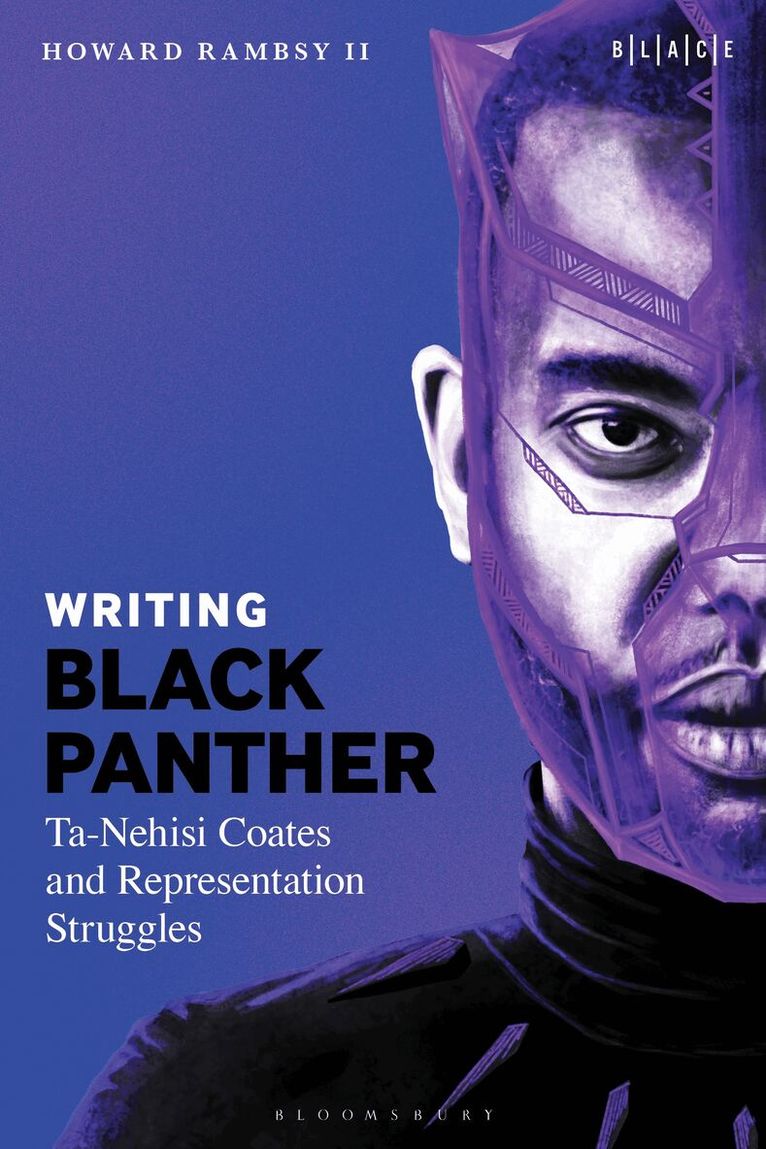
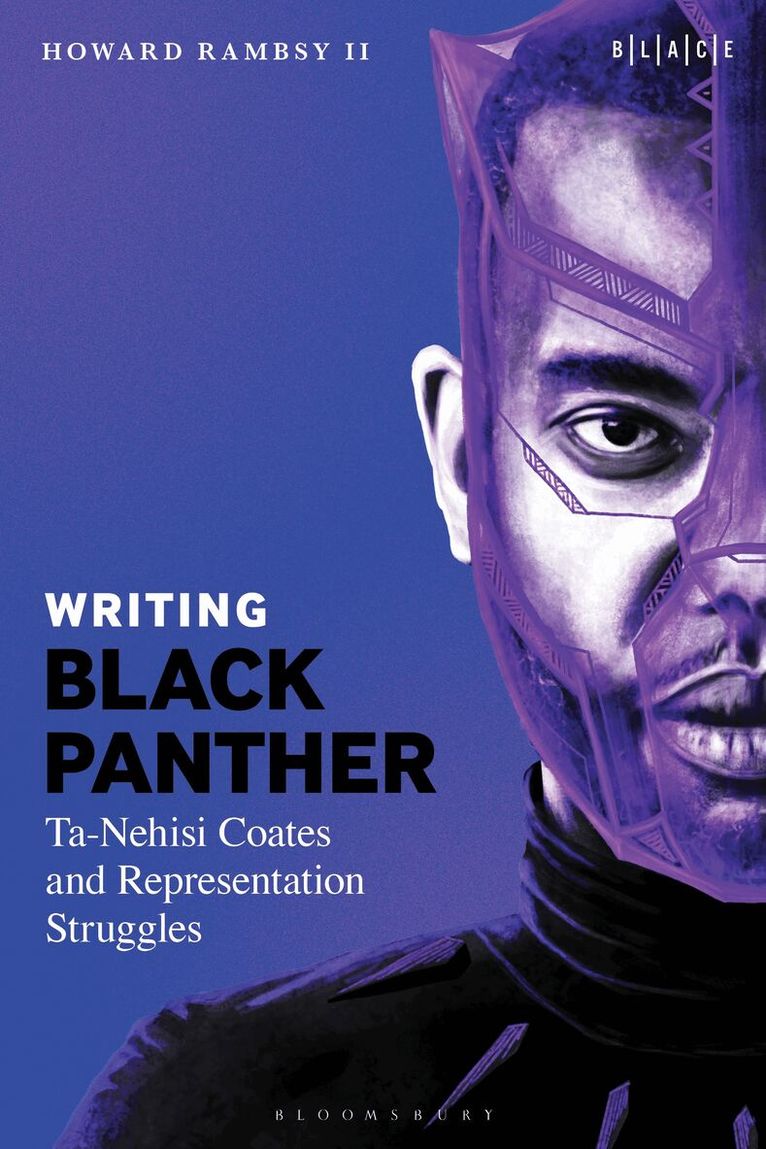
A timely look at contemporary African American creative works through the lens of Ta-Nehisi Coates's ground-breaking entry into the comic book industry. Writing Black Panther traces Ta-Nehisi Coates’s presence in comic books from 2015-2023, focusing on his contributions as the writer for Black Panther. His ambitious 50-issue run of the Marvel comic coincided with ongoing and multifaceted debates concerning diversity and inclusion – what we might call representation struggles – at a key moment in the history of comics with respect to Black writers. Howard Rambsy II locates Coates’s contributions at the intersection of African American literary studies and comic book studies, showing a dynamic convergence that redefines both fields and broadens the scope of Black creativity. Writing Black Panther demonstrates key aspects of Coates’s comics narratives that overlap with major themes and topics in African American literature. These include the depiction of multiple Black characters, exploration of intra-racial and interracial conflicts, excavations of Black histories, displays of Afrofuturist aesthetics, and attention to cultural geography. As a prominent essayist, bestselling author, and popular comic book writer, Coates stands out as a notable gateway figure who bridges multiple genres. His time as a comics writer constitutes an important, defining phase of his professional career. And as this book shows, Coates’s work on Black Panther went a long way to dispelling the myth that “diversity doesn’t sell” in the comic book industry.
824 kr
Kommande
A timely look at contemporary African American creative works through the lens of Ta-Nehisi Coates's ground-breaking entry into the comic book industry. Writing Black Panther traces Ta-Nehisi Coates’s presence in comic books from 2015-2023, focusing on his contributions as the writer for Black Panther. His ambitious 50-issue run of the Marvel comic coincided with ongoing and multifaceted debates concerning diversity and inclusion – what we might call representation struggles – at a key moment in the history of comics with respect to Black writers. Howard Rambsy II locates Coates’s contributions at the intersection of African American literary studies and comic book studies, showing a dynamic convergence that redefines both fields and broadens the scope of Black creativity. Writing Black Panther demonstrates key aspects of Coates’s comics narratives that overlap with major themes and topics in African American literature. These include the depiction of multiple Black characters, exploration of intra-racial and interracial conflicts, excavations of Black histories, displays of Afrofuturist aesthetics, and attention to cultural geography. As a prominent essayist, bestselling author, and popular comic book writer, Coates stands out as a notable gateway figure who bridges multiple genres. His time as a comics writer constitutes an important, defining phase of his professional career. And as this book shows, Coates’s work on Black Panther went a long way to dispelling the myth that “diversity doesn’t sell” in the comic book industry.
1 914 kr
Kommande
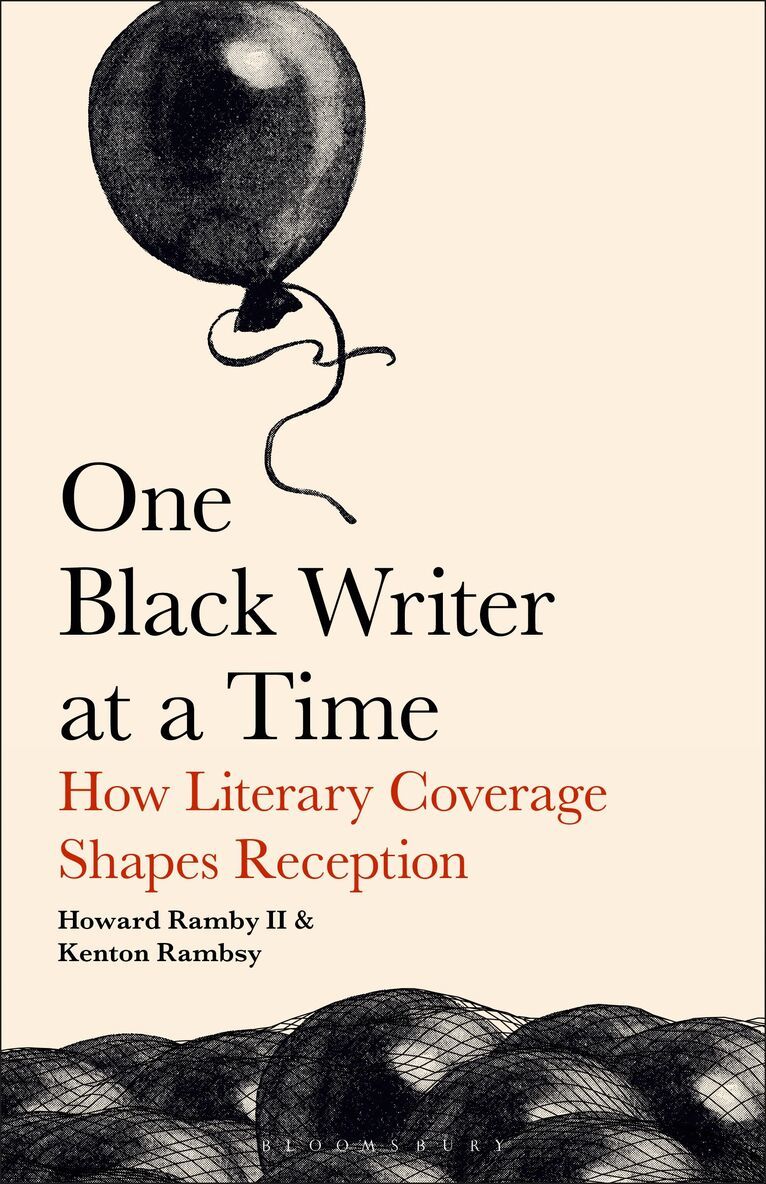
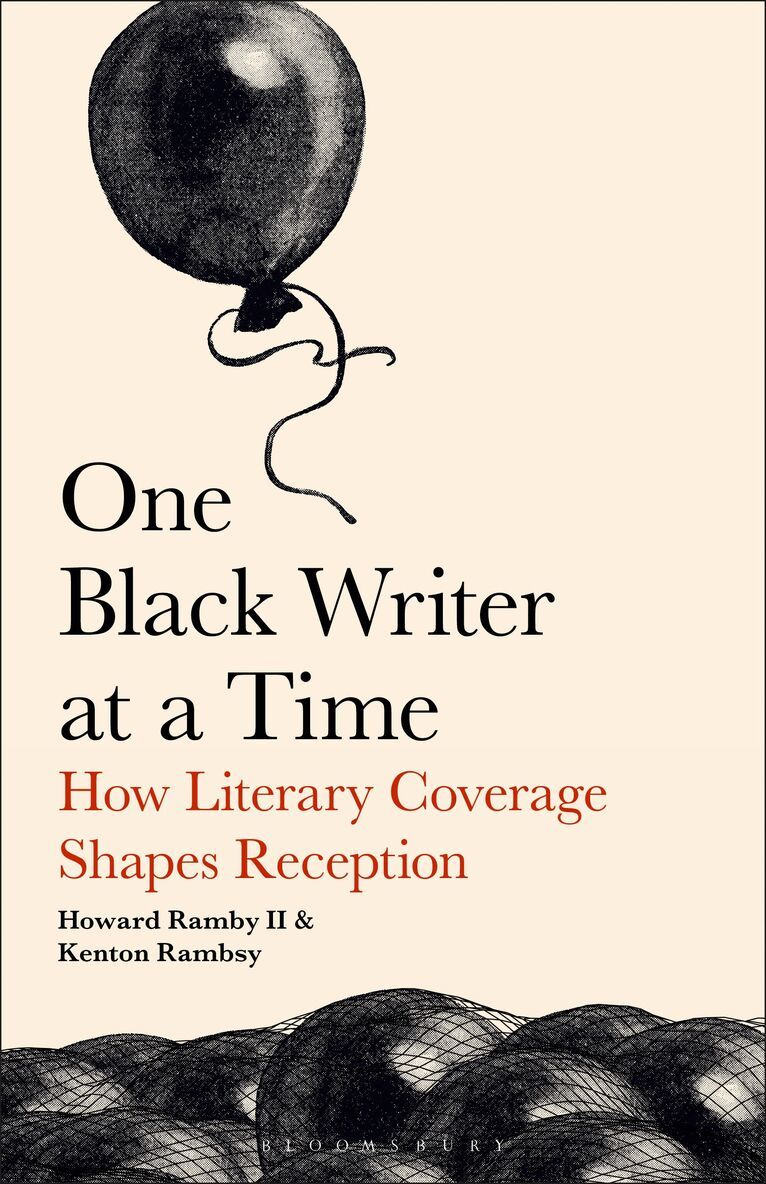
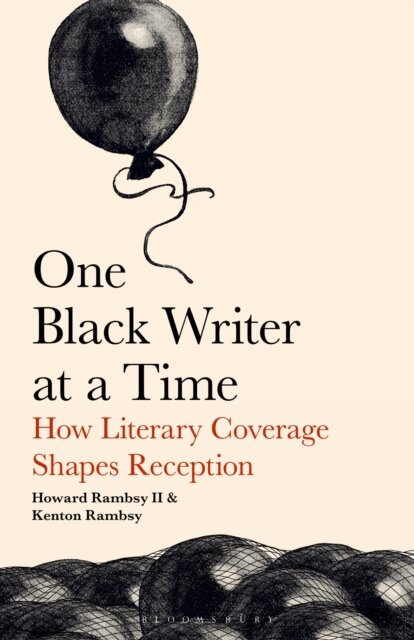
Explores the recurring pattern in media, academia, and publishing to elevate one Black writer at a time, often at the expense of hundreds of others whose works go underrecognized. Starting in the 1960s, African American writers and commentators began raising concerns that white media outlets consistently elevated only one Black writer at a time, thus limiting the broader success of multiple Black authors. Drawing on literary data work and analyzing sources like The New York Times, major anthologies, and scholarly publishing, One Black Writer at a Time finally quantifies this claim by mapping patterns of visibility disparity across genres, generations, and platforms.Exploring a dataset of 1,000 Black writers across multiple platforms, Howard and Kenton Rambsy chart the mentions, selections, and coverage of African American writers across the 20th and 21st centuries to demonstrate how the “one Black writer at a time” idea is supported by verifiable data. They trace the literary trajectories and receptions of Toni Morrison, Colson Whitehead, and Ta-Nehisi Coates, showing how disproportionate attention afforded to these writers reveals the systemic challenges Black writers face in gaining widespread and sustained recognition.At the intersections of African American literary studies and digital humanities, this book merges textual interpretations and computational methods, enabling new discoveries in the study of American literature. Ultimately, One Black Writer at a Time calls for more inclusive approaches to studying, curating, and teaching African American literature that account for the full breadth of Black literary production.
544 kr
Kommande
Explores the recurring pattern in media, academia, and publishing to elevate one Black writer at a time, often at the expense of hundreds of others whose works go underrecognized. Starting in the 1960s, African American writers and commentators began raising concerns that white media outlets consistently elevated only one Black writer at a time, thus limiting the broader success of multiple Black authors. Drawing on literary data work and analyzing sources like The New York Times, major anthologies, and scholarly publishing, One Black Writer at a Time finally quantifies this claim by mapping patterns of visibility disparity across genres, generations, and platforms.Exploring a dataset of 1,000 Black writers across multiple platforms, Howard and Kenton Rambsy chart the mentions, selections, and coverage of African American writers across the 20th and 21st centuries to demonstrate how the “one Black writer at a time” idea is supported by verifiable data. They trace the literary trajectories and receptions of Toni Morrison, Colson Whitehead, and Ta-Nehisi Coates, showing how disproportionate attention afforded to these writers reveals the systemic challenges Black writers face in gaining widespread and sustained recognition.At the intersections of African American literary studies and digital humanities, this book merges textual interpretations and computational methods, enabling new discoveries in the study of American literature. Ultimately, One Black Writer at a Time calls for more inclusive approaches to studying, curating, and teaching African American literature that account for the full breadth of Black literary production.
1 745 kr
Kommande
Draws on twenty years of firsthand teaching experience, student stories, and campus data to show how culturally grounded reading and discussion can support intellectual growth and improve college success for African American men.The Convergence tells the inside story of a first-semester literature course for Black men at Southern Illinois University Edwardsville, taught every fall since 2004. Drawing on twenty years of classroom practice, student voices, and campus data linking the course to higher persistence and graduation rates, the book shows how early, culturally grounded engagement with poetry, speeches, rap, fiction, and visual culture fosters deep reading and intellectual confidence. Across four chapters—on slavery and creativity, "verbal dazzle," fiction reading, and learning to love what we criticize—the book bridges humanities scholarship with insights from reading science and aesthetics (saliency, the aesthetic mindset) to explain how and why this model works. Written for scholars, teachers, advisors, and higher-ed leaders, it offers an adaptable playbook, readings, practices, and program design to support Black men from day one and revitalize student-centered pedagogy in African American literary studies.