Kenton Rambsy – författare
Visar alla böcker från författaren Kenton Rambsy. Handla med fri frakt och snabb leverans.
4 produkter
4 produkter
1 361 kr
Skickas inom 10-15 vardagar
Perhaps the brevity of short fiction accounts for the relatively scant attention devoted to it by scholars, who have historically concentrated on longer prose narratives. The Geographies of African American Short Fiction seeks to fill this gap by analyzing the ways African American short story writers plotted a diverse range of characters across multiple locations—small towns, a famous metropolis, city sidewalks, a rural wooded area, apartment buildings, a pond, a general store, a prison, and more. In the process, these writers highlighted the extents to which places and spaces shaped or situated racial representations. Presenting African American short story writers as cultural cartographers, author Kenton Rambsy documents the variety of geographical references within their short stories to show how these authors make cultural spaces integral to their artwork and inscribe their stories with layered and resonant social histories.The history of these short stories also documents the circulation of compositions across dozens of literary collections for nearly a century. Anthology editors solidified the significance of a core group of short story authors including James Baldwin, Toni Cade Bambara, Charles Chesnutt, Ralph Ellison, Zora Neale Hurston, and Richard Wright. Using quantitative information and an extensive literary dataset, The Geographies of African American Short Fiction explores how editorial practices shaped the canon of African American short fiction.
362 kr
Skickas inom 10-15 vardagar
Perhaps the brevity of short fiction accounts for the relatively scant attention devoted to it by scholars, who have historically concentrated on longer prose narratives. The Geographies of African American Short Fiction seeks to fill this gap by analyzing the ways African American short story writers plotted a diverse range of characters across multiple locations—small towns, a famous metropolis, city sidewalks, a rural wooded area, apartment buildings, a pond, a general store, a prison, and more. In the process, these writers highlighted the extents to which places and spaces shaped or situated racial representations. Presenting African American short story writers as cultural cartographers, author Kenton Rambsy documents the variety of geographical references within their short stories to show how these authors make cultural spaces integral to their artwork and inscribe their stories with layered and resonant social histories.The history of these short stories also documents the circulation of compositions across dozens of literary collections for nearly a century. Anthology editors solidified the significance of a core group of short story authors including James Baldwin, Toni Cade Bambara, Charles Chesnutt, Ralph Ellison, Zora Neale Hurston, and Richard Wright. Using quantitative information and an extensive literary dataset, The Geographies of African American Short Fiction explores how editorial practices shaped the canon of African American short fiction.
1 914 kr
Kommande
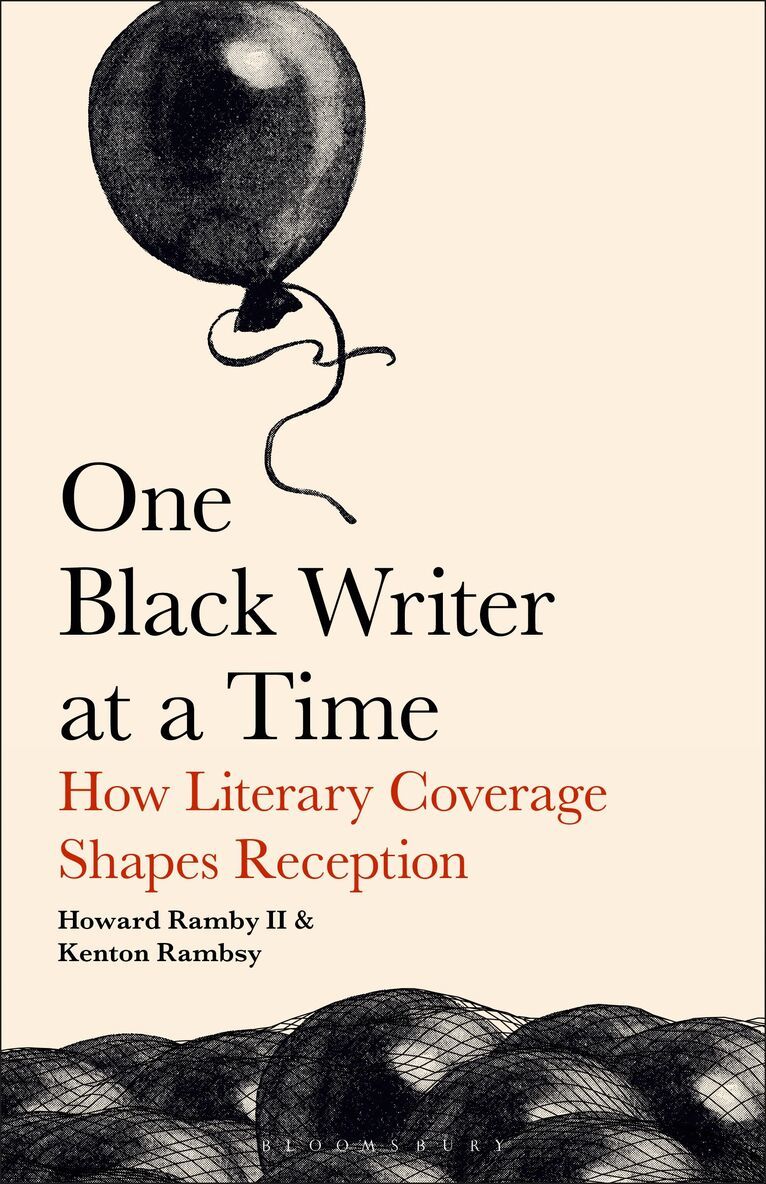
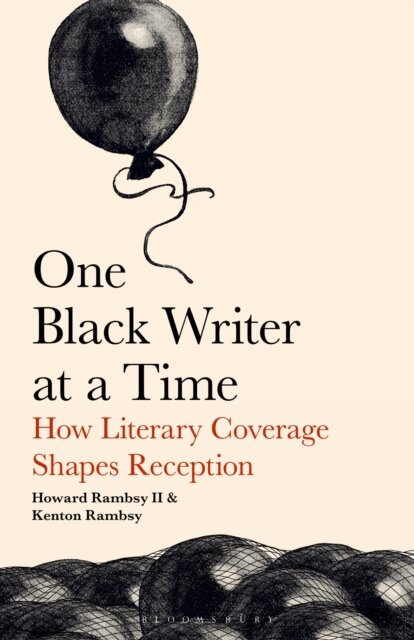
Explores the recurring pattern in media, academia, and publishing to elevate one Black writer at a time, often at the expense of hundreds of others whose works go underrecognized. Starting in the 1960s, African American writers and commentators began raising concerns that white media outlets consistently elevated only one Black writer at a time, thus limiting the broader success of multiple Black authors. Drawing on literary data work and analyzing sources like The New York Times, major anthologies, and scholarly publishing, One Black Writer at a Time finally quantifies this claim by mapping patterns of visibility disparity across genres, generations, and platforms.Exploring a dataset of 1,000 Black writers across multiple platforms, Howard and Kenton Rambsy chart the mentions, selections, and coverage of African American writers across the 20th and 21st centuries to demonstrate how the “one Black writer at a time” idea is supported by verifiable data. They trace the literary trajectories and receptions of Toni Morrison, Colson Whitehead, and Ta-Nehisi Coates, showing how disproportionate attention afforded to these writers reveals the systemic challenges Black writers face in gaining widespread and sustained recognition.At the intersections of African American literary studies and digital humanities, this book merges textual interpretations and computational methods, enabling new discoveries in the study of American literature. Ultimately, One Black Writer at a Time calls for more inclusive approaches to studying, curating, and teaching African American literature that account for the full breadth of Black literary production.
544 kr
Kommande
Explores the recurring pattern in media, academia, and publishing to elevate one Black writer at a time, often at the expense of hundreds of others whose works go underrecognized. Starting in the 1960s, African American writers and commentators began raising concerns that white media outlets consistently elevated only one Black writer at a time, thus limiting the broader success of multiple Black authors. Drawing on literary data work and analyzing sources like The New York Times, major anthologies, and scholarly publishing, One Black Writer at a Time finally quantifies this claim by mapping patterns of visibility disparity across genres, generations, and platforms.Exploring a dataset of 1,000 Black writers across multiple platforms, Howard and Kenton Rambsy chart the mentions, selections, and coverage of African American writers across the 20th and 21st centuries to demonstrate how the “one Black writer at a time” idea is supported by verifiable data. They trace the literary trajectories and receptions of Toni Morrison, Colson Whitehead, and Ta-Nehisi Coates, showing how disproportionate attention afforded to these writers reveals the systemic challenges Black writers face in gaining widespread and sustained recognition.At the intersections of African American literary studies and digital humanities, this book merges textual interpretations and computational methods, enabling new discoveries in the study of American literature. Ultimately, One Black Writer at a Time calls for more inclusive approaches to studying, curating, and teaching African American literature that account for the full breadth of Black literary production.