Huaiyu Chen – författare
Visar alla böcker från författaren Huaiyu Chen. Handla med fri frakt och snabb leverans.
12 produkter
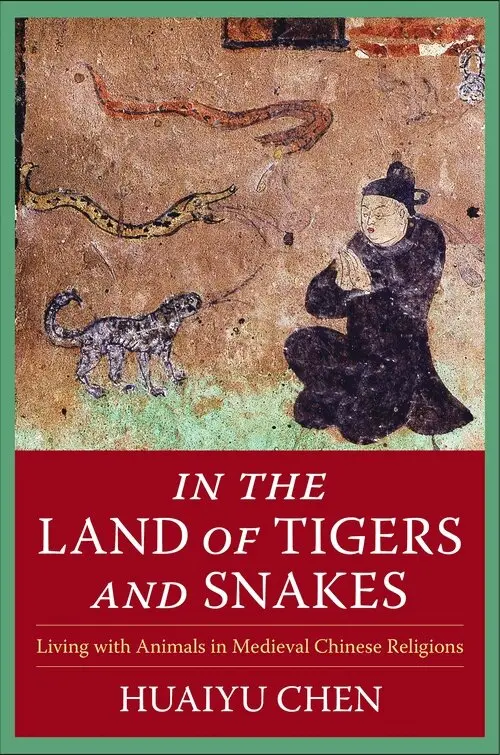
In the Land of Tigers and Snakes
Living with Animals in Medieval Chinese Religions
Av Huaiyu Chen
Inbunden, 2023
1197 kr
Lägg i varukorg
Animals play crucial roles in Buddhist thought and practice. However, many symbolically or culturally significant animals found in India, where Buddhism originated, do not inhabit China, to which Buddhism spread in the medieval period. In order to adapt Buddhist ideas and imagery to the Chinese …
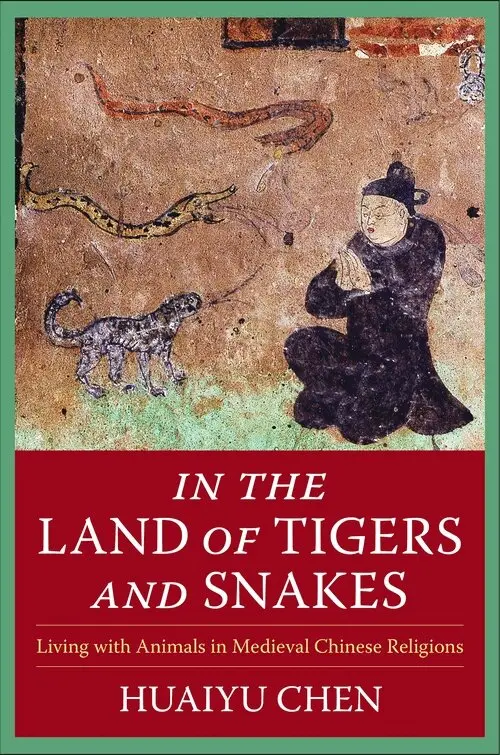
In the Land of Tigers and Snakes
Living with Animals in Medieval Chinese Religions
Av Huaiyu Chen
Häftad, 2023
304 kr
Lägg i varukorg
Animals play crucial roles in Buddhist thought and practice. However, many symbolically or culturally significant animals found in India, where Buddhism originated, do not inhabit China, to which Buddhism spread in the medieval period. In order to adapt Buddhist ideas and imagery to the Chinese …
Revival of Buddhist Monasticism in Medieval China
Av Huaiyu Chen
Inbunden, 2006
1225 kr
Lägg i varukorg
This is the first book in any language offering a comprehensive study that places Daoxuan (596-667), one of the most important scholarly monks, in the context of medieval Chinese Buddhist history. In presenting a fresh image of medieval monastic life of Chinese Buddhism, it focuses on several key …
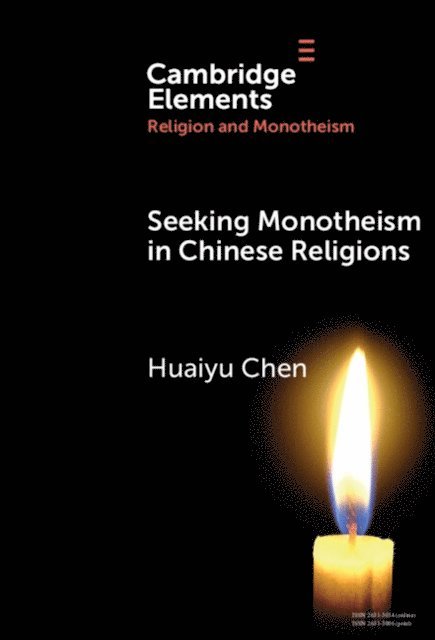
Seeking Monotheism in Chinese Religions
Av Huaiyu Chen
Häftad, 2025
302 kr
Lägg i varukorg
In the nineteenth and early twentieth centuries, numerous Western missionaries were involved in debating the existence of God in various religious texts and practices in ancient China. Drawing on both the rising philological scholarship in Europe and their own field experience in China, the Western …
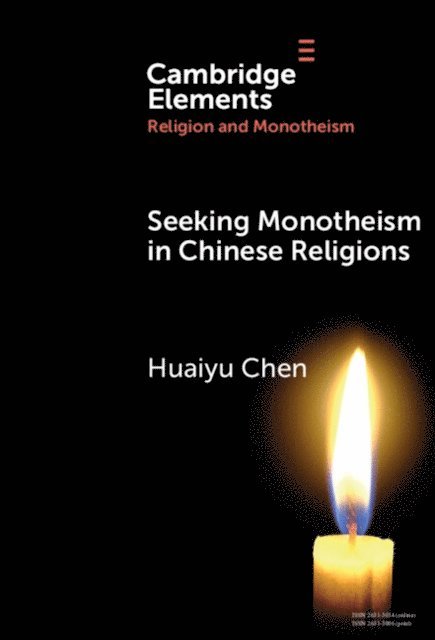
Seeking Monotheism in Chinese Religions
Av Huaiyu Chen
Inbunden, 2025
892 kr
Lägg i varukorg
In the nineteenth and early twentieth centuries, numerous Western missionaries were involved in debating the existence of God in various religious texts and practices in ancient China. Drawing on both the rising philological scholarship in Europe and their own field experience in China, the Western …
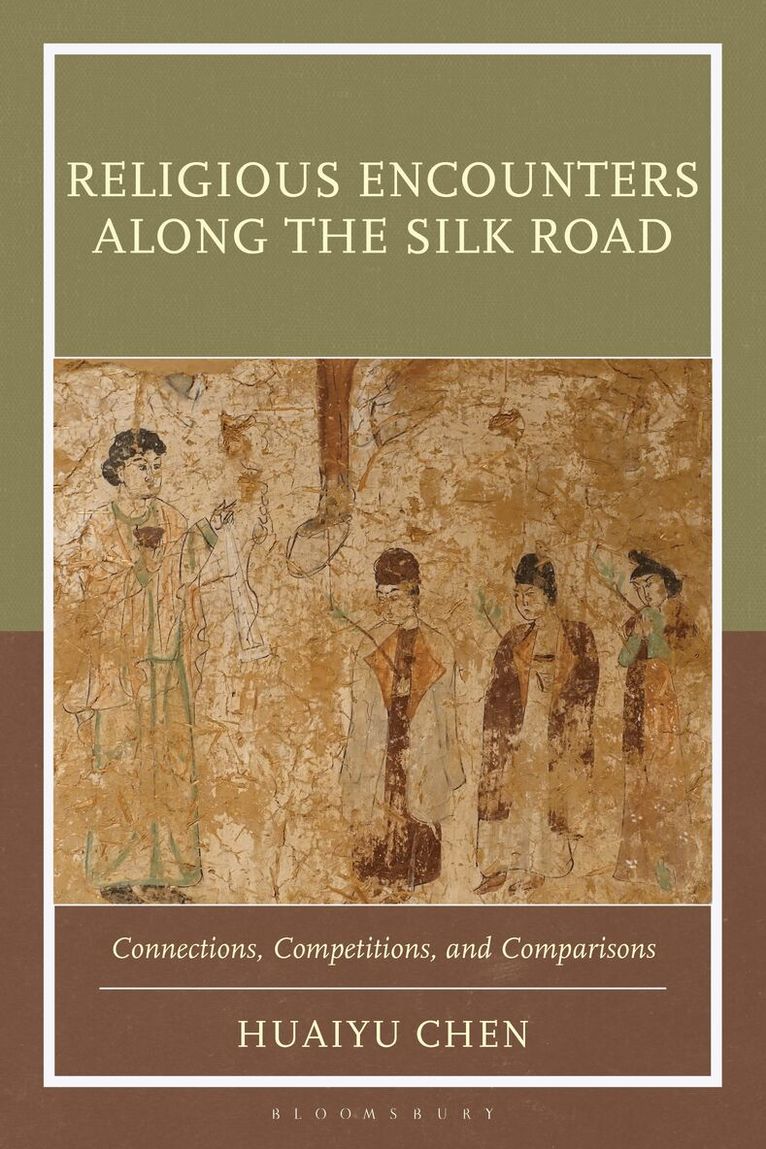
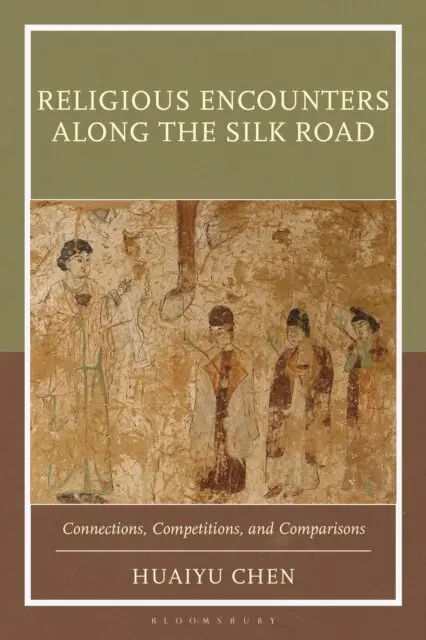
Religious Encounters along the Silk Road
Connections, Competitions, and Comparisons
Av Huaiyu Chen
Inbunden, 2026
1207 kr
Lägg i varukorg
Religious Encounters along the Silk Road draws on a diverse range of sources to examine the connections, rivalries, and interactions among Buddhism, Christianity, and Daoism along the Silk Road during the medieval era. This book analyzes these dynamics from political, textual, ritual, and ethnic …
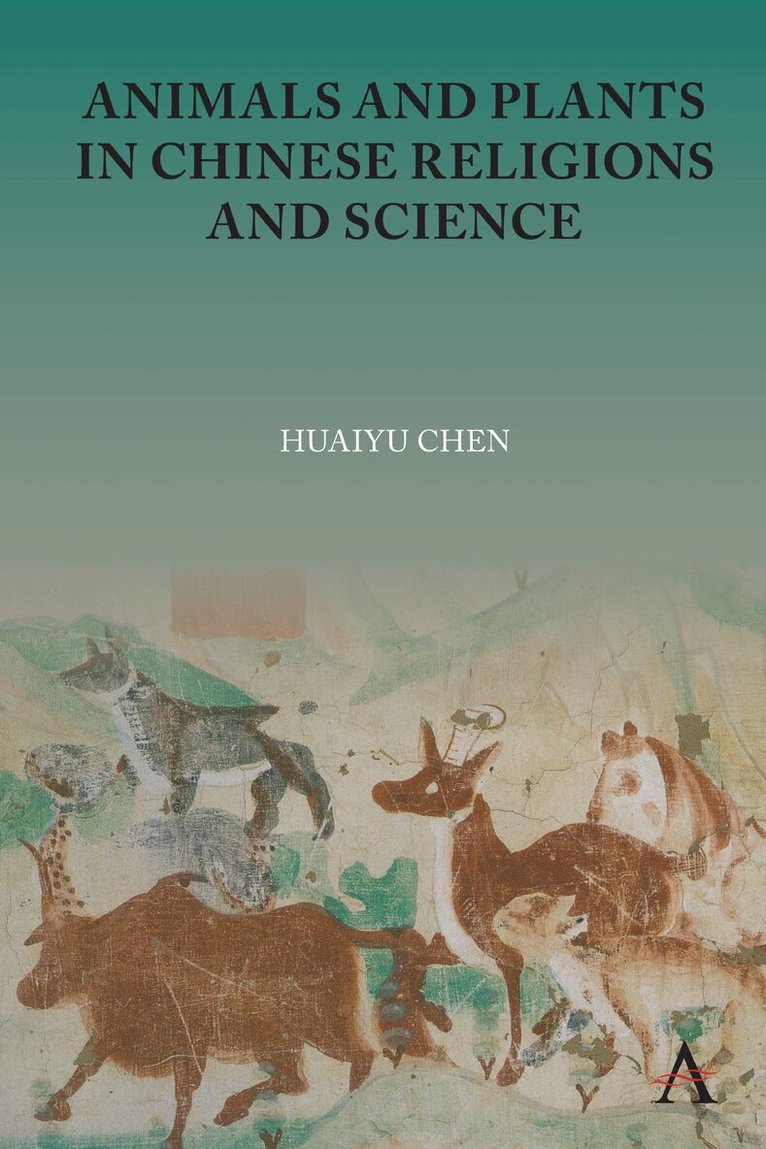
Animals and Plants in Chinese Religions and Science
Av Huaiyu Chen
Inbunden, 2023
1318 kr
Lägg i varukorg
This book is a unique transdisciplinary study on animals and plants in medieval Chinese religions and science, especially in such a critical era of environmental crisis today. In recent years, environment historians have written intensively on China, yet the study of animals and plants in medieval …
Religious Encounters along the Silk Road
Connections, Competitions, and Comparisons
Av Huaiyu Chen
E-bok, 2025
1325 kr
Lägg i varukorg
Religious Encounters along the Silk Road draws on a diverse range of sources to examine the connections, rivalries, and interactions among Buddhism, Christianity, and Daoism along the Silk Road during the medieval era. This book analyzes these dynamics from political, textual, ritual, and ethnic …
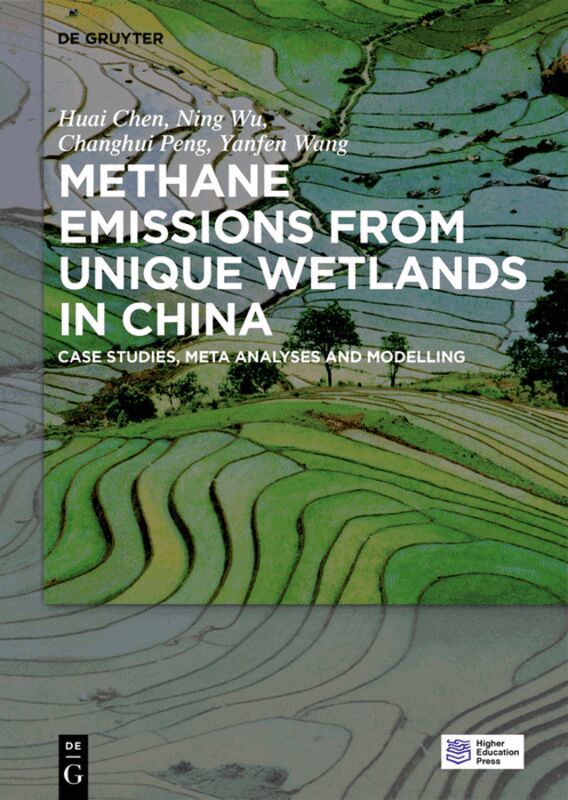
Methane Emissions from Unique Wetlands in China
Case Studies, Meta Analyses and Modelling
Av Huaiyu Chen, Ning Wu m. fl.
Inbunden, 2015
2842 kr
Lägg i varukorg
Methane Emissions from Unique Wetlands in China: Case Studies, Meta Analyses and Modelling is a landmark volume in the development of studies about methane emission from wetlands. Although there are books about methane emissions from rice paddies, natural wetlands and reservoirs, this book is the …
Religious Encounters along the Silk Road
Connections, Competitions, and Comparisons
Av Huaiyu Chen
Häftad, 2027
412 kr
Kommande
Religious Encounters along the Silk Road draws on a diverse range of sources to examine the connections, rivalries, and interactions among Buddhism, Christianity, and Daoism along the Silk Road during the medieval era. This book analyzes these dynamics from political, textual, ritual, and ethnic …