Hugh A. Dempsey - Böcker
Visar alla böcker från författaren Hugh A. Dempsey. Handla med fri frakt och snabb leverans.
5 produkter
5 produkter
127 kr
Skickas inom 10-15 vardagar
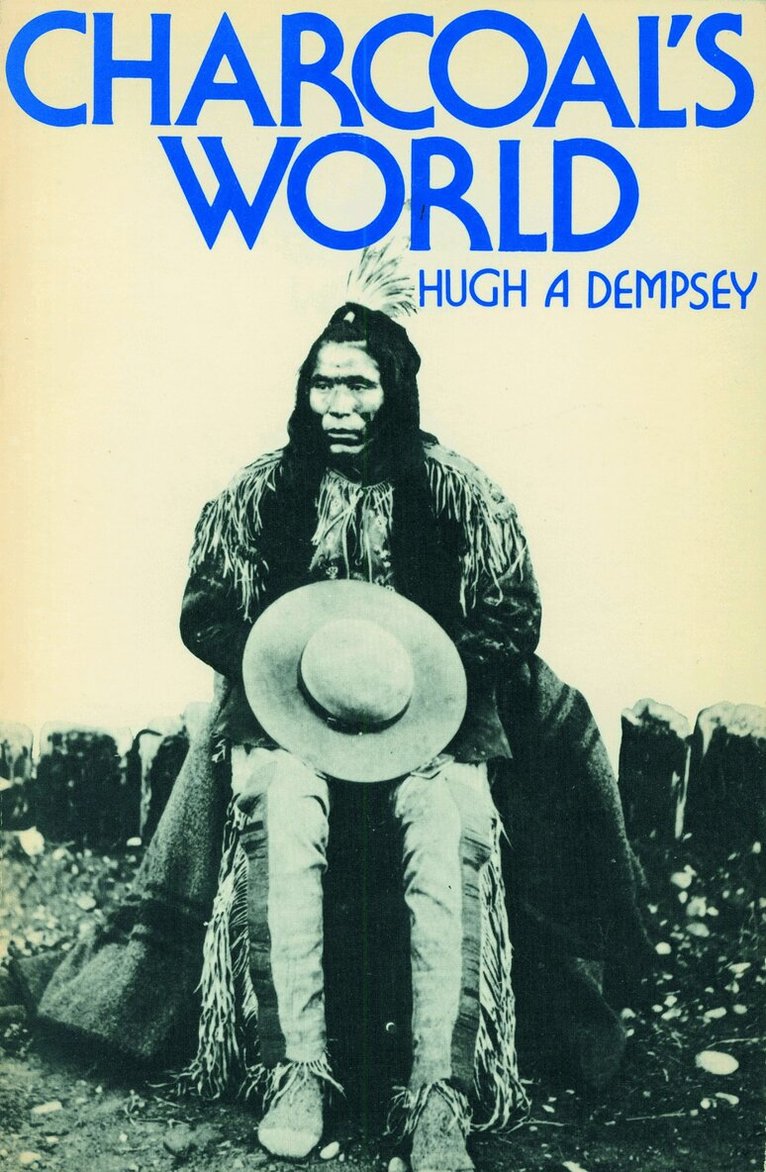
Charcoal's World was bounded by the mountains, hills, and plains of southwestern Alberta. That was the homeland of his people, the Blood Indians, but Charcoal was not free to enjoy it as his ancestors had. For millennia, they had lived each day in the company of spirits, and even with the coming of the white man that much did not change. Major Samuel Benfield Steele of the North West Mounted Police did not know about the Indian spirit world and would not have cared to learn. In 1896 when Charcoal killed a man and made attempts on others, Steele saw him as a common murderer and vowed to chase him down.The tale of Charcoal is well known among the Indians of southern Alberta. Their stories of his exploits agree in many ways with the official reports of the North West Mounted Police, but the two sources conflict in the reasons for the success of Charcoal and his eventual downfall. Hugh A. Dempsey has spent twenty-five years researching the material on Charcoal; he has studied the government records and spoken with the elders and historians of the Blood Reserve. The result is Charcoal's World, giving us the Indian side of this remarkable story of Indian-white confrontation.
208 kr
Skickas inom 5-8 vardagar
208 kr
Skickas inom 5-8 vardagar
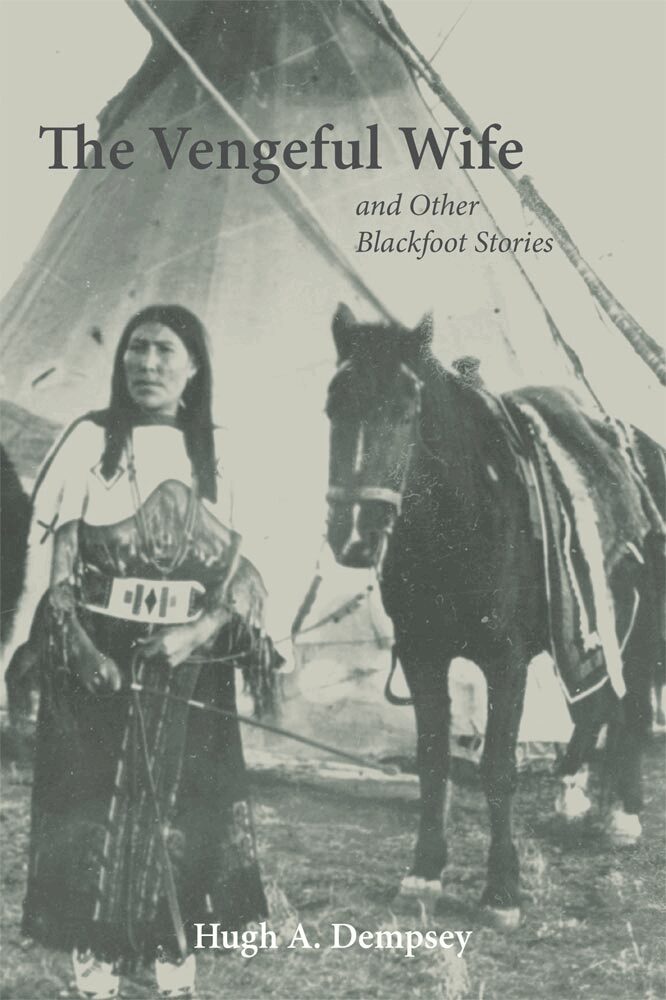
The Vengeful Wife and Other Blackfoot Stories by historian Hugh A. Dempsey presents tales from the Blackfoot tribe of the plains of northern Montana and southern Alberta. Drawn from Dempsey's fifty years of interviewing tribal elders and sifting through archives, the stories are about warfare, hunting, ceremonies, sexuality, the supernatural, and captivity, and they reflect the Blackfoot worldview and beliefs.This remarkable compilation of oral history and accounts from government officials, travelers, and fur traders preserves stories dating from the late 1700s to the early 1900s. ""The importance of oral history,"" Dempsey writes, ""is reflected in the fact that the majority of these stories would never have survived had they not been preserved orally from generation to generation.""
764 kr
Skickas inom 10-15 vardagar
In this book, the compilers have brought together more than 1,800 references to literature relating to the Blackfoot. About one third of the citations are annotated, and an author index and a general index simplify the utilization of this valuable resource tool.
390 kr
Skickas inom 10-15 vardagar
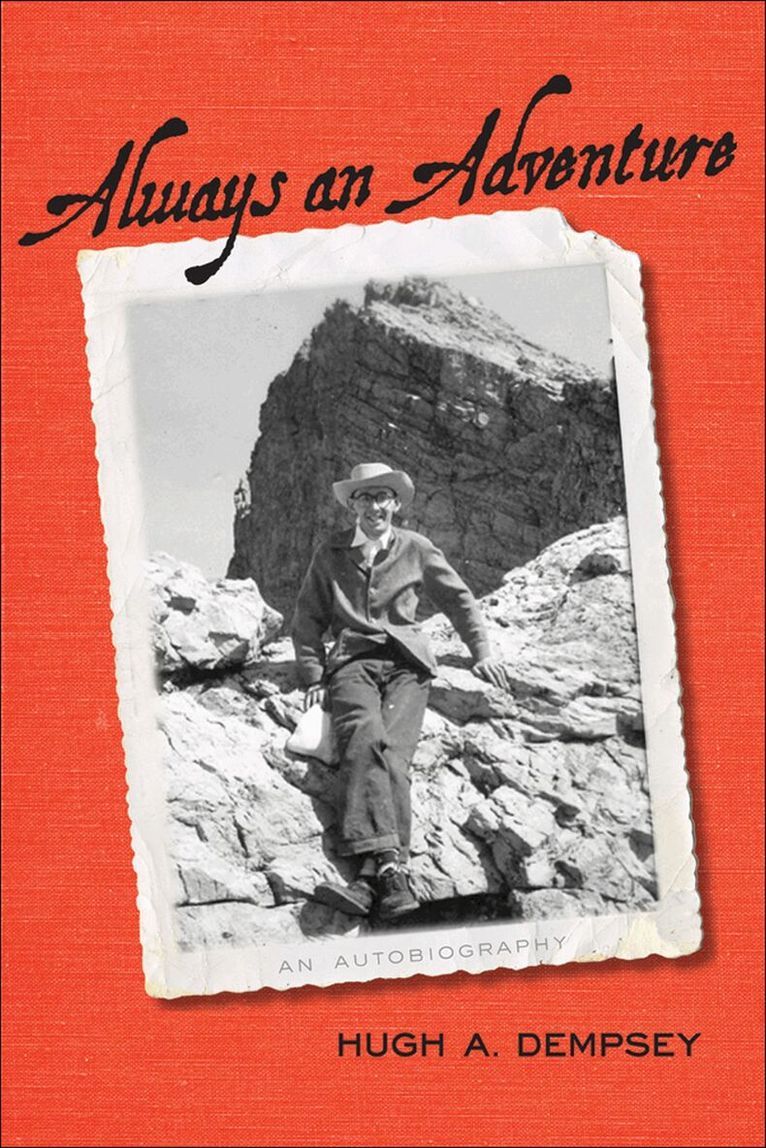
Hugh Dempsey has for decades been one of Alberta's most prolific and influential public historians. Author of more than twenty books, he has also been ""on the ground floor"" of the development of many key Alberta institutions, including the Indian Association of Alberta, the Historical Society of Alberta, and most importantly, the Glenbow Museum. Now, in his own words, he recounts his interesting and varied careers as journalist, government publicity writer, popular historian, archivist and museum administrator, speaker, and lecturer.Beginning with a compelling account of his childhood in Edmonton in the 1930s - when his family was for a time on relief during the Depression - and his 1940s teenage escapades hitchhiking across the continent, Dempsey's narrative moves into the frenetic world of post-war urban journalism. A fateful chance assignment as a reporter for the Edmonton Bulletin in February 1950 led to his involvement with the fledgling Indian Association of Alberta, its secretary John Laurie, president James Gladstone, and Gladstone's daughter Pauline, whom Dempsey would eventually marry. This in turn led to a strong interest in Indigenous culture and biography through which Dempsey was able to combine oral history with scholarly records to produce historical writing with a broad popular appeal.During the 1950s, Dempsey helped design early provincial historical recognition programs and began his lifelong involvement with the Historical Society of Alberta. In 1956 he joined the Glenbow Foundation (later Glenbow Museum), where for the next thirty-five years he would play a crucial part in its growth and reputation for excellence, designing and managing the Glenbow Archives and eventually serving as Acting Director of the Museum before retiring in 1991. Written with the trademark Hugh Dempsey eye for detail and lively anecdote, this memoir will be essential and enjoyable reading for anyone interested in Western and Indigenous history and the growth of key Alberta cultural institutions.