Hugh Davis Graham – författare
Visar alla böcker från författaren Hugh Davis Graham. Handla med fri frakt och snabb leverans.
9 produkter
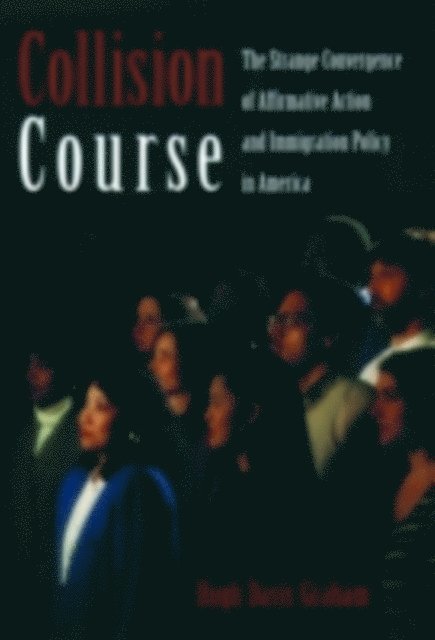
Collision Course
The Strange Convergence of Affirmative Action and Immigration Policy in America
E-bok, 2002
126 kr
Lägg i varukorg
When the Civil Rights Act of 1964 and the Immigration and Naturalization Act of 1965 were passed, they were seen as triumphs of liberal reform applauded by the majority of Americans. But today, as Hugh Graham shows in Collision Course , affirmative action is foundering in the great waves of …
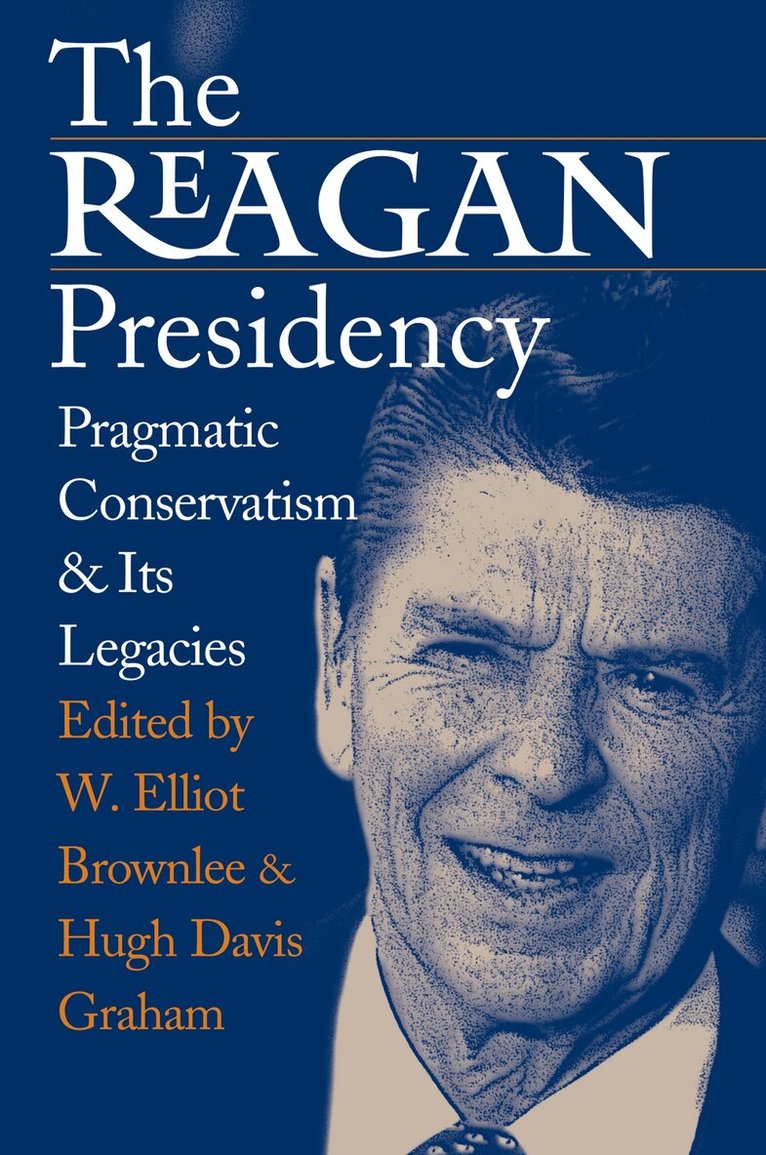
Reagan Presidency
Pragmatic Conservatism and Its Legacies
Av W.Elliot Brownlee, Hugh Davis Graham
Inbunden, 2003
705 kr
Lägg i varukorg
Some call him the ""great communicator"" and many even credit him with ending the Cold War. Others even consider him the greatest president since Roosevelt. Ronald Reagan claimed several distinctions as 40th president, but he will be most remembered by admirers and critics alike for his lasting …
Uncertain Triumph
Federal Education Policy in the Kennedy and Johnson Years
E-bok, 2011
402 kr
Lägg i varukorg
Using the Kennedy and Johnson archives to analyze the evolution of educational policy from the perspective of the executive branch, Graham finds that the central theme was executive planning through presidential task forces. Mission agencies, clientele groups, and congressional committees produced …
Uncertain Triumph
Federal Education Policy in the Kennedy and Johnson Years
Häftad, 2011
558 kr
Lägg i varukorg
Using the Kennedy and Johnson archives to analyze the evolution of educational policy from the perspective of the executive branch, Graham finds that the central theme was executive planning through presidential task forces. Mission agencies, clientele groups, and congressional committees produced …
Southern Politics and the Second Reconstruction
Av Numan Bartley, Hugh Davis Graham
Häftad, 2020
571 kr
Lägg i varukorg
Originally published in 1975. This is a history of southern political life since the New Deal and World War II, encompassing a crucial epoch: an attempted Second Reconstruction of the South. The authors focus on the electoral response to candidates and issues. The authors contend that, despite the …
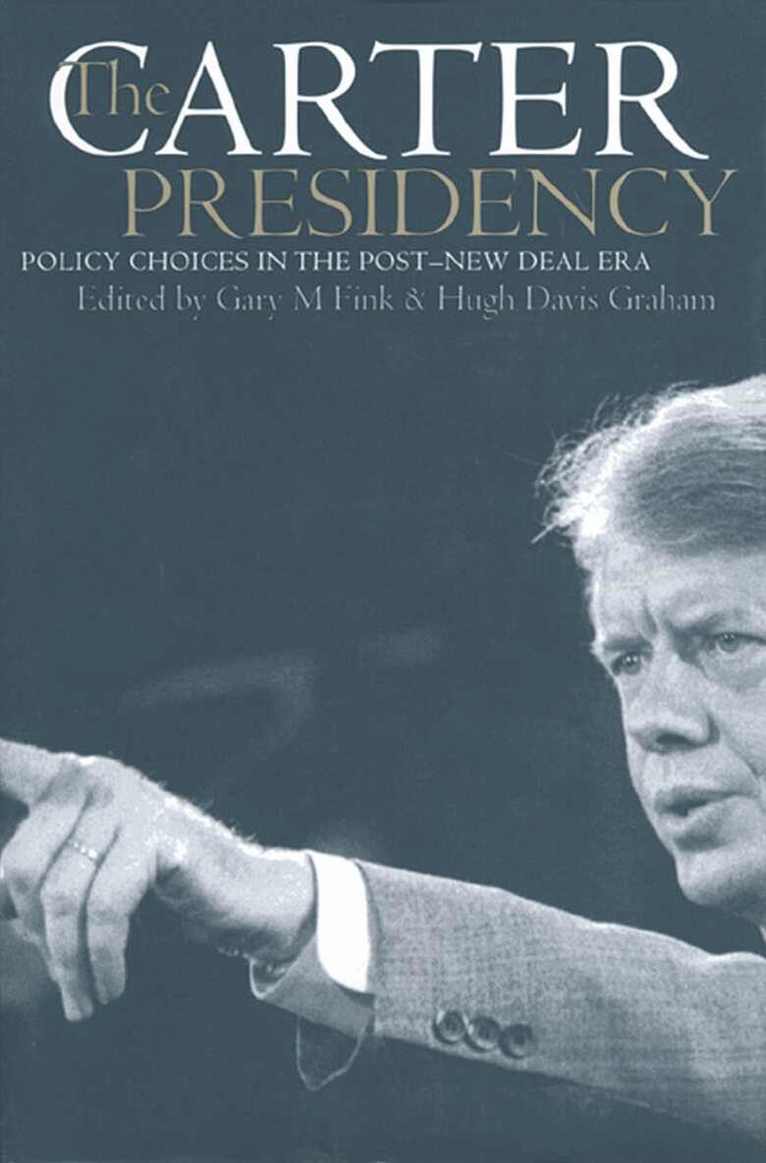
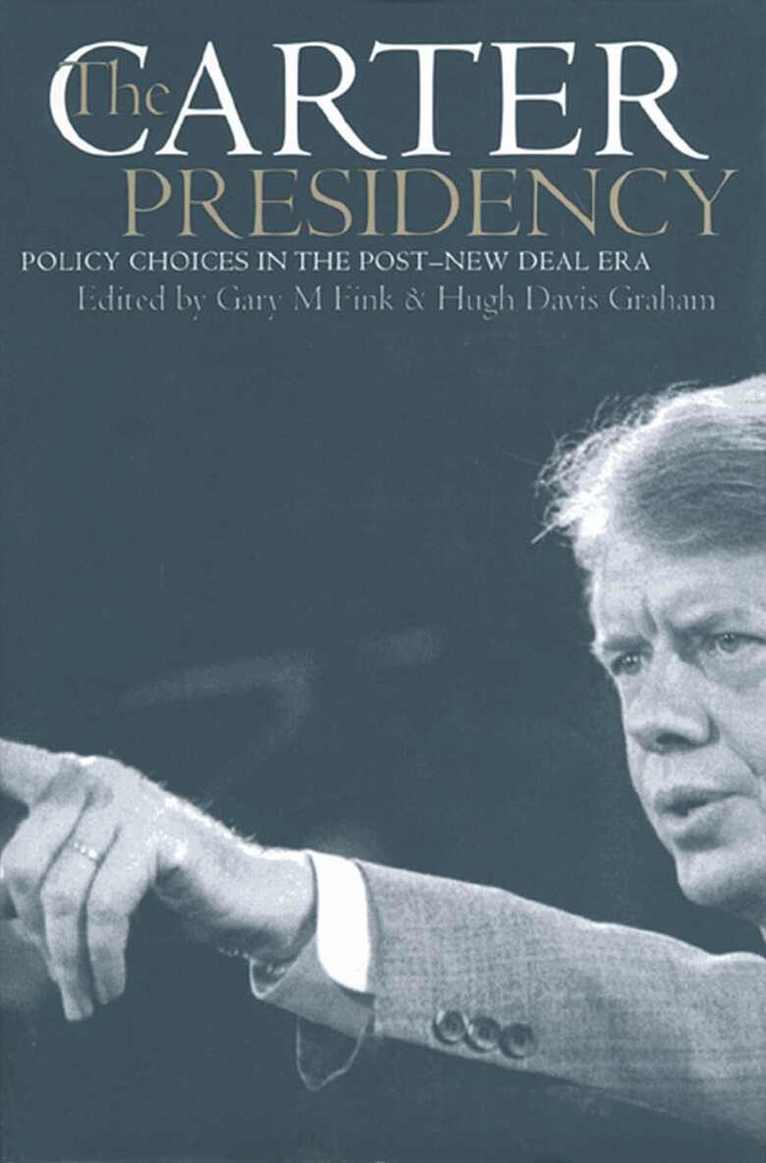
Carter Presidency
Policy Choices in the Post-New Deal Era
Av Gary M. Fink, Hugh Davis Graham
Inbunden, 1998
1195 kr
Tillfälligt slut
This text provides an overview of Carter's presidency, examining his administration within the context of evolving American policy choices. It demonstrates Carter's dilemma in his efforts to steer a course between traditional expectations of federal government and political and economic realities.
Carter Presidency
Policy Choices in the Post-New Deal Era
Av Gary M. Fink, Hugh Davis Graham
Häftad, 1998
425 kr
Tillfälligt slut
After the Nixon and Ford administrations, liberal Democrats hoped Jimmy Carter's election in 1976 would restore the New Deal agenda in the White House. Instead, during four tumultuous years in office, Carter endorsed many of the fiscal and economic policies later espoused by his Republican …
Rise of American Research Universities
Elites and Challengers in the Postwar Era
Av Hugh Davis Graham, Nancy Diamond
Inbunden, 1997
469 kr
Tillfälligt slut
Before the Second World War, few universities in the United States had earned high respect among the international community of scholars and scientists. Since 1945, however, the distinctive attributes of American higher education-decentralized administration, pluralistic and research-minded …
Rise of American Research Universities
Elites and Challengers in the Postwar Era
Av Hugh Davis Graham, Nancy Diamond
Häftad, 2004
298 kr
Tillfälligt slut
Before the Second World War, few universities in the United States had earned high respect among the international community of scholars and scientists. Since 1945, however, the distinctive attributes of American higher education-decentralized administration, pluralistic and research-minded …