
Hugh Llewelyn – författare
Visar alla böcker från författaren Hugh Llewelyn. Handla med fri frakt och snabb leverans.
4 produkter
4 produkter
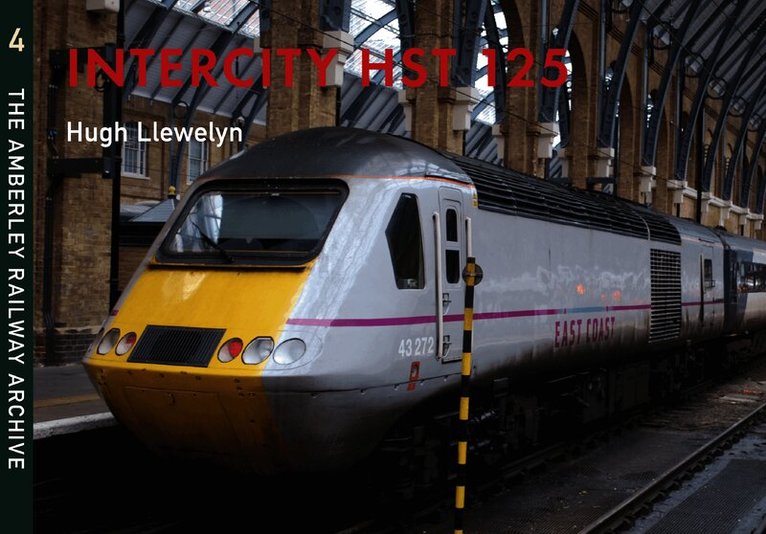
Del 4 - The Amberley Railway Archive
Intercity HST 125
The Amberley Railway Archive Volume 4
Häftad, Engelska, 2014
221 kr
Tillfälligt slut
The sleek lines of the HST 125 High Speed Train represent a massive stride in British locomotive design in the latter part of the twentieth century. With two power cars the HST – otherwise known as the British Rail Class 43 – has a top speed of 125 mph, making it the fastest diesel-powered train in the world at the time of its introduction. Although nearing the end of its service life, recent refurbishments will give the HST another ten years in mainline service.The story of the HST is a rare example of British design success. Developed in the 1970s at a time when the railways were in desperate need of modernization, it filled the gap left by the failure of the infamous APT tilting train to become the mainstay of highspeed rail travel for several decades.
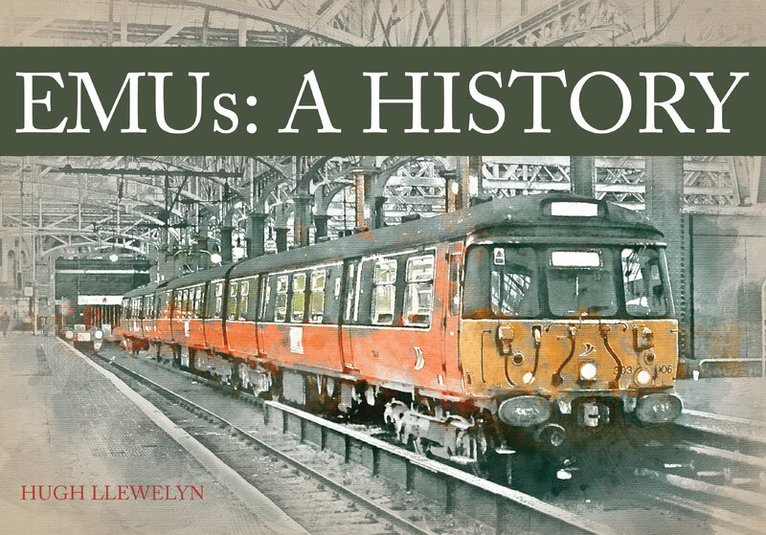
221 kr
Tillfälligt slut
From nationalisation in 1948, British Railways built huge numbers of EMUs for suburban and short/medium-distance main line express duties, initially of pre-nationalisation design. In 1954 the Standard Mark 1 type was introduced, but was obsolete by the late 1960s. More EMUs were needed to replace life-expired pre-nationalisation sets still working as well as to provide for new electrification services that were planned. The result was a complete fresh start in design terms with Southern Regions’ 4-PEP design of 1971, from which several very successful classes were derived – the second generation. Second-generation EMUs cover a huge number of current services today.As the 1990s dawned, change was in the air. The former British Railways workshops, already under the aegis of British Rail Engineering Limited, were to be sold and the privatisation of the entire BR network was looming. Before BREL was bought by ABB, they produced the first of the Networker design in 1991 – effectively the first of the third generation of EMUs. From then on, not only was the Networker produced in large numbers, but many other private concerns produced a variety of their own standard designs such as the Electrostar, Juniper or Desiro, and some that did not spawn any derivatives, such as Hunslet’s Class 323.
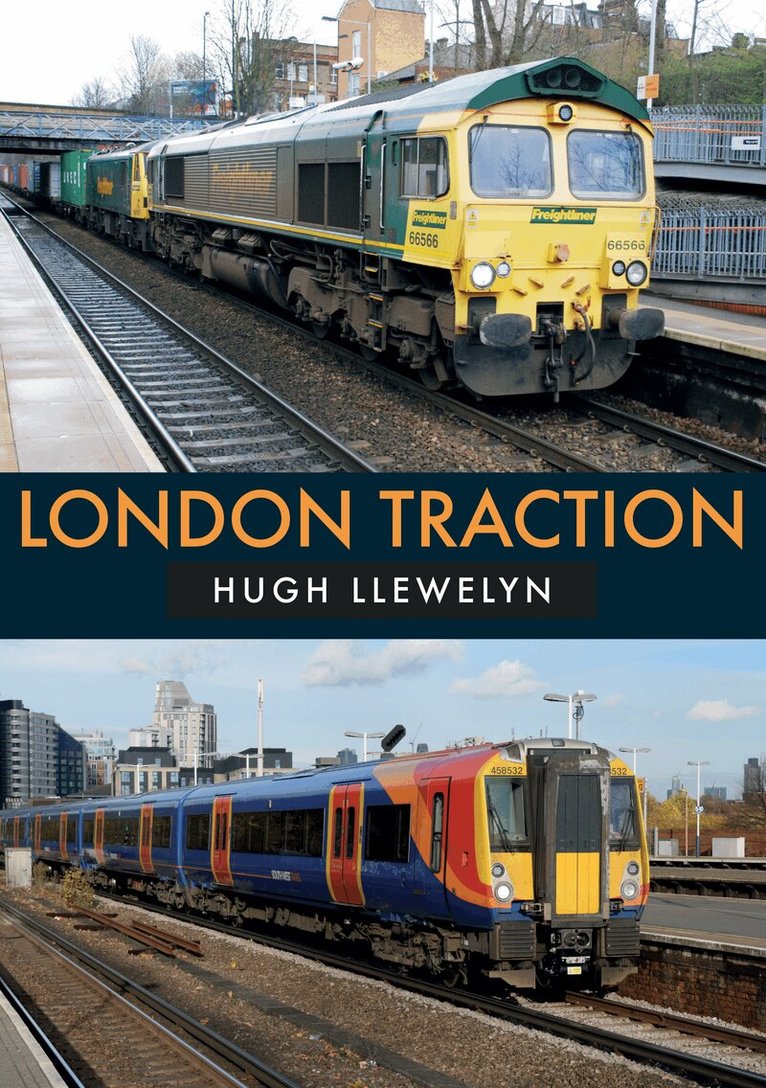
168 kr
Tillfälligt slut
Hugh Llewelyn has visited, lived and/or worked in London since the 1950s and began taking railway photographs in the early 1960s. This volume covers diesel and electric traction, both modern and classic, from that time until now, in black and white in the early years and colour since the mid-1970s. A wide definition of ‘London’ has been taken, with those areas of the Home Counties nearest the capital included to add to the diversity of locations.London has always been fortunate in having a huge variety of traction to photograph, all regions of British Railways except the Scottish serving the capital and even locomotives from Scotland being seen there. In the days of sectorisation, the wider London area was unique in having a tailor-made sector to serve it in the form of Network SouthEast, and since privatisation we have had a large – and seemingly ever changing – number of companies serving the city. This volume illustrates the great interest to be enjoyed in traction in and around the capital.
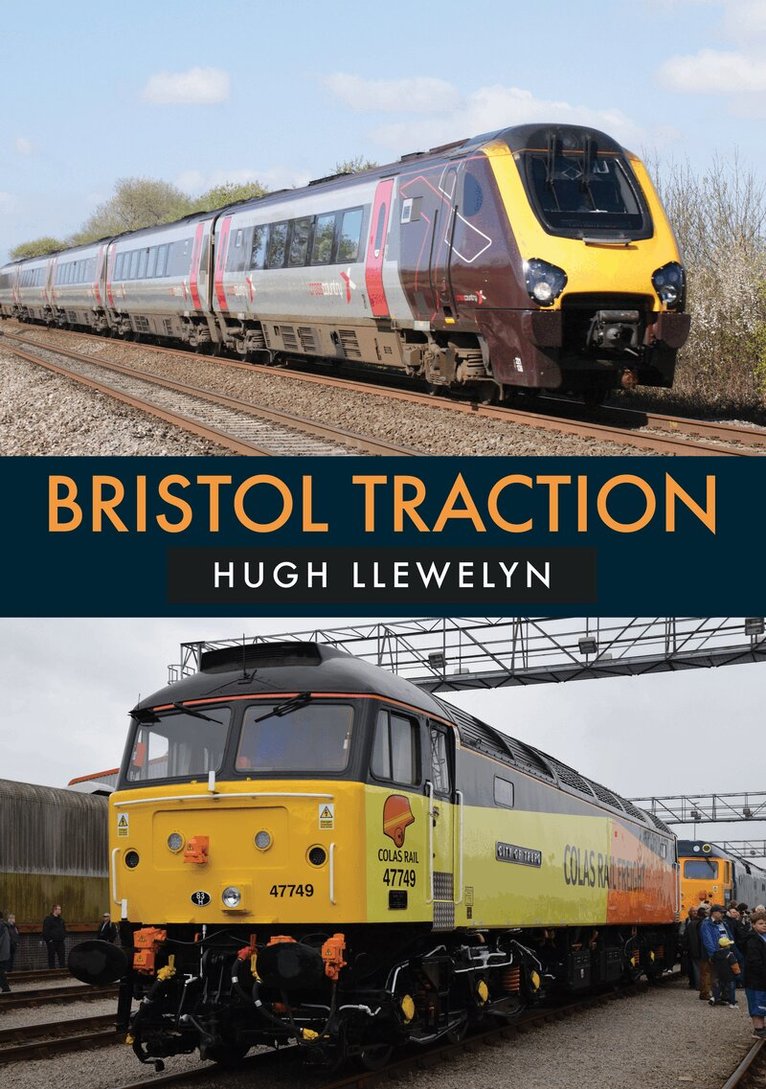
168 kr
Tillfälligt slut
Bristol is fortunate in having a particularly photogenic main-line station in Brunel’s magnificent Temple Meads, with a great variety of traction available both there and in the adjacent Bath Road diesel depot, now long gone. Liveries from the Rail Blue, Sectorisation and Privatisation eras are all illustrated in this book as well as preserved traction in historic liveries. From Peaks to Warships to Class 66s, and from slam-door DMUs to Sprinters and Voyagers, much of interest lies within.Hugh Llewelyn has lived in Bristol, North Somerset and South Gloucestershire since the mid-1970s and has been taking railway photographs in the area during that period. This book is a collection of mainly colour, but with some black and white, photographs of modern and classic diesel traction that has been seen over the years on the railways in the urban and rural areas in and around Bristol and Bath.