Hugh M. Cartwright – författare
Visar alla böcker från författaren Hugh M. Cartwright. Handla med fri frakt och snabb leverans.
11 produkter
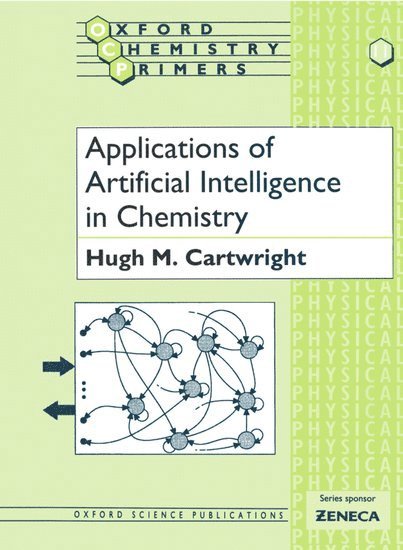
Applications of Artificial Intelligence in Chemistry
Häftad, 1993
461 kr
Lägg i varukorg
It is clear that the techniques of artificial intelligence are useful for more than just the development of thinking machines; they constitute powerful problem-solving tools in their own right and expand the range of problems in science that can be tackled. AI methods can now be used on a routine …
Artificial Neural Networks
Inbunden, 2026
2188 kr
Lägg i varukorg
This fourth edition volume builds on the strengths of previous editions, with examples of how AI is being used in innovative ways to process, interpret, and understand biochemical and related data. Chapters cover a wide range of topics, from bacteriophage genomics, bioimage analysis, and the …
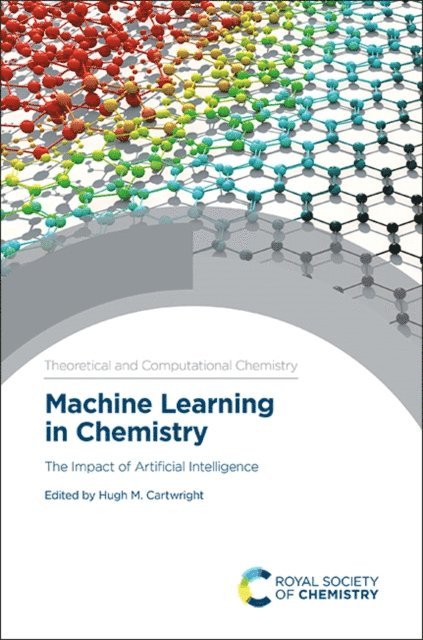
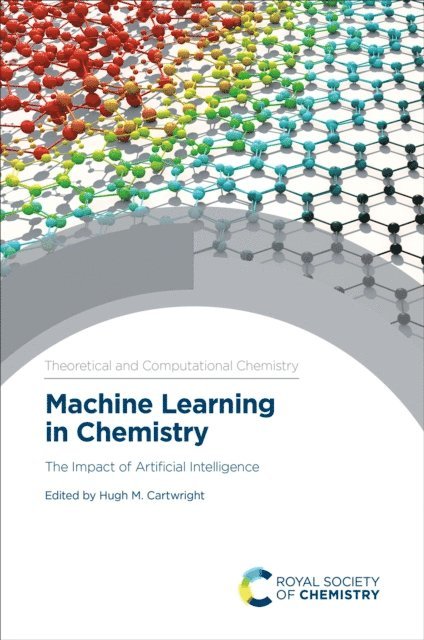
Machine Learning in Chemistry
The Impact of Artificial Intelligence
Inbunden, 2020
3296 kr
Lägg i varukorg
Progress in the application of machine learning (ML) to the physical and life sciences has been rapid. A decade ago, the method was mainly of interest to those in computer science departments, but more recently ML tools have been developed that show significant potential across wide areas of …
How to Use Machine Learning in Chemistry
An Introduction
E-bok, 2026
564 kr
Lägg i varukorg
Machine learning and artificial intelligence are hot topics across the sciences but what are they? How do machines learn and how can we apply them to problems in the chemical sciences?Written as a primer for anyone new to the area of machine learning, this book provides an overview of the …
How to Use Machine Learning in Chemistry
An Introduction
E-bok, 2026
458 kr
Lägg i varukorg
Machine learning and artificial intelligence are hot topics across the sciences but what are they? How do machines learn and how can we apply them to problems in the chemical sciences?Written as a primer for anyone new to the area of machine learning, this book provides an overview of the …
How to Use Machine Learning in Chemistry
An Introduction
Häftad, 2026
685 kr
Lägg i varukorg
Machine learning and artificial intelligence are hot topics across the sciences but what are they? How do machines learn and how can we apply them to problems in the chemical sciences?Written as a primer for anyone new to the area of machine learning, this book provides an overview of the …
Machine Learning in Chemistry
The Impact of Artificial Intelligence
E-bok, 2020
2917 kr
Lägg i varukorg
Progress in the application of machine learning (ML) to the physical and life sciences has been rapid. A decade ago, the method was mainly of interest to those in computer science departments, but more recently ML tools have been developed that show significant potential across wide areas of …
Machine Learning in Chemistry
The Impact of Artificial Intelligence
E-bok, 2020
2917 kr
Lägg i varukorg
Progress in the application of machine learning (ML) to the physical and life sciences has been rapid. A decade ago, the method was mainly of interest to those in computer science departments, but more recently ML tools have been developed that show significant potential across wide areas of …
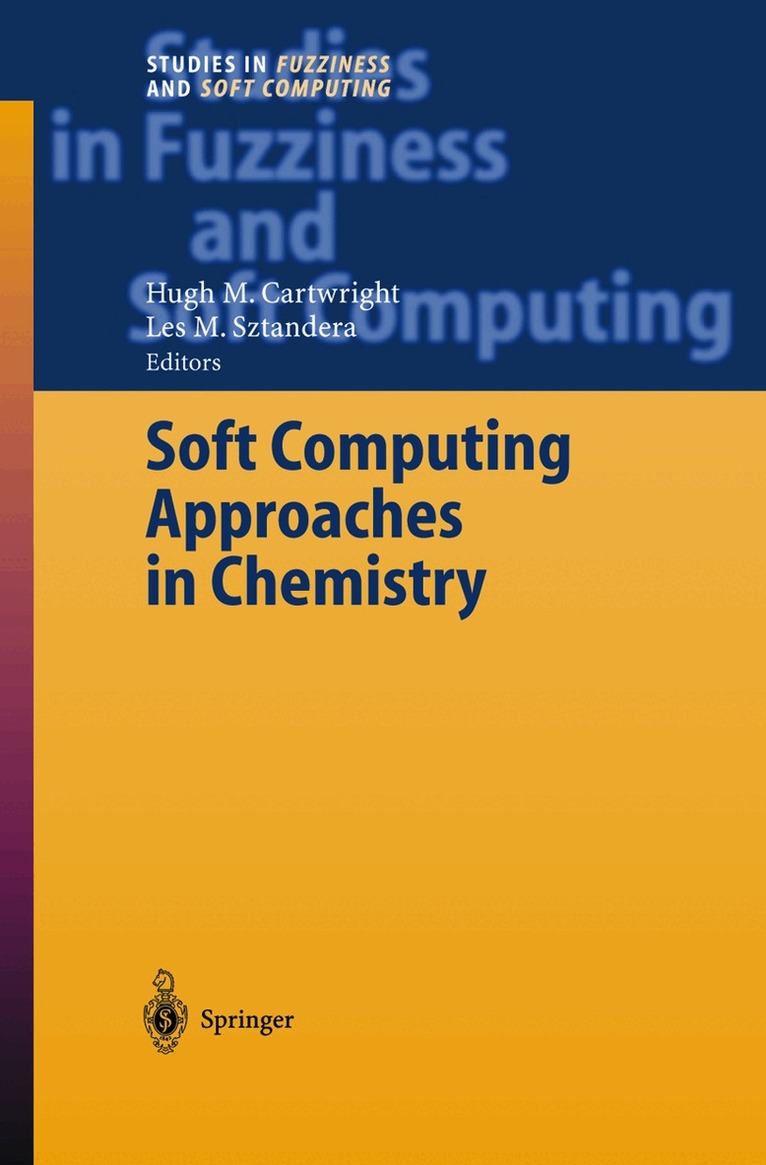
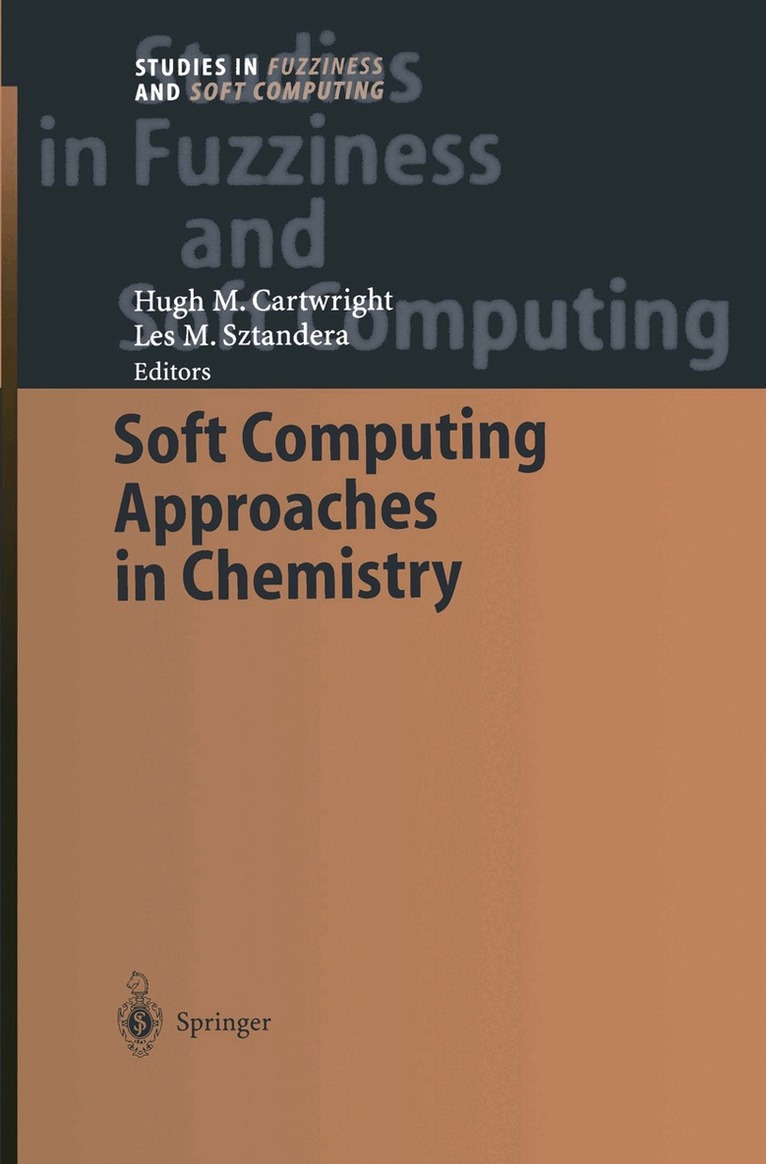
Soft Computing Approaches in Chemistry
Av Hugh M. Cartwright, Les M. Sztandera
Inbunden, 2003
1643 kr
Lägg i varukorg
The contributions to this book cover a wide range of applications of Soft Computing to the chemical domain. The early roots of Soft Computing can be traced back to Lotfi Zadeh's work on soft data analysis [1] published in 1981. 'Soft Computing' itself became fully established about 10 years later, …
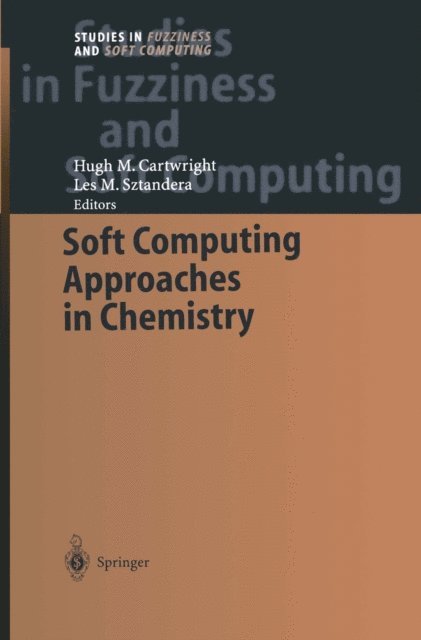
Soft Computing Approaches in Chemistry
Av Les M. Sztandera, Hugh M. Cartwright
E-bok, 2012
2111 kr
Lägg i varukorg
The contributions to this book cover a wide range of applications of Soft Computing to the chemical domain. The early roots of Soft Computing can be traced back to Lotfi Zadeh''s work on soft data analysis [1] published in 1981. ''Soft Computing'' itself became fully established about 10 years …
Soft Computing Approaches in Chemistry
Av Hugh M. Cartwright, Les M. Sztandera
Häftad, 2012
1643 kr
Lägg i varukorg
The contributions to this book cover a wide range of applications of Soft Computing to the chemical domain. The early roots of Soft Computing can be traced back to Lotfi Zadeh's work on soft data analysis [1] published in 1981. 'Soft Computing' itself became fully established about 10 years later, …