• Fri frakt över 249 kr
  • •
  • Snabba leveranser
  • •
  • Billiga böcker
Kundservice

Du är på sajten för privatpersoner.

Företag, bibliotek eller offentlig verksamhet?

Du handlar på classic.bokus.com, där alla dina funktioner finns intakta.
Till classic.bokus.com
Bokus logotyp. Gå till startsidan.
  • Erbjudanden
  • Nyheter
  • Student
  • Topplistor
  • Barn & ungdom
  • Bokus Play
  • E-böcker
  • Pocketböcker
  • Spel & pussel

10% rabatt på allt med kod NYSTART10 →

Sidfot

Mina sidor

    Hjälp

    • Kundservice
    • Vanliga frågor och svar
    • Frakt och leverans
    • Retur vid ångerrätt
    • Reklamera vara
    • Betalning
    • Köpvillkor
    • Allmänna villkor
    • Information om webbplatsens tillgänglighet

    Om Bokus

    • Om oss
    • Pressrum
    • För studenter
    • För företag
    • För bibliotek och offentlig verksamhet
    • För leverantörer
    • Hållbarhet

    Populärt

    • Aktuella erbjudanden
    • Presentkort
    • Studentlitteratur
    • Nya böcker
    • Topplistor
    • Signerade böcker
    • Engelska böcker

    Inspiration

    • Boktips
    • BookTok
    • Populära bokserier
    • Barnbokskaraktärer
    • Populära författare
    Logotyp för Bokus
    Följ oss på Facebook (extern länk)Följ oss på Instagram (extern länk)Följ oss på YouTube (extern länk)Följ oss på TikTok (extern länk)
    bokus @ CookiesAnpassa cookiesIntegritetspolicyKöpvillkor
    Till Citymail hemsida (extern länk)Till Budbee hemsida (extern länk)Till Postnord hemsida (extern länk)Till Schenker hemsida (extern länk)Till Early Bird hemsida (extern länk)Till Walleys hemsida (extern länk)
    1. Naturvetenskap och teknik
    2. Matematik och naturvetenskap
    3. Kemi
    4. Fysikalisk kemi
    • Nyhet

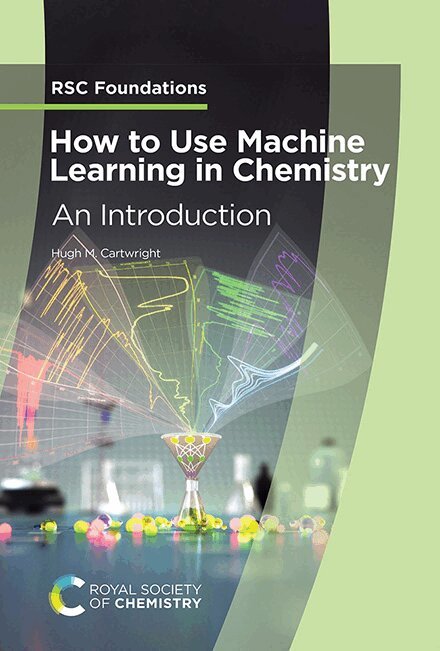
    How to Use Machine Learning in Chemistry

    An Introduction

    AvHugh M Cartwright

    Häftad, Engelska, 2026

    Del i serien RSC Foundations

    664 kr

    Skickas . Fri frakt över 249 kr.

    Fler format och utgåvor

    E-bok

    546 kr

    Beskrivning

    Machine learning and artificial intelligence are hot topics across the sciences but what are they? How do machines learn and how can we apply them to problems in the chemical sciences?Written as a primer for anyone new to the area of machine learning, this book provides an overview of the principles that underly its use in science and discusses its use as a practical tool in research. Readers will develop an understanding of key terminology and learn about the critical factors to be taken into account when using machine learning in science.Drawing on examples from chemistry, this book covers topics including the mechanics of networks and training, representations in chemistry and solving issues with data. With a focus on practical implementation and how to ensure that your applications are robust, this is a fantastic starting point for anyone looking to incorporate machine learning into their work.

    Produktinformation

    • Utgivningsdatum:2026-08-14
    • Mått:156 x 234 x 11 mm
    • Vikt:320 g
    • Format:Häftad
    • Språk:Engelska
    • Serie:RSC Foundations
    • Antal sidor:148
    • Förlag:Royal Society of Chemistry
    • ISBN:9781837072248

    Utforska kategorier

    • Fysikalisk kemi inom Naturvetenskap och teknik
    • Systemvetenskap och AI inom Data och IT

    Mer om författaren

    Hugh Cartwright is a computational chemist, now retired. He spent almost three decades as a member of the Chemistry Faculty at Oxford University in the UK, where his research focussed on the application of Artificial Intelligence related methods to problems in science, using Artificial Neural Networks, Genetic Algorithms, Self-Organising Maps and Support Vector Machines. He has written or edited several texts on the use of Artificial Intelligence in science, including Applications of Artificial Intelligence in Chemistry, and Using Artificial Intelligence in Chemistry and Biology: a Practical Guide.

    Innehållsförteckning

    • IntroductionLearning and TrainingStructure of a Machine Learning ModelHow Do We Know When Training Should End?The (Several) Roles of Random NumbersHyperparameters: How to Make a Good Model BetterHow to Bungle Training in a Few Easy StepsFurther Ways to Improve the Model and DataRepresentation, Descriptors and PropertiesBayesian OptimisationCan We Understand How Machine Learning Models Reason?Other Types of NetworkA Glance Ahead