Hugh Ragsdale – författare
Visar alla böcker från författaren Hugh Ragsdale. Handla med fri frakt och snabb leverans.
8 produkter
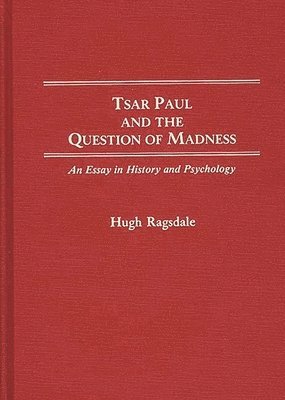
Tsar Paul and the Question of Madness
An Essay in History and Psychology
Inbunden, 1988
1098 kr
Lägg i varukorg
Drawing on archival studies, revisionist historians have taken issue with the traditional view that Tsar Paul I was mad and was assassinated because of the clear danger he posed to the state. Professor Ragsdale contends that the question of Paul's mental condition is not as simple as either his …
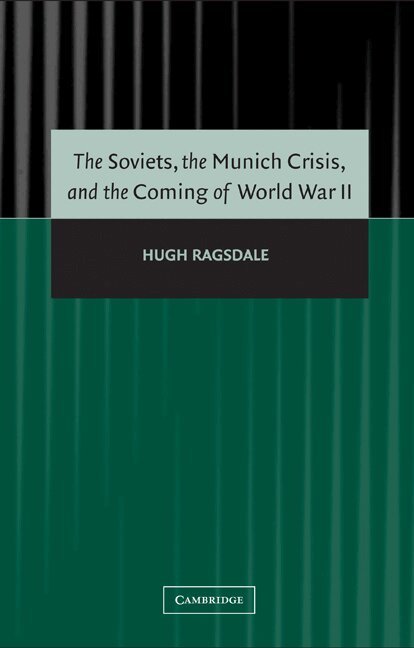
The Soviets, the Munich Crisis, and the Coming of World War II
Häftad, 2009
720 kr
Lägg i varukorg
The Munich crisis is everywhere acknowledged as the prelude to World War II. If Hitler had been stopped at Munich then World War II as we know it could not have happened. The subject has been thoroughly studied in British, French and German documents and consequently we know that the weakness in …
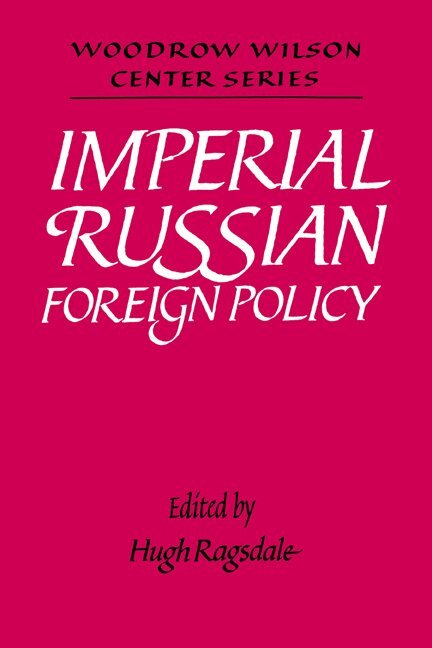
Imperial Russian Foreign Policy
Inbunden, 1993
1576 kr
Lägg i varukorg
Imperial Russian Foreign Policy aims to demythologise a field hitherto dominated by suspicions of diabolical cunning, inscrutable motives, and international plots using unseen forces of the gigantic, fear-inspiring empire of the tsar. The contributors, leading historians from both Russia and the …
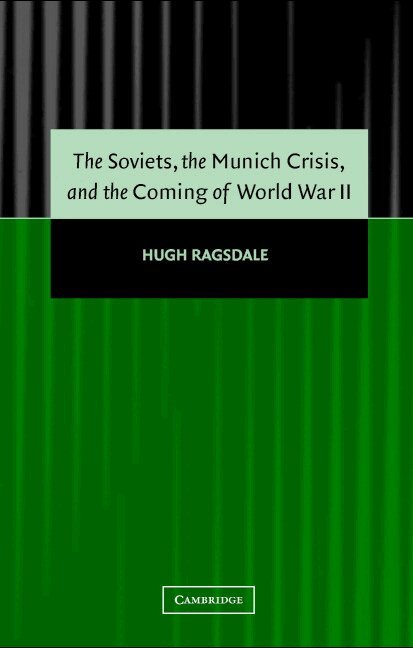
The Soviets, the Munich Crisis, and the Coming of World War II
Inbunden, 2004
1610 kr
Lägg i varukorg
The Munich crisis is everywhere acknowledged as the prelude to World War II. If Hitler had been stopped at Munich then World War II as we know it could not have happened. The subject has been thoroughly studied in British, French and German documents and consequently we know that the weakness in …
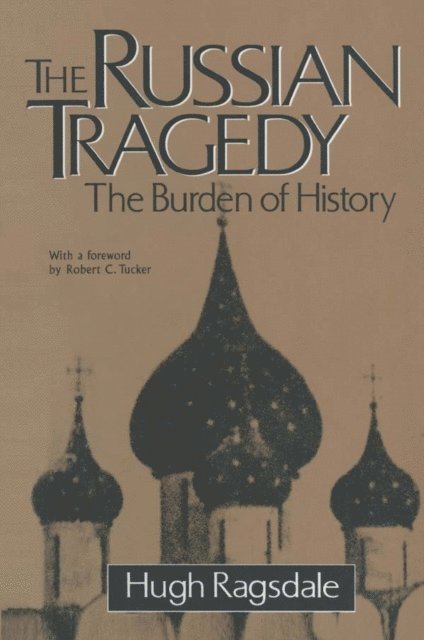
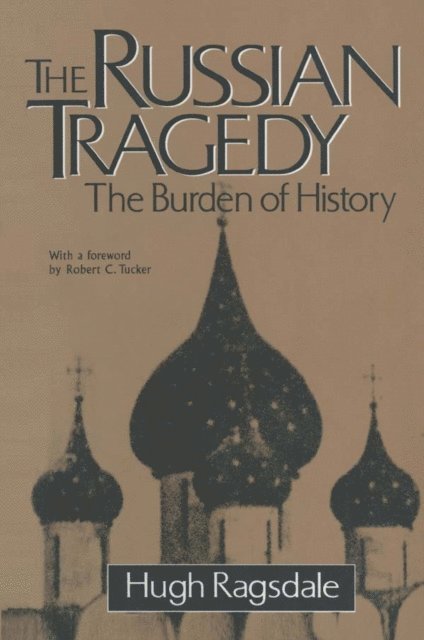
Russian Tragedy: The Burden of History
The Burden of History
E-bok, 2016
1106 kr
Lägg i varukorg
This work provides an interpretive history of Russia from earliest times to today, recounting the story of Russia''s past. It discusses Russia''s strengths and weaknesses as a civilization, and the challenges posed by the contemporary effort to remake Russia.
Russian Tragedy: The Burden of History
The Burden of History
E-bok, 2016
1082 kr
Lägg i varukorg
This work provides an interpretive history of Russia from earliest times to today, recounting the story of Russia''s past. It discusses Russia''s strengths and weaknesses as a civilization, and the challenges posed by the contemporary effort to remake Russia.
Russian Tragedy: The Burden of History
The Burden of History
Inbunden, 1996
2578 kr
Lägg i varukorg
This work provides an interpretive history of Russia from earliest times to today, recounting the story of Russia's past. It discusses Russia's strengths and weaknesses as a civilization, and the challenges posed by the contemporary effort to remake Russia.
Russian Tragedy: The Burden of History
The Burden of History
Häftad, 1996
934 kr
Lägg i varukorg
This work provides an interpretive history of Russia from earliest times to today, recounting the story of Russia's past. It discusses Russia's strengths and weaknesses as a civilization, and the challenges posed by the contemporary effort to remake Russia.