Hugo Méndez – författare
Visar alla böcker från författaren Hugo Méndez. Handla med fri frakt och snabb leverans.
9 produkter
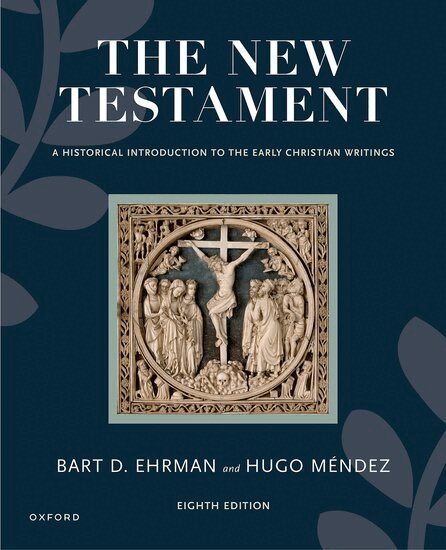
The New Testament
A Historical Introduction to the Early Christian Writings
Av Bart D. Ehrman, Hugo Méndez
Häftad, 2025
1052 kr
Lägg i varukorg
Featuring vibrant full color throughout, the eighth edition of Bart D. Ehrman's highly successful introduction approaches the New Testament from a consistently historical and comparative perspective, emphasizing the rich diversity of the earliest Christian literature. New to this edition, Hugo …
New Testament
A Historical Introduction to the Early Christian Writings
Av Hugo Mendez, Bart D. Ehrman
E-bok, 2023
752 kr
Lägg i varukorg
Featuring vibrant full color throughout, the eighth edition of Bart D. Ehrman's highly successful introduction approaches the New Testament from a consistently historical and comparative perspective, emphasizing the rich diversity of the earliest Christian literature. New to this edition, Hugo …
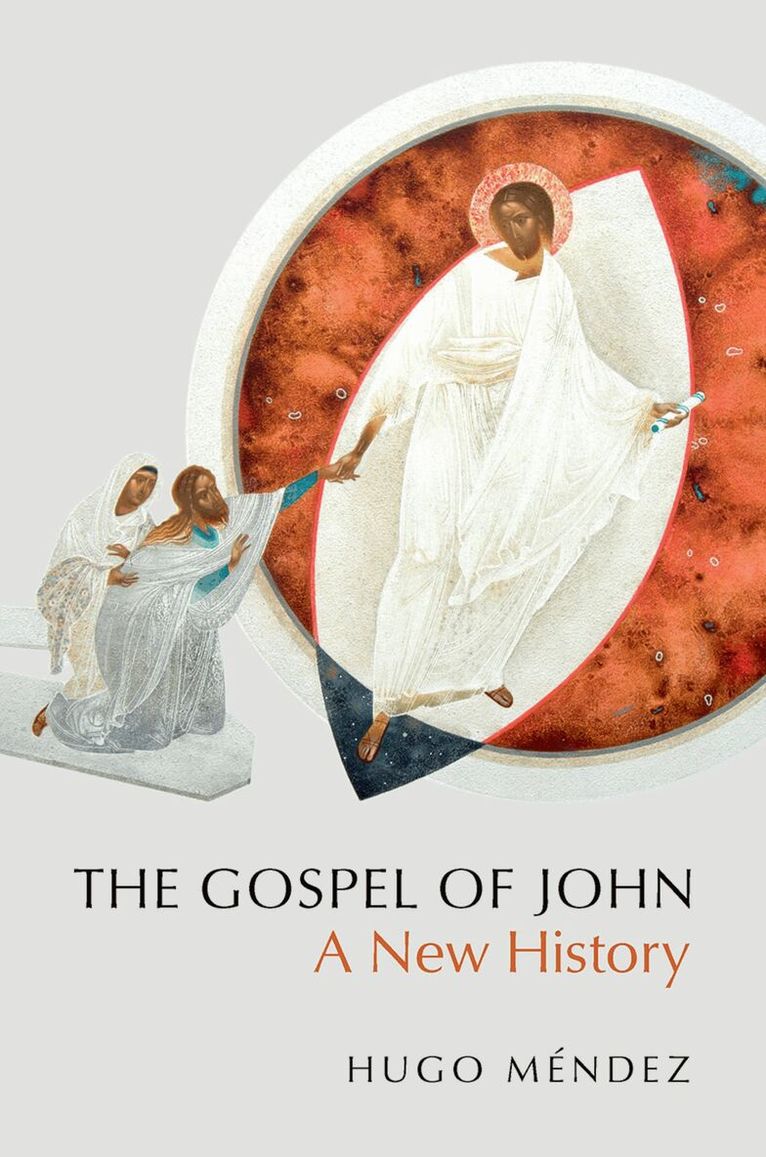
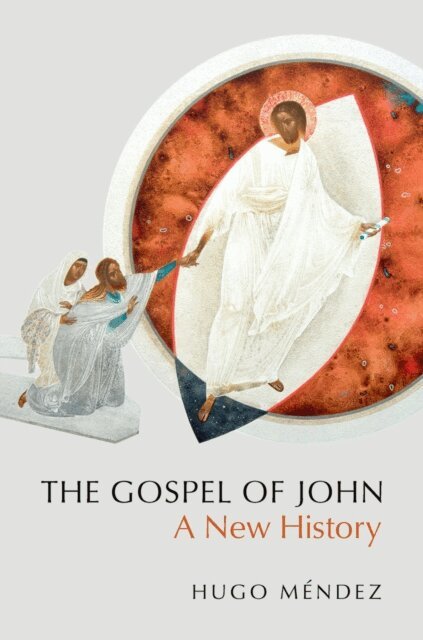
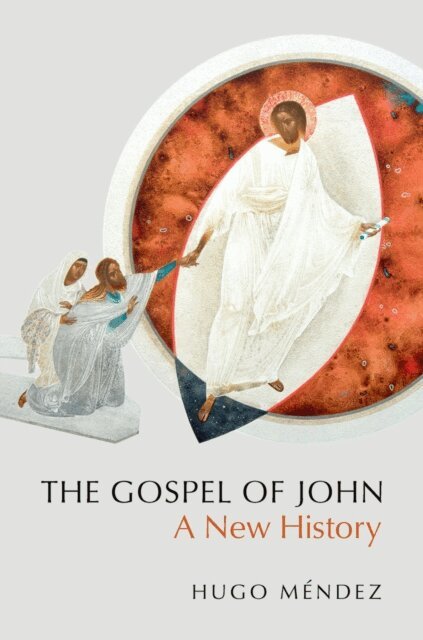
The Gospel of John
A New History
Av Hugo Méndez
Inbunden, 2025
323 kr
Lägg i varukorg
The biblical Gospel of John casts itself as a memoir of “the disciple whom Jesus loved”--a mysterious figure who allegedly watched Jesus die on the cross and stepped into his empty tomb. But in this groundbreaking study, Hugo Méndez argues that the text is something else entirely: a falsely …
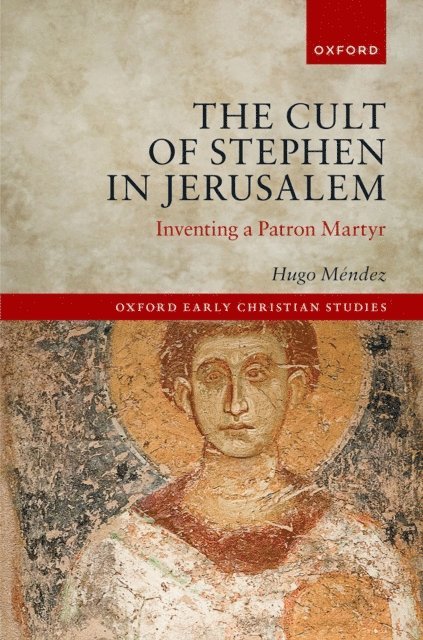
Cult of Stephen in Jerusalem
Inventing a Patron Martyr
Av Hugo Mendez
E-bok, 2022
1174 kr
Lägg i varukorg
As the site of only a small and obscure Christian population between 135 and 313 CE, Jerusalem witnessed few instances of anti-Christian persecution. This fact became a source of embarrassment to the city in late antiquity—a period when martyr traditions, relics, and shrines were closely …
Cult of Stephen in Jerusalem
Inventing a Patron Martyr
Av Hugo Mendez
E-bok, 2022
1174 kr
Lägg i varukorg
As the site of only a small and obscure Christian population between 135 and 313 CE, Jerusalem witnessed few instances of anti-Christian persecution. This fact became a source of embarrassment to the city in late antiquity—a period when martyr traditions, relics, and shrines were closely …
The Cult of Stephen in Jerusalem
Inventing a Patron Martyr
Av Hugo Méndez
Inbunden, 2022
1186 kr
Lägg i varukorg
As the site of only a small and obscure Christian population between 135 and 313 CE, Jerusalem witnessed few instances of anti-Christian persecution. This fact became a source of embarrassment to the city in late antiquity—a period when martyr traditions, relics, and shrines were closely …
Gospel of John
A New History
Av Hugo Mendez
E-bok, 2025
313 kr
Lägg i varukorg
The biblical Gospel of John casts itself as a memoir of "e;the disciple whom Jesus loved"e;--a mysterious figure who allegedly watched Jesus die on the cross and stepped into his empty tomb. But in this groundbreaking study, Hugo Mendez argues that the text is something else entirely: a …
Gospel of John
A New History
Av Hugo Mendez
E-bok, 2025
313 kr
Lägg i varukorg
The biblical Gospel of John casts itself as a memoir of "e;the disciple whom Jesus loved"e;--a mysterious figure who allegedly watched Jesus die on the cross and stepped into his empty tomb. But in this groundbreaking study, Hugo Mendez argues that the text is something else entirely: a …