Hugues Canuel – författare
Visar alla böcker från författaren Hugues Canuel. Handla med fri frakt och snabb leverans.
5 produkter
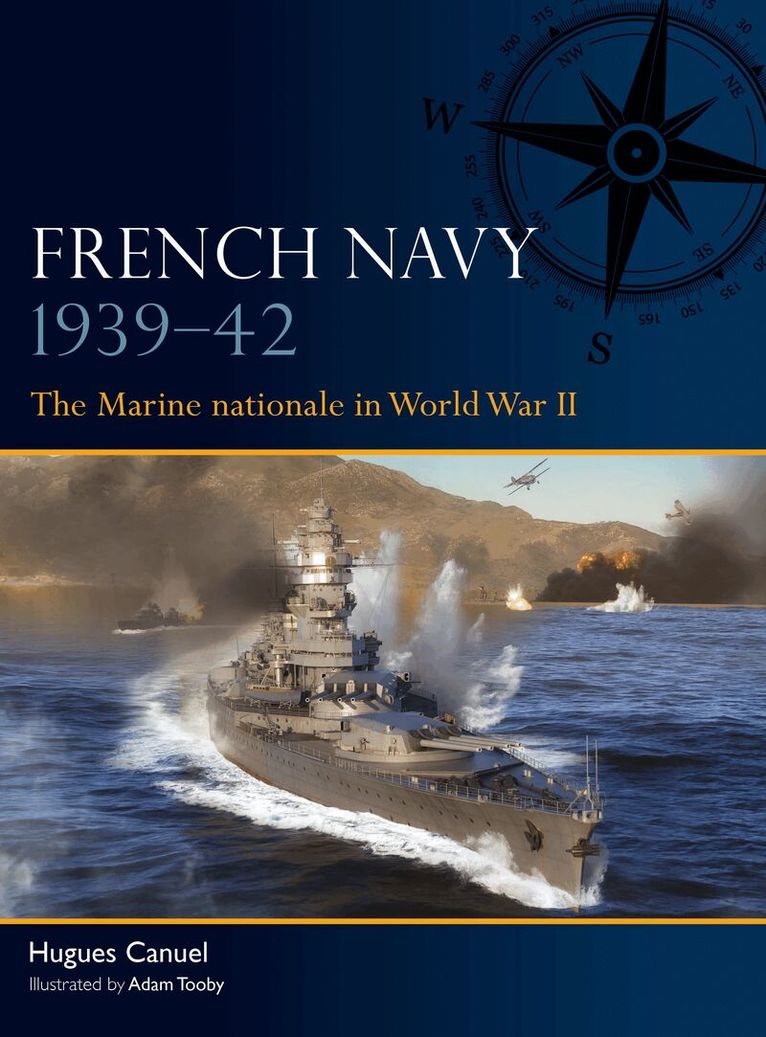
French Navy 1939–42
The Marine nationale in World War II
Häftad, 2026
203 kr
Lägg i varukorg
An authoritative, illustrated analysis of the official French Navy in World War II, under the command of the Third Republic and of Vichy.At the outbreak of World War II, the Marine nationale was the most powerful navy in continental Europe, unified in its purpose of defending the nation and the …
French Navy 1939–42
The Marine Nationale in World War II
E-bok, 2026
229 kr
Lägg i varukorg
An authoritative, illustrated analysis of the official French Navy in World War II, under the command of the Third Republic and of Vichy. At the outbreak of World War II, the Marine nationale was the most powerful navy in continental Europe, unified in its purpose of defending the nation and the …
French Navy 1939–42
The Marine Nationale in World War II
E-bok, 2026
229 kr
Lägg i varukorg
An authoritative, illustrated analysis of the official French Navy in World War II, under the command of the Third Republic and of Vichy. At the outbreak of World War II, the Marine nationale was the most powerful navy in continental Europe, unified in its purpose of defending the nation and the …
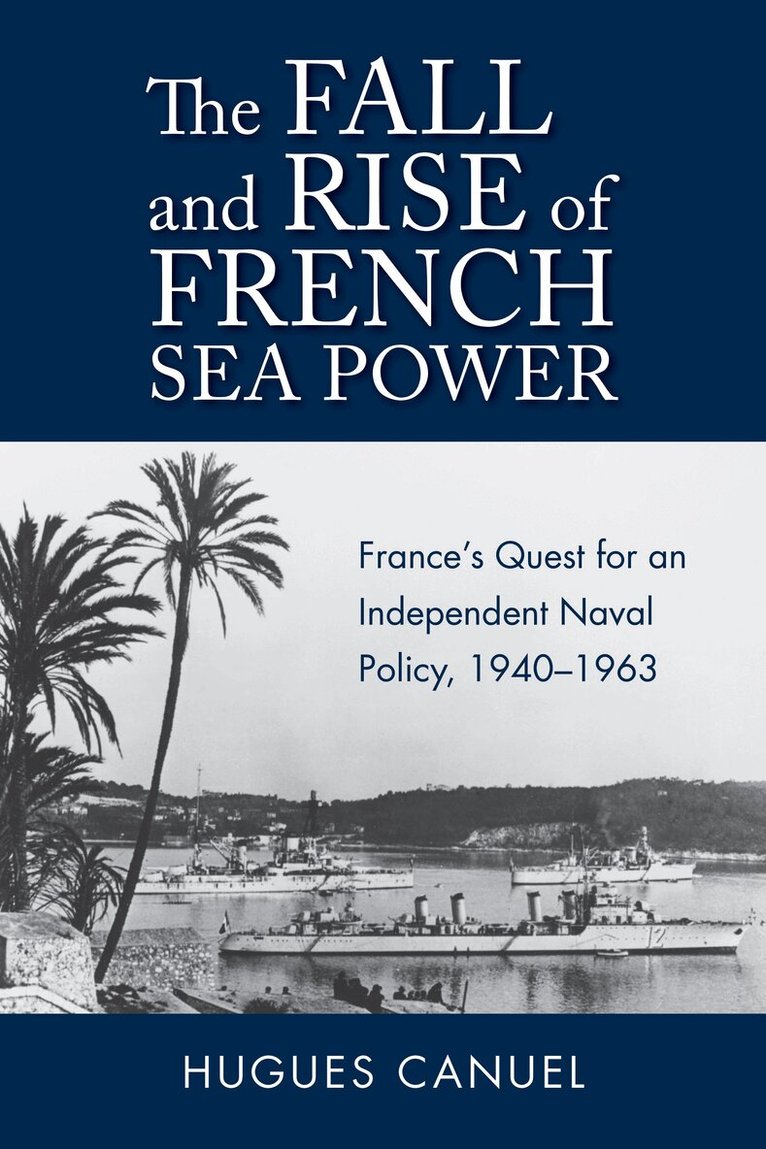
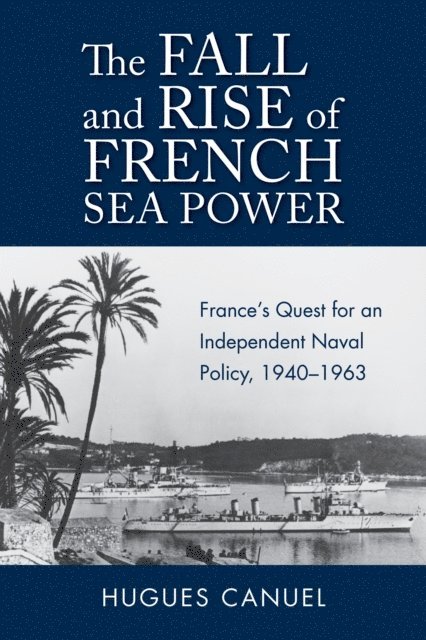
Fall and Rise of French Sea Power
France's Quest for an Independent Naval Policy, 1940-1963
Inbunden, 2021
473 kr
Lägg i varukorg
The Fall and Rise of French Sea Power explores the renewal of French naval power from the fall of France in 1940 through the first two decades of the Cold War. The Marine national continued fighting after the Armistice, a service divided against itself. The destruction of French sea power--at the …
Fall and Rise of French Sea Power
France’s Quest for an Independent Naval Policy, 1940–1963
E-bok, 2021
750 kr
Lägg i varukorg
The Fall and Rise of French Sea Power explores the renewal of French naval power from the fall of France in 1940 through the first two decades of the Cold War. The Marine nationale continued fighting after the Armistice, a service divided against itself. The destruction of French sea power—at the …