Hyo Dong Lee - Böcker
Visar alla böcker från författaren Hyo Dong Lee. Handla med fri frakt och snabb leverans.
2 produkter
2 produkter
1 873 kr
Skickas inom 5-8 vardagar
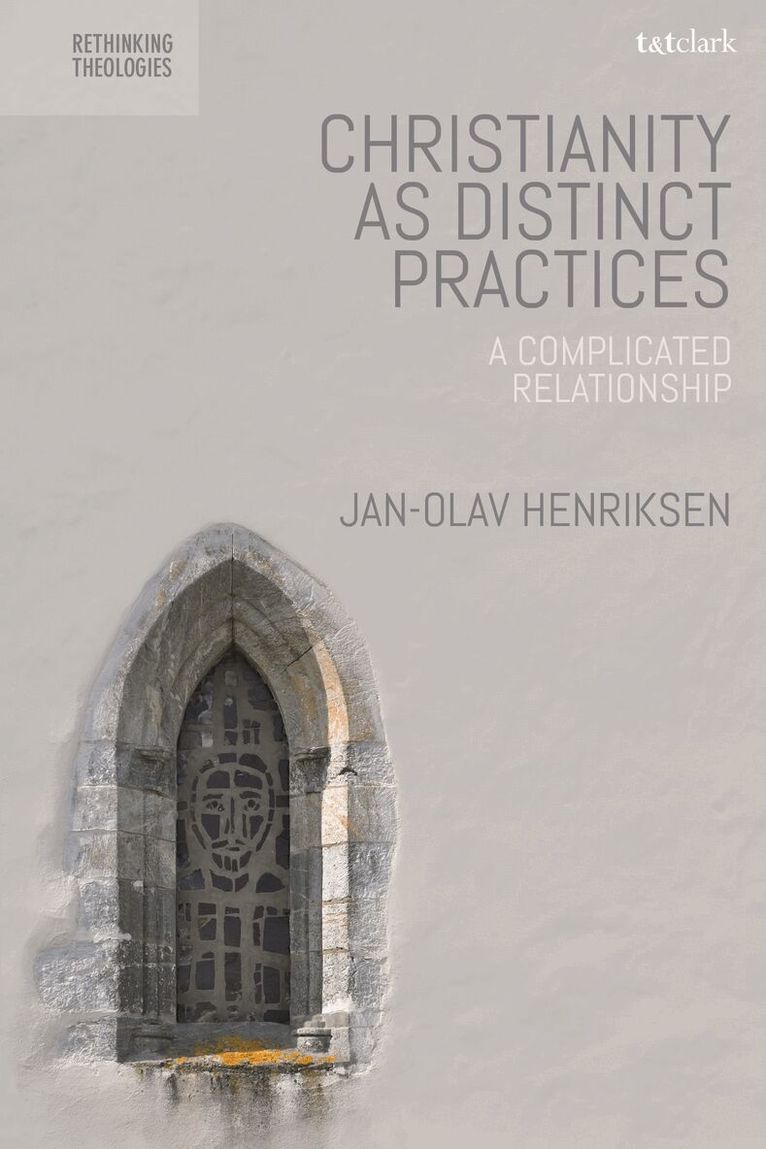
Jan-Olav Henriksen reconstructs and analyzes Christianity as a cluster of practices that manifest a distinct historically and contextually shaped mode of being in the world. Henriksen suggests that these practices imply a complicated relationship between the tradition in which they originate, the community that emerges from and is constituted by that tradition, and the individuals who appropriate the tradition that these communities mediate through their practices. Thus, to think of Christianity simply in terms of belief is misleading and represents an underdetermination of its distinct character. Henriksen further argues this relationship needs to be described primarily as practices aimed at orientation and transformation. His analysis points to Christianity’s similarity to other religions in regard to the functional or pragmatic dimensions it displays. Examining facets such as prayer, the use of scripture, preaching and doctrine, Henriksen emphasizes that the element that makes a practice distinctively Christian is how it relates to and is informed by the Jesus story.
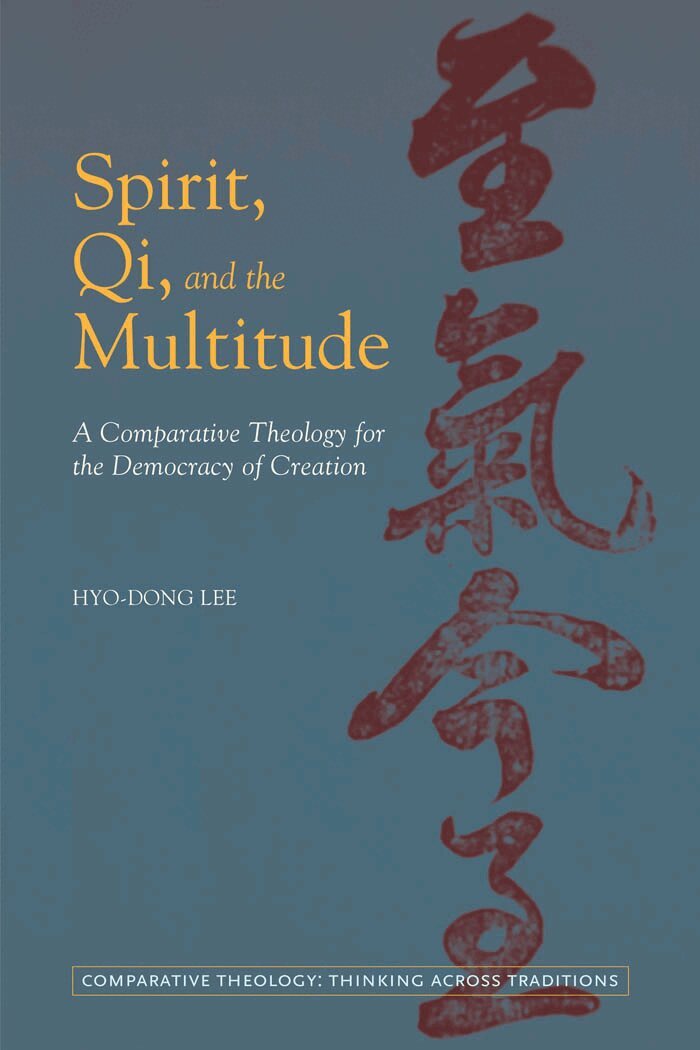
Spirit, Qi, and the Multitude
A Comparative Theology for the Democracy of Creation
Inbunden, Engelska, 2013
1 240 kr
Skickas inom 10-15 vardagar
We live in an increasingly global, interconnected, and interdependent world, in which various forms of systemic imbalance in power have given birth to a growing demand for genuine pluralism and democracy. As befits a world so interconnected, this book presents a comparative theological and philosophical attempt to construct new underpinnings for the idea of democracy by bringing the Western concept of spirit into dialogue with the East Asian nondualistic and nonhierarchical notion of qi. The book follows the historical adventures of the idea of qi through some of its Confucian and Daoist textual histories in East Asia, mainly Laozi, Zhu Xi, Toegye, Nongmun, and Su-un, and compares them with analogous conceptualizations of the ultimate creative and spiritual power found in the intellectual constellations of Western and/or Christian thought—namely, Whitehead's Creativity, Hegel's Geist, Deleuze's chaosmos, and Catherine Keller's Tehom.The book adds to the growing body of pneumatocentric (Spirit-centered), panentheistic Christian theologies that emphasize God's liberating, equalizing, and pluralizing immanence in the cosmos. Furthermore, it injects into the theological and philosophical dialogue between the West and Confucian and Daoist East Asia, which has heretofore been dominated by the American pragmatist and process traditions, a fresh voice shaped by Hegelian, postmodern, and postcolonial thought. This enriches the ways in which the pluralistic and democratic implications of the notion of qi may be articulated. In addition, by offering a valuable introduction to some representative Korean thinkers who are largely unknown to Western scholars, the book advances the study of East Asia and Neo-Confucianism in particular. Last but not least, the book provides a model of Asian contextual theology that draws on the religious and philosophical resources of East Asia to offer a vision of pluralism and democracy. A reader interested in the conversation between the East and West in light of the global reality of political oppression, economic exploitation, and cultural marginalization will find this book informative, engaging, and enlightening.