Hyun Ok Park – författare
Visar alla böcker från författaren Hyun Ok Park. Handla med fri frakt och snabb leverans.
3 produkter
3 produkter
1 310 kr
Skickas inom 7-10 vardagar
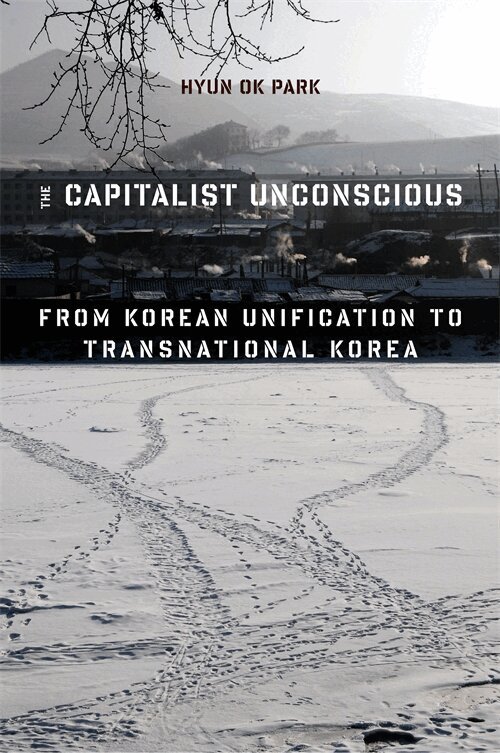
The unification of North and South Korea is widely considered an unresolved and volatile matter for the global order, but this book argues capital has already unified Korea in a transnational form. As Hyun Ok Park demonstrates, rather than territorial integration and family union, the capitalist unconscious drives the current unification, imagining the capitalist integration of the Korean peninsula and the Korean diaspora as a new democratic moment. Based on extensive archival and ethnographic research in South Korea and China, The Capitalist Unconscious shows how the hegemonic democratic politics of the post-Cold War era (reparation, peace, and human rights) have consigned the rights of migrant laborers-protagonists of transnational Korea-to identity politics, constitutionalism, and cosmopolitanism. Park reveals the riveting capitalist logic of these politics, which underpins legal and policy debates, social activism, and media spectacle.While rethinking the historical trajectory of Cold War industrialism and its subsequent liberal path, this book also probes memories of such key events as the North Korean and Chinese revolutions, which are integral to migrants' reckoning with capitalist allures and communal possibilities. Casting capitalist democracy within an innovative framework of historical repetition, Park elucidates the form and content of the capitalist unconscious at different historical moments and dissolves the modern opposition among socialism, democracy, and dictatorship. The Capitalist Unconscious astutely explores the neoliberal present's past and introduces a compelling approach to the question of history and contemporaneity.
685 kr
Skickas inom 3-6 vardagar
The unification of North and South Korea is widely considered an unresolved and volatile matter for the global order, but this book argues capital has already unified Korea in a transnational form. As Hyun Ok Park demonstrates, rather than territorial integration and family union, the capitalist unconscious drives the current unification, imagining the capitalist integration of the Korean peninsula and the Korean diaspora as a new democratic moment. Based on extensive archival and ethnographic research in South Korea and China, The Capitalist Unconscious shows how the hegemonic democratic politics of the post-Cold War era (reparation, peace, and human rights) have consigned the rights of migrant laborers-protagonists of transnational Korea-to identity politics, constitutionalism, and cosmopolitanism. Park reveals the riveting capitalist logic of these politics, which underpins legal and policy debates, social activism, and media spectacle.While rethinking the historical trajectory of Cold War industrialism and its subsequent liberal path, this book also probes memories of such key events as the North Korean and Chinese revolutions, which are integral to migrants' reckoning with capitalist allures and communal possibilities. Casting capitalist democracy within an innovative framework of historical repetition, Park elucidates the form and content of the capitalist unconscious at different historical moments and dissolves the modern opposition among socialism, democracy, and dictatorship. The Capitalist Unconscious astutely explores the neoliberal present's past and introduces a compelling approach to the question of history and contemporaneity.
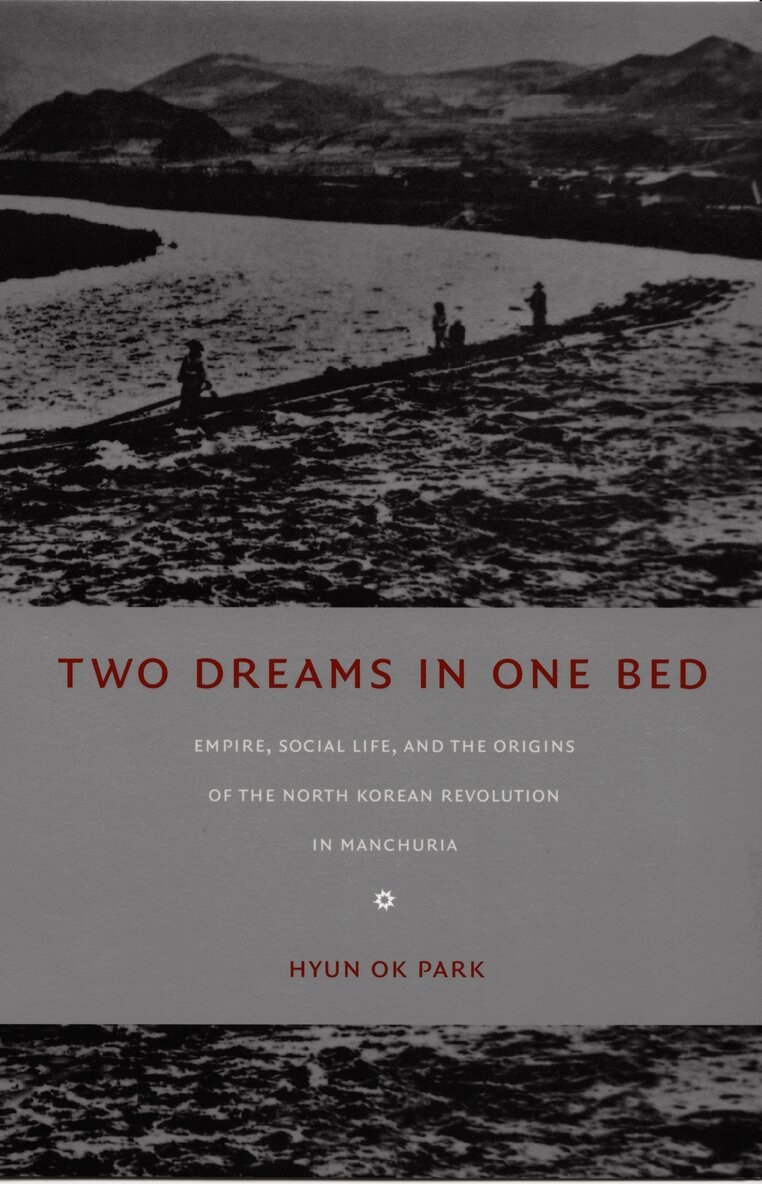
Two Dreams in One Bed
Empire, Social Life, and the Origins of the North Korean Revolution in Manchuria
Häftad, Engelska, 2005
374 kr
Skickas inom 7-10 vardagar
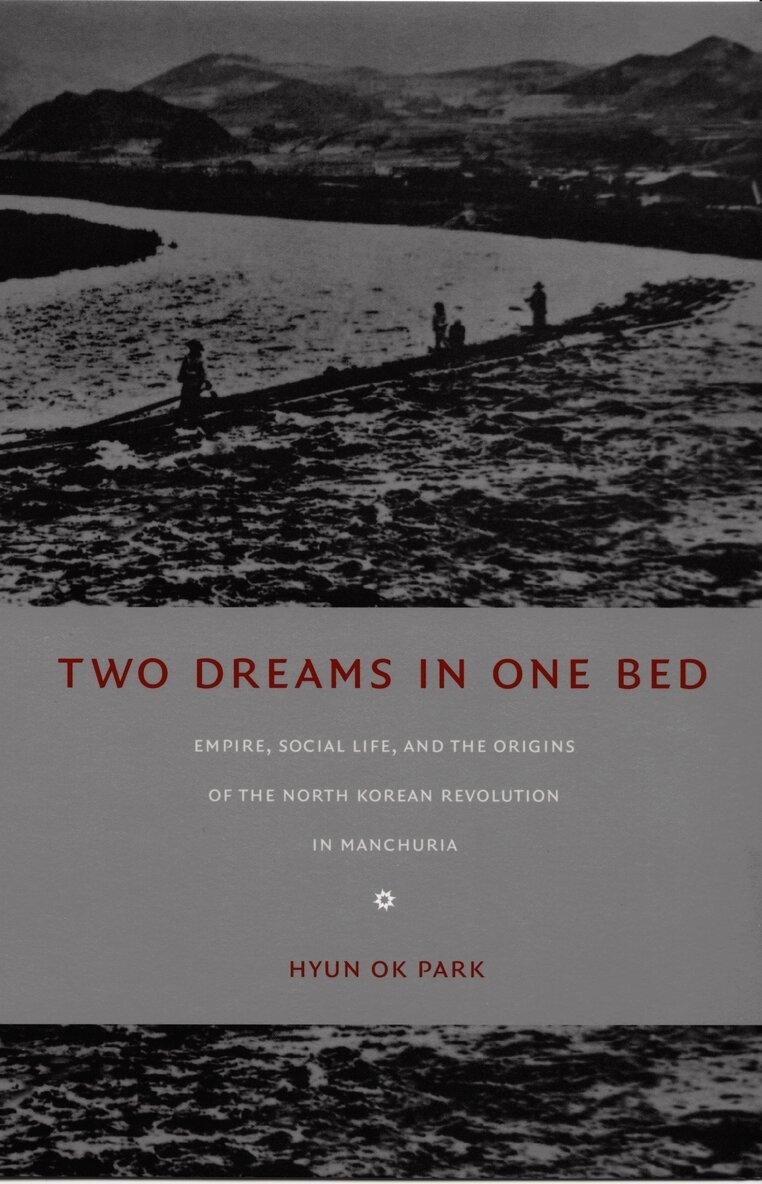
Rethinking a key epoch in East Asian history, Hyun Ok Park formulates a new understanding of early-twentieth-century Manchuria. Most studies of the history of modern Manchuria examine the turbulent relations of the Chinese state and imperialist Japan in political, military, and economic terms. Park presents a compelling analysis of the constitutive effects of capitalist expansion on the social practices of Korean migrants in the region.Drawing on a rich archive of Korean, Japanese, and Chinese sources, Park describes how Koreans negotiated the contradictory demands of national and colonial powers. She demonstrates that the dynamics of global capitalism led the Chinese and Japanese to pursue capitalist expansion while competing for sovereignty. Decentering the nation-state as the primary analytic rubric, her emphasis on the role of global capitalism is a major innovation for understanding nationalism, colonialism, and their immanent links in social space. Through a regional and temporal comparison of Manchuria from the late nineteenth century until 1945, Park details how national and colonial powers enacted their claims to sovereignty through the regulation of access to land, work, and loans. She shows that among Korean migrants, the complex connections among Chinese laws, Japanese colonial policies, and Korean social practices gave rise to a form of nationalism in tension with global revolution-a nationalism that laid the foundation for what came to be regarded as North Korea’s isolationist politics.