Ian Carrillo - Böcker
Visar alla böcker från författaren Ian Carrillo. Handla med fri frakt och snabb leverans.
4 produkter
4 produkter
1 469 kr
Skickas inom 3-6 vardagar
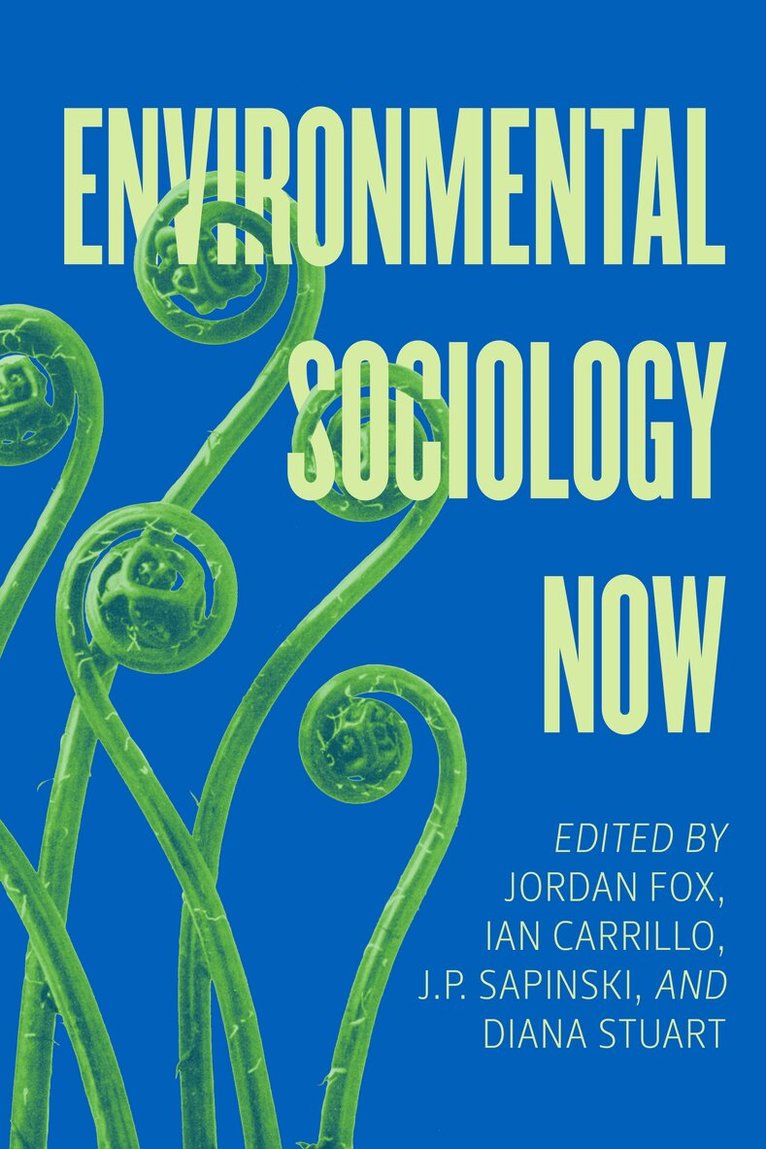
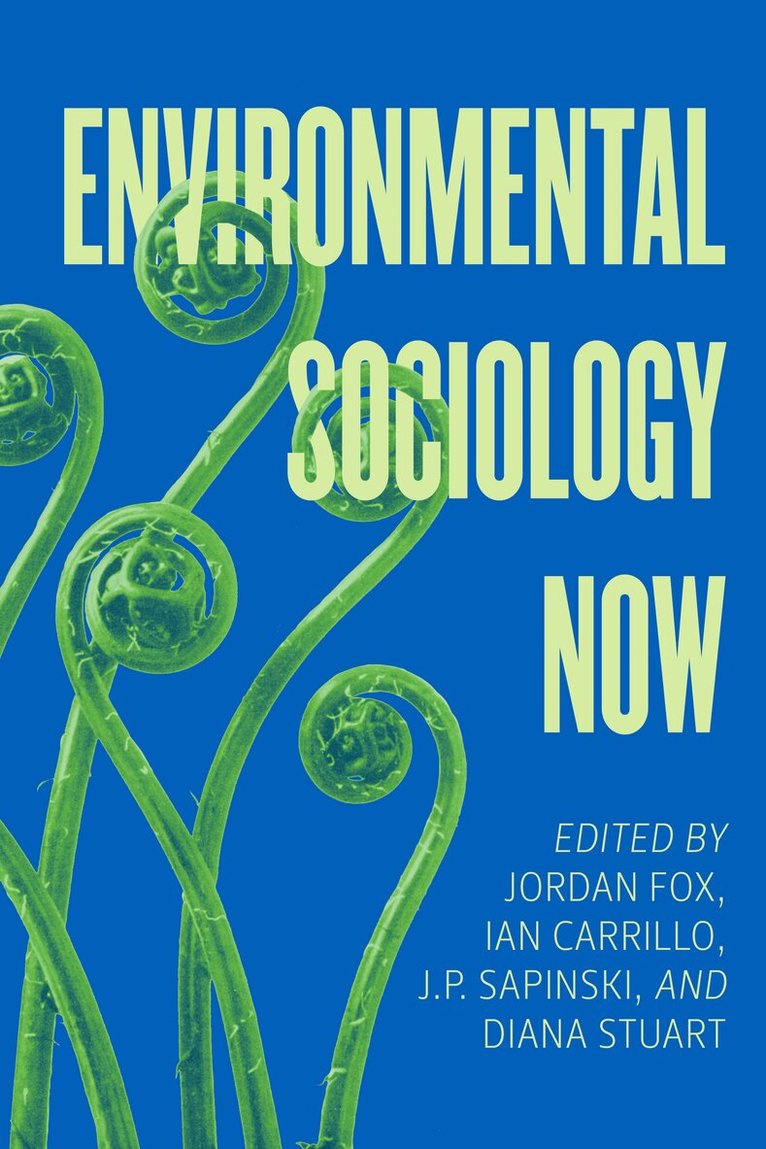
It is a critical time for environmental sociology. Against a backdrop of increasingly dynamic environmental and social change, contemporary scholarship must reorient itself to cut through the noise and directly confront the urgent socio-environmental questions of today.In Environmental Sociology Now, Jordan Fox, Ian Carrillo, J. P. Sapinski, and Diana Stuart have gathered original essays from many of the emerging scholars who are advancing new ideas and making innovative connections across disciplines to lay new foundations. Each essay centers on the prompt "What does a more interdisciplinary, more diverse, and more justice-oriented environmental sociology look like, and what does that mean for our collective future?" Bringing together different—and often conflicting—points of view, this book outlines an inclusive, forward-looking classroom and research agenda. Challenging both students and scholars to critically reconsider what our environmental relationships currently look like (and what may be in store), this timely book will be a vital resource for the research and teaching of environment and society for years to come.
373 kr
Skickas
It is a critical time for environmental sociology. Against a backdrop of increasingly dynamic environmental and social change, contemporary scholarship must reorient itself to cut through the noise and directly confront the urgent socio-environmental questions of today.In Environmental Sociology Now, Jordan Fox, Ian Carrillo, J. P. Sapinski, and Diana Stuart have gathered original essays from many of the emerging scholars who are advancing new ideas and making innovative connections across disciplines to lay new foundations. Each essay centers on the prompt "What does a more interdisciplinary, more diverse, and more justice-oriented environmental sociology look like, and what does that mean for our collective future?" Bringing together different—and often conflicting—points of view, this book outlines an inclusive, forward-looking classroom and research agenda. Challenging both students and scholars to critically reconsider what our environmental relationships currently look like (and what may be in store), this timely book will be a vital resource for the research and teaching of environment and society for years to come.
1 308 kr
Kommande
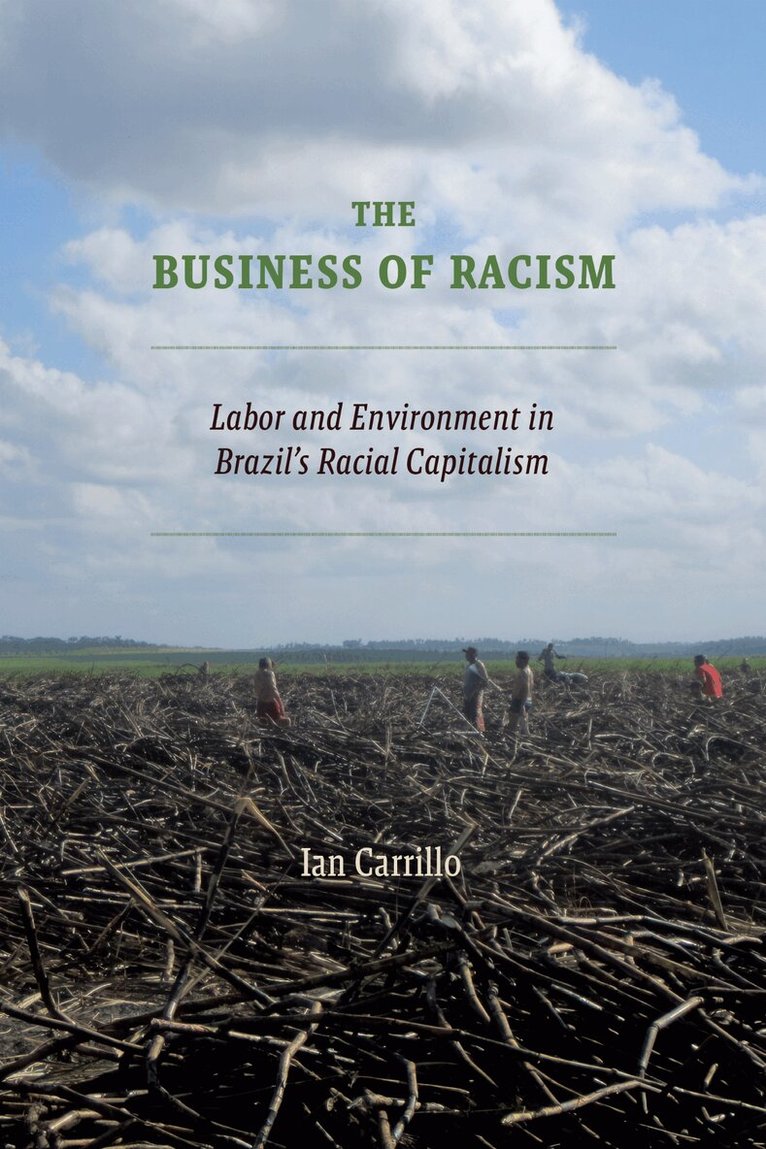
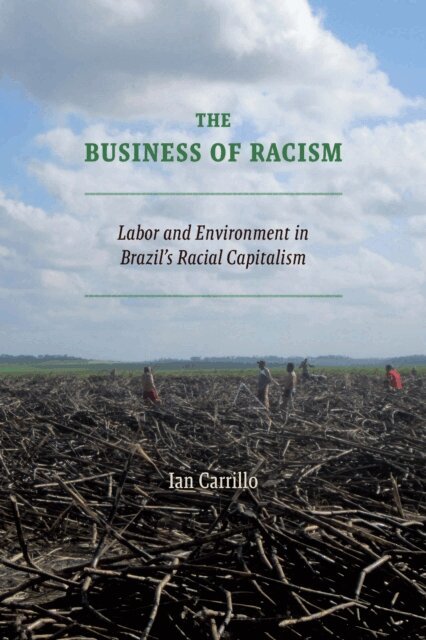
In The Business of Racism, Ian Carrillo employs a case study from Brazil’s sugarcane industry to show how racial capitalism is promulgated and maintained through politics and business. As Carrillo recounts, in the mid-2000s, Brazil embarked on a state-led project to improve environmental and labor conditions in sugarcane production. He describes how, seeing increased government regulation of their worksite as a threat to their power, the elites of Brazil’s sugar-ethanol industry repurposed long-standing racial ideologies to undermine progressive institutions and elevate their own leaders. Carrillo’s extensive ethnographic fieldwork in mills and plantations, as well as interviews with federal labor regulators and sugar-ethanol industry elites in Brazil, weaves together an account of how Brazil’s labor and environmental regulations are forged through racial and class struggles at worksites and within the state. The Business of Racism contributes to ongoing sociological debates about race, development, and the environment while highlighting future pathways for achieving racial justice, labor equality, and climate sustainability.
297 kr
Kommande
In The Business of Racism, Ian Carrillo employs a case study from Brazil’s sugarcane industry to show how racial capitalism is promulgated and maintained through politics and business. As Carrillo recounts, in the mid-2000s, Brazil embarked on a state-led project to improve environmental and labor conditions in sugarcane production. He describes how, seeing increased government regulation of their worksite as a threat to their power, the elites of Brazil’s sugar-ethanol industry repurposed long-standing racial ideologies to undermine progressive institutions and elevate their own leaders. Carrillo’s extensive ethnographic fieldwork in mills and plantations, as well as interviews with federal labor regulators and sugar-ethanol industry elites in Brazil, weaves together an account of how Brazil’s labor and environmental regulations are forged through racial and class struggles at worksites and within the state. The Business of Racism contributes to ongoing sociological debates about race, development, and the environment while highlighting future pathways for achieving racial justice, labor equality, and climate sustainability.