Ian Collard - Böcker
Visar alla böcker från författaren Ian Collard. Handla med fri frakt och snabb leverans.
32 produkter
32 produkter
266 kr
Skickas
In 1873 a company was formed to construct the first railway across Canada. It soon branched out into shipping, chartering ships from the Cunard Line for service between Vancouver, Yokohama, Shanghai and Hong Kong. In 1889 Canadian Pacific would be awarded the mail contract for the service across the Pacific and, by 1903, they would purchase Elder Dempster & Company and begin sailing from Liverpool to Quebec and Montreal.They obtained control of the Atlantic, rail and Pacific routes, and later interest in the Canadian–Australasian Line, becoming ‘the world’s greatest transportation system’, bridging two oceans and linking four continents. Canada’s largest operator of Atlantic and Pacific steamships until after the Second World War, CP Ships boasted such names as Empress of Britain, Empress of Ireland and Empress of Canada. This new history of the shipping side of Canadian Pacific includes a wealth of illustrations and a detailed fleet list that will enthral maritime enthusiasts.
153 kr
Tillfälligt slut
This is a book about life in a great maritime port of the 1960s. The photographs from the period show a busy, vibrant scene of commercial and industrial activity. However, this was a point when shipping was about to change drastically, as the emphasis switched to the shipping of goods and general cargoes in containers. The large shipping lines restructured into new container consortiums and the big fleets of conventional ships vanished almost overnight. Along with them went the tugs, barges and ancillary industries that provided employment to thousands in the region. Today, many of Liverpool's docks and warehouses lie empty as most goods are shipped through the Royal Seaforth Container Terminal. The twilight years of the 1960s were the last heyday of Liverpool's long maritime history and are captured in Ian Collard's striking period pictures. From the glories of Cunard to the everyday to-ing and fro-ing of coastal ferries, the busy scenes of a port at work are bought to life. Sadly, it is a scene that has gone forever, but as Liverpool's dock buildings take on new roles and the city moves into the twenty-first century, we can at least look and remember the sea-going commerce that made Liverpool great.
175 kr
Skickas
The busy River Mersey and its two ports, Liverpool and Birkenhead, have seen great changes in recent years. In Mersey Ports - Liverpool and Birkenhead, Ian Collard charts the developments that have taken place in maritime life on the Mersey, from the 1950s and 1960s through to the present day. Ships of all shapes and sizes have been found on the Mersey, from the old Mersey ferries and the motor ferries that replaced them, to huge passenger liners and container ships. as well as tall ships, tugs and seacats. All of them feature in this detailed photographic history. A host of international shipping companies are represented, including Blue Funnel, Ellerman, Harrison and Elder Dempster lines. The Isle of Man Steam Packet Co. wintered its fleet in Morpeth Dock at Birkenhead, and Princes Landing Stage was once the focal point of activity at the docks, as passenger liners queued to berth.
183 kr
Skickas
Ellerman Lines was formed by John Reeves Ellerman at the end of the nineteenth century. Ellerman left home at age 14, and at 24 he established J. Ellerman & Co. in London; by 1893, he had been appointed chair of a shipping company. Following the acquisition of various companies, Ellerman Lines Ltd was formed on 22 January 1902, becoming one of the greatest shipping lines in the world. Services were offered to the Mediterranean, India, South America and East and South Africa as the Ellerman group grew and grew. Ellerman Lines traded successfully throughout war and peace, heavily involved in the war effort, until the third quarter of the century, when many countries gained their independence from Britain and 1960s containerisation saw this once great shipping line close for good. Using many previously unpublished photographs illustrating the different types of vessels owned by Ellerman Lines, experienced maritime author Ian Collard turns his attention to the company’s history, from its establishment in 1886 until the shipping business was bought by its management in 1985. It was then sold to the Trafalgar House conglomerate, which merged it with its ownership of the Cunard Line to form Cunard-Ellerman in 1987. In 1991 it passed to the Andrew Weir Shipping Group and in 2003 the Mediterranean, Middle East, African, Indian and Pakistan services were acquired by Hamburg Süd and the Ellerman brand was replaced by them exactly two years later.
100 kr
Tillfälligt slut
Wallasey History Tour offers a fascinating glimpse into the past of this town on the Wirral Peninsula. Local author Ian Collard guides readers around its streets and buildings, showing how its famous landmarks used to look and how they have changed across the centuries, as well as exploring some of its lesser-known sights and hidden corners. This pocket-sized guide reveals how the town has altered and highlights the way of life for past generations. With the help of a handy location map, readers are invited to discover for themselves the changing face of Wallasey.
178 kr
Skickas
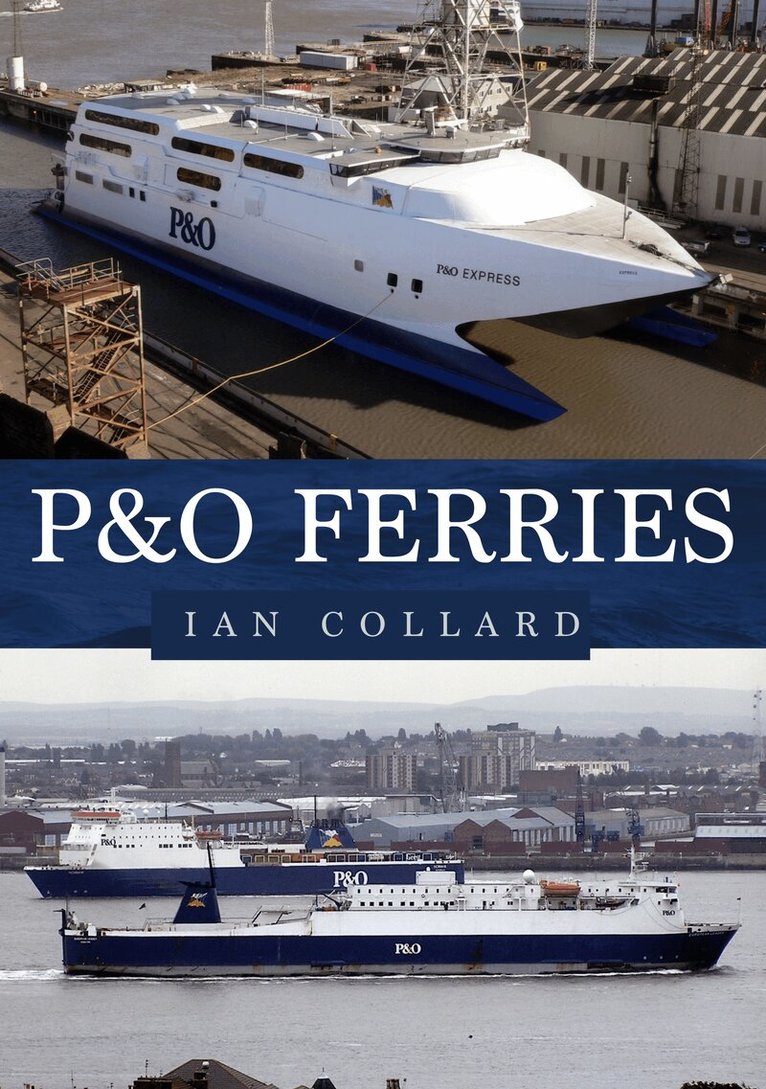
In the late 1960s, P&O established ferry services in the North Sea and English Channel. Roll-on/roll-off operations and containerisation were introduced and new ships, facilities and investment was needed to take advantage of developments.What followed was several decades of growth, buyouts and divisions. The twenty-first century saw the closure of several routes as the ferries saw increased competition from low-cost airline and the Channel Tunnel. Throughout this period, P&O attracted a loyal customer base and became one of the most recognisable names on the sea.Utilising a selection of rare and previously unpublished images, maritime historian Ian Collard delves into the story of this iconic company and its ships.
178 kr
Skickas
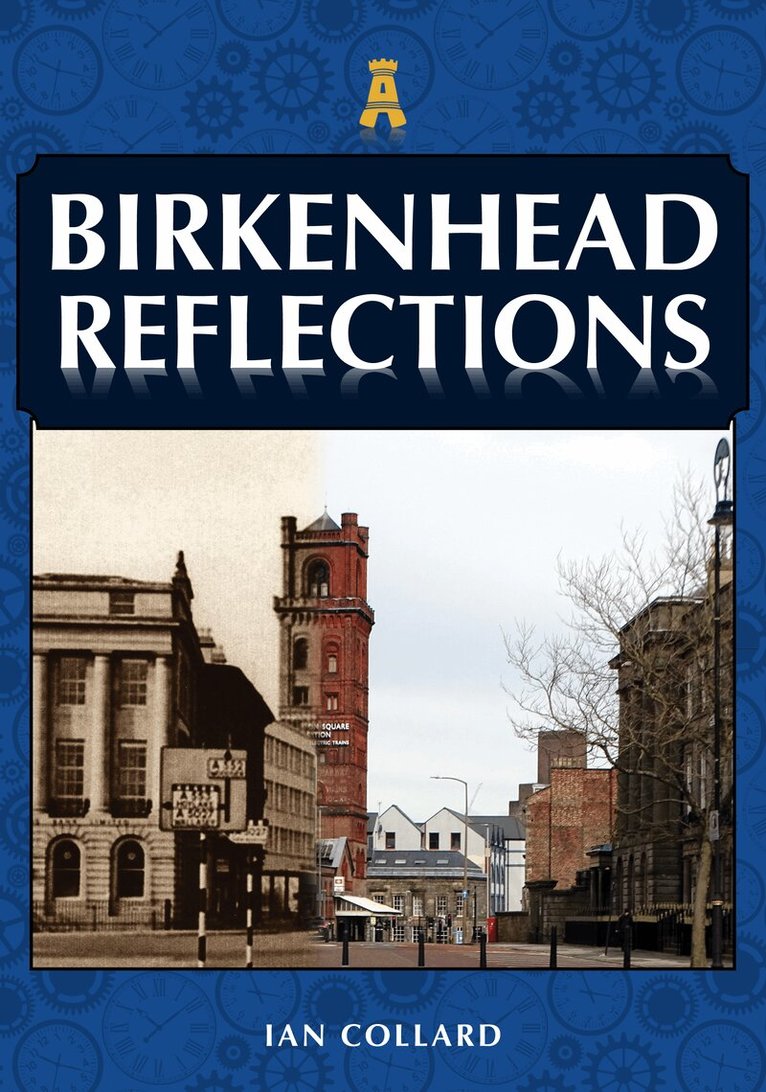
Situated on the Wirral Peninsula, across the River Mersey from Liverpool, is the town of Birkenhead. It can trace its origins back to the twelfth century when a Benedictine priory and Mersey ferry were established here. Later, as a result of the Industrial Revolution, it expanded and prospered with the shipbuilders Cammell Laird, the docks and the Mersey Railway connecting Birkenhead and Liverpool. The town was the location for Britain’s first street tramway and the world’s first publicly funded civic park, which was designed by Joseph Paxton and is now a Grade I listed landscape. Birkenhead’s other architectural highlights are to be found in Hamilton Square with its many Georgian residences.In Birkenhead Reflections, local author Ian Collard has brought together a fascinating collection of historic and modern pictures that are individually merged to reveal how the town has changed over the decades. Each of the 180 pictures combines a recent colour view with the matching archive scene. Through the merged-image effect, readers can see how streets, buildings, industries, the port and aspects of everyday life have transformed with the passing of time. This evocative visual chronicle, which ingeniously reflects Birkenhead past and present, will appeal to residents and everyone with links to the town.
197 kr
Skickas
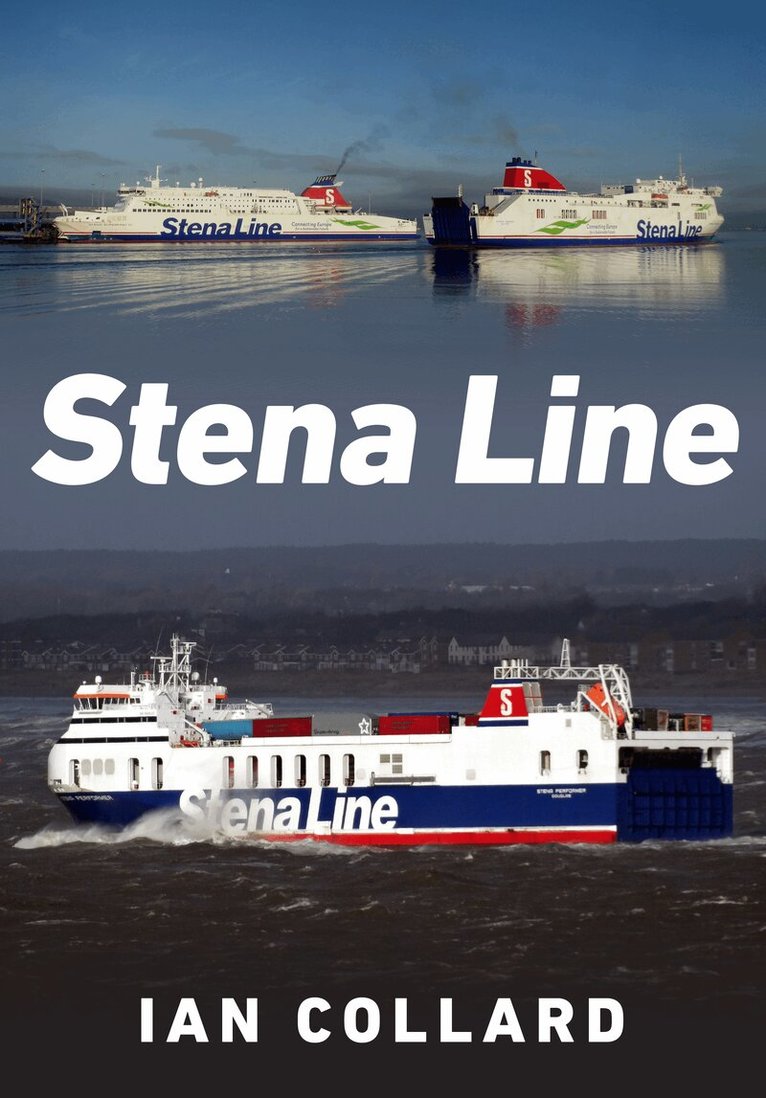
The major company in the short-sea passenger and freight business in 2020 is the Swedish Stena Line, who operate services to Europe, Scandinavia and Ireland from United Kingdom ports.The company was founded in 1962 by Sten A. Olsson in Gothenburg, Sweden, and was one of the first ferry operators in Europe to introduce a computer-based reservation system. In the 1980s, Stena took over three other ferry companies and their ships. Various other acquisitions followed, including the Harwich to Hook of Holland route The company doubled in size in 1990 following its takeover of Sealink British Ferries and Sea Containers. The company became Sealink Stena Line, then Stena Sealink Line, and finally Stena Line.With a wealth of rare and previously unpublished images, Ian Collard celebrates this famous company.
178 kr
Skickas inom 11-20 vardagar
In this book, Ian Collard uses his collection of rare and previously unpublished images to tell the story of the Irish sea ports located on the River Mersey and River Dee. The history of these ports stretches back hundreds of years. The Mersey Docks & Harbour Board took control in 1858, and a variety of boards and groups have controlled various elements along both the Mersey and Dee ever since.Illustrated profusely throughout, this book tells the fascinating history of these hubs of business and activity.
178 kr
Skickas
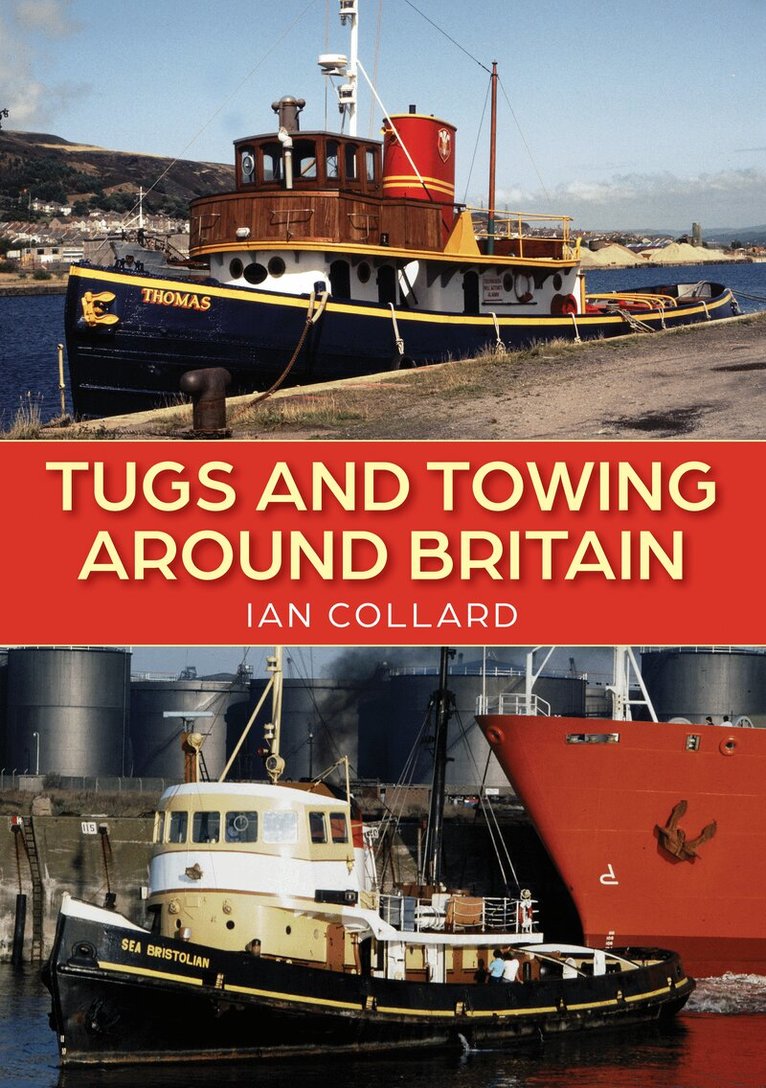
The first tugs were built at the beginning of the nineteenth century as a result of the development of enclosed docks and the increase in size and power of sea-going vessels. Tugs were needed to assist ships to their berths and to navigate larger vessels into narrow waterways and tight docking areas. Tugs can tow or push vessels and need to be highly manoeuvrable and powerful. It is thought that the first tugboat was the Charlotte Dundas, which was powered by a Watt engine and was employed towing barges on the Forth and Clyde Canal in Scotland in 1802. The early tugs were fitted with paddle wheels, which were later replaced by propeller driven vessels.Ian Collard looks at a range of tugs employed around the British Isles assisting a variety of ships in the major ports and a selection of the smaller ones. The book features previously unpublished photographs from the author’s collection accompanied by informative captions.
178 kr
Skickas
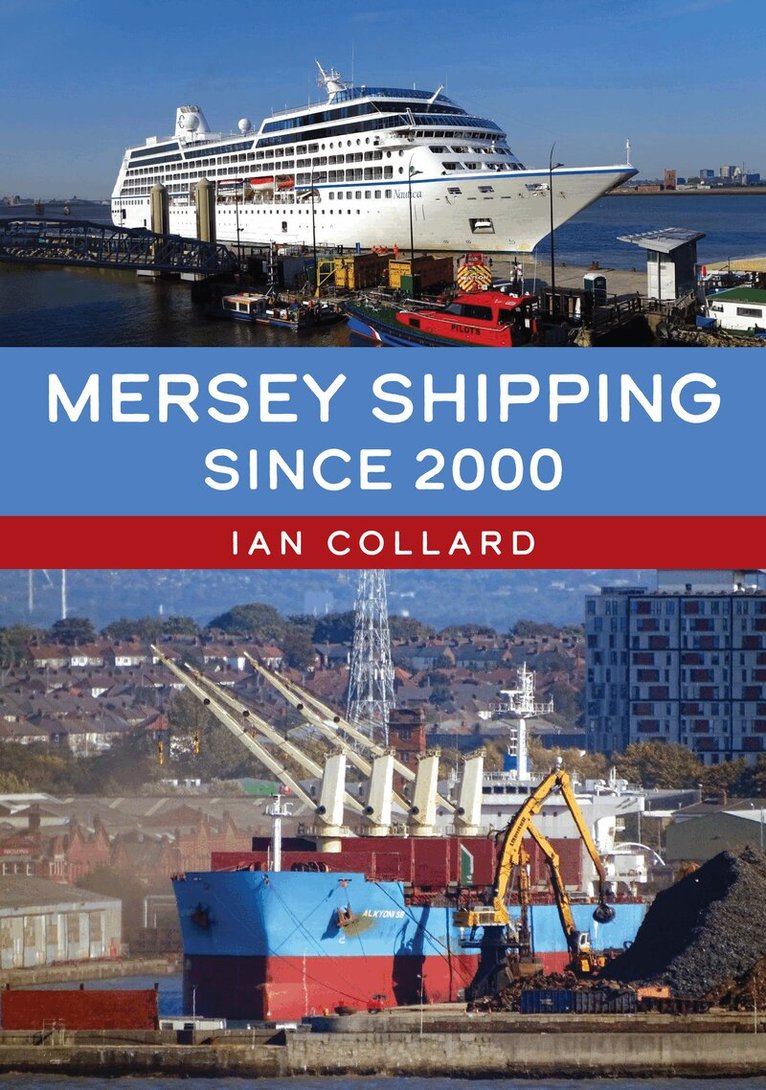
The Mersey Docks & Harbour Board was created in 1858, becoming a limited company in 1972. There followed a programme of investment in the facilities to be completed and the building of a new dock and terminals at Seaforth, Liverpool and Birkenhead. The carriage of goods in containers changed the way cargo was carried and the type and design of ships using ports around the world. By 2000 new facilities were being developed for the grain and timber trades. The scrap-metal trade took over many of the old berths and a new steel terminal was opened. The year 2000 was a time of transition for the port and the type of ships required to carry cargo and passengers. Roll-on/roll-off cargo to Ireland rose by a third in 2000, a new river terminal was built and new ferries were introduced. Specialist ships are employed on the new business and a cruise terminal was opened in 2008, which can accommodate the largest vessels to enter the Mersey. The River Mersey now welcomes every type of ship trading around the world, including dry-cargo, bulkers, oil tankers, tugs, coastal vessels, cruise ships and vessels arriving at Cammell Laird for annual overhaul, repair or conversion.Through a selection of fascinating images, Ian Collard explores the decline in areas of trade, consequent loss of traditional ships and the development of new business and ships specially designed and equipped to deal with the changing pattern of trade across the world.
178 kr
Kommande
In the early 1970s the shipping industry around the world was facing a crisis following competition from new forms of transport, package holidays and the introduction of the giant Boeing 737. People were able to fly across the Atlantic and to Australia in hours and the large ocean liners were soon running at a loss and were laid up. Here Ian Collard recounts the story of two friends who seized the opportunity to form and develop a cruise line which is now the largest and most successful of its kind in the world. Arison and Riklis borrowed capital and bought a number of the redundant ocean liners at bargain basement prices and provided cruise holidays for ordinary working people. They had a completely new business model and branded their concept as ‘fun cruises’ based on ‘a boatload of vision, a second-hand ship and just enough fuel to make the one-way trip from Miami to San Juan’.Ian Collard offers a vibrant selection of images to tell the fascinating story of Carnival Cruises, now known as ‘The World’s Most Popular Cruise Line’.
178 kr
Skickas inom 11-20 vardagar
Although Liverpool has existed as a port since the thirteenth century, it wasn't until the seventeenth century that it truly began to grow on the profits of trade with America, importing sugar from the West Indies and Virginia tobacco and exporting textiles from Lancashire. In the eighteenth century the slave trade too began to bring money into Liverpool, but once it was banned in Britain, Liverpool continued to grow, trading with the West Indies, Canada and the US. The results of all this can be seen in Liverpool City Centre Through Time, in which old and new views of such surviving buildings as the Cotton Exchange, the headquarters of the White Star Line and the famous Adelphi Hotel mingle with images of buildings like the Sailors' church and the General Post Office which were damaged by bombing during the Second World War and redeveloped later.
178 kr
Skickas inom 11-20 vardagar
The Pier Head and landing stages have been places where the people of Liverpool have been able to view, participate in and enjoy many of the major maritime celebrations and events of the last hundred years. It is the city's equivalent to the Sydney Opera House, Fisherman's Wharf at San Francisco, the Manhattan Piers in New York and the Tower Bridge in London; a hub of transport, culture and transatlantic shipping. This book will take readers on a comprehensive photographic guide, past and present, not only of Liverpool Pier Head and Landing Stages and the architectural changes undergone, but also the regular visitors to Liverpool riverside, their own histories, and the technological changes of the shipping industry.
172 kr
Skickas inom 11-20 vardagar
The Port of Liverpool handles more container trade with the United States than any other port in the UK and now also serves more than 100 other non-EU destinations, from China to Africa and the Middle East, and from Australia to South America. Liverpool has been an important port since the seventeenth century, when the city began to import West Indian sugar and Virginian tobacco, exporting Lancashire textiles in return.In Liverpool Docks Through Time, a wide collection of photographs guides the reader from the early years through the massive expansion of the nineteenth century and the reconstruction that followed the Second World War to the new patterns of trade that emerged later in the twentieth century and up to the present day. It covers everything from White Star ocean liners to the tugs of the modern docks and from hard-working freighters to restored sailing ships.
221 kr
Tillfälligt slut
Since Arthur Anderson invited William Makepeace Thackeray to take a cruise in 1844, and to write about it, British shipping lines have offered passage for no other reason than leisure on their vessels. By the 1880s, passenger ships designed solely for cruising were being built and the cruise ships kept many a shipping line afl oat during the Depression years, whether offering booze cruises to nowhere for alcohol-starved Americans, or out of unlikely ports such as Immingham to Norway for the British middle classes. Ian Collard tells the story of British cruising from these early days until the advent of the Second World War, when British cruise ships were caught in ports the world over. During the war years many cruise ships were used as armed merchant cruisers and a great number were sunk, sometimes in heroic circumstances, such as the loss of the SS Jervis Bay to the German battle cruiser Admiral Scheer, which saw a VC won by the Jervis Bay's captain
214 kr
Skickas inom 11-20 vardagar
When Arthur Anderson invited William Makepeace Thackeray to take a cruise in 1844, and to write about it, British shipping lines offered passage on their vessels for no other reason than leisure. By the 1880s, passenger ships designed solely for cruising were being built, and the cruise ships kept many a shipping line afloat during the Depression years, whether by offering booze cruises to nowhere for alcohol-starved Americans, or out of unlikely ports such as Immingham to Norway for the British middle classes. Ian Collard continues the story of British cruising from the end of the Second World War, when Cunard began construction of their 'green goddess', the Caronia, aimed squarely at the American market. The 1960s saw a shift from line voyages to cruising as the major money earner for all of the British passenger lines. The QE2 and Canberra made up the bulk of British cruise voyages in the 1970s and early 1980s. By the 1990s, there had been a resurgence in cruising, with new cruise ships and companies operating. From a low of 180,000 passengers in 1981 to some 1.5 million in 2013, British cruising is alive and well.
214 kr
Tillfälligt slut
The Blue Funnel Line was formed by the visionary Alfred Holt, who saw the steamship as a better and more economical way of shipping cargo and passengers to the Far East, China and later Australia. Alfred Holt commenced ship-owning with Thomas Ainsworth in 1852, and they built their first new ship in 1854, which they immediately chartered to the French Government for use in the Crimean War. In 1864, they began sailing to China and the Far East, and have since become the major British company serving this area. The company was registered as the Ocean Steamship Co. in 1865. In 1891, a subsidiary company, Nederlandsche Stoomvaart Maatschappij 'Oceaan' was formed in Amsterdam to compete with Dutch companies serving the East Indies, and the company also formed the Singapore-based East India Ocean Steamship Co. the same year. The China Mutual Steam Navigation Co. was taken over in 1902 together with their fleet of thirteen steamers and their route between China and the West Coasts of Canada and the USA. Through various take-overs, the loss of forty-one ships during the Second World War, and later the need to come to terms with the transformation of freight in containers, the company prevailed. The name of Alfred Holt disappeared in 1967, and the company became Ocean Transport & Trading in 1972. Ian Collard, born and brought up less than half a mile from where the Blue Funnel Line ships berthed at Vittoria Dock, tells the varied and interesting story of this iconic shipping line. As well as providing a detailed history, this informative book contains a full fleet list and over 200 images.
214 kr
Skickas
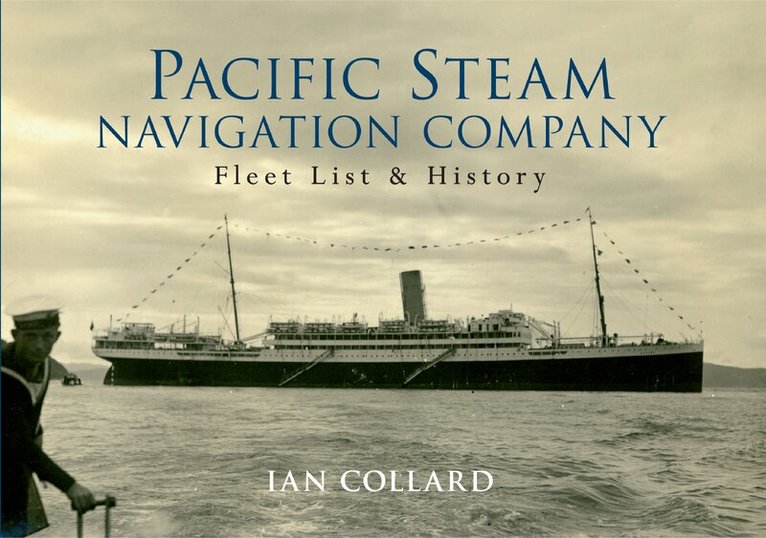
Founded in 1838 in Liverpool, the Pacific Steam Navigation Company was the first to operate steamships in the Pacific and primarily traded from the UK to the Pacific coasts of South America. Its most famous ships included the Reina del Pacifico and the Reina del Mar. With a line of notable firsts to its name, the Pacific Steam Navigation Company name had disappeared by 1984, part of the rationalization of Furness Withy Group. In 1990, Furness Withy itself was sold to Hamburg Sud, another line which had operated on the South Atlantic and Pacific routes. Many in Liverpool and in South and Central America, from Panama to Tierra del Fuego have fond memories of the Pacific Steam Navigation Company and this history and fleet list will bring back memories of those vessels of the line, both deep sea and coastal, which once operated on the South American run.
214 kr
Tillfälligt slut
The Blue Star Line was founded by brothers William and Edmund Vestey in 1911 to ship meat in refrigerated vessels from Australia, New Zealand and South America to the UK. Expanding into passenger services as well as refrigerated and general cargo, the line launched services to South America via Portugal and the Canary Islands in the 1920s. Possibly the most famous of the Blue Star Line vessels was the ill-fated Arandora Star, torpedoed by a U-boat off the coast of County Donegal in June 1940 while carrying German and Italian prisoners and internees to camps in Canada, although many other Blue Star Line vessels served in the First and Second World Wars.In this book, noted maritime author Ian Collard provides a comprehensive illustrated history of the ships of the Blue Star Line from the company’s foundation to the twenty-first century.
214 kr
Tillfälligt slut
Formed on Merseyside in 1913, Coast Lines grew from a small fleet of sixteen coastal ships operating in the Irish Sea to the world’s largest coastal fleet. At the time, over 4 million tons of shipping sailed from the Mersey on coastal voyages. At its height, the company included Powell, Bacon & Hough Lines, British Channel Islands Shipping, Queenship Navigation, the Belfast Steamship Company, Burns & Laird Lines, the British & Irish Steam Packet, the North of Scotland, Orkney & Shetland Shipping Company, Tyne Tees Shipping and the Zillah Shipping Company. Pioneering the coordination of road transport with coastal shipping from the 1950s onwards, in 1971 Coast Lines was eventually taken over by P&O, by which time the fleet had declined from 110 passenger and cargo vessels in 1955 to only twenty-five.In this book, Ian Collard both examines the fascinating history of this famous Liverpool shipping company and provides a comprehensive fleet list.
173 kr
Skickas inom 11-20 vardagar
From its humble thirteenth-century origins, Liverpool grew rapidly to become the greatest port in the British Empire outside London, but by 1980 the city was seemingly in terminal decline: its population had more than halved, its infrastructure and economy were decaying, and its political leaders were leading the city towards complete collapse. Today though, Liverpool is experiencing a renaissance; it has one of the fastest-growing economies in Britain, it has been a European Capital of Culture and is a UNESCO World Heritage Site.Liverpool’s proud and distinctive identity is embodied in the buildings that have shaped the city. Liverpool in 50 Buildings explores the extraordinary history of this rich and vibrant community through a selection of its greatest architectural treasures. From the Royal Liver Building to the prestigious Oriel Chambers, and from the University of Liverpool to Speke Hall, this unique study celebrates the city’s architectural heritage in a new and accessible way. Well-known local author Ian Collard guides the reader on a tour of the city’s historic buildings and its modern architectural marvels.
111 kr
Skickas
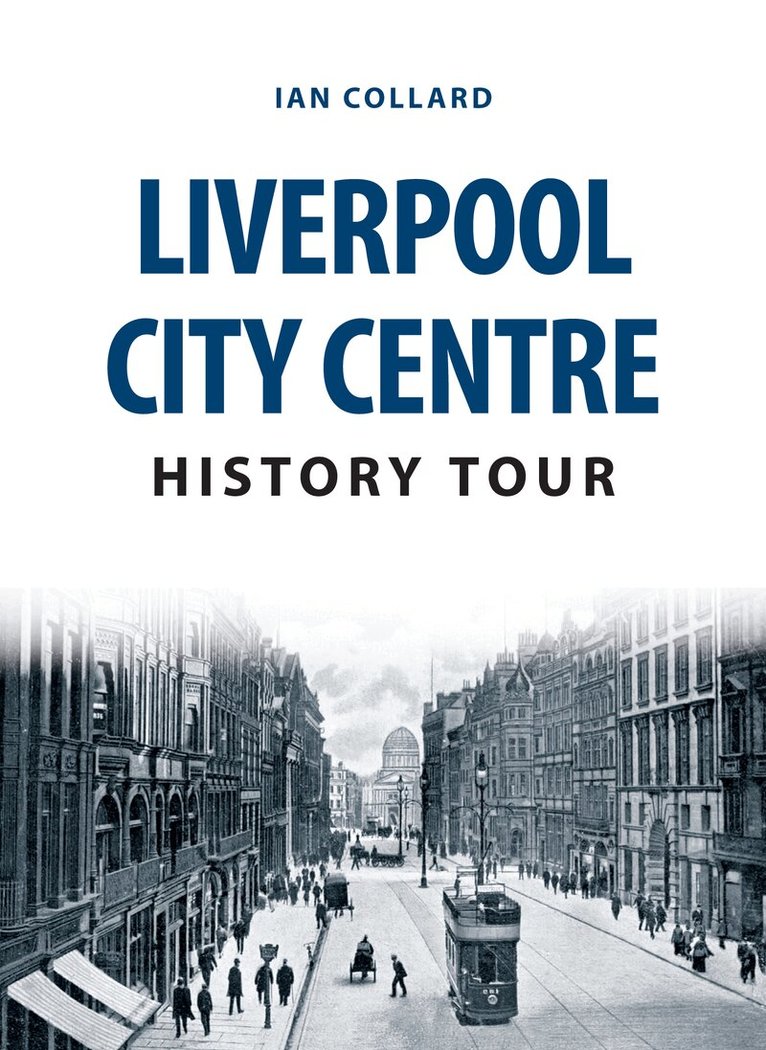
Liverpool City Centre History Tour is a unique insight into the illustrious history of this famous old port city. Local author Ian Collard guides us through the streets and alleyways, showing how its famous landmarks used to look and how they’ve changed over the years, as well as exploring its lesser-known sights and hidden corners. With the help of a handy location map, readers are invited to follow a timeline of events and discover for themselves the changing face of Liverpool City Centre.
178 kr
Skickas
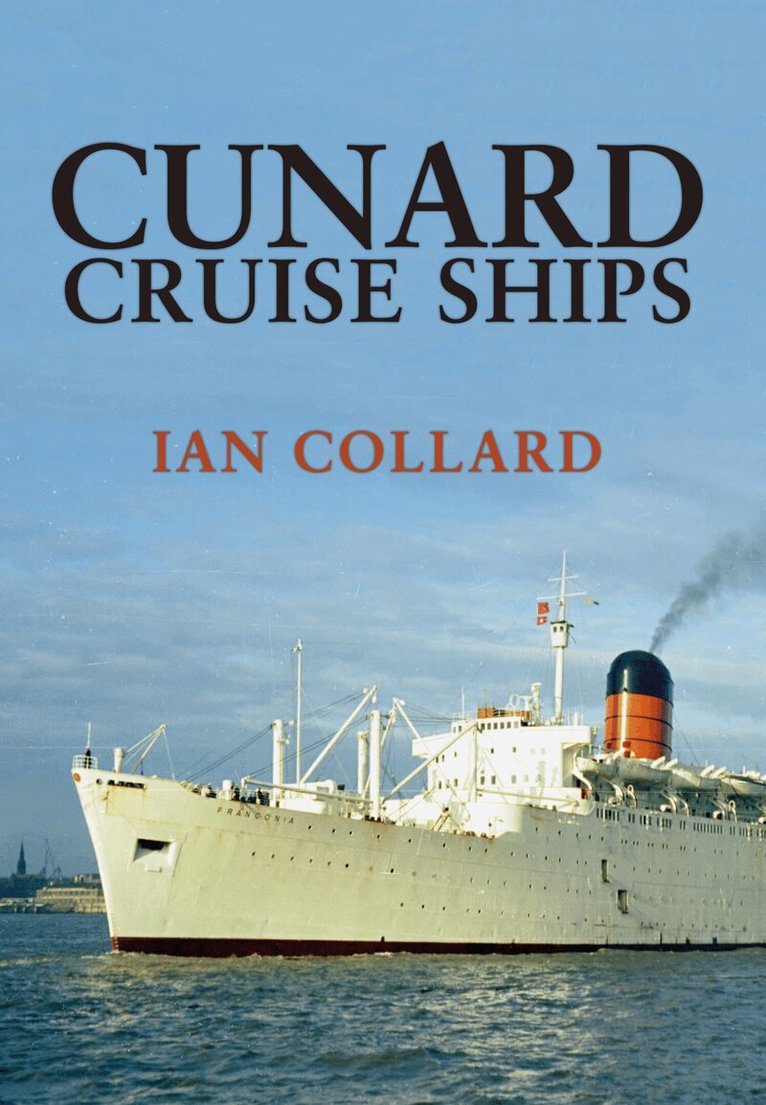
The Cunard Line’s Britannia was the first steamship to establish regular communication across the Atlantic. She sailed on her maiden voyage on 4 July 1840, setting in motion the first regular steamship line. Iron supplanted wood in hull construction and the screw propeller was gradually replacing the paddle wheel. The line became a public company in 1878 and became the Cunard Steam Ship Company Ltd. The construction of many famous ships such as Mauretania, Lusitania, Queen Mary and Queen Elizabeth followed, and the company continued to trade in profit until the introduction of the jet aircraft in the 1960s and 1970s. Following various restructuring and takeovers, the Cunard Line was acquired by the Carnival Corporation and now offers cruises on the Three Queens.Utilising many rare and unpublished images, Ian Collard offers a superbly illustrated look at the cruise ships operated by Cunard. Included here are images of the ships in many guises and liveries, with comprehensive annotation of these iconic liners.
168 kr
Tillfälligt slut
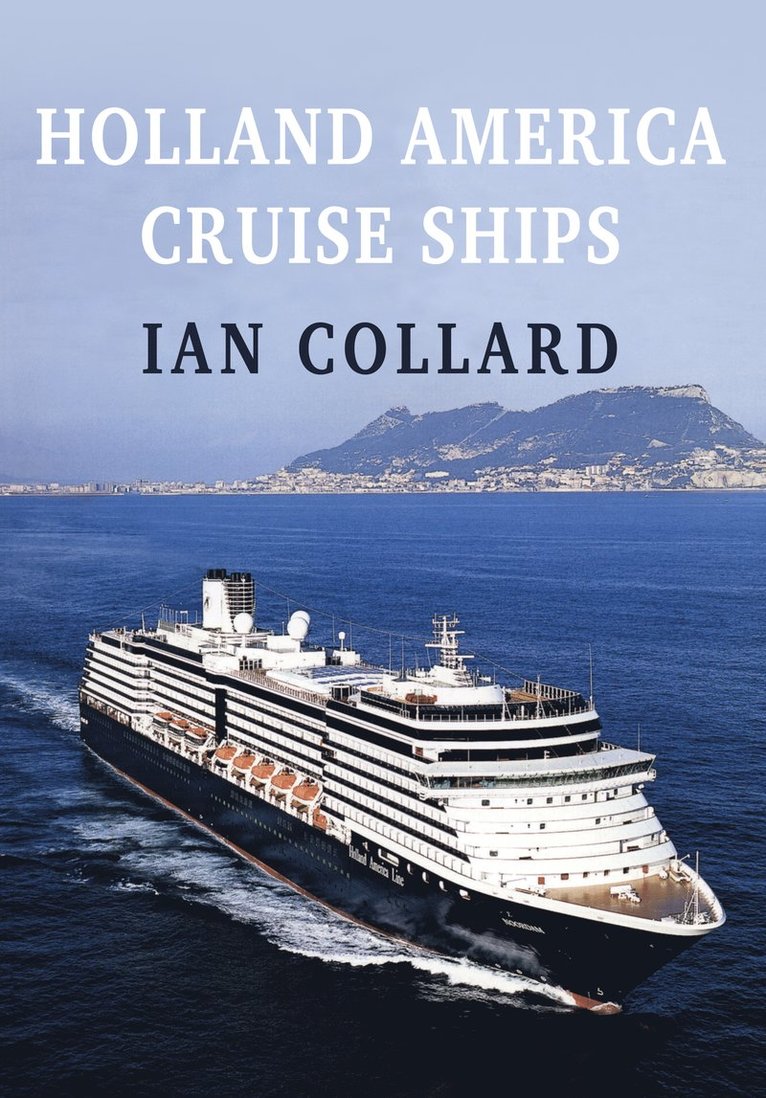
The Holland America Line was founded in 1873 and operated a fleet of passenger and cargo vessels from the Netherlands to the east and west coasts of America. The company later acquired the stock of the Europa-Canada Line and in 1964 became involved with the Swedish America Line, Axel Johnson and Wallenius Rederiana to form the Atlantic Container Line. In 1988 the company was purchased by the Carnival Cruise Line and the name was retained, continuing the history of this line.The company currently operate five different classes of ships, the smaller and older ‘S’ class vessels; the mid-range ‘R’ class; the ‘Vista’ class; the newest and largest ‘Signature’ class; and the smaller ‘Prinsendam’. Koningsdam, delivered on 31 March 2016, is the largest vessel designed and built for the Holland America Line, with a beam of 35 metres, and complies with the new Panamax dimensions, which enable it to cruise through the wider locks in the Panama Canal.Utilising many rare and unpublished images, Ian Collard offers a lavishly illustrated look at the cruise ships operated by the Holland America Line. Included here are images of the ships in many guises and liveries as the author offers an array of superb photographs of these iconic vessels.
178 kr
Skickas
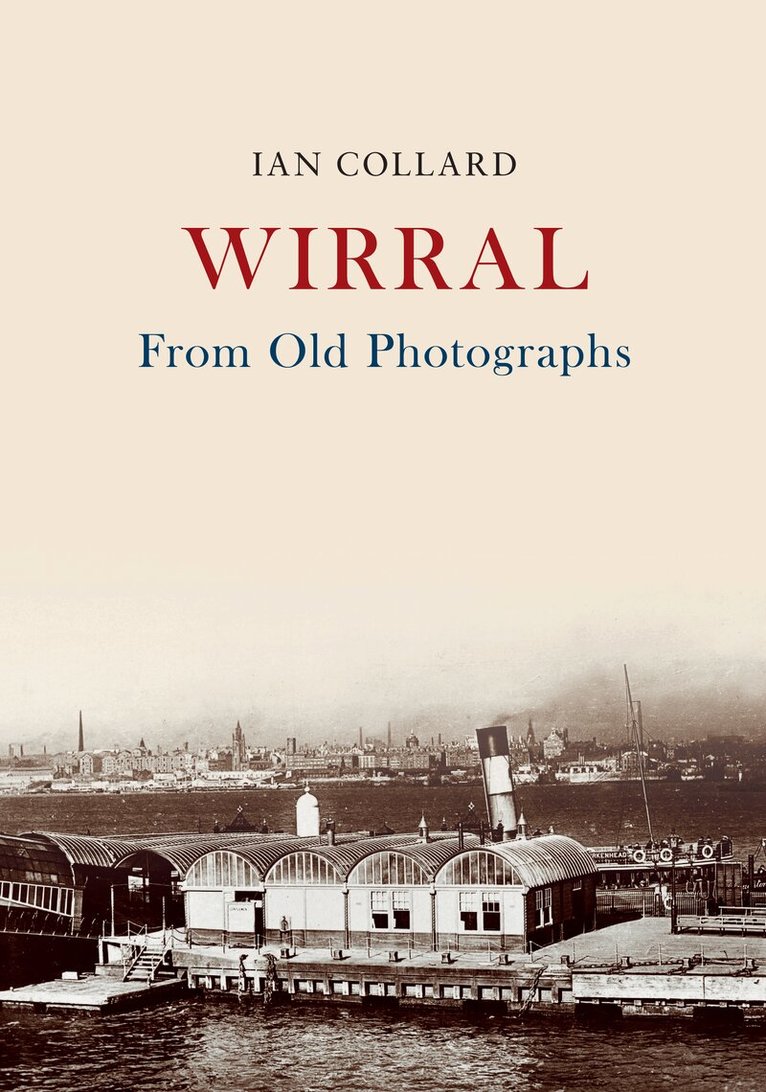
The Wirral Peninsula in north-west England lies within Cheshire and Merseyside but has its own distinct identity. In the east, on the estuary of the River Mersey, lie the two largest urban centres on the Wirral, Birkenhead and Wallasey. These grew rapidly in the nineteenth century with large docks in both, increasing industrialisation and improved access to Liverpool across the Mersey. At the same time the resort of New Brighton was also established. On the eastern side of the Wirral, on the estuary of the River Dee, development in the towns of Hoylake, West Kirby and Heswall was slower, although improved transport links with Chester and Liverpool in the nineteenth and twentieth centuries saw these towns grow too. Away from these heavily populated towns, there are more rural areas in the south and west of the Wirral.Wirral From Old Photographs presents a fascinating portrait of the Wirral over the last 100 years. Drawing on an extensive collection of historical photographs, the author surveys how the area has changed, from the height of its industrial development, when the docks were busy, through the intense destruction of areas of the Wirral from aerial bombardment during the Second World War, post-war industrial decline and later regeneration. This book will appeal to all those who know this part of north-west England.
113 kr
Skickas inom 11-20 vardagar
The earliest mention of Birkenhead, on the Wirral Peninsula, was in the twelfth century when monks built a priory there and established a ferry crossing to Liverpool. In later centuries the town became famous for its shipbuilding industry, most notably with the Cammell Laird shipyard, and as a centre for trade with the docks. The town prospered during the Industrial Revolution and was the location for Britain’s first street tramway. Joseph Paxton designed the Grade I listed Birkenhead Park, the first publicly funded one in the world, which served as the inspiration for many others including the famous Central Park in New York.Join local author Ian Collard in Birkenhead History Tour as he guides readers on a fascinating walk through the town and its history. Along the route readers will be able to see how Birkenhead has changed during the nineteenth and twentieth centuries. With the help of a handy location map, this pocket-sized guide explores some of the streets, buildings and landmarks, and discovers the well-known and hidden aspects of Birkenhead’s social and industrial heritage.
178 kr
Skickas inom 11-20 vardagar
An Act of Parliament passed in 1836 authorised the Southampton Dock Company to build a dock at Southampton. The foundation stone for the new docks was laid on 12 October 1838. The Eastern Docks were developed in the 1830s and the Inner and Outer Docks were then constructed. The Outer Dock was opened in 1842 and the Inner Dock in 1851, being completed eight years later. As trade and business increased the old facilities proved inadequate and a new dock named Empress Dock was opened by Queen Victoria in 1890. Taken over by the London & South Western Railway Company, the port facilities were nationalised, and then later privatised. The Port of Southampton is now the United Kingdom’s premier passenger port and is the second largest container facility, handling more than 1.5 million containers each year.In this book, Ian Collard uses a wonderful collection of photographs to tell the story of one of the world’s most famous ports.
178 kr
Skickas
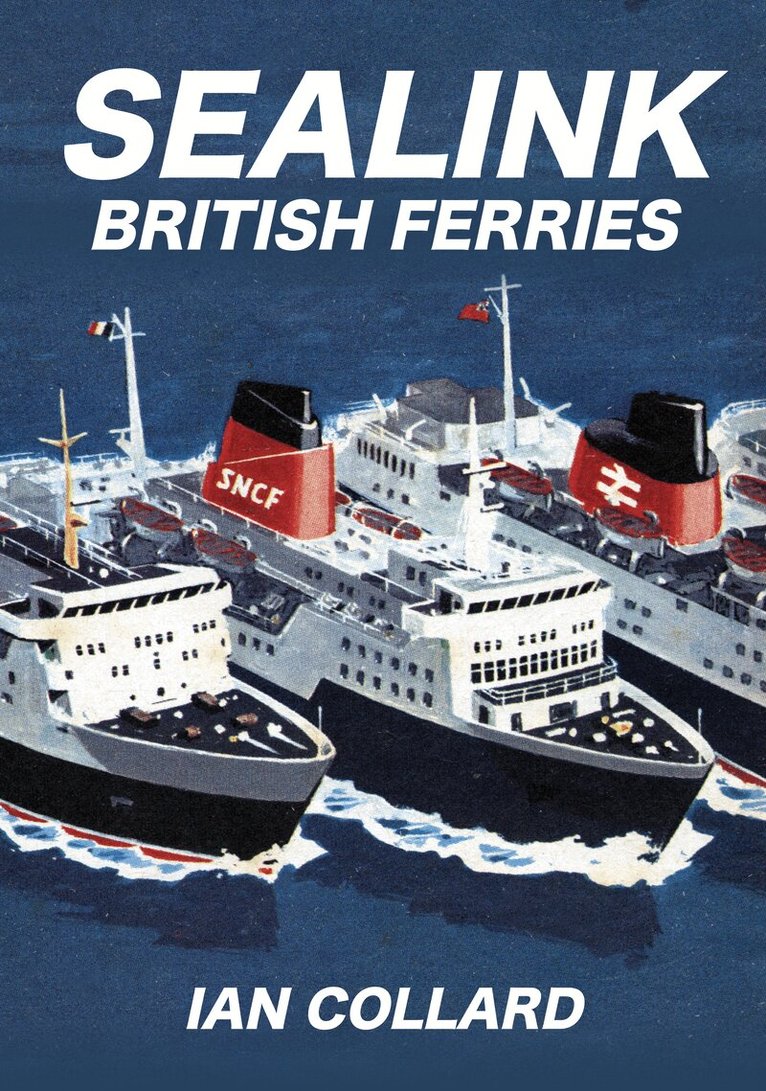
Sealink’s antecedents go back to the packet boats of the days before steam. The invention of the steam engine greatly assisted the development of the railways and led to the growth of the packet boats. The private railway companies recognised the need for an integrated transport system which included operating services across the sea routes.The Big Four railway companies were nationalised in 1948 and their shipping services came under the control of the British Transport ommission. In 1968 a Shipping and International Services Division of the British Railways Board was formed. This separate division operated under the brand name of Sealink. In 1979 the assets of the Shipping and International Services Division were transferred to Sealink UK Limited, a wholly owned subsidiary company.With a wealth of previously unpublished images, Ian Collard tells the fascinating story of this unique shipping company.
189 kr
Skickas inom 11-20 vardagar
Birkenhead From Old Photographs offers a captivating glimpse into the history of Birkenhead, providing the reader with a visual representation of the town's intriguing and chequered history. Drawing upon an eclectic collection of over 200 photographs, Ian Collard presents the reader with an insight into Birkenhead's past and present life. Although views of thriving High Streets, vanished buildings and well-known houses are included, the emphasis throughout is on the people who were born, or settled, here. Browsing through the photographs in this charming book some readers will be taken on a trip down memory lane while others will find themselves on a voyage of discovery.