Ian Duncan – författare
Visar alla böcker från författaren Ian Duncan. Handla med fri frakt och snabb leverans.
28 produkter
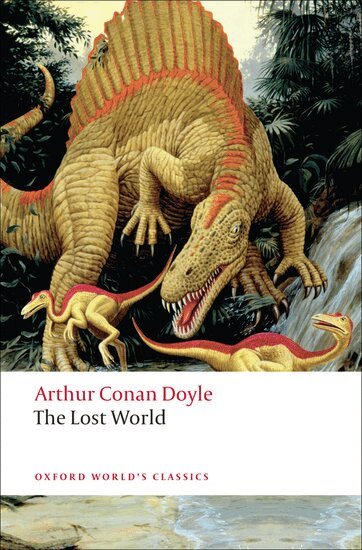
The Lost World
Av Arthur Conan Doyle, Ian Duncan
Häftad, 2008
95 kr
Lägg i varukorg
`the ordinary laws of Nature are suspended. The various checks with influence the struggle for existence in the world at large are all neutralized or altered. Creatures survive which would otherwise disappear.'Headed by the larger than life figure of Professor Challenger, a scientific expedition …
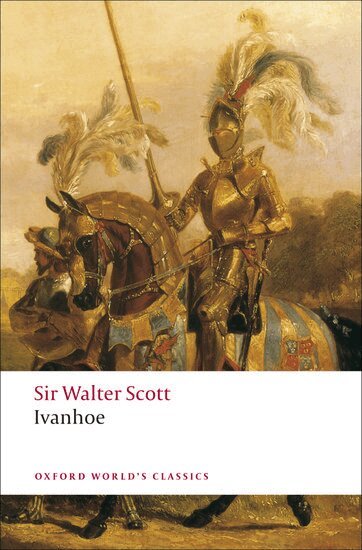
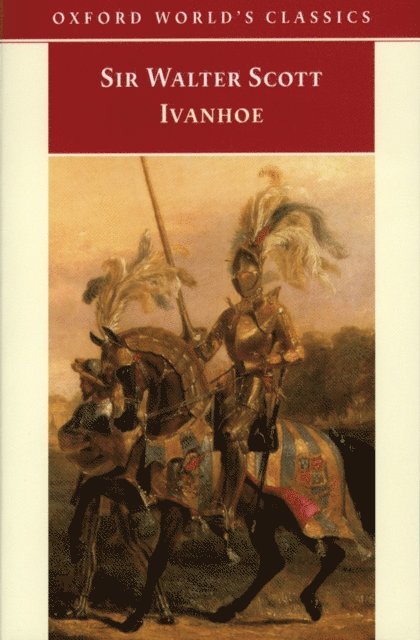
Ivanhoe
Häftad, 2008
130 kr
Lägg i varukorg
More than a century after the Norman Conquest, England remains a colony of foreign warlords. The dissolute Prince John plots to seize his brother's crown, his barons terrorize the country, and the mysterious outlaw Robin Hood haunts the ancient greenwood. The secret return of King Richard and the …
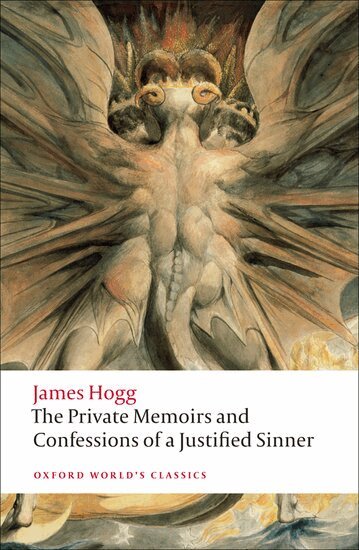
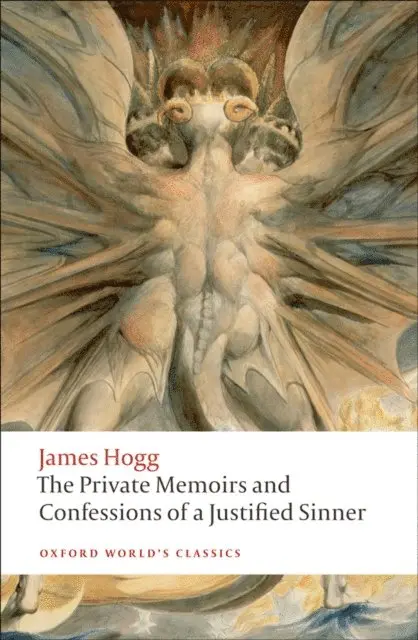
The Private Memoirs and Confessions of a Justified Sinner
Av James Hogg, Ian Duncan
Häftad, 2010
106 kr
Lägg i varukorg
'We have heard much of the rage of fanaticism in former days, but nothing to this'A wretched young man, 'an outcast in the world', tells the story of his upbringing by a heretical Calvinist minister who leads him to believe that he is one of the elect, predestined for salvation and thus above the …
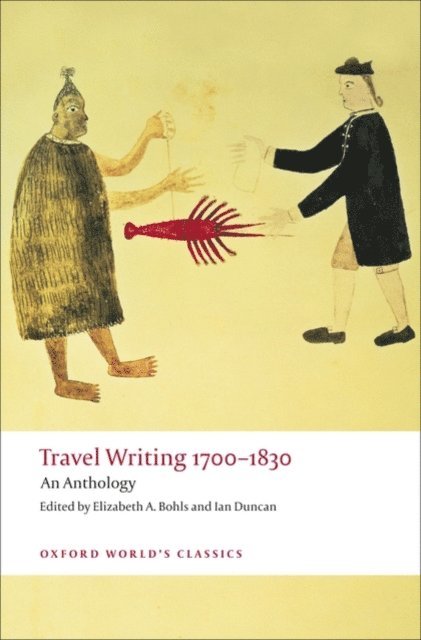
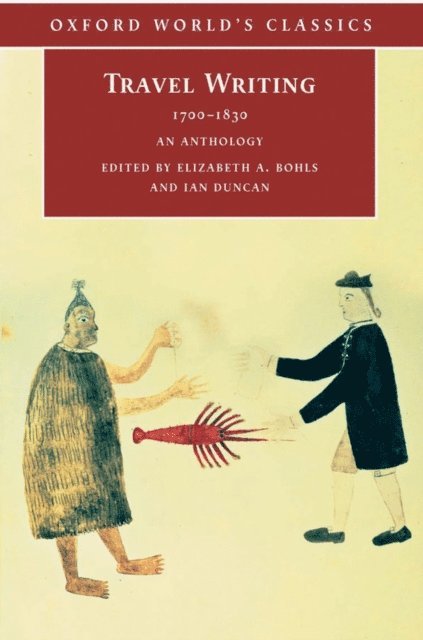
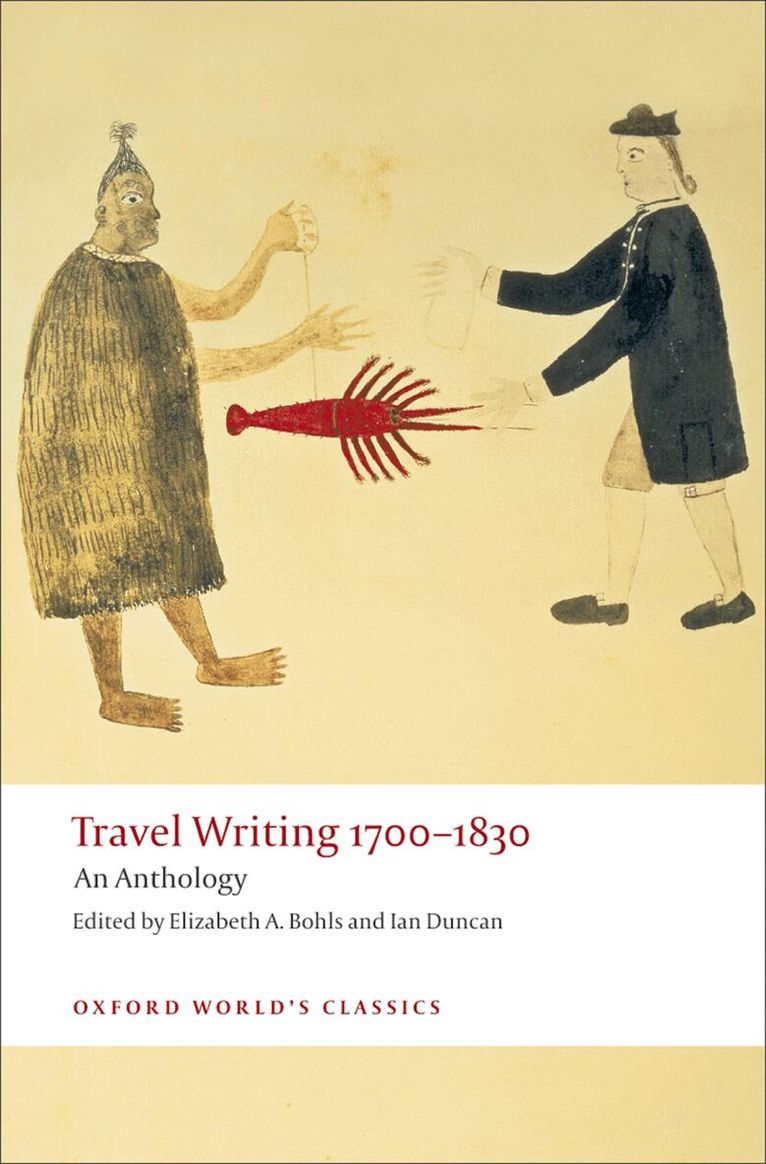
Travel Writing 1700-1830
An Anthology
Av Ian Duncan, Elizabeth A. Bohls
E-bok, 2008
153 kr
Lägg i varukorg
''How is the mind agitated and bewildered, at being thus, as it were, placed on the borders of a new world!'' - William Bartram ''Thus you see, dear sister, the manners of mankind do not differ so widely as our voyage writers would have us believe.'' - Mary Wortley Montagu With widely varied …
Travel Writing 1700-1830
An Anthology
Av Ian Duncan, Elizabeth A. Bohls
E-bok, 2005
153 kr
Lägg i varukorg
''How is the mind agitated and bewildered, at being thus, as it were, placed on the borders of a new world!'' - William Bartram ''Thus you see, dear sister, the manners of mankind do not differ so widely as our voyage writers would have us believe.'' - Mary Wortley Montagu With widely varied …
Ivanhoe
E-bok, 1998
106 kr
Lägg i varukorg
More than a century after the Norman Conquest, England remains a colony of foreign warlords. The dissolute Prince John plots to seize his brother''s crown, his barons terrorize the country, and the mysterious outlaw Robin Hood haunts the ancient greenwood. The secret return of King Richard and the …
Private Memoirs and Confessions of a Justified Sinner
Av James Hogg, Ian Duncan
E-bok, 2010
72 kr
Lägg i varukorg
''We have heard much of the rage of fanaticism in former days, but nothing to this'' A wretched young man, ''an outcast in the world'', tells the story of his upbringing by a heretical Calvinist minister who leads him to believe that he is one of the elect, predestined for salvation and thus above …
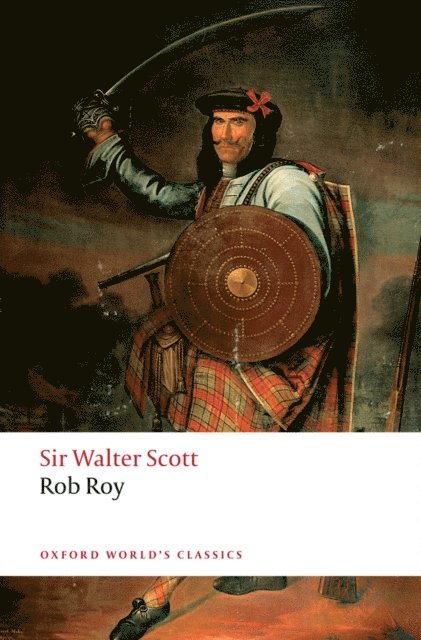
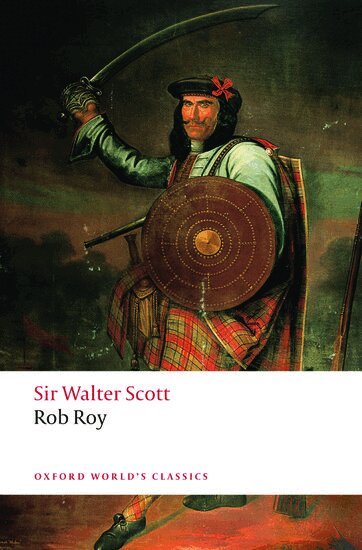
Rob Roy
E-bok, 2008
117 kr
Lägg i varukorg
For the most popular of his Scottish romances, published at the end of 1817, Scott drew on the legends and historical anecdotes about Rob Roy MacGregor he had collected in his youth. The famous outlaw is only one of a series of vivid characters who cast their spell of the novel''s hero, Frank …
Travel Writing 1700-1830
An Anthology
Av Elizabeth A. Bohls, Ian Duncan
Häftad, 2008
166 kr
Lägg i varukorg
'How is the mind agitated and bewildered, at being thus, as it were, placed on the borders of a new world!' - William Bartram'Thus you see, dear sister, the manners of mankind do not differ so widely as our voyage writers would have us believe.' - Mary Wortley MontaguWith widely varied motives - …
Rob Roy
Häftad, 2008
130 kr
Lägg i varukorg
For the most popular of his Scottish romances, published at the end of 1817, Scott drew on the legends and historical anecdotes about Rob Roy MacGregor he had collected in his youth. The famous outlaw is only one of a series of vivid characters who cast their spell of the novel's hero, Frank …
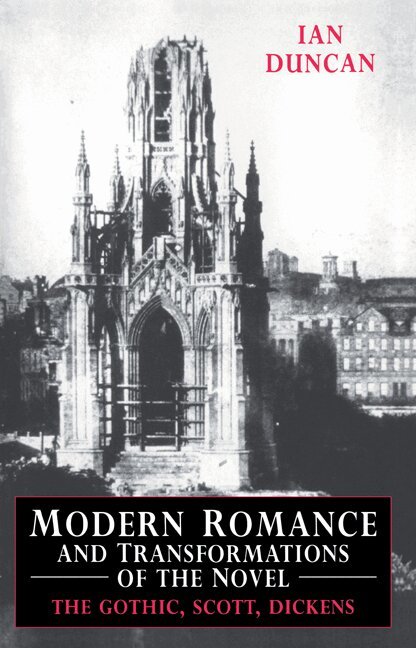
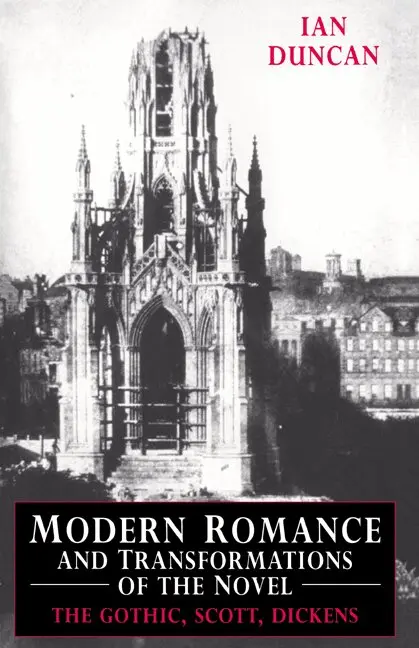
Modern Romance and Transformations of the Novel
The Gothic, Scott, Dickens
Av Ian Duncan
Häftad, 2005
842 kr
Lägg i varukorg
Modern Romance examines the relationship between the revival of romance form and the ascendancy of the novel in British literary culture, from 1760 to 1850. The revival of romance as the literary embodiment of a national cultural identity provided a metaphor for the 'authenticity' of the novel …
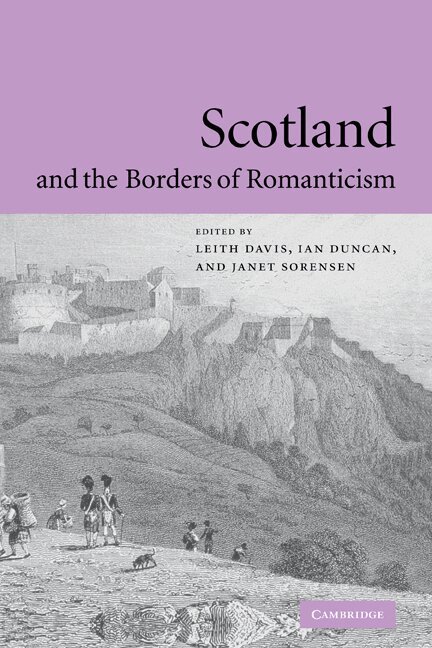
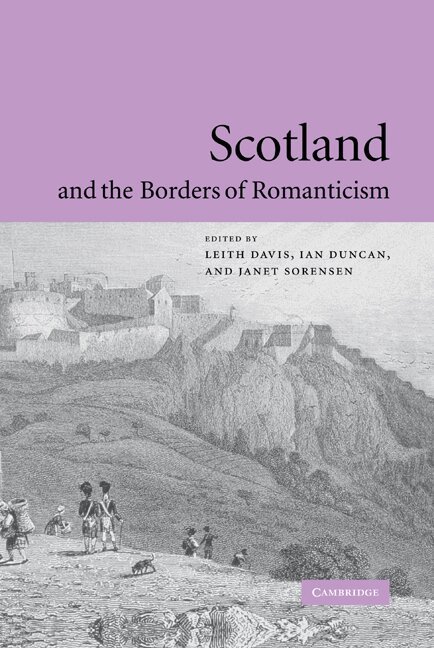
Scotland and the Borders of Romanticism
Av Leith Davis, Ian Duncan m. fl.
Häftad, 2011
654 kr
Lägg i varukorg
Originally published in 2004, Scotland and the Borders of Romanticism is a collection of critical essays devoted to Scottish writing between 1745 and 1830 - a key period marking the contested divide between Scottish Enlightenment and Romanticism in British literary history. Essays in the volume, by …
Modern Romance and Transformations of the Novel
The Gothic, Scott, Dickens
Av Ian Duncan
Inbunden, 1992
1797 kr
Lägg i varukorg
Modern Romance examines the relationship between the revival of romance form and the ascendancy of the novel in British literary culture, from 1760 to 1850. The revival of romance as the literary embodiment of a national cultural identity provided a metaphor for the 'authenticity' of the novel …
Scotland and the Borders of Romanticism
Av Leith Davis, Ian Duncan m. fl.
Inbunden, 2004
1759 kr
Lägg i varukorg
Originally published in 2004, Scotland and the Borders of Romanticism is a collection of critical essays devoted to Scottish writing between 1745 and 1830 - a key period marking the contested divide between Scottish Enlightenment and Romanticism in British literary history. Essays in the volume, by …
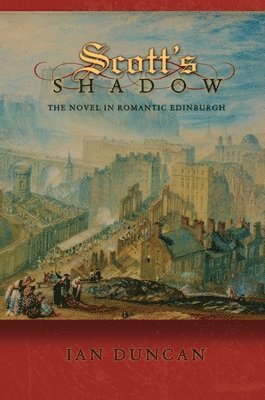
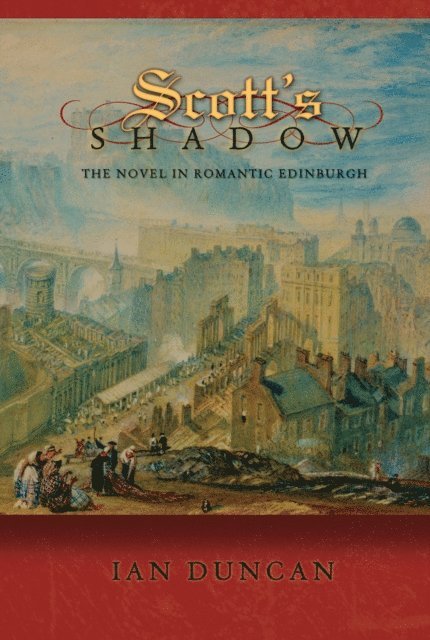
Scott's Shadow
The Novel in Romantic Edinburgh
Av Ian Duncan
Häftad, 2016
372 kr
Lägg i varukorg
Scott's Shadow is the first comprehensive account of the flowering of Scottish fiction between 1802 and 1832, when post-Enlightenment Edinburgh rivaled London as a center for literary and cultural innovation. Ian Duncan shows how Walter Scott became the central figure in these developments, and how …
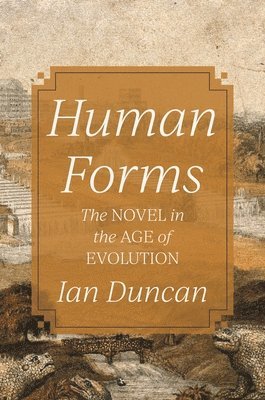
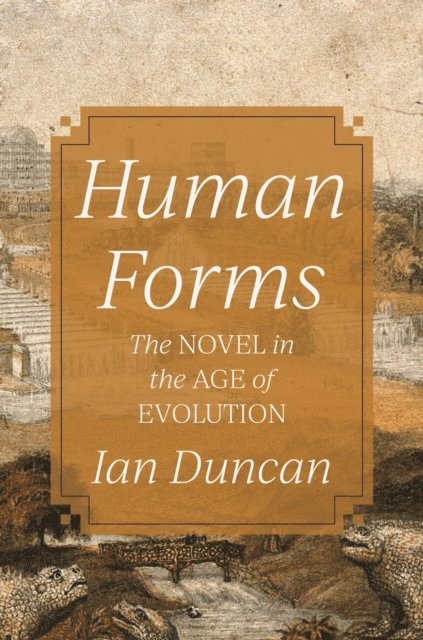
Human Forms
The Novel in the Age of Evolution
Av Ian Duncan
Inbunden, 2019
451 kr
Lägg i varukorg
A major rethinking of the European novel and its relationship to early evolutionary scienceThe 120 years between Henry Fielding's Tom Jones (1749) and George Eliot's Middlemarch (1871) marked both the rise of the novel and the shift from the presumption of a stable, universal human nature to one …
Human Forms
The Novel in the Age of Evolution
Av Ian Duncan
E-bok, 2019
361 kr
Lägg i varukorg
A major rethinking of the European novel and its relationship to early evolutionary science The 120 years between Henry Fielding''s Tom Jones (1749) and George Eliot''s Middlemarch (1871) marked both the rise of the novel and the shift from the presumption of a stable, universal human nature to one …
Human Forms
The Novel in the Age of Evolution
Av Ian Duncan
Häftad, 2024
273 kr
Lägg i varukorg
A major rethinking of the European novel and its relationship to early evolutionary scienceThe 120 years between Henry Fielding's Tom Jones (1749) and George Eliot's Middlemarch (1871) marked both the rise of the novel and the shift from the presumption of a stable, universal human nature to one …
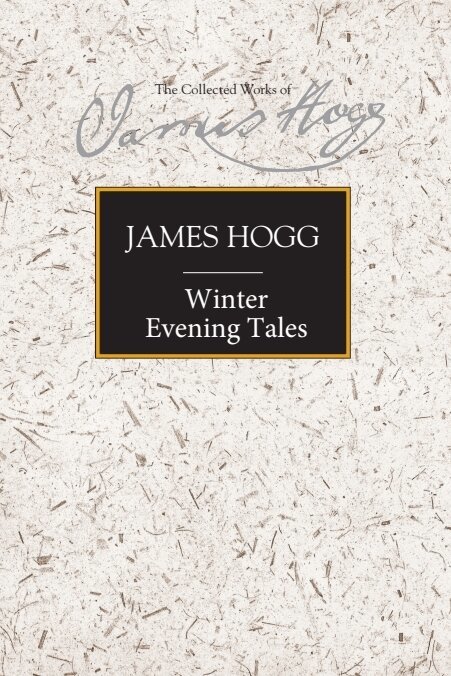
Winter Evening Tales
Av James Hogg, Ian Duncan
Inbunden, 2002
1607 kr
Lägg i varukorg
Winter Evening Tales (1820; second edition 1821) was James Hogg’s most successful work of prose fiction in his lifetime. Exhibiting the most complex genesis of any of Hogg’s works, it is the outstanding example of a ‘national’ genre pioneered by him – the miscellaneous collection of popular and …
Winter Evening Tales
Av James Hogg, Ian Duncan
Häftad, 2004
303 kr
Lägg i varukorg
Winter Evening Tales (1820; second edition 1821) was James Hogg’s most successful work of prose fiction in his lifetime. Its experimental medley of novellas, tales, poems and sketches posed a lively alternative to the dominant form of the historical novel established by Walter Scott.The collection …
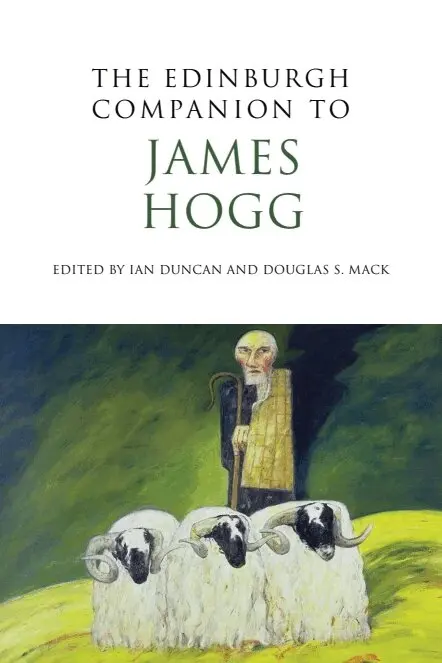
Edinburgh Companion to James Hogg
Av Ian Duncan, Douglas S. Mack
Häftad, 2012
388 kr
Lägg i varukorg
James Hogg (1770-1835) is increasingly recognised as a major Scottish author and one of the most original figures in European Romanticism. 16 essays written by international experts on Hogg draw on recent breakthroughs in research to illuminate the contexts and debates that helped to shape his …
Scott's Shadow
The Novel in Romantic Edinburgh
Av Ian Duncan
E-bok, 2016
492 kr
Lägg i varukorg
Scott''s Shadow is the first comprehensive account of the flowering of Scottish fiction between 1802 and 1832, when post-Enlightenment Edinburgh rivaled London as a center for literary and cultural innovation. Ian Duncan shows how Walter Scott became the central figure in these developments, and …
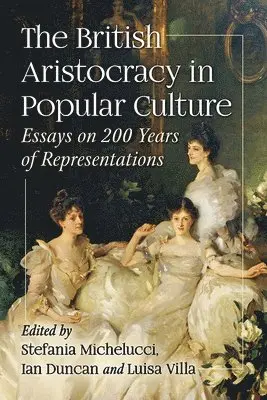
British Aristocracy in Popular Culture
Essays on 200 Years of Representations
Av Stefania Michelucci, Ian Duncan m. fl.
Häftad, 2020
766 kr
Lägg i varukorg
As traditional social hierarchies fall away, ever steeper levels of economic inequality and the entrenchment of new class distinctions lend a new glamor to the idea of aristocracy: witness the worldwide popularity of Downton Abbey, or the seemingly insatiable public fascination with the private …
Subtle Virtues: Navigating the Virtuous Path of Humility in an Age of Self-Promotion
Av Ian Duncan
E-bok
85 kr
Lägg i varukorg
Approaches to Teaching Scott's Waverley Novels
Inbunden, 2009
1230 kr
Tillfälligt slut
Scott's Waverley novels, as his fiction is collectively known, are increasingly popular in the classroom, where they fit into courses that explore topics from Victorianism and nationalism to the rise of the publishing industry and the cult of the author. As the editors of this volume recognize, …