
Ian Stephenson – författare
Visar alla böcker från författaren Ian Stephenson. Handla med fri frakt och snabb leverans.
4 produkter
4 produkter
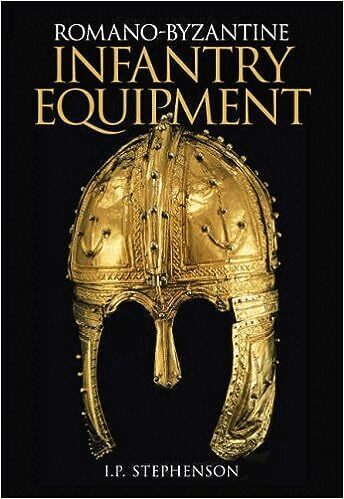
Häftad, Engelska, 2006
262 kr
Skickas
The period from the accession of Diocletian to the Islamic conquest was a tumultuous one: a period of catastrophic defeat (Adrianople and the fall of the Empire in the West), as well as a brilliant success (the Justinian reconquest and the final defeat of Sassanid Persia). The period is well studied in political and historian terms; however, the Imperial Roman Army, particularly its appearance and equipment, remains a neglected topic. As a result a number of misconceptions have arisen. This authoritative follow-up to the author's successful "Roman Infantry Equipment: The Later Empire" not only corrects these misconceptions, it also provides a comprehensive survey of the military material of the period. The equipment, both offensive and defensive, is considered not simply as artefacts in isolation, but rather as pieces of a whole. Form is considered in conjunction with the reasons being the development and adoption, as well as the usage, of the equipment. Finally, the book addresses the vexed question of what exactly was a shieldwall and how did it function, particularly in relation to enemy cavalry. Ian Stephenson has an M Litt in archaeology from the University of Newcastle and is widely published on the subject of Roman and Early Medieval warfare.
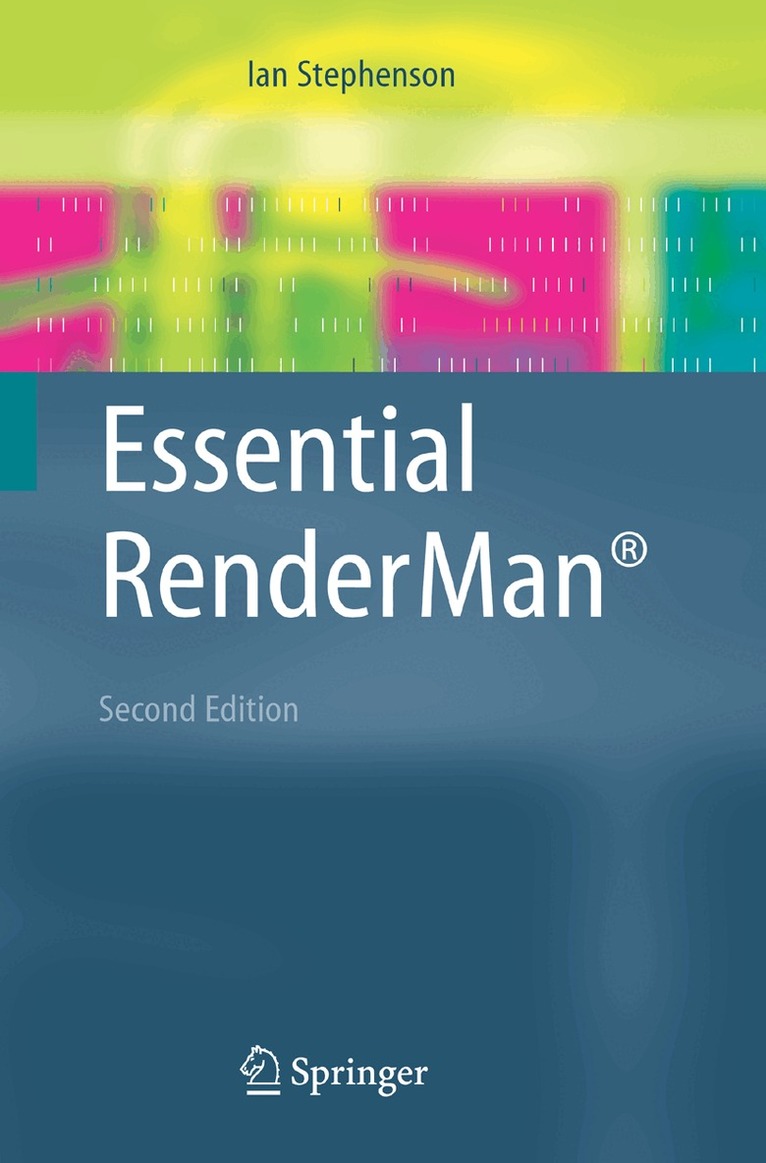
Häftad, Engelska, 2007
447 kr
Skickas inom 10-15 vardagar
RenderMan has long been associated with top-end film production and is an essential tool for creating many of the effects and images in recent animated films (such as Monsters, Inc., Finding Nemo and The Incredibles). RenderMan is widely available and, with the demand for higher quality images, is now used by computer-based artists at all levels of the graphics industry. Intended to provide a straightforward and easy introduction to the basic techniques involved, this book provides an excellent grounding, enabling readers to confidently move to more advanced texts. This second edition includes a new chapter on global illumination, and, with plenty of illustrations and hands-on examples, Ian Stephenson: gives an overview of RenderMan, explains how scenes are described, illustrates (among other things) how to create surfaces; colour; lighting; shadows; and depth of field, using RIB and the C API, introduces the techniques involved in creating shaders, applying textures and using global illumination.
Häftad, Engelska, 2010
1 218 kr
Skickas inom 10-15 vardagar
In the past, rendering systems used a range of different approaches, each compatible and able to handle certain kinds of images. However, the last few years have seen the development of practical techniques, which bring together many areas of research into stable, production ready rendering tools. Production Rendering: Design and Implementation is written by experienced graphics software developers and discusses the techniques they have used to implement feature film quality rendering engines.Key Topics:- A rendering framework for managing a micro polygon-oriented graphics pipeline- Problems presented by different types of geometry showing how different surface types can be made ready for shading- Shading and how it fits into a rendering pipeline- How to write a good shader compiler- Ray tracing in a production renderer- Incorporating global illumination into a renderer- Gathering surface samples into a final image- Tips and tricks in rendering
Inbunden, Engelska, 2004
1 108 kr
Skickas inom 10-15 vardagar
In the past, rendering systems used a range of different approaches, each compatible and able to handle certain kinds of images. However, the last few years have seen the development of practical techniques, which bring together many areas of research into stable, production ready rendering tools. 'Production Rendering' is written by experienced graphics software developers and discusses the techniques they have used to implement feature film quality rendering engines. Written by experienced graphics software developers, this book provides a complete framework, showing how different topics fit together, and covering topics such as: A Rendering framework for managing a micro polygon-oriented graphics pipeline Problems presented by different types of geometry showing how different surface types can be made ready for shading Shading and how it fits into a rendering pipeline How to write a good shader compiler Ray tracing in a production renderer Incorporating global illumination into a renderer Gathering surface samples into a final image Tips and tricks in rendering