Ian Yearsley - Böcker
Visar alla böcker från författaren Ian Yearsley. Handla med fri frakt och snabb leverans.
13 produkter
13 produkter
178 kr
Skickas inom 11-20 vardagar
Southend-on-Sea was only developed in the eighteenth and nineteenth centuries, when it became a popular seaside resort, but behind its façade lie many little-known and fascinating stories. In Secret City of Southend, author Ian Yearsley reveals the history beneath the surface of Southend from its eight historic parishes to the present-day commercial centre. Amongst the topics covered are the old parish boundary markers that can be found today, what the various street names reveal about the times when they were built, the tramway and boulevard systems, the key role played by the town in the Second World War and the relics of wartime that still survive, the redevelopment of the town centre in the 1960s and 1970s, the blue plaques to famous locals – and much more.With tales of remarkable characters, unusual events and tucked-away or disappeared historical buildings and locations, Secret City of Southend will appeal to all those with an interest in the history of this town in Essex.
178 kr
Skickas
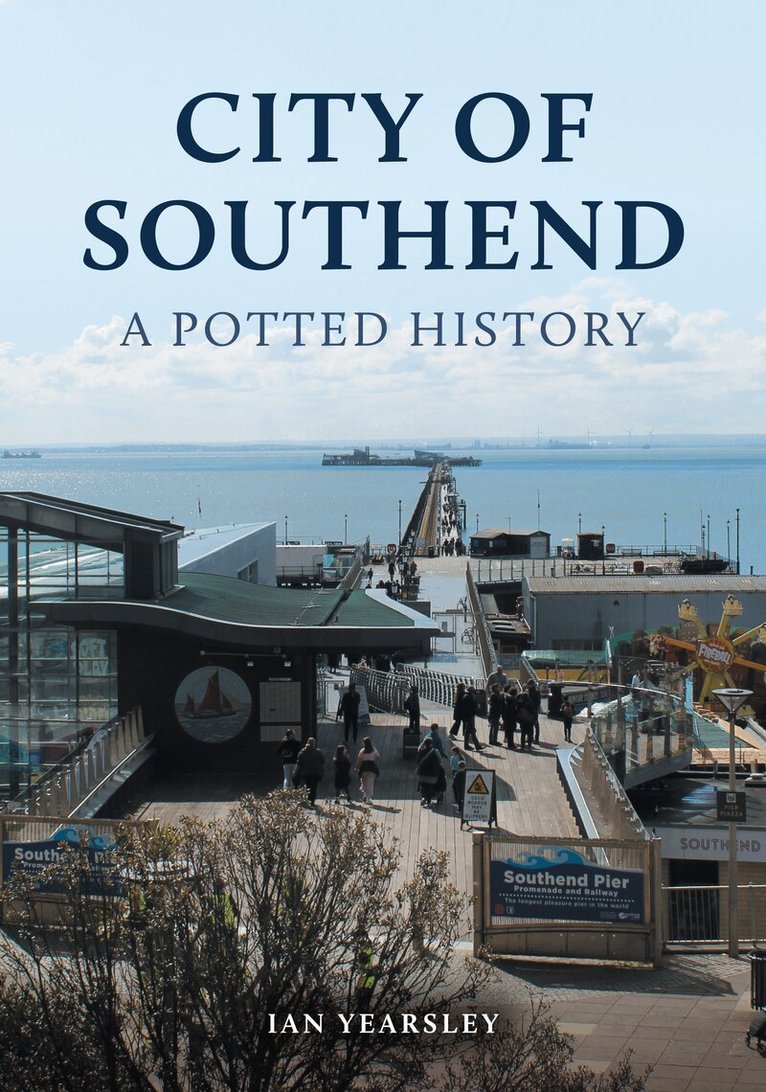
The modern city of Southend-on-Sea has come a long way since its eighteenth-century origins as an oyster fishing hamlet at the south end of Prittlewell parish. Now Southend is a regional employment, shopping and educational centre, attracting 6.5 million visitors a year and housing 180,000 permanent residents. The construction of the Royal Hotel in the 1790s began Southend’s transformation into a resort, but it was the arrival of the railway in 1856 that was the real catalyst for growth. The town’s boundaries expanded three times: in the 1890s, 1910s and 1930s. During the Second World War, Southend played a key part in the defence of London and in the organisation of merchant shipping convoys. By the 1950s and 1960s the town was known far and wide as a mecca for leisure and entertainment. The awarding of city status in 2021, following the senseless murder of Southend West MP Sir David Amess, who had long campaigned for it, was bittersweet but it was also the latest symbol of how Southend has grown.Illustrated throughout, this accessible historical portrait of the transformation that Southend has undergone through the ages will be of great interest to residents, visitors and all those with links to the city.
173 kr
Skickas
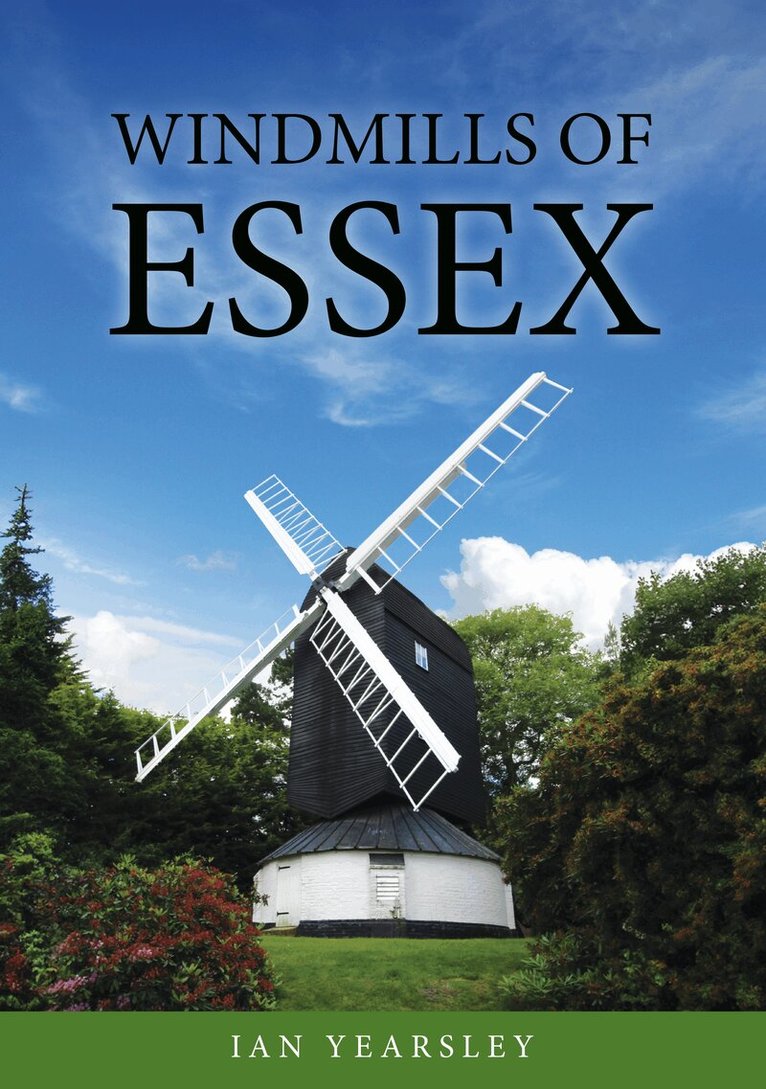
The corn-growing county of Essex was home to over 200 windmills at the peak of the milling industry in the mid-nineteenth century, of which twenty-three survive. In this book author Ian Yearsley explores the history of windmills in Essex, including images of those still standing today and those lost to the past. He examines how the windmills worked and explains the differences between the three main types of windmill – post, smock and tower – and how and why these came about. The book follows the growth and decline of windmill construction through the years and the heritage movement that saw many local windmills saved. Details are given of all of the surviving windmills in Essex, as well as many of the lost windmills in the county.This fascinating picture of an important but often forgotten part of the economy and heritage of Essex will be of interest to all those who live in the county or have known it well over the years, as well as those interested in the uses of renewable technology in centuries past.
173 kr
Skickas inom 11-20 vardagar
Southend-on-Sea is a comparatively modern town. Its origins date to only the eighteenth century, but its geographical spread encompasses six historic parishes: Prittlewell, Southchurch, Leigh, Eastwood, South Shoebury and North Shoebury, whose existence goes back a further 1,100 years to at least the seventh century.Hidden within Southend’s modern sprawl of predominantly nineteenth and twentieth-century streets, and often overlooked by visitors and residents alike, are a number of historic buildings that have survived from those former days and predate the modern town.In Southend In 50 Buildings Ian Yearsley delves into the town’s past to locate, record and discuss Southend’s most interesting buildings from the seventh century to the twenty-first century. Parish churches, manor houses, pubs, homes, agricultural structures, entertainment venues and office blocks all feature in this fully illustrated book which, for the first time ever, attempts a full list, in chronological order, of Southend’s oldest buildings.
177 kr
Skickas inom 5-8 vardagar
142 kr
Skickas inom 5-8 vardagar
127 kr
Skickas inom 5-8 vardagar
180 kr
Skickas inom 5-8 vardagar
494 kr
Skickas inom 5-8 vardagar
54 kr
Skickas inom 11-20 vardagar
54 kr
Skickas inom 11-20 vardagar
208 kr
Tillfälligt slut
Rayleigh owes its origins to the flints on Hambro Hill, which attracted its first human residents as long ago as the Stone Age. In Saxon times the focus moved to the area covered by the modern High Street, but it was not until Rayleigh Castle was built under the Normans that the town really came to life. Its market and fair made it one of the principal towns in south-east Essex throughout the medieval period, and many significant historic buildings from the 14th century onwards survive.After a period of decline in the 18th and early 19th centuries the town’s importance revived with the coming of the railway in 1889. Rapid development followed, and the 20th century saw massive expansion beyond the High Street area. This book is the first full chronological history of Rayleigh to be written and sheds light on several poorly documented periods, including the first half of the 20th century. A wide selection of splendid, previously unpublished, illustrations enhances this welcome addition to the bookshelves of Rayleigh residents and local historians alike.
221 kr
Skickas
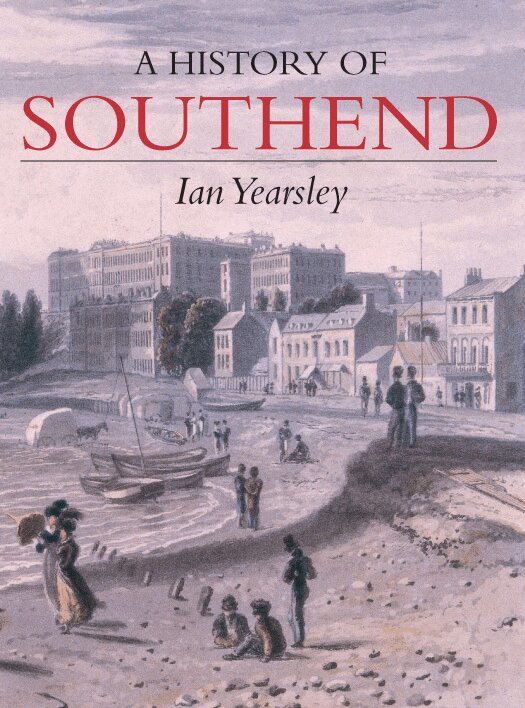
Southend has a complex and surprisingly interesting history. From 18th-century origins as the ‘South End’ of Prittlewell Parish, it has grown over 300 years to swallow up six separate parishes: Prittlewell, Southchurch, Leigh, Eastwood, North Shoebury and South Shoebury. The town and wider borough are both now known as ‘Southend’. Starting in the Stone Age, it ends in the modern Information Age, covering all points in between. The story of its evolution as a seaside resort, a commuter town and a regional shopping ventre is unterwoven with a multitude of amusing, intriguing and impressive events, incidents and achievements in this very readable narrative. Southend has been unfairly maligned as ‘lacking much history’. This new book successfully demolishes that suggestion, revealing a wealth of interest in the town and its past – from Prittlewell’s Saxon origins to its important role in two world wars. It will be warmly welcomed throughout Essex.