I.C. Jarvie – författare
Visar alla böcker från författaren I.C. Jarvie. Handla med fri frakt och snabb leverans.
22 produkter
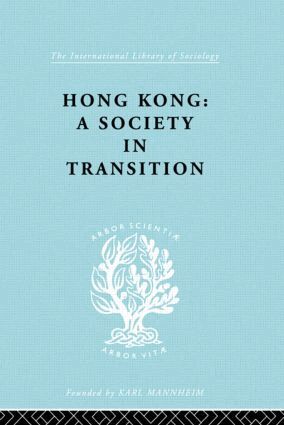
Hong Kong
A Society in Transition
Av I.C. Jarvie
Inbunden, 1998
7579 kr
Lägg i varukorg
This is Volume IV in a series of six on the Sociology of East Asia. Originally published in 1969, the aim was to fill the lack of sociological studies of Hong Kong at the time.
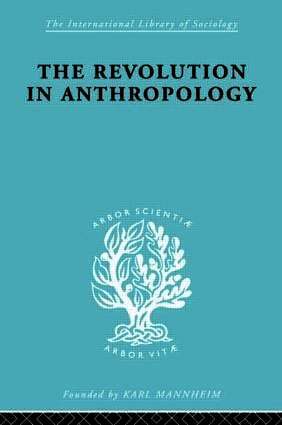
Revolution in Anthropology Ils 69
Av I.C. Jarvie
Inbunden, 1998
997 kr
Lägg i varukorg
Professor Jarvie examines the nature of the revolution in social anthropology in order to investigate its results. Working within Karl Popper's radical view of the nature of science, he argues that the subject is one of the oldest and most fundamental of all studies and suggests it can easily be …
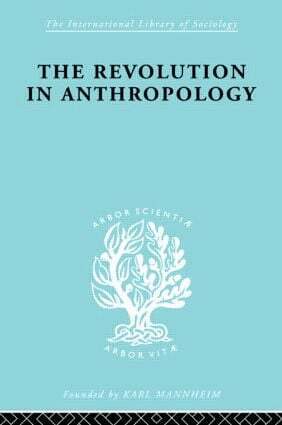
Revolution in Anthropology Ils 69
Av I.C. Jarvie
Häftad, 2010
371 kr
Lägg i varukorg
Professor Jarvie examines the nature of the revolution in social anthropology in order to investigate its results. Working within Karl Popper's radical view of the nature of science, he argues that the subject is one of the oldest and most fundamental of all studies and suggests it can easily be …
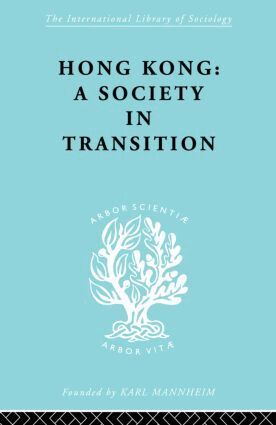
Hong Kong
A Society in Transition
Av I.C. Jarvie
Häftad, 2013
750 kr
Lägg i varukorg
This is Volume IV in a series of six on the Sociology of East Asia. Originally published in 1969, the aim was to fill the lack of sociological studies of Hong Kong at the time.
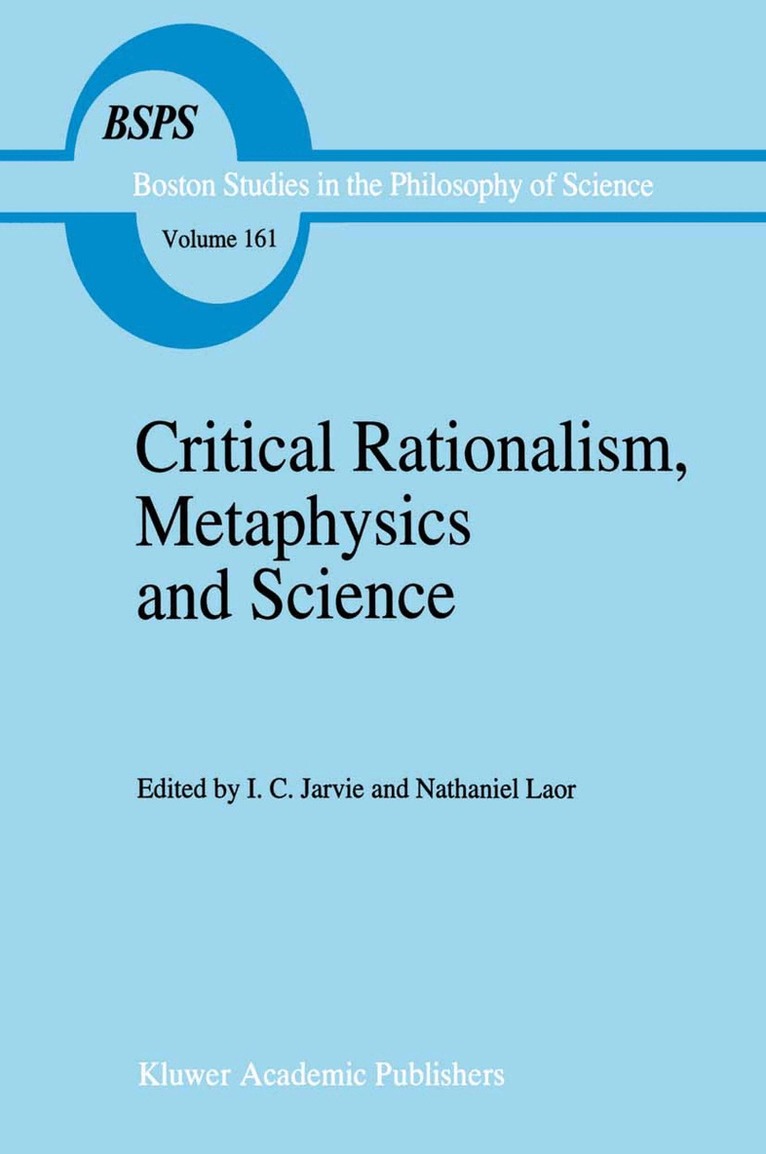
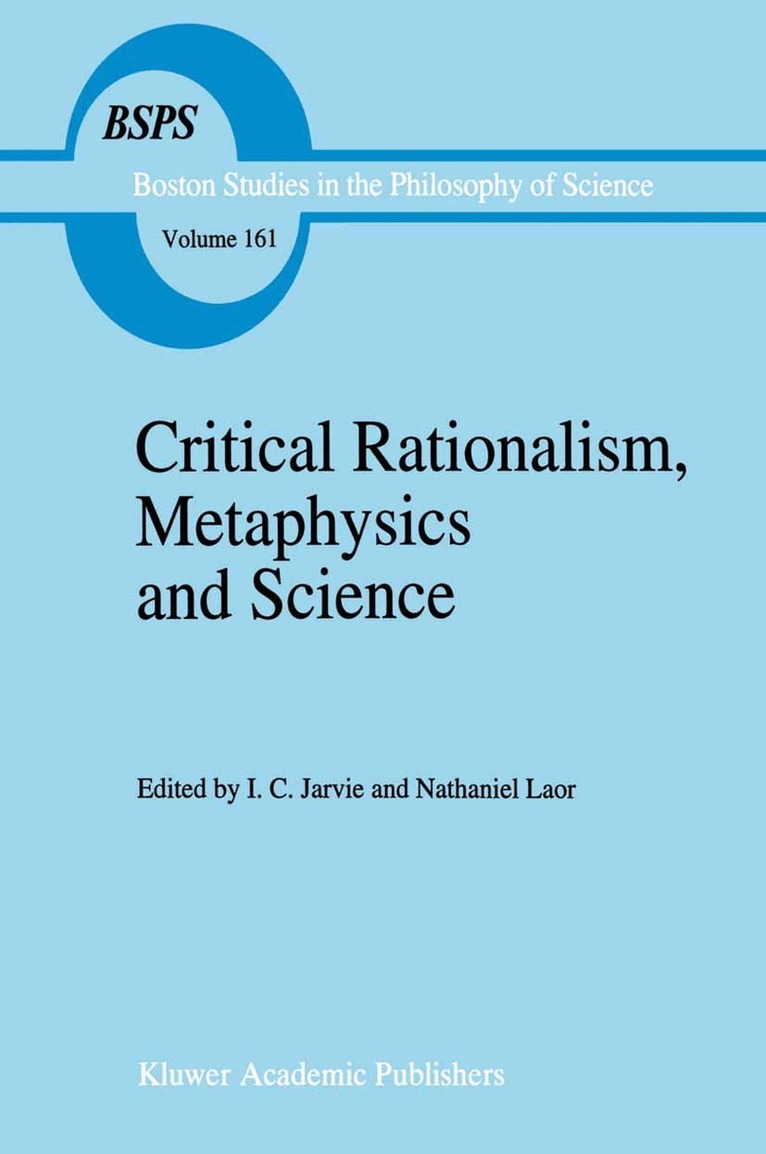
Critical Rationalism, Metaphysics and Science
Essays for Joseph Agassi Volume I
Av Joseph Agassi, I.C. Jarvie m. fl.
Inbunden, 1994
1643 kr
Lägg i varukorg
I suppose Joseph Agassi's best and dearest self-description, his cher ished wish, is to practice what his 1988 book promises: The Gentle Art of Philosophical Polemics. But for me, and for so many who know him, our Agassi is tough-minded, not tender, not so gentle. True to his beloved critical …
Critical Rationalism, the Social Sciences and the Humanities
Essays for Joseph Agassi. Volume II
Av Joseph Agassi, I.C. Jarvie m. fl.
Inbunden, 1994
1643 kr
Lägg i varukorg
An outstanding feature of this book is the broad range of the contributors, drawn from Europe, the Middle East and North America, testifying both to the range of Professor Agassi's interests and the geographical spread of his influence. Most contributors use Agassi's ideas as a springboard to …
Critical Rationalism, the Social Sciences and the Humanities
Essays for Joseph Agassi, Volume I + II
Av I.C. Jarvie, N. Laor
1994
2651 kr
Lägg i varukorg
In Volume I the contributors focus particularly on the broad philosophical framework known as critical rationalism, testing its limitations and discovering surprising connections. The essays well illustrate the fecundity and range of Professor Agassi's interests, and the broad range of persons he …
Revolution in Anthropology Ils 69
Av I.C. Jarvie
E-bok, 2013
433 kr
Lägg i varukorg
Professor Jarvie examines the nature of the revolution in social anthropology in order to investigate its results. Working within Karl Popper''s radical view of the nature of science, he argues that the subject is one of the oldest and most fundamental of all studies and suggests it can easily be …
Revolution in Anthropology Ils 69
Av I.C. Jarvie
E-bok, 2013
424 kr
Lägg i varukorg
Professor Jarvie examines the nature of the revolution in social anthropology in order to investigate its results. Working within Karl Popper''s radical view of the nature of science, he argues that the subject is one of the oldest and most fundamental of all studies and suggests it can easily be …
Hong Kong
A Society in Transition
Av I.C. Jarvie
E-bok, 2013
864 kr
Lägg i varukorg
This is Volume IV in a series of six on the Sociology of East Asia. Originally published in 1969, the aim was to fill the lack of sociological studies of Hong Kong at the time.
Hong Kong
A Society in Transition
Av I.C. Jarvie
E-bok, 2013
883 kr
Lägg i varukorg
This is Volume IV in a series of six on the Sociology of East Asia. Originally published in 1969, the aim was to fill the lack of sociological studies of Hong Kong at the time.
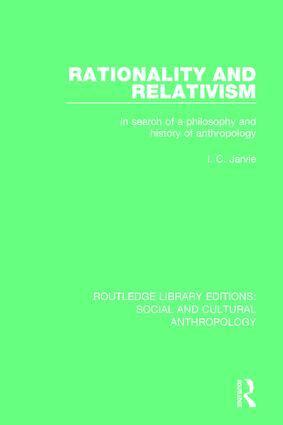
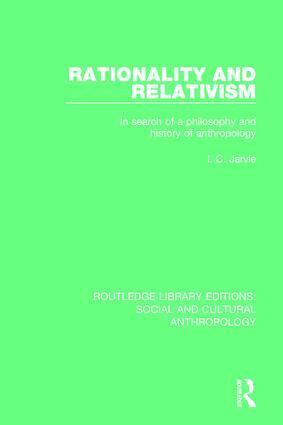
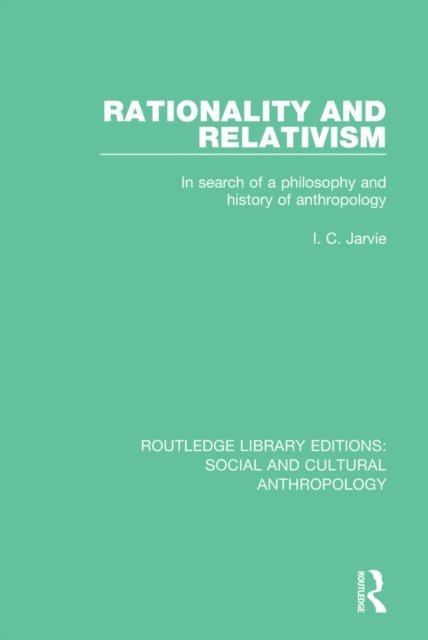
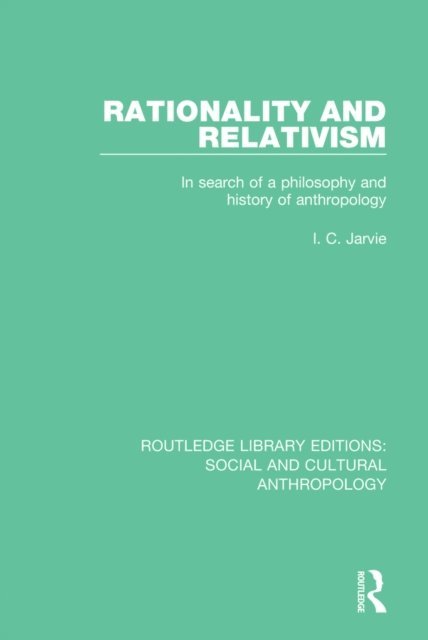
Rationality and Relativism
In Search of a Philosophy and History of Anthropology
Av I.C. Jarvie
Inbunden, 2015
2133 kr
Lägg i varukorg
Anthropology revolves round answers to problems about the nature, development and unity of mankind; problems that are both philosophical and scientific. In this book, first published in 1984, Professor Jarvie applies Popper’s philosophy of science to understanding the history and theory of …
Rationality and Relativism
In Search of a Philosophy and History of Anthropology
Av I.C. Jarvie
Häftad, 2017
648 kr
Lägg i varukorg
Anthropology revolves round answers to problems about the nature, development and unity of mankind; problems that are both philosophical and scientific. In this book, first published in 1984, Professor Jarvie applies Popper’s philosophy of science to understanding the history and theory of …
Rationality and Relativism
In Search of a Philosophy and History of Anthropology
Av I.C. Jarvie
E-bok, 2015
762 kr
Lägg i varukorg
Anthropology revolves round answers to problems about the nature, development and unity of mankind; problems that are both philosophical and scientific. In this book, first published in 1984, Professor Jarvie applies Popper’s philosophy of science to understanding the history and theory of …
Rationality and Relativism
In Search of a Philosophy and History of Anthropology
Av I.C. Jarvie
E-bok, 2015
740 kr
Lägg i varukorg
Anthropology revolves round answers to problems about the nature, development and unity of mankind; problems that are both philosophical and scientific. In this book, first published in 1984, Professor Jarvie applies Popper’s philosophy of science to understanding the history and theory of …
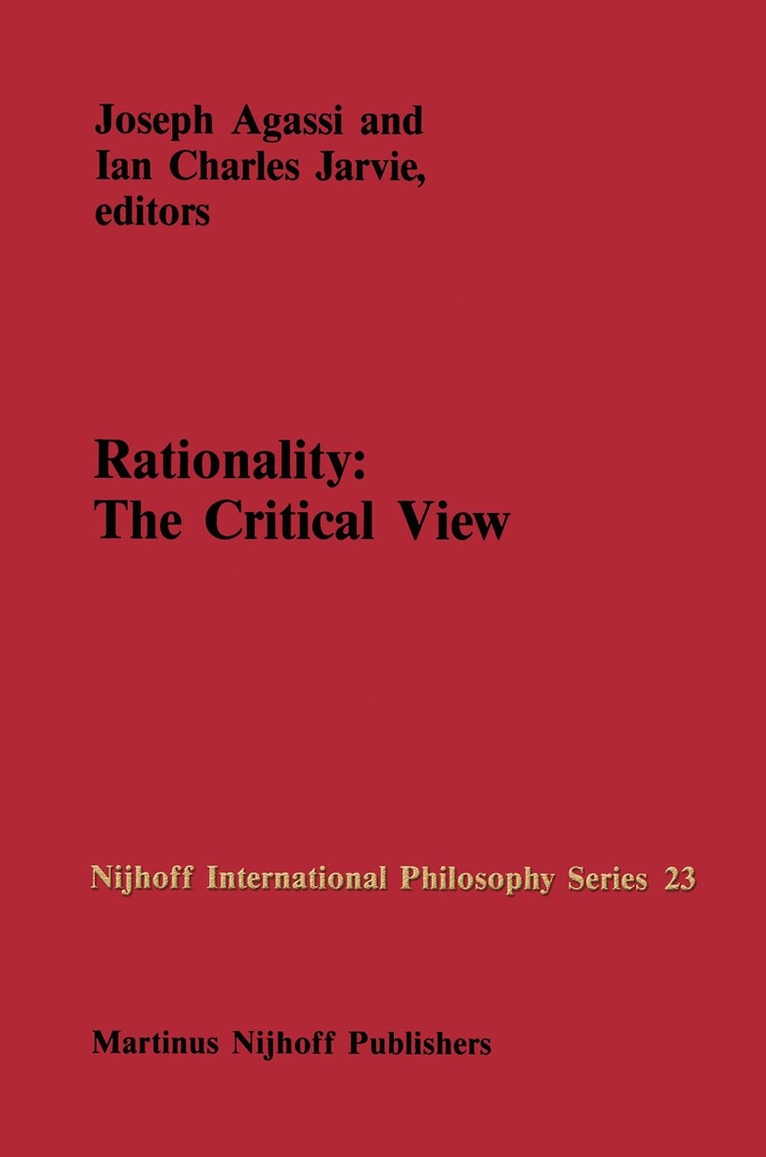
Rationality: The Critical View
Av J. Agassi, I.C. Jarvie
Inbunden, 1987
2188 kr
Lägg i varukorg
In our papers on the rationality of magic, we distinghuished, for purposes of analysis, three levels of rationality. First and lowest (rationalitYl) the goal directed action of an agent with given aims and circumstances, where among his circumstances we included his knowledge and opinions. On this …
Rationality: The Critical View
Av J. Agassi, I.C. Jarvie
Häftad, 1987
2188 kr
Lägg i varukorg
In our papers on the rationality of magic, we distinghuished, for purposes of analysis, three levels of rationality. First and lowest (rationalitYl) the goal directed action of an agent with given aims and circumstances, where among his circumstances we included his knowledge and opinions. On this …
Critical Rationalism, the Social Sciences and the Humanities
Essays for Joseph Agassi. Volume II
Av I.C. Jarvie, N. Laor
Häftad, 2010
1643 kr
Lägg i varukorg
An outstanding feature of this book is the broad range of the contributors, drawn from Europe, the Middle East and North America, testifying both to the range of Professor Agassi's interests and the geographical spread of his influence. Most contributors use Agassi's ideas as a springboard to …
Rationality: The Critical View
Av I.C. Jarvie, J. Agassi
E-bok, 2012
2925 kr
Lägg i varukorg
In our papers on the rationality of magic, we distinghuished, for purposes of analysis, three levels of rationality. First and lowest (rationalitYl) the goal directed action of an agent with given aims and circumstances, where among his circumstances we included his knowledge and opinions. On this …
Critical Rationalism, Metaphysics and Science
Essays for Joseph Agassi Volume I
Av I.C. Jarvie, N. Laor
Häftad, 2012
1643 kr
Lägg i varukorg
I suppose Joseph Agassi's best and dearest self-description, his cher ished wish, is to practice what his 1988 book promises: The Gentle Art of Philosophical Polemics. But for me, and for so many who know him, our Agassi is tough-minded, not tender, not so gentle. True to his beloved critical …
Critical Rationalism, Metaphysics and Science
Essays for Joseph Agassi Volume I
Av N. Laor, I.C. Jarvie
E-bok, 2012
2111 kr
Lägg i varukorg
I suppose Joseph Agassi''s best and dearest self-description, his cher ished wish, is to practice what his 1988 book promises: The Gentle Art of Philosophical Polemics. But for me, and for so many who know him, our Agassi is tough-minded, not tender, not so gentle. True to his beloved critical …
Critical Rationalism, the Social Sciences and the Humanities
Essays for Joseph Agassi. Volume II
Av N. Laor, I.C. Jarvie
E-bok, 2013
2111 kr
Lägg i varukorg
An outstanding feature of this book is the broad range of the contributors, drawn from Europe, the Middle East and North America, testifying both to the range of Professor Agassi''s interests and the geographical spread of his influence. Most contributors use Agassi''s ideas as a springboard to …