Iftikhar Dadi - Böcker
Visar alla böcker från författaren Iftikhar Dadi. Handla med fri frakt och snabb leverans.
7 produkter
7 produkter
1 789 kr
Skickas inom 7-10 vardagar
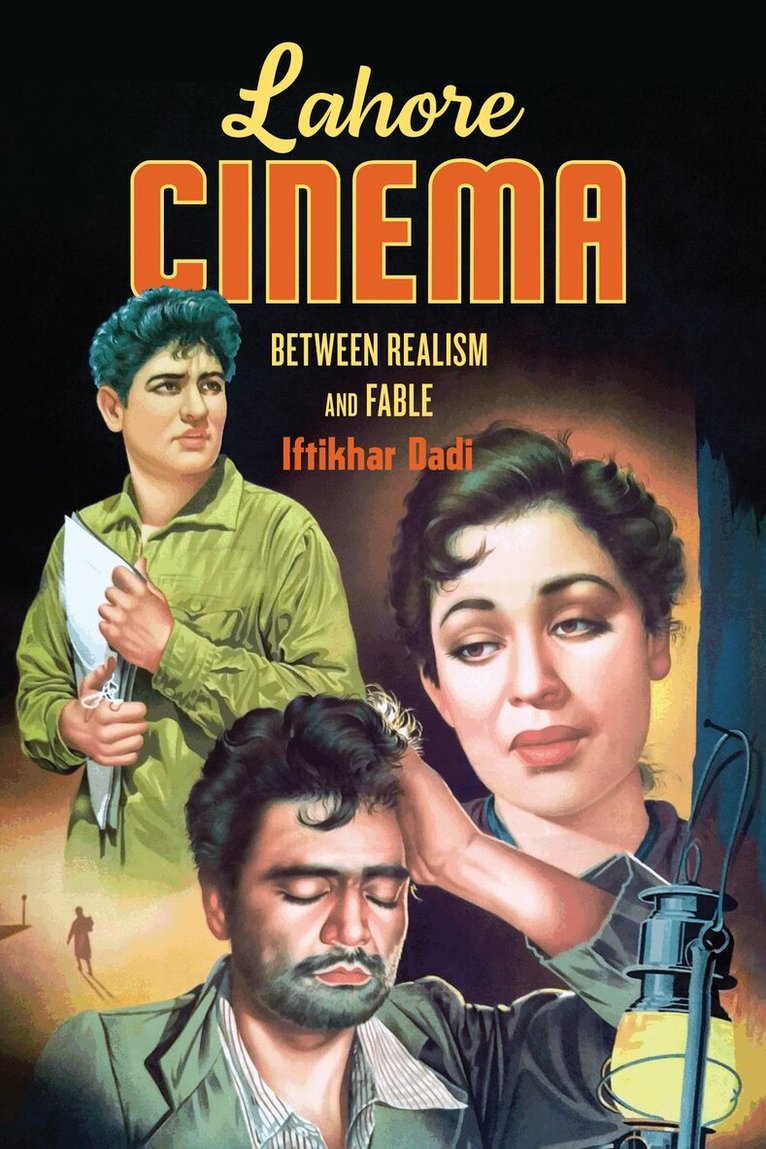
A pioneering analysis of exemplary feature filmsCommercial cinema has been among the most powerful vectors of social and aesthetic modernization in South Asia. So argues Iftikhar Dadi in his provocative examination of cinema produced between 1956 and 1969—the long sixties—in Lahore, Pakistan, following the 1947 Partition of South Asia. These films drew freely from Bengali performance traditions, Hindu mythology, Parsi theater, Sufi conceptions of the self, Urdu lyric poetry, and Hollywood musicals, bringing these traditions into dialogue with melodrama and neorealism. Examining this layered context offers insights into a period of rapid modernization and into cultural affiliation in the South Asian present, when frameworks of multiplicity and plurality are in jeopardy.Lahore Cinema probes the role of language, rhetoric, lyric, and form in the making of cinematic meaning as well as the relevance of the Urdu cultural universe to midcentury Bombay filmmaking. Challenging the assumption of popular cinema as apolitical, Dadi explores how films allowed their audiences to navigate an accelerating modernity and tense politics by anchoring social change across the terrain of deeper cultural imaginaries. By constituting publics beyond social divides of regional, ethnic, and sectarian affiliations, commercial cinema played an influential progressive role during the mid- and later twentieth century in South Asia.Lahore Cinema is freely available in an open access edition thanks to TOME (Toward an Open Monograph Ecosystem) and the generous support of Cornell University.DOI: 10.6069/9780295750804
517 kr
Skickas inom 7-10 vardagar
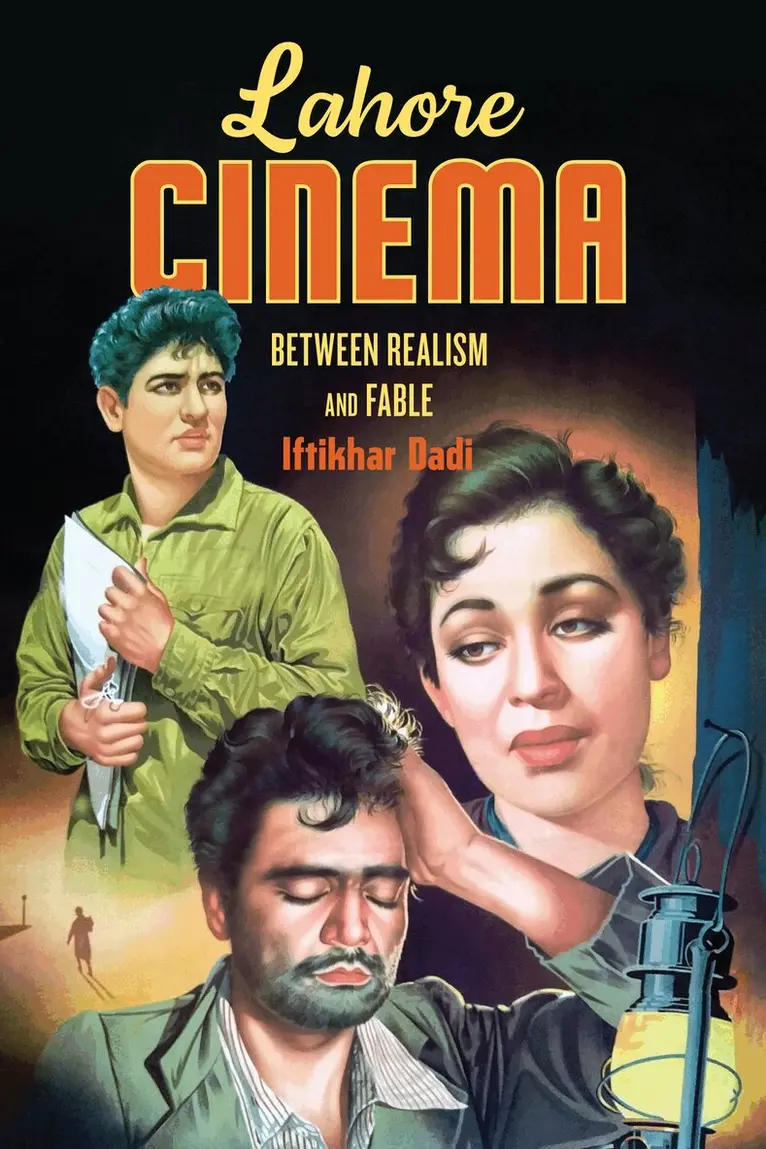
A pioneering analysis of exemplary feature filmsCommercial cinema has been among the most powerful vectors of social and aesthetic modernization in South Asia. So argues Iftikhar Dadi in his provocative examination of cinema produced between 1956 and 1969—the long sixties—in Lahore, Pakistan, following the 1947 Partition of South Asia. These films drew freely from Bengali performance traditions, Hindu mythology, Parsi theater, Sufi conceptions of the self, Urdu lyric poetry, and Hollywood musicals, bringing these traditions into dialogue with melodrama and neorealism. Examining this layered context offers insights into a period of rapid modernization and into cultural affiliation in the South Asian present, when frameworks of multiplicity and plurality are in jeopardy.Lahore Cinema probes the role of language, rhetoric, lyric, and form in the making of cinematic meaning as well as the relevance of the Urdu cultural universe to midcentury Bombay filmmaking. Challenging the assumption of popular cinema as apolitical, Dadi explores how films allowed their audiences to navigate an accelerating modernity and tense politics by anchoring social change across the terrain of deeper cultural imaginaries. By constituting publics beyond social divides of regional, ethnic, and sectarian affiliations, commercial cinema played an influential progressive role during the mid- and later twentieth century in South Asia.Lahore Cinema is freely available in an open access edition thanks to TOME (Toward an Open Monograph Ecosystem) and the generous support of Cornell University.DOI: 10.6069/9780295750804
Art and Architecture of Migration and Discrimination
Turkey, Pakistan, and their European Diasporas
Inbunden, Engelska, 2023
2 150 kr
Skickas inom 10-15 vardagar
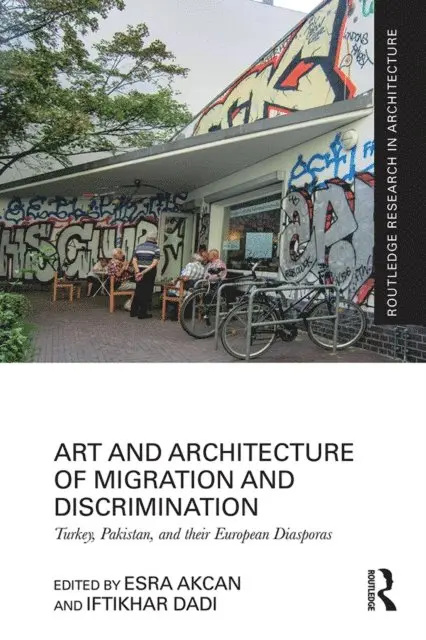
This book brings together essays by established and emerging scholars that discuss Pakistan, Turkey, and their diasporas in Europe. Together, the contributions show the scope of diverse artistic media, including architecture, painting, postcards, film, music, and literature, that has responded to the partitions of the twentieth century and the Muslim diasporas in Europe.Turkey and Pakistan have been subject to two of the largest compulsory population transfers of the twentieth century. They have also been the sites for large magnitudes of emigration during the second half of the twentieth century, creating influential diasporas in European cities such as London and Berlin. Discrimination has been both the cause and result of migration: while internal problems compelled citizens to emigrate from their countries, blatant discriminatory and ideological constructs shaped their experiences in their countries of arrival. Read together, the Partition emerges from the essays in Part I not as a pathology specific to the Balkans, Middle East, or South Asia, but as a central problematic of the new political realities of decolonization and nation formation. The essays in Part II demonstrate the layered histories and multiple migration paths that have shaped the experiences of Berliners and Londoners. This analysis furthers the study of modernism and migration across the borders of, not only the nation-state, but also class, race, and gender. As a result, this book will be of interest to a broad multidisciplinary academic audience including students and faculty, artists, architects and planners, as well as non-specialist general public interested in visual arts, architecture and urban literature.
Art and Architecture of Migration and Discrimination
Turkey, Pakistan, and their European Diasporas
Häftad, Engelska, 2025
593 kr
Skickas inom 10-15 vardagar
This book brings together essays by established and emerging scholars that discuss Pakistan, Turkey, and their diasporas in Europe. Together, the contributions show the scope of diverse artistic media, including architecture, painting, postcards, film, music, and literature, that has responded to the partitions of the twentieth century and the Muslim diasporas in Europe.Turkey and Pakistan have been subject to two of the largest compulsory population transfers of the twentieth century. They have also been the sites for large magnitudes of emigration during the second half of the twentieth century, creating influential diasporas in European cities such as London and Berlin. Discrimination has been both the cause and result of migration: while internal problems compelled citizens to emigrate from their countries, blatant discriminatory and ideological constructs shaped their experiences in their countries of arrival. Read together, the Partition emerges from the essays in Part I not as a pathology specific to the Balkans, Middle East, or South Asia, but as a central problematic of the new political realities of decolonization and nation formation. The essays in Part II demonstrate the layered histories and multiple migration paths that have shaped the experiences of Berliners and Londoners. This analysis furthers the study of modernism and migration across the borders of, not only the nation-state, but also class, race, and gender. As a result, this book will be of interest to a broad multidisciplinary academic audience including students and faculty, artists, architects and planners, as well as non-specialist general public interested in visual arts, architecture and urban literature.
460 kr
Skickas inom 10-15 vardagar
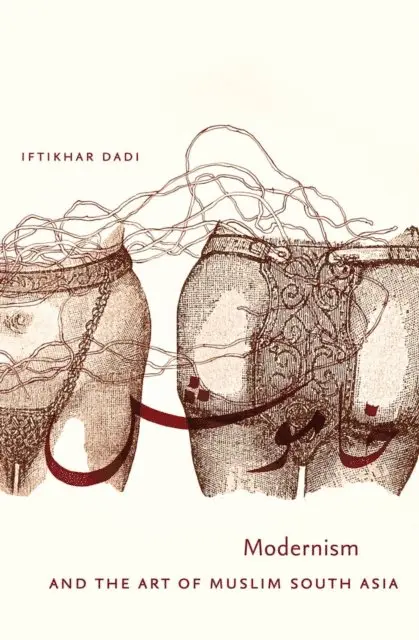
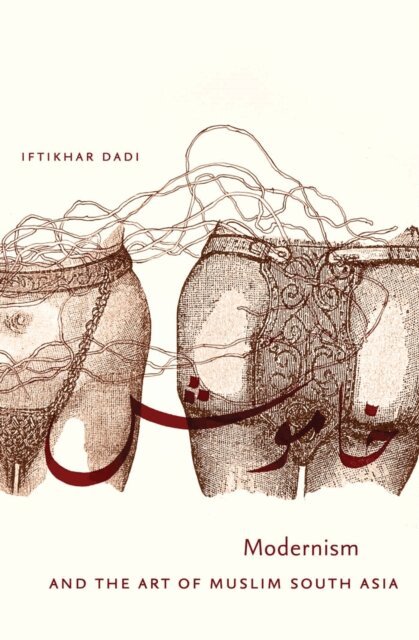
This pioneering work traces the emergence of the modern and contemporary art of Muslim South Asia in relation to transnational modernism and in light of the region's intellectual, cultural, and political developments. Art historian Iftikhar Dadi here explores the art and writings of major artists, men and women, ranging from the late colonial period to the era of independence and beyond. He looks at the stunningly diverse artistic production of key artists associated with Pakistan, including Abdur Rahman Chughtai, Zainul Abedin, Shakir Ali, Zubeida Agha, Sadequain, Rasheed Araeen, and Naiza Khan. Dadi shows how, beginning in the 1920s, these artists addressed the challenges of modernity by translating historical and contemporary intellectual conceptions into their work, reworking traditional approaches to the classical Islamic arts, and engaging the modernist approach towards subjective individuality in artistic expression. In the process, they dramatically reconfigured the visual arts of the region. By the 1930s, these artists had embarked on a sustained engagement with international modernism in a context of dizzying social and political change that included decolonization, the rise of mass media, and developments following the national independence of India and Pakistan in 1947.Bringing new insights to such concepts as nationalism, modernism, cosmopolitanism, and tradition, Dadi underscores the powerful impact of transnationalism during this period and highlights the artists' growing embrace of modernist and contemporary artistic practice in order to address the challenges of the present era.
362 kr
Skickas inom 7-10 vardagar
427 kr
Skickas inom 7-10 vardagar