Ignacio G. Galán - Böcker
Visar alla böcker från författaren Ignacio G. Galán. Handla med fri frakt och snabb leverans.
3 produkter
3 produkter
589 kr
Skickas
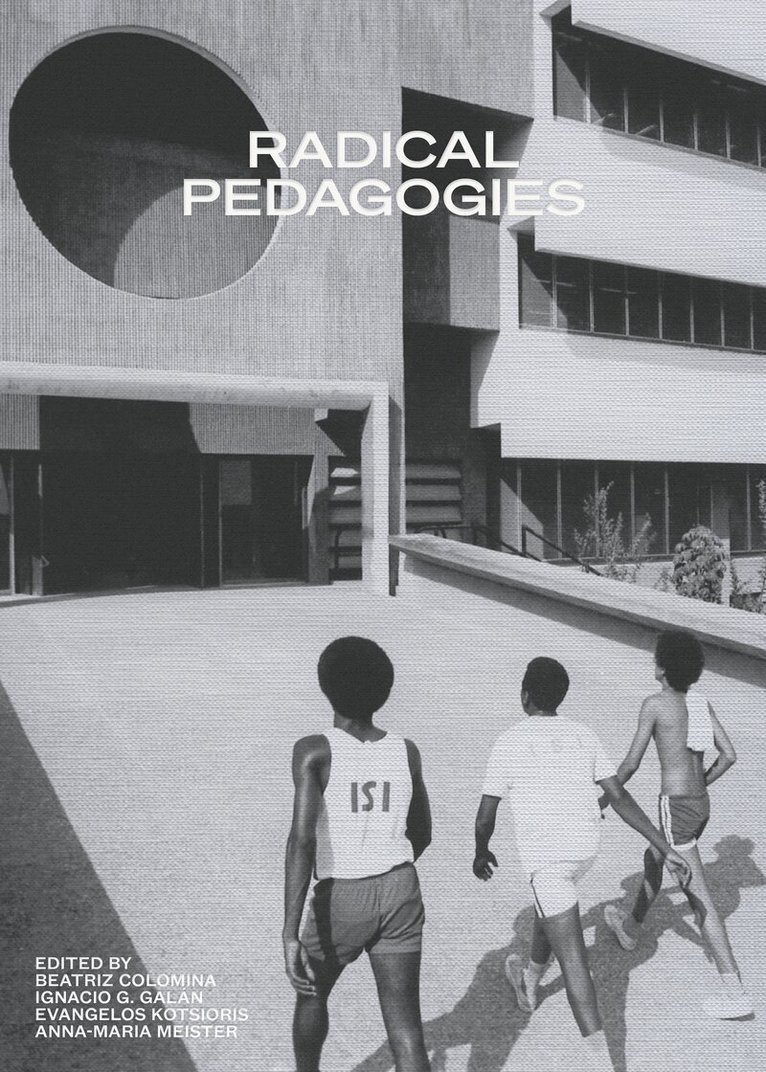
Experiments in architectural education in the post–World War II era that challenged and transformed architectural discourse and practice. In the decades after World War II, new forms of learning transformed architectural education. These radical experiments sought to upend disciplinary foundations and conventional assumptions about the nature of architecture as much as they challenged modernist and colonial norms, decentered building, imagined new roles for the architect, and envisioned participatory forms of practice. Although many of the experimental programs were subsequently abandoned, terminated, or assimilated, they nevertheless helped shape and in some sense define architectural discourse and practice. This book explores and documents these radical pedagogies and efforts to defy architecture’s status quo. The experiments include the adaptation of Bauhaus pedagogy as a means of “unlearning” under the conditions of decolonization in Africa; a movement to design for “every body,” including the disabled, by architecture students and faculty at the University of California, Berkeley; the founding of a support network for women interested in the built environment, regardless of their academic backgrounds; and a design studio in the USSR that offered an alternative to the widespread functionalist approach in Soviet design. Viewed through their dissolution and afterlife as well as through their founding stories, these projects from the last century raise provocative questions about architecture’s role in the new century.
1 528 kr
Skickas inom 7-10 vardagar
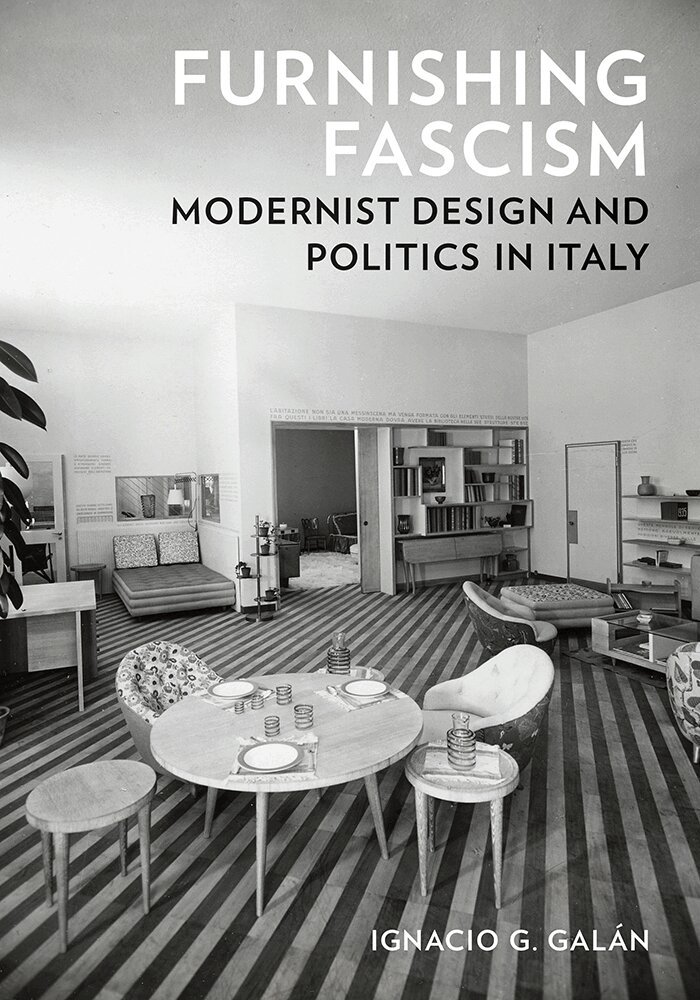
The role of modernist interior design in the construction of Italian nationalismAlong with the rise of Mussolini’s fascist regime, the interwar years in Italy also saw the widespread development of its modernist interior design and furnishing practices. While the regime’s politics were overtly manifest in monumental government architecture, Furnishing Fascism examines the subtler yet effective role of household goods and decor in the cultivation of Italy’s exclusionary sense of national identity. Presenting a fresh look at the work of various architects and designers, including iconic figures such as Gio Ponti and Carlo Enrico Rava, Ignacio G. GalÁn explores how seemingly neutral products of everyday life contributed to the propagation of fascist ideology. Through extensive promotion in popular magazines and department stores, on the film sets of CinecittÀ Studios, and throughout the country’s colonial territories, Italy’s modernist design practices were part of a larger political project that aimed to produce a totalizing image of cultural hegemony. Interweaving design theory, architectural history, and media scholarship, Furnishing Fascism reexamines the period’s so-called minor arts to reveal the political entanglement of modernism in early twentieth-century Italy and offers valuable insight into the complications of cultural production under the auspices of authoritarian power. Retail e-book files for this title are screen-reader friendly with images accompanied by short alt text and/or extended descriptions.
374 kr
Skickas inom 7-10 vardagar
The role of modernist interior design in the construction of Italian nationalismAlong with the rise of Mussolini’s fascist regime, the interwar years in Italy also saw the widespread development of its modernist interior design and furnishing practices. While the regime’s politics were overtly manifest in monumental government architecture, Furnishing Fascism examines the subtler yet effective role of household goods and decor in the cultivation of Italy’s exclusionary sense of national identity. Presenting a fresh look at the work of various architects and designers, including iconic figures such as Gio Ponti and Carlo Enrico Rava, Ignacio G. GalÁn explores how seemingly neutral products of everyday life contributed to the propagation of fascist ideology. Through extensive promotion in popular magazines and department stores, on the film sets of CinecittÀ Studios, and throughout the country’s colonial territories, Italy’s modernist design practices were part of a larger political project that aimed to produce a totalizing image of cultural hegemony. Interweaving design theory, architectural history, and media scholarship, Furnishing Fascism reexamines the period’s so-called minor arts to reveal the political entanglement of modernism in early twentieth-century Italy and offers valuable insight into the complications of cultural production under the auspices of authoritarian power. Retail e-book files for this title are screen-reader friendly with images accompanied by short alt text and/or extended descriptions.