Ilana Szobel – författare
Visar alla böcker från författaren Ilana Szobel. Handla med fri frakt och snabb leverans.
5 produkter
5 produkter
1 039 kr
Skickas inom 7-10 vardagar
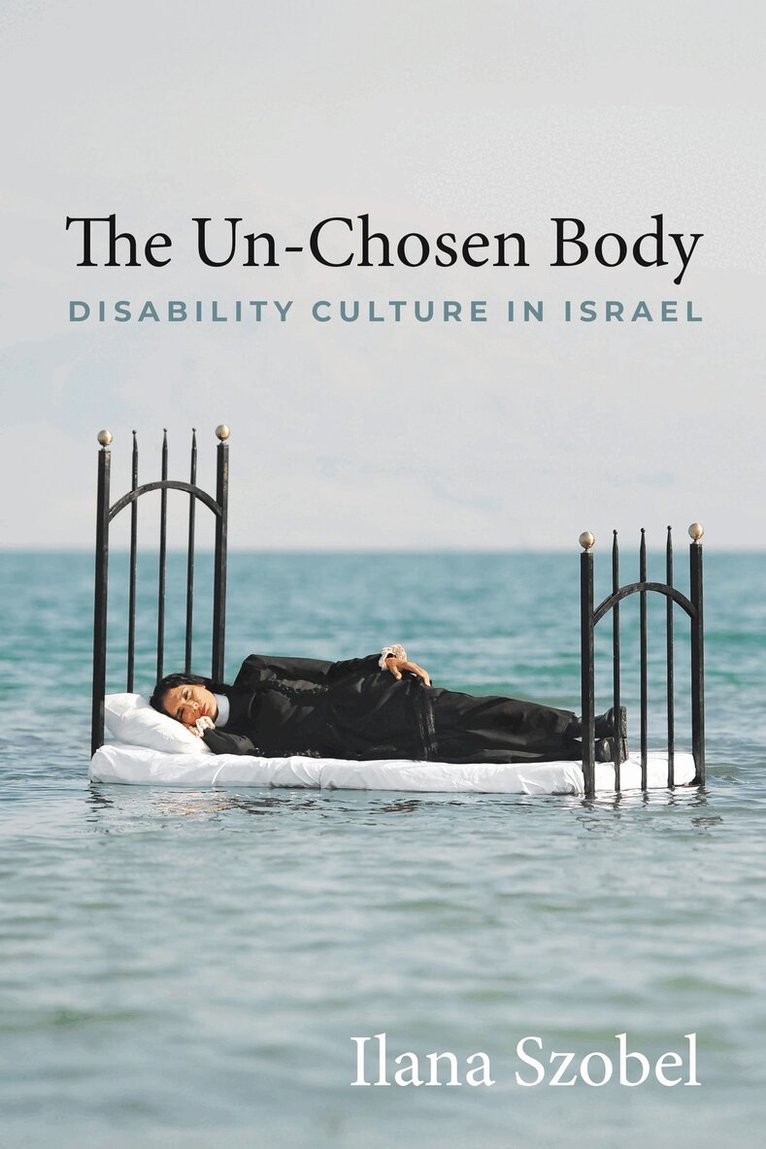
Brings crip aesthetics and disability justice into conversation with Israel studies.In the first work to bring crip aesthetics into conversation with Israel studies, Ilana Szobel explores disability culture and disability justice through the work of artists with disabilities in Israel and the occupied Palestinian territories. This book outlines the production and performance of a range of projects by poets, filmmakers, and performers to examine how they reframe or reimagine accessibility in artistic, cultural, and political spaces through creative expression and suggests their works' potential for social transformation. Through close analysis of this vibrant underground subculture, Szobel proposes new avenues for understanding genealogies of art on disability, depictions of sexuality and vulnerability of disabled women, disability as political violence, community building among the disabled, and imagined disability futures. Szobel renders a clear critique of forms of oppression—ableism, sexism, heteronormativity, settler colonialism, and state violence—within Israel/Palestine and how artists with disabilities creatively address and undo their relationship to structures of power. For those interested in disability justice, gender, and creativity, Szobel illustrates how Israeli and Palestinian artists create new possibilities through their work.
374 kr
Skickas inom 7-10 vardagar
Brings crip aesthetics and disability justice into conversation with Israel studies.In the first work to bring crip aesthetics into conversation with Israel studies, Ilana Szobel explores disability culture and disability justice through the work of artists with disabilities in Israel and the occupied Palestinian territories. This book outlines the production and performance of a range of projects by poets, filmmakers, and performers to examine how they reframe or reimagine accessibility in artistic, cultural, and political spaces through creative expression and suggests their works' potential for social transformation. Through close analysis of this vibrant underground subculture, Szobel proposes new avenues for understanding genealogies of art on disability, depictions of sexuality and vulnerability of disabled women, disability as political violence, community building among the disabled, and imagined disability futures. Szobel renders a clear critique of forms of oppression—ableism, sexism, heteronormativity, settler colonialism, and state violence—within Israel/Palestine and how artists with disabilities creatively address and undo their relationship to structures of power. For those interested in disability justice, gender, and creativity, Szobel illustrates how Israeli and Palestinian artists create new possibilities through their work.
1 138 kr
Skickas
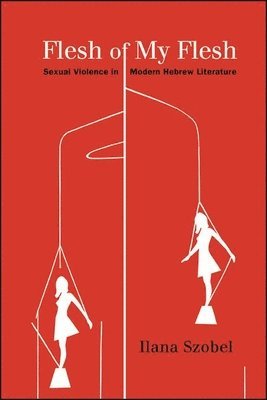
Examines representations of sexual violence in modern Hebrew literature, focusing on the ways in which sexual aggression relates to Zionism, gender, ethnicity, and disability.Finalist for the 2021 Best Book in Israel Studies presented by the Azrieli Institute of Israel Studies and Concordia University Library Flesh of My Flesh looks at one of the most silenced and repressed aspects of Israeli culture by examining the trope of sexual violence in modern Hebrew literature. Ilana Szobel explores how sexual violence participates in, encourages, or resists concurrent ideologies in Jewish and Israeli culture, and situates the rhetoric of sexual aggression within the contexts of gender, ethnicity, disability, and national identity. Focusing on writings of incest survivors, Sepharadi authors, wounded soldiers, and Hebrew authors such as Shoshana Shababo, Gershon Shofman, Hayim Nahman Bialik, Yoram Kaniuk, Amalia Kahana-Carmon, and Tsvia Litevsky, Szobel unveils the various roles of sexual violence in destabilizing hegemonic notions or reinforcing norms and modes of conduct. Thus, while the book looks at poetic and social possibilities of action in relation to sexual violence, it also exposes the Gordian knot of sexualized gender-based violence and the interests of patriarchy, heteronormativity, nationalism, racism, and ableism.
651 kr
Skickas inom 3-6 vardagar
Examines representations of sexual violence in modern Hebrew literature, focusing on the ways in which sexual aggression relates to Zionism, gender, ethnicity, and disability.Finalist for the 2021 Best Book in Israel Studies presented by the Azrieli Institute of Israel Studies and Concordia University Library Flesh of My Flesh looks at one of the most silenced and repressed aspects of Israeli culture by examining the trope of sexual violence in modern Hebrew literature. Ilana Szobel explores how sexual violence participates in, encourages, or resists concurrent ideologies in Jewish and Israeli culture, and situates the rhetoric of sexual aggression within the contexts of gender, ethnicity, disability, and national identity. Focusing on writings of incest survivors, Sepharadi authors, wounded soldiers, and Hebrew authors such as Shoshana Shababo, Gershon Shofman, Hayim Nahman Bialik, Yoram Kaniuk, Amalia Kahana-Carmon, and Tsvia Litevsky, Szobel unveils the various roles of sexual violence in destabilizing hegemonic notions or reinforcing norms and modes of conduct. Thus, while the book looks at poetic and social possibilities of action in relation to sexual violence, it also exposes the Gordian knot of sexualized gender-based violence and the interests of patriarchy, heteronormativity, nationalism, racism, and ableism.
326 kr
Skickas inom 7-10 vardagar
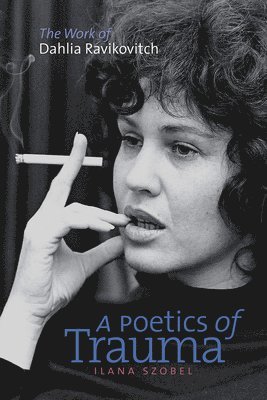
The work of the renowned Israeli poet, translator, peace activist, and 1998 Israel Prize laureate Dahlia Ravikovitch (1936-2005) portrays the emotional structure of a traumatized and victimized female character. Ilana Szobel's book, the first full-length study of Ravikovitch in English, offers a theoretical discussion of the poetics of trauma and the politics of victimhood, as well as a rethinking of the notions of activity and passivity, strength and weakness. Analyzing the deep structure embodied in Ravikovitch's work, Szobel unearths the interconnectedness of Ravikovitch's private-poetic subjectivity and Israeli national identity, and shows how her unique poetics can help readers overcome cultural biases and sympathetically engage otherness.