Ilkka Syvänne – författare
Visar alla böcker från författaren Ilkka Syvänne. Handla med fri frakt och snabb leverans.
9 produkter
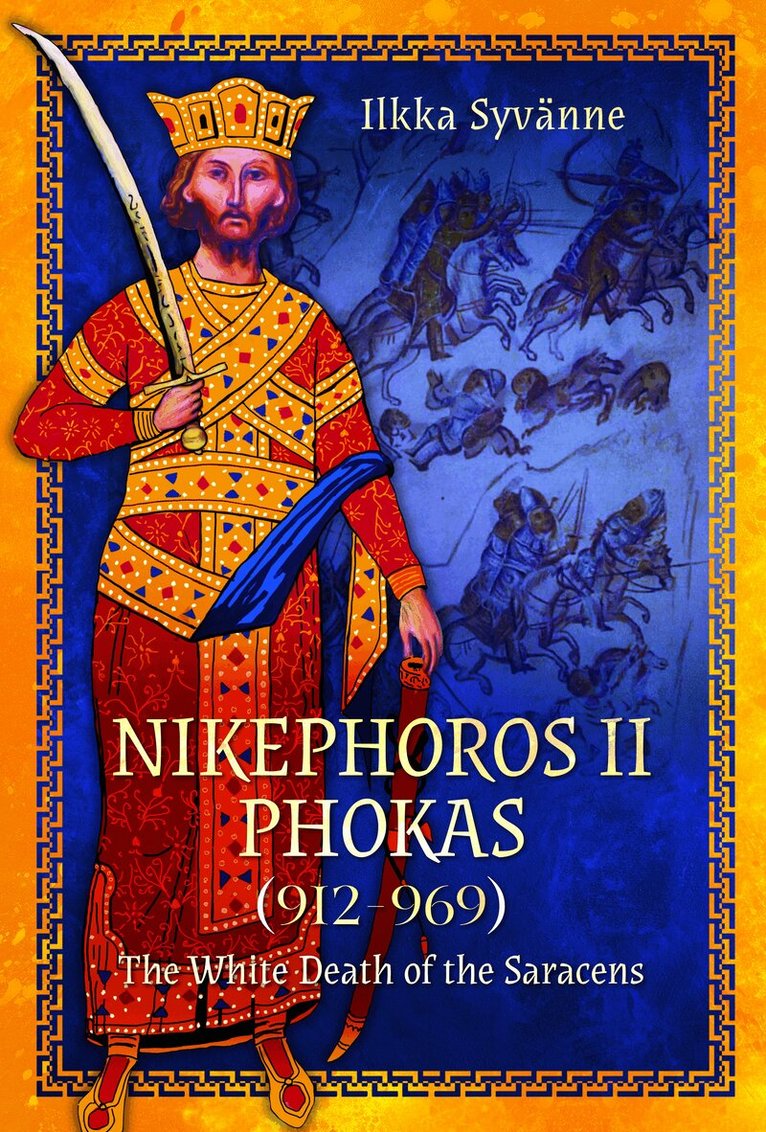
Nikephoros II Phokas, 912–969
The White Death of the Saracens
Inbunden, 2025
388 kr
Lägg i varukorg
Emperor Nikephoros II Phokas:TheWhite Death of the Saracens is the first ever English-language biography of the man who broke the stranglehold of Islam over Byzantine Rome so that by the year 968 his forces could invade the Muslim lands virtually unopposed. This was the result of his military …
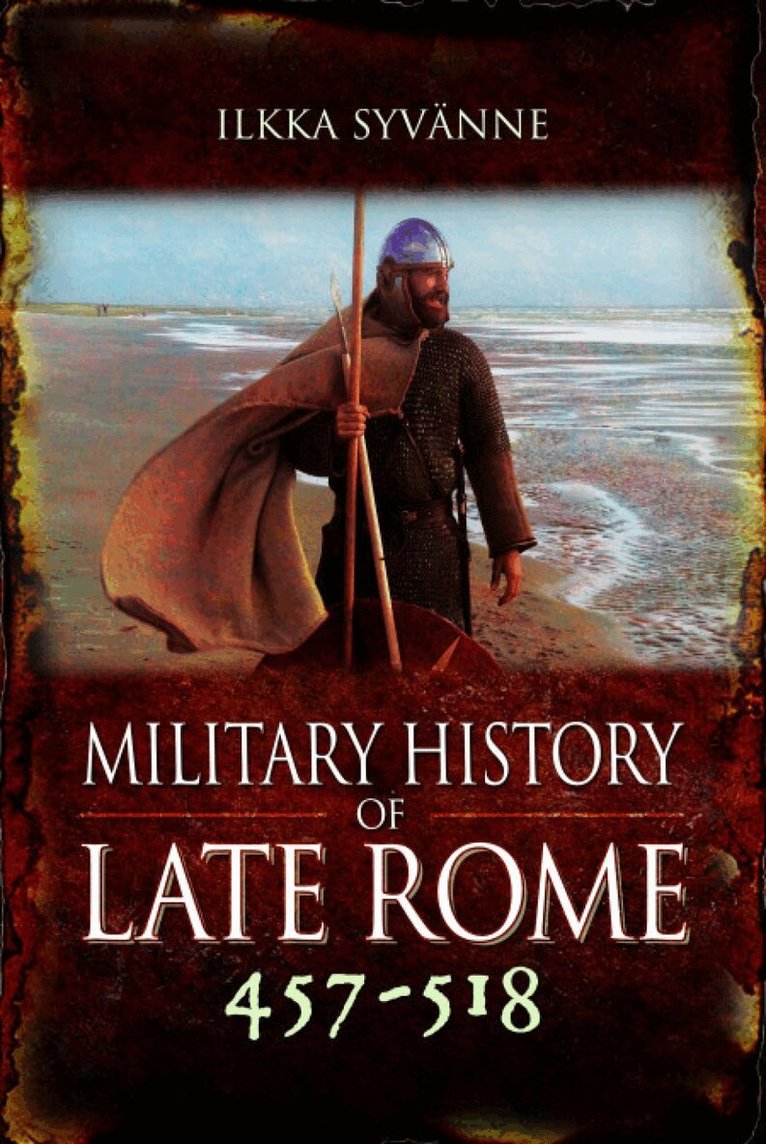
Military History of Late Rome 457–518
Häftad, 2027
192 kr
Kommande
The Military History of Late Rome Volume 457-518 provides a fresh, new look into the events that led to the collapse of West Rome, while East Rome not only survived but went on to prosper despite a series of major defeats that included, most notably, the catastrophic campaign against the Vandals in …
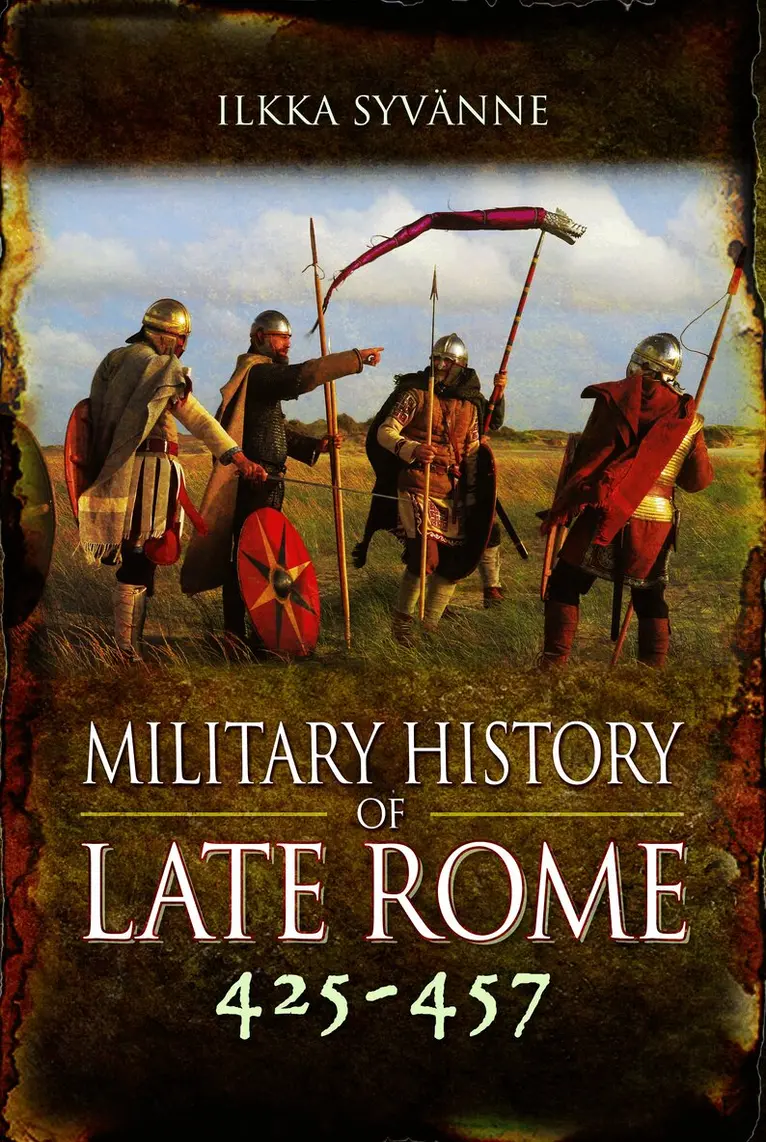
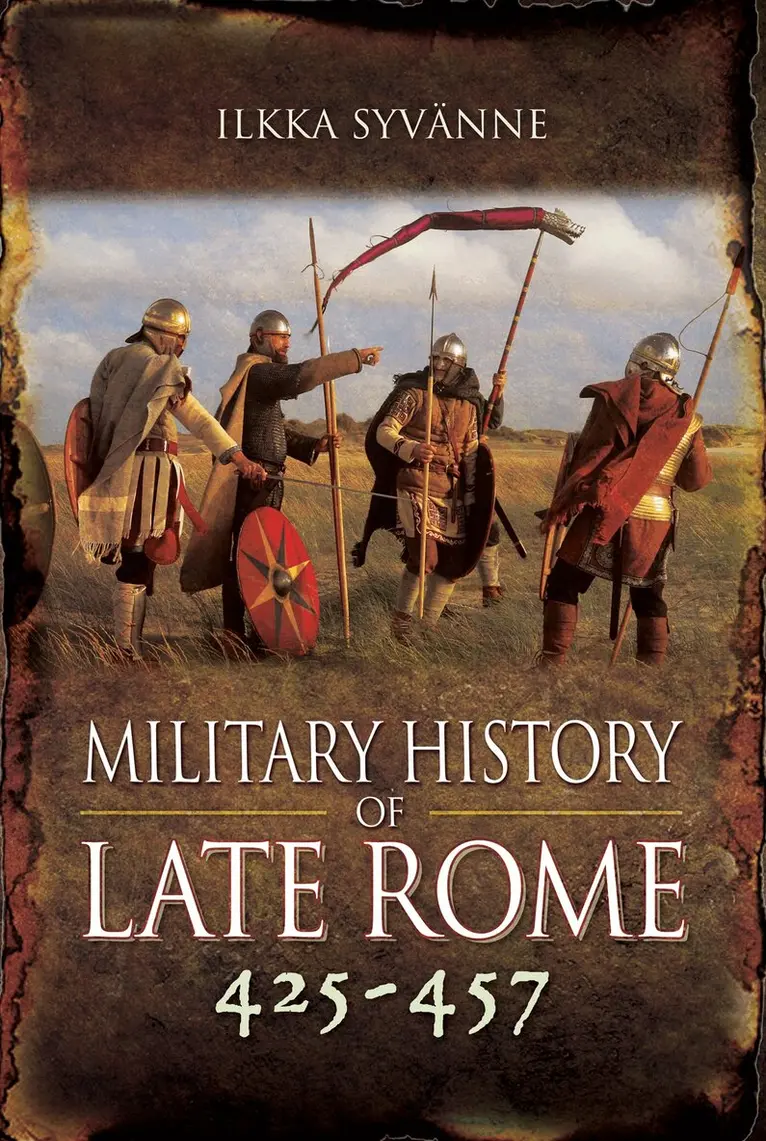
Military History of Late Rome 425–457
Häftad, 2025
171 kr
Lägg i varukorg
The Military History of Late Rome 425-457 analyses in great detail how the Romans coped with the challenge posed by masses of Huns in a situation in which the Germanic tribes had gained a permanent foothold in the territories of West Rome. This analysis reassesses the strategy and tactics of the …
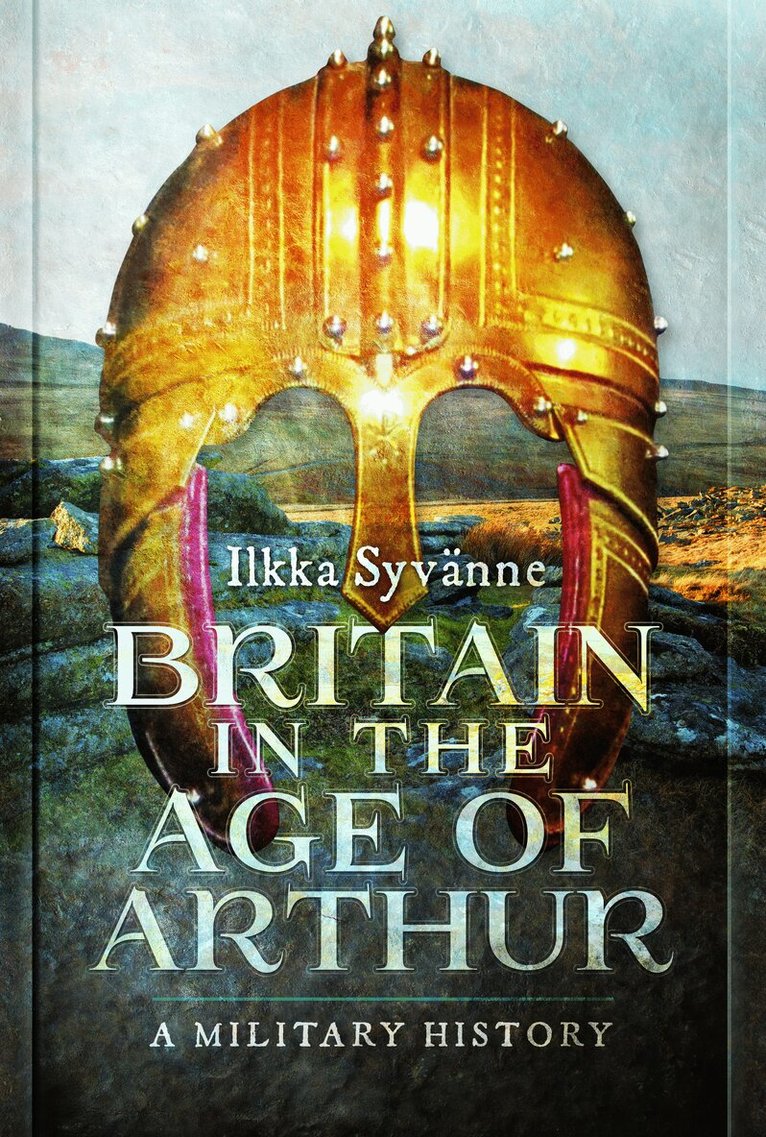
Britain in the Age of Arthur
A Military History
Häftad, 2026
171 kr
Kommande
King Arthur is one of the most controversial topics of early British history. Are the legends based on a real historical figure or pure mythological invention? Ilkka Syvannes study breaks new ground, adopting a novel approach to the sources by starting with the assumption that Arthur existed and …
Military History of Late Rome 284-361
E-bok, 2021
126 kr
Lägg i varukorg
This ambitious series gives the reader a comprehensive narrative of late Roman military history from 284-641. Each volume (7 are planned) gives a detailed account of the changes in organization, equipment, strategy and tactics among both the Roman forces and her enemies in the relevant period, …
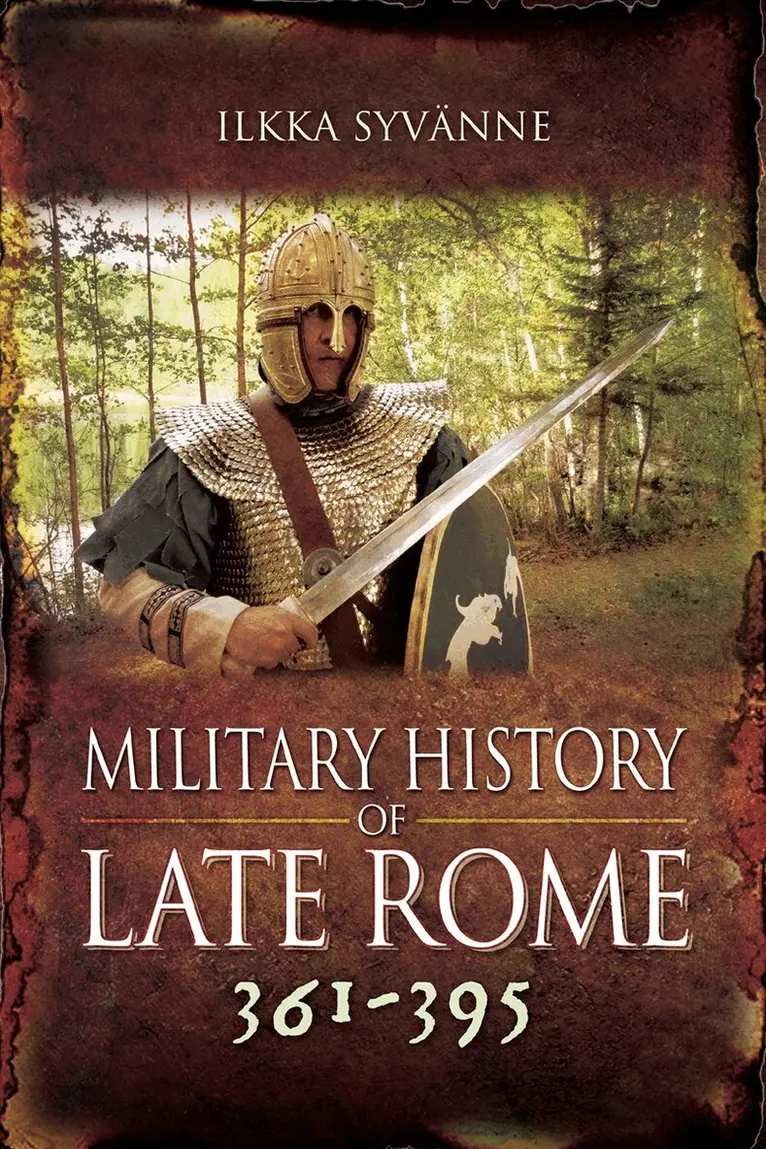
Military History of Late Rome 361–395
E-bok, 2021
126 kr
Lägg i varukorg
This is the second volume in an ambitious series giving the reader a comprehensive narrative of late Roman military history from AD 284-641. Each volume (7 are planned) gives a detailed account of the changes in organization, equipment, strategy and tactics among both the Roman forces and her …
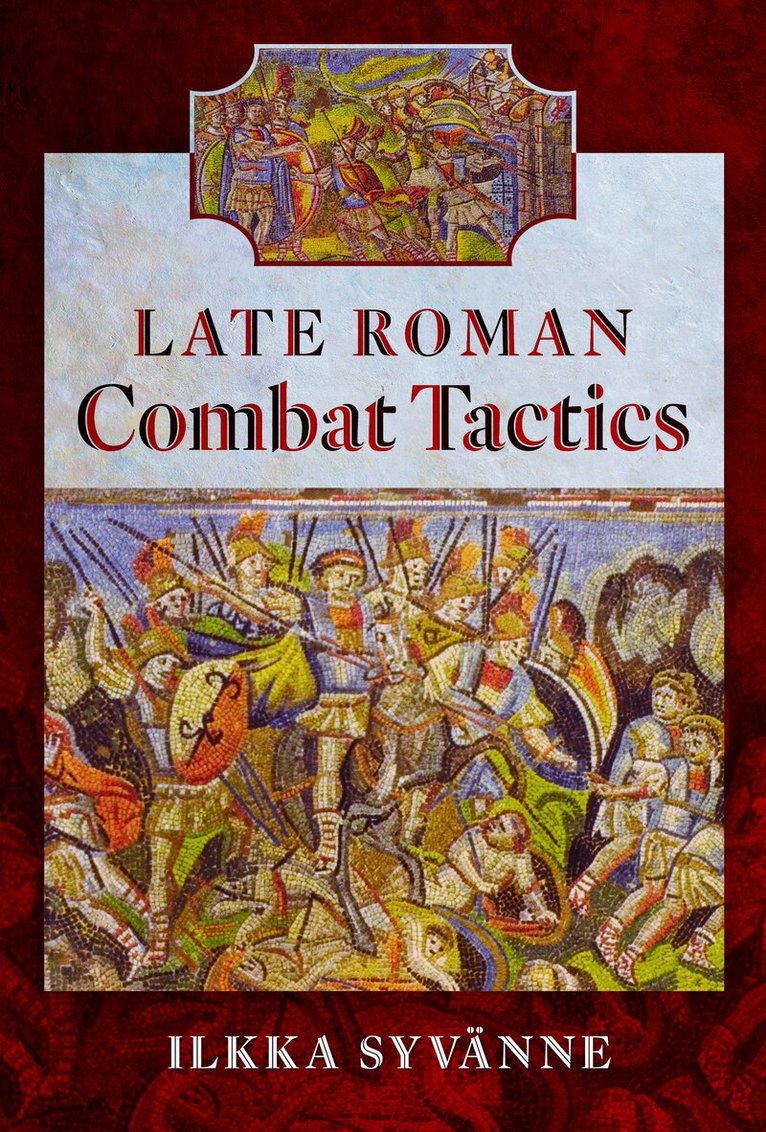
Late Roman Combat Tactics
Inbunden, 2024
388 kr
Lägg i varukorg
Late Roman Combat Tactics by Dr. Ilkka Syvänne is essential reading for anyone seeking to understand land combat in the period from the Tetrarchy to the death of Heraclius, a period when the Romans faced serious and growing military threats on many fronts. The author’s detailed analysis provides …
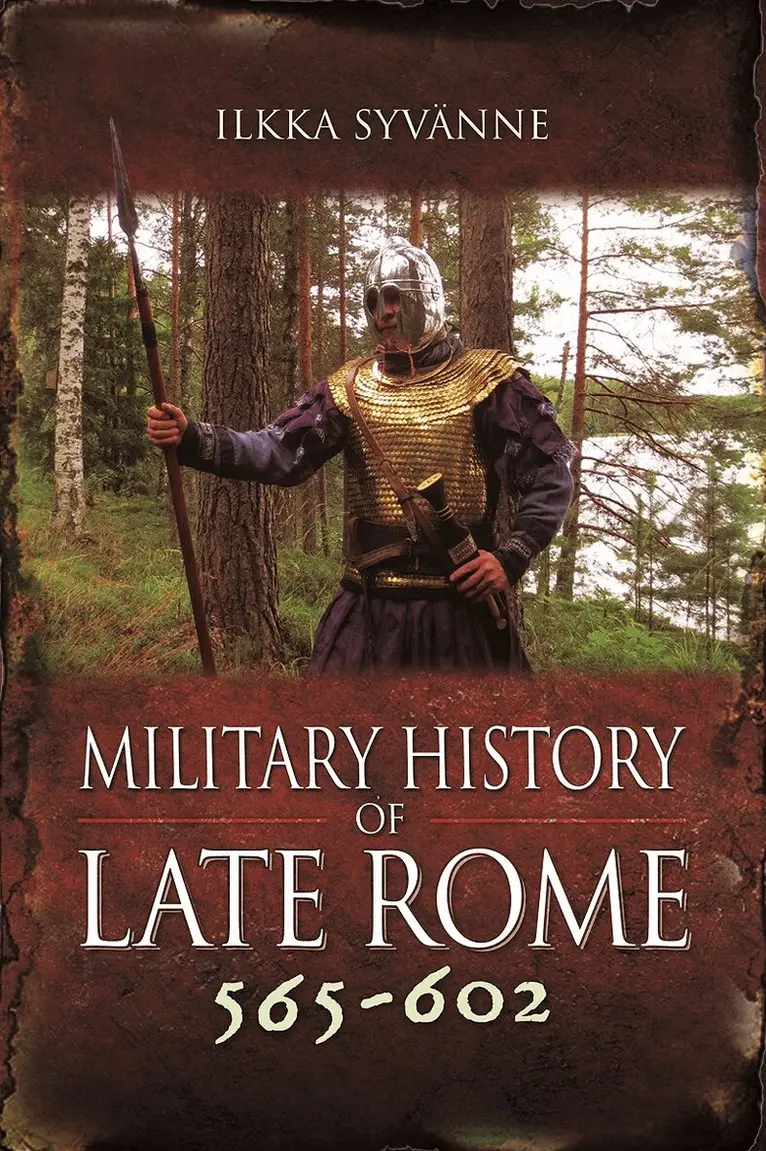
Military History of Late Rome 565–602
Inbunden, 2022
324 kr
Lägg i varukorg
Military History of Late Rome 565-602 provides a new fresh analysis of the Roman Empire in the aftermath of the reconquests of Justinian I (527-65). It is often claimed that Justinian overstretched the Roman resources, but this analysis proves that view wrong. It demonstrates that the initial …
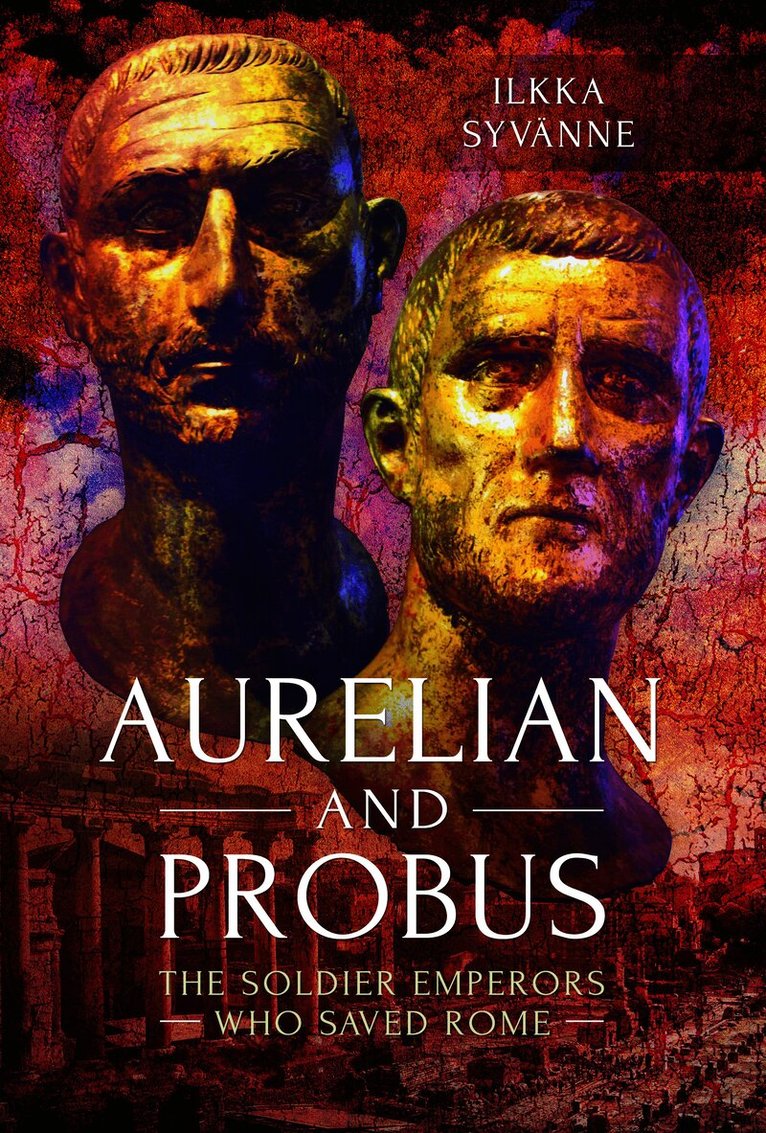
Aurelian and Probus
The Soldier Emperors Who Saved Rome
Häftad, 2023
188 kr
Tillfälligt slut
This is a narrative military history of the emperors Lucius Domitius Aurelianus (‘Aurelian’, reigned 270-275) and Marcus Aurelius Probus (276-282) which also includes the other reigns between the years 268 and 285. It shows how these two remarkable emperors were chiefly responsible for the Empire …