Ine Jacobs – författare
Visar alla böcker från författaren Ine Jacobs. Handla med fri frakt och snabb leverans.
4 produkter
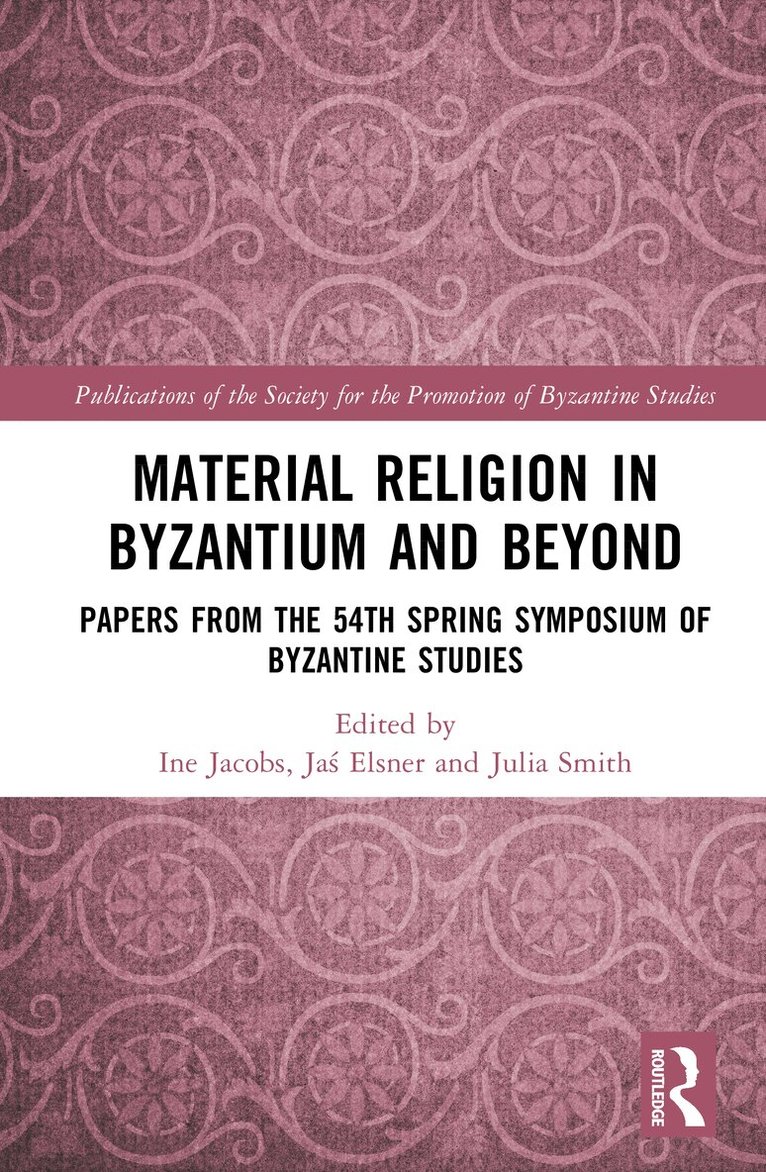
Material Religion in Byzantium and Beyond
Papers from the 54th Spring Symposium of Byzantine Studies
Av Ine Jacobs, Jaś Elsner m. fl.
Inbunden, 2025
2126 kr
Lägg i varukorg
The theoretical framework known as Material Religion has emerged as a vibrant and profoundly influential approach within religious studies over the past two decades. Originating in the first decade of the 21st century from currents within cultural anthropology, Material Religion challenges a …
Material Religion in Byzantium and Beyond
Papers from the 54th Spring Symposium of Byzantine Studies
Av Julia M. H. Smith, Jas Elsner m. fl.
E-bok, 2025
803 kr
Lägg i varukorg
The theoretical framework known as Material Religion has emerged as a vibrant and profoundly influential approach within religious studies over the past two decades. Originating in the first decade of the 21st century from currents within cultural anthropology, Material Religion challenges a …
Material Religion in Byzantium and Beyond
Papers from the 54th Spring Symposium of Byzantine Studies
Av Julia M. H. Smith, Jas Elsner m. fl.
E-bok, 2025
820 kr
Lägg i varukorg
The theoretical framework known as Material Religion has emerged as a vibrant and profoundly influential approach within religious studies over the past two decades. Originating in the first decade of the 21st century from currents within cultural anthropology, Material Religion challenges a …
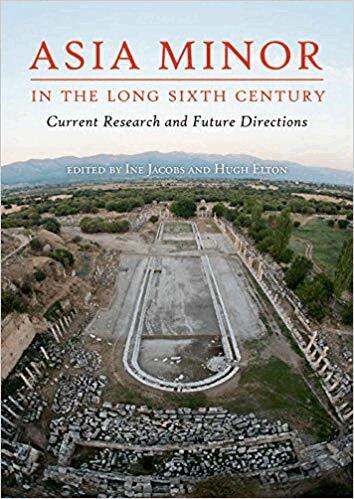
Asia Minor in the Long Sixth Century
Current Research and Future Directions
Av Ine Jacobs, Hugh Elton
Häftad, 2019
549 kr
Lägg i varukorg
Asia Minor is considered to have been a fairly prosperous region in Late Antiquity. It was rarely disturbed by external invasions and remained largely untouched by the continuous Roman-Persian conflict until very late in the period, was apparently well connected to the flourishing Mediterranean …