Inge Lyse Hansen – författare
Visar alla böcker från författaren Inge Lyse Hansen. Handla med fri frakt och snabb leverans.
3 produkter
Butrint 4
The Archaeology and Histories of an Ionian Town
Av Richard Hodges, Inge Lyse Hansen m. fl.
E-bok, 2021
127 kr
Lägg i varukorg
This richly illustrated volume discusses the histories of the port city of Butrint, and its intimate connection to the wider conditions of the Adriatic. In so doing it is a reading, and re-reading, of the site that adds significantly to the study of Mediterranean urban history over the longue durée …
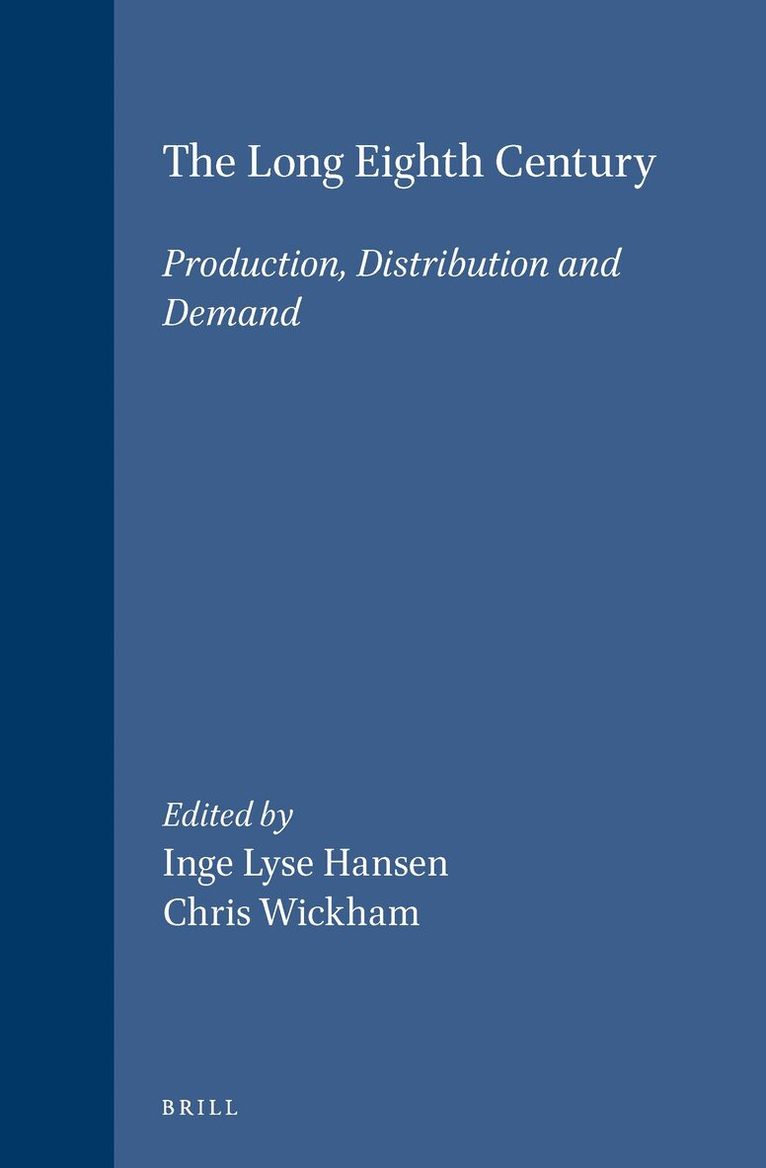
Long Eighth Century
Production, Distribution and Demand
Av Inge Lyse Hansen, Chris Wickham
Inbunden, 2000
3325 kr
Lägg i varukorg
The eighth century has not been analysed as a period of economic history since the 1930s, and is ripe for a comprehensive reassessment. The twelve papers in this book range over the whole of Europe and the Mediterranean from Denmark to Palestine, covering Francia, Italy and Byzantium on the way. …
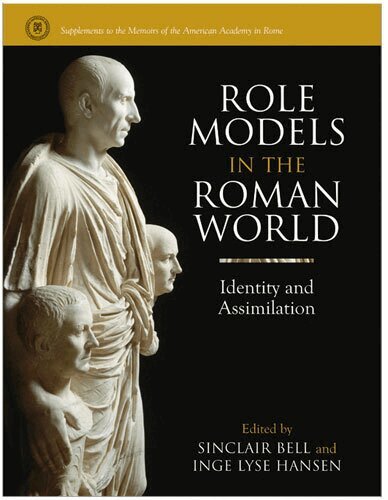
Role Models in the Roman World
Identity and Assimilation
Av Sinclair Bell, Inge Lyse Hansen
Inbunden, 2008
1527 kr
Tillfälligt slut
The tendency of ancient Romans to look to mythical and historical figures for role models is everywhere evident in their surviving literary and material culture. This book broadens the horizon of the long-standing scholarly interest in role models in several ways, looking beyond the more familiar …