Ingrid Kummels - Böcker
Visar alla böcker från författaren Ingrid Kummels. Handla med fri frakt och snabb leverans.
5 produkter
5 produkter
1 956 kr
Skickas inom 3-6 vardagar
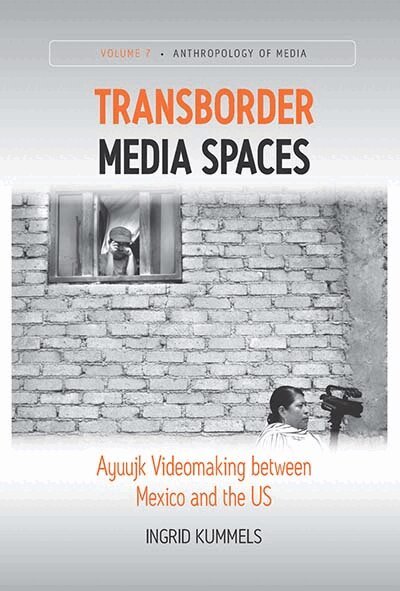
Transborder Media Spaces offers a new perspective on how media forms like photography, video, radio, television, and the Internet have been appropriated by Mexican indigenous people in the light of transnational migration and ethnopolitical movements. In producing and consuming self-determined media genres, actors in Tamazulapam Mixe and its diaspora community in Los Angeles open up media spaces and seek to forge more equal relations both within Mexico and beyond its borders. It is within these spaces that Ayuujk people carve out their own, at times conflicting, visions of development, modernity, gender, and what it means to be indigenous in the twenty-first century.
583 kr
Skickas inom 3-6 vardagar
Transborder Media Spaces offers a new perspective on how media forms like photography, video, radio, television, and the Internet have been appropriated by Mexican indigenous people in the light of transnational migration and ethnopolitical movements. In producing and consuming self-determined media genres, actors in Tamazulapam Mixe and its diaspora community in Los Angeles open up media spaces and seek to forge more equal relations both within Mexico and beyond its borders. It is within these spaces that Ayuujk people carve out their own, at times conflicting, visions of development, modernity, gender, and what it means to be indigenous in the twenty-first century.
399 kr
Skickas inom 7-10 vardagar
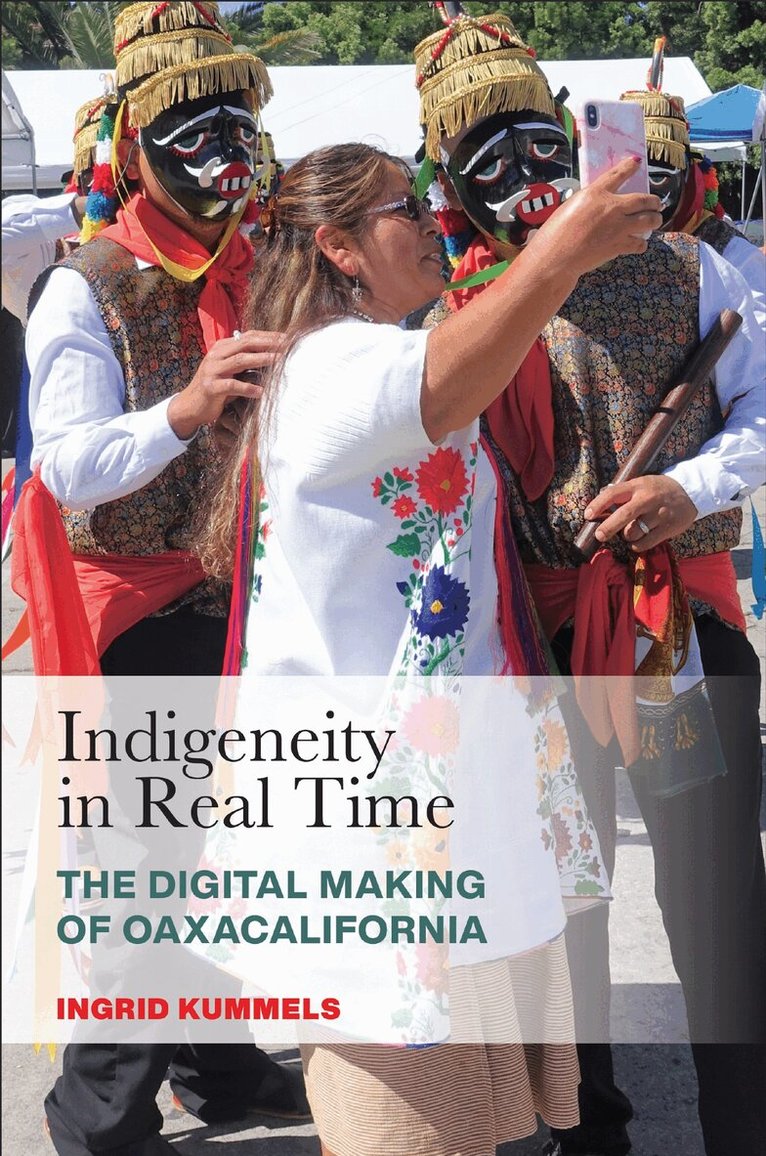
Long before the COVID-19 crisis, Mexican Indigenous peoples were faced with organizing their lives from afar, between villages in the Oaxacan Sierra Norte and the urban districts of Los Angeles, as a result of unauthorized migration and the restrictive border between Mexico and the United States. By launching cutting-edge Internet radio stations and multimedia platforms and engaging as community influencers, Zapotec and Ayuujk peoples paved their own paths to a transnational lifeway during the Trump era. This meant adapting digital technology to their needs, setting up their own infrastructure, and designing new digital formats for re-organizing community life in all its facets—including illness, death and mourning, collective celebrations, sport tournaments, and political meetings—across vast distances. Author Ingrid Kummels shows how mediamakers and users in the Sierra Norte villages and in Los Angeles created a transborder media space and aligned time regimes. By networking from multiple places, they put into practice a communal way of life called Comunalidad and an indigenized American Dream—in real time.
1 629 kr
Skickas inom 7-10 vardagar
Long before the COVID-19 crisis, Mexican Indigenous peoples were faced with organizing their lives from afar, between villages in the Oaxacan Sierra Norte and the urban districts of Los Angeles, as a result of unauthorized migration and the restrictive border between Mexico and the United States. By launching cutting-edge Internet radio stations and multimedia platforms and engaging as community influencers, Zapotec and Ayuujk peoples paved their own paths to a transnational lifeway during the Trump era. This meant adapting digital technology to their needs, setting up their own infrastructure, and designing new digital formats for re-organizing community life in all its facets—including illness, death and mourning, collective celebrations, sport tournaments, and political meetings—across vast distances. Author Ingrid Kummels shows how mediamakers and users in the Sierra Norte villages and in Los Angeles created a transborder media space and aligned time regimes. By networking from multiple places, they put into practice a communal way of life called Comunalidad and an indigenized American Dream—in real time.
513 kr
Skickas inom 11-20 vardagar
Historical photographs taken in Latin America have now become key sites for memory politics, ethnographic imagination, and the negotiation of identity. This volume opens up a set of questions relating to the contemporaneous agency of images as well as their current appropriation via new technologies. Case studies of pictures taken in Mexico, Colombia, Peru and Brazil analyze these processes by tracing how the images have been resignified over time and space. The contributions examine photographs that have been recently rediscovered by such diverse actors as European museums, human rights organizations, anthropologists, shamans, local historians, and communities of internet users.