Irene Bellier - Böcker
Visar alla böcker från författaren Irene Bellier. Handla med fri frakt och snabb leverans.
4 produkter
4 produkter
567 kr
Skickas inom 10-15 vardagar
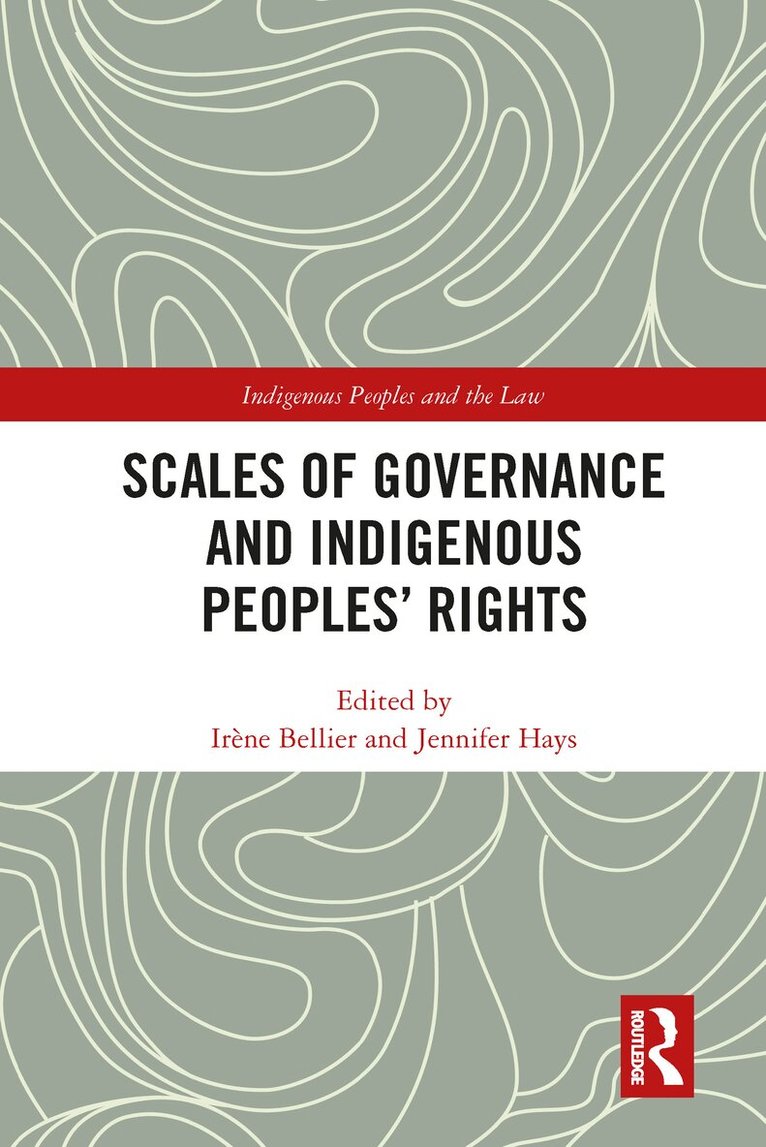
This book takes an interdisciplinary approach to the complicated power relations surrounding the recognition and implementation of Indigenous Peoples’ rights at multiple scales.The adoption of the United Nations Declaration on the Rights of Indigenous Peoples in 2007 was heralded as the beginning of a new era for Indigenous Peoples’ participation in global governance bodies, as well as for the realization of their rights – in particular, the right to self-determination. These rights are defined and agreed upon internationally, but must be enacted at regional, national, and local scales. Can the global movement to promote Indigenous Peoples’ rights change the experience of communities at the local level? Or are the concepts that it mobilizes, around rights and political tools, essentially a discourse circulating internationally, relatively disconnected from practical situations? Are the categories and processes associated with Indigenous Peoples simply an extension of colonial categories and processes, or do they challenge existing norms and structures? This collection draws together the works of anthropologists, political scientists, and legal scholars to address such questions. Examining the legal, historical, political, economic, and cultural dimensions of the Indigenous Peoples' rights movement, at global, regional, national, and local levels, the chapters present a series of case studies that reveal the complex power relations that inform the ongoing struggles of Indigenous Peoples to secure their human rights.The book will be of interest to social scientists and legal scholars studying Indigenous Peoples’ rights, and international human rights movements in general.
1 921 kr
Skickas inom 10-15 vardagar
This book takes an interdisciplinary approach to the complicated power relations surrounding the recognition and implementation of Indigenous Peoples’ rights at multiple scales.The adoption of the United Nations Declaration on the Rights of Indigenous Peoples in 2007 was heralded as the beginning of a new era for Indigenous Peoples’ participation in global governance bodies, as well as for the realization of their rights – in particular, the right to self-determination. These rights are defined and agreed upon internationally, but must be enacted at regional, national, and local scales. Can the global movement to promote Indigenous Peoples’ rights change the experience of communities at the local level? Or are the concepts that it mobilizes, around rights and political tools, essentially a discourse circulating internationally, relatively disconnected from practical situations? Are the categories and processes associated with Indigenous Peoples simply an extension of colonial categories and processes, or do they challenge existing norms and structures? This collection draws together the works of anthropologists, political scientists, and legal scholars to address such questions. Examining the legal, historical, political, economic, and cultural dimensions of the Indigenous Peoples' rights movement, at global, regional, national, and local levels, the chapters present a series of case studies that reveal the complex power relations that inform the ongoing struggles of Indigenous Peoples to secure their human rights.The book will be of interest to social scientists and legal scholars studying Indigenous Peoples’ rights, and international human rights movements in general.
Anthropology of the European Union
Building, Imagining and Experiencing the New Europe
Inbunden, Engelska, 2000
2 088 kr
Skickas inom 10-15 vardagar
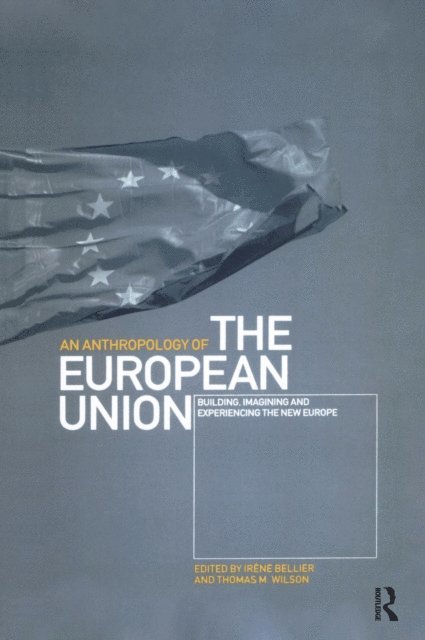
One of the problems facing Europe is that the building of institutional Europe and top-down efforts to get Europeans to imagine their common identity do not necessarily result in political and cultural unity. Anthropologists have been slow to consider the difficulties presented by the expansion of the EU model and its implications for Europe in the 21st Century. Representing a new trend in European anthropology, this book examines how people adjust to their different experiences of the new Europe. The role of culture, religion, and ideology, as well as insiders' social and professional practices, are all shown to shed light on the cultural logic sustaining the institutions and policies of the European Union. On the one hand, the activities of the European institutions in Brussels illustrate how people of many different nationalities, languages and cultures can live and work together. On the other hand, the interests of many people at the local, regional and national levels are not the same as the Eurocrats'. Contributors explore the issues of unity and diversity in ‘Europe-building' through various European institutions, images, and programmes, and their effects on a variety of definitions of identity in such locales as France, Denmark, the United Kingdom, Ireland and Belgium.
Anthropology of the European Union
Building, Imagining and Experiencing the New Europe
Häftad, Engelska, 2000
576 kr
Skickas inom 10-15 vardagar
One of the problems facing Europe is that the building of institutional Europe and top-down efforts to get Europeans to imagine their common identity do not necessarily result in political and cultural unity. Anthropologists have been slow to consider the difficulties presented by the expansion of the EU model and its implications for Europe in the 21st Century. Representing a new trend in European anthropology, this book examines how people adjust to their different experiences of the new Europe. The role of culture, religion, and ideology, as well as insiders' social and professional practices, are all shown to shed light on the cultural logic sustaining the institutions and policies of the European Union. On the one hand, the activities of the European institutions in Brussels illustrate how people of many different nationalities, languages and cultures can live and work together. On the other hand, the interests of many people at the local, regional and national levels are not the same as the Eurocrats'. Contributors explore the issues of unity and diversity in ‘Europe-building' through various European institutions, images, and programmes, and their effects on a variety of definitions of identity in such locales as France, Denmark, the United Kingdom, Ireland and Belgium.