Irina Paert - Böcker
Visar alla böcker från författaren Irina Paert. Handla med fri frakt och snabb leverans.
2 produkter
2 produkter
542 kr
Skickas inom 10-15 vardagar
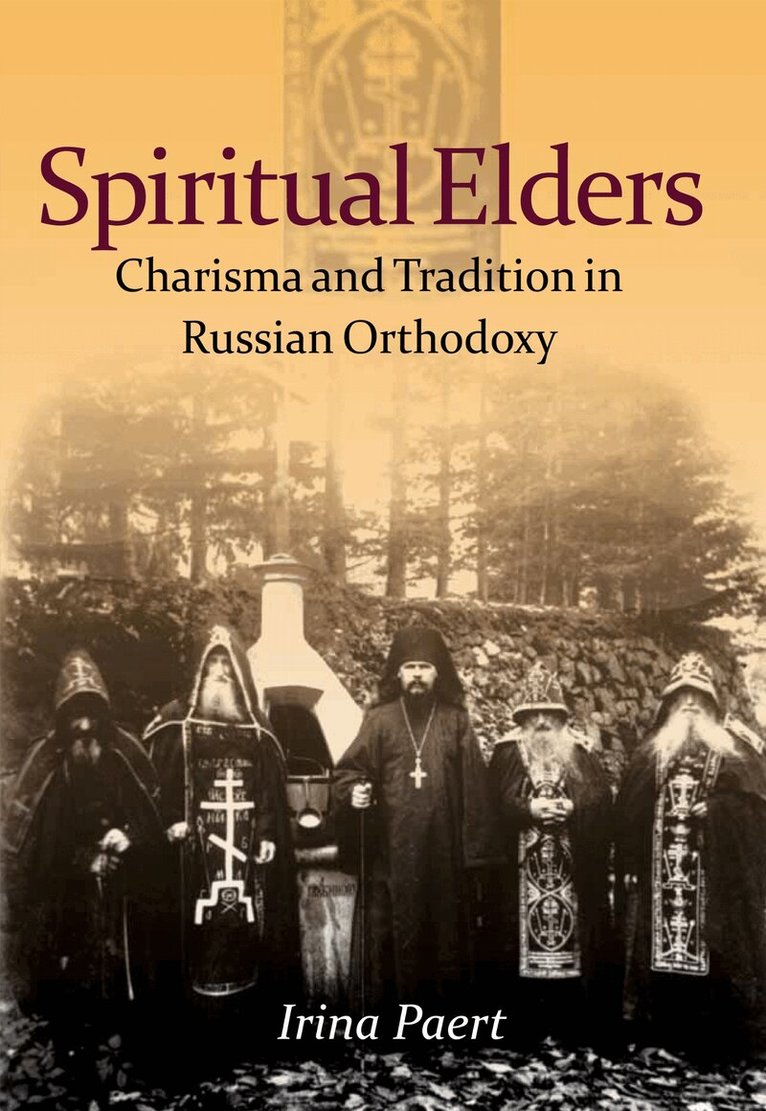
Spiritual elders (startsy) are a quintessential part of Russian Orthodox spirituality, yet scholars have given relatively little focus to them. Elders whose authority came not from their position within institutional church but from their reputation for personal holiness were mediating agents between official and popular Orthodoxy. Acting as teachers, spiritual directors, counselors, and prophets, elders represented a particular form of ministry within the Church. The informal source of elders' authority meant that their position was often in conflict with the bureaucratized Synod. In her highly readable book, Paert looks at both Imperial and Soviet Russia and examines the social and cultural contexts in which startsy operated, demonstrating how eldership was appropriated by both elites and lower classes. A significant contribution to the debate about the role of the Russian Orthodox Church in modernizing Russian society, Paert's study shows that elders represented both the weaknesses and the strengths of Russian Orthodoxy's response to the challenges of modernity. Spiritual Elders promises to stimulate further discussion on the problems of spiritual authority, popular belief, the impact of a religious identity on a national one, and the interactions between church and society in the modern world. Historians of Russia and scholars of Eastern Orthodoxy, as well as general readers of religious history, will find this book of great interest.
1 818 kr
Skickas inom 7-10 vardagar
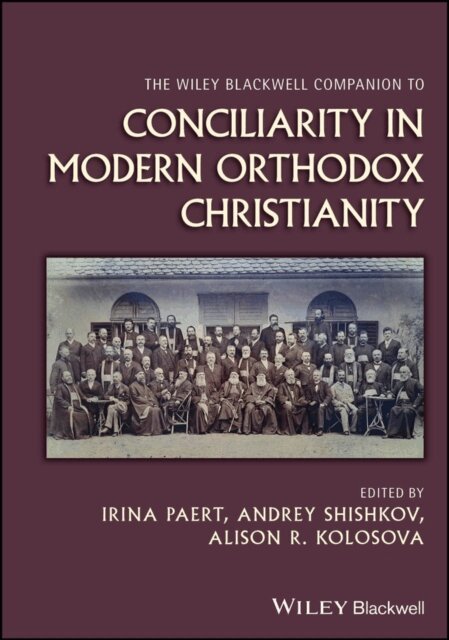
Offers a groundbreaking analysis of the transformation of conciliarity in modern Orthodox ChristianityConciliarity has long been a defining feature of Orthodox Christian identity, shaping governance, theology, and communal life. The Wiley Blackwell Companion to Conciliarity in Modern Orthodox Christianity offers a comprehensive examination of how this foundational principle has evolved from the nineteenth century onward. Bridging theological inquiry with historical and sociopolitical analysis, this volume brings together leading scholars to explore the paradigm shift in Orthodox ecclesiology, moving from a hierarchical model centered on the bishop to a more dynamic, participatory understanding of conciliarity as embracing both leadership and laity.Filling a critical gap in English-language scholarship on modern Orthodox ecclesiology and conciliar thought, the Companion provides crucial insights into key historical moments, including the 1917-18 Moscow Council and the 2016 Council of Crete, while also addressing ongoing challenges such as inter-Orthodox conflicts, the role of the laity, and ecumenical relations. The contributing authors use historical analysis and contemporary case studies to highlight diverse expressions of conciliar and synodal practice across global Orthodox communities, from traditional heartlands in the Middle East, Russia, Greece and Romania to diaspora and missionary contexts in Africa, the Americas and Western Europe.An essential reference for understanding the past, present, and future of conciliarity in the Orthodox Church, The Wiley Blackwell Companion to Conciliarity in Modern Orthodox Christianity: Explores previously under-researched aspects of Orthodox ecclesiology, connecting historical, theological, and sociopolitical perspectivesCovers a broad geographical range, including Eastern and Oriental Orthodox traditions across the Middle East, Europe, Africa, Asia, and the AmericasAddresses key contemporary issues such as inter-Orthodox relations, lay participation, and the role of women in the ChurchIncludes interdisciplinary approaches, incorporating elements of political theology, church governance, and environmental and ecumenical studiesThe Wiley Blackwell Companion to Conciliarity in Modern Orthodox Christianity is an essential resource for graduate students and scholars in theology, ecclesiology, church history, and ecumenism. It is also a valuable reference for clergy, church leaders, and members of ecumenical organizations such as the World Council of Churches seeking insights into the evolving role of conciliarity in modern Orthodox Christianity