Isabel Molina-Guzman – författare
Visar alla böcker från författaren Isabel Molina-Guzman. Handla med fri frakt och snabb leverans.
5 produkter
5 produkter
1 168 kr
Skickas inom 10-15 vardagar
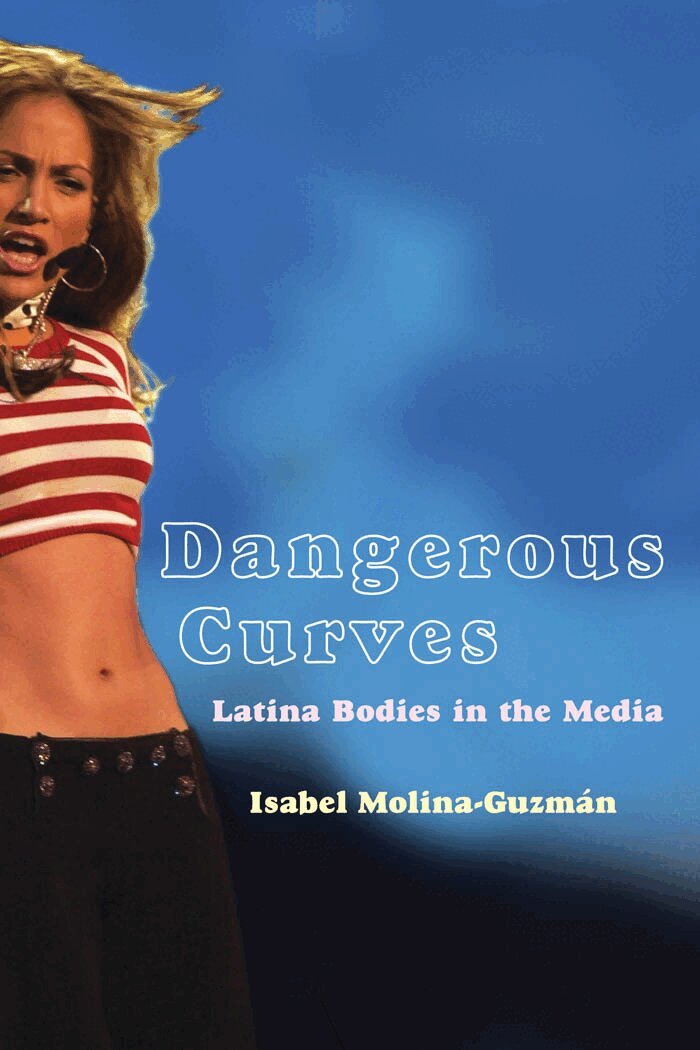
With images of Jennifer Lopez's butt and America Ferrera's smile saturating national and global culture, Latina bodies have become an ubiquitous presence. Dangerous Curves traces the visibility of the Latina body in the media and popular culture by analyzing a broad range of popular media including news, media gossip, movies, television news, and online audience discussions.Isabel Molina-Guzmán maps the ways in which the Latina body is gendered, sexualized, and racialized within the United States media using a series of fascinating case studies. The book examines tabloid headlines about Jennifer Lopez's indomitable sexuality, the contested authenticity of Salma Hayek's portrayal of Frida Kahlo in the movie Frida, and America Ferrera's universally appealing yet racially sublimated Ugly Betty character. Dangerous Curves carves out a mediated terrain where these racially ambiguous but ethnically marked feminine bodies sell everything from haute couture to tabloids.Through a careful examination of the cultural tensions embedded in the visibility of Latina bodies in United States media culture, Molina-Guzmán paints a nuanced portrait of the media's role in shaping public knowledge about Latina identity and Latinidad, and the ways political and social forces shape media representations.
366 kr
Skickas inom 5-8 vardagar
With images of Jennifer Lopez's butt and America Ferrera's smile saturating national and global culture, Latina bodies have become an ubiquitous presence. Dangerous Curves traces the visibility of the Latina body in the media and popular culture by analyzing a broad range of popular media including news, media gossip, movies, television news, and online audience discussions.Isabel Molina-Guzmán maps the ways in which the Latina body is gendered, sexualized, and racialized within the United States media using a series of fascinating case studies. The book examines tabloid headlines about Jennifer Lopez's indomitable sexuality, the contested authenticity of Salma Hayek's portrayal of Frida Kahlo in the movie Frida, and America Ferrera's universally appealing yet racially sublimated Ugly Betty character. Dangerous Curves carves out a mediated terrain where these racially ambiguous but ethnically marked feminine bodies sell everything from haute couture to tabloids.Through a careful examination of the cultural tensions embedded in the visibility of Latina bodies in United States media culture, Molina-Guzmán paints a nuanced portrait of the media's role in shaping public knowledge about Latina identity and Latinidad, and the ways political and social forces shape media representations.
220 kr
Skickas inom 11-20 vardagar
Since ABC’s George Lopez Show left the airwaves in 2007 as the only network television show to feature a Latino lead, the representational landscape of Latina and Latino actors has shifted from media invisibility toward an era of increasing inclusion. Sofia Vergara became the highest paid woman and Latina on TV for her starring role on Modern Family. In the first successful dramedy starring a Latina since ABC’s Ugly Betty, Gina Rodriguez gained critical acclaim for her role on the CW’s Jane the Virgin. And the first Latina leading lady of TV, America Ferrera (Ugly Betty), returned to TV stardom in NBC’s Superstore. This period of diversity brought U.S. Latina and Latino lives to the screen, yet a careful look at TV comedic content and production reveals a more troubling terrain for Latinas/os producers, writers, actors, and audiences. Interweaving discussions about the ethnic, racial, and linguistic representations of Latinas/os within network television comedies, Isabel Molina-Guzmán probes published interviews with producers and textual examples from hit programs like Modern Family, The Office, and Scrubs to understand how these prime-time sitcoms communicate difference in the United States. Understanding the complexity by which audiences interpret these programs, Molina-Guzmán situates her analysis within the Obama era, a period where ethnicity and race became increasingly grounded in “hipster racism,” and argues that despite increased inclusion, the feel-good imperative of TV comedies still inevitably leaves racism, sexism, and homophobia uncontested.
1 074 kr
Skickas inom 10-15 vardagar
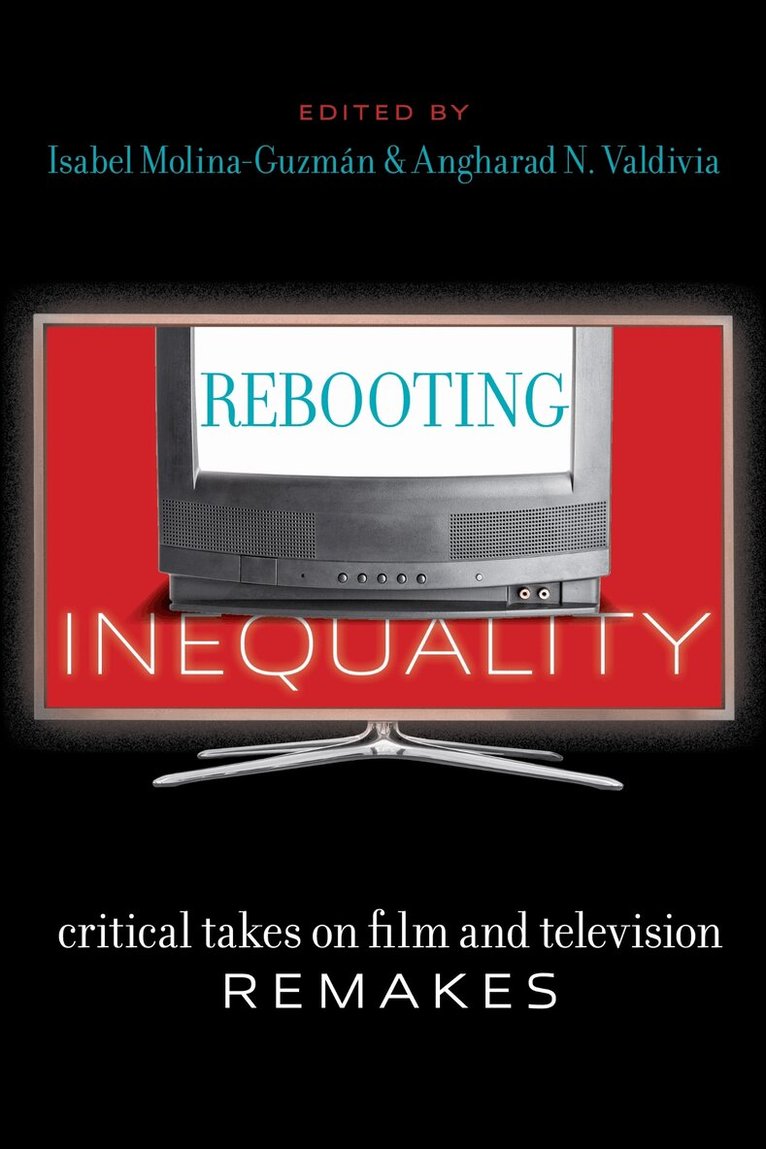
Explores how nostalgia-driven reboots, revivals, and remakes perpetuate systemic biases around race, gender, and sexuality amid global nationalismFrom Ghostbusters to Will & Grace, One Day at a Time to Jurassic Park, the past decade has seen Hollywood reach a new peak in its obsession with reboots, remakes, and revivals. Spearheaded by media giants like Disney and Netflix, these projects promise progress – more diverse casts, "timely" social commentary, and redemptive nostalgia – yet they often reproduce the very inequalities they claim to address.Rebooting Inequality brings together twelve concise, theoretically rich essays that interrogate how Hollywood's recycling of intellectual property sustains entrenched systems of racial, gender, and sexual inequality. Across genres and platforms, contributors explore how the industry's nostalgic return to familiar stories masks an ongoing reliance on white, patriarchal, and heteronormative frameworks of storytelling and production.Blending critical race, feminist, and media studies, the collection analyzes dozens of recent film and television revivals, remakes, and reboots from Roseanne to Charlie's Angels to ask what it means when entertainment markets strive for diversity while leaving the structures of inequality intact.Accessible yet deeply analytical, Rebooting Inequality exposes how nostalgia has become both a marketing strategy and a political tool, revealing how the "new" Hollywood continues to reanimate the past—profitably, repeatedly, and unequally.
366 kr
Skickas inom 5-8 vardagar
Explores how nostalgia-driven reboots, revivals, and remakes perpetuate systemic biases around race, gender, and sexuality amid global nationalismFrom Ghostbusters to Will & Grace, One Day at a Time to Jurassic Park, the past decade has seen Hollywood reach a new peak in its obsession with reboots, remakes, and revivals. Spearheaded by media giants like Disney and Netflix, these projects promise progress—more diverse casts, "timely" social commentary, and redemptive nostalgia—yet they often reproduce the very inequalities they claim to address.Rebooting Inequality brings together twelve concise, theoretically rich essays that interrogate how Hollywood's recycling of intellectual property sustains entrenched systems of racial, gender, and sexual inequality. Across genres and platforms, contributors explore how the industry's nostalgic return to familiar stories masks an ongoing reliance on white, patriarchal, and heteronormative frameworks of storytelling and production.Blending critical race, feminist, and media studies, the collection analyzes dozens of recent film and television revivals, remakes, and reboots from Roseanne to Charlie's Angels to ask what it means when entertainment markets strive for diversity while leaving the structures of inequality intact.Accessible yet deeply analytical, Rebooting Inequality exposes how nostalgia has become both a marketing strategy and a political tool, revealing how the "new" Hollywood continues to reanimate the past—profitably, repeatedly, and unequally.