Isiah Lavender - Böcker
Visar alla böcker från författaren Isiah Lavender. Handla med fri frakt och snabb leverans.
9 produkter
9 produkter
294 kr
Skickas inom 7-10 vardagar
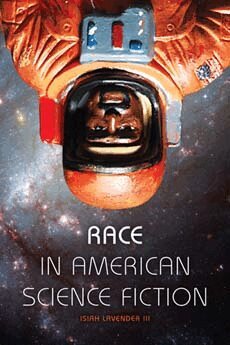
Noting that science fiction is characterized by an investment in the proliferation of racial difference, Isiah Lavender III argues that racial alterity is fundamental to the genre's narrative strategy. Race in American Science Fiction offers a systematic classification of ways that race appears and how it is silenced in science fiction, while developing a critical vocabulary designed to focus attention on often-overlooked racial implications. These focused readings of science fiction contextualize race within the genre's better-known master narratives and agendas. Authors discussed include Isaac Asimov, Ray Bradbury, Philip K. Dick, and Ursula K. Le Guin, among many others.
207 kr
Tillfälligt slut
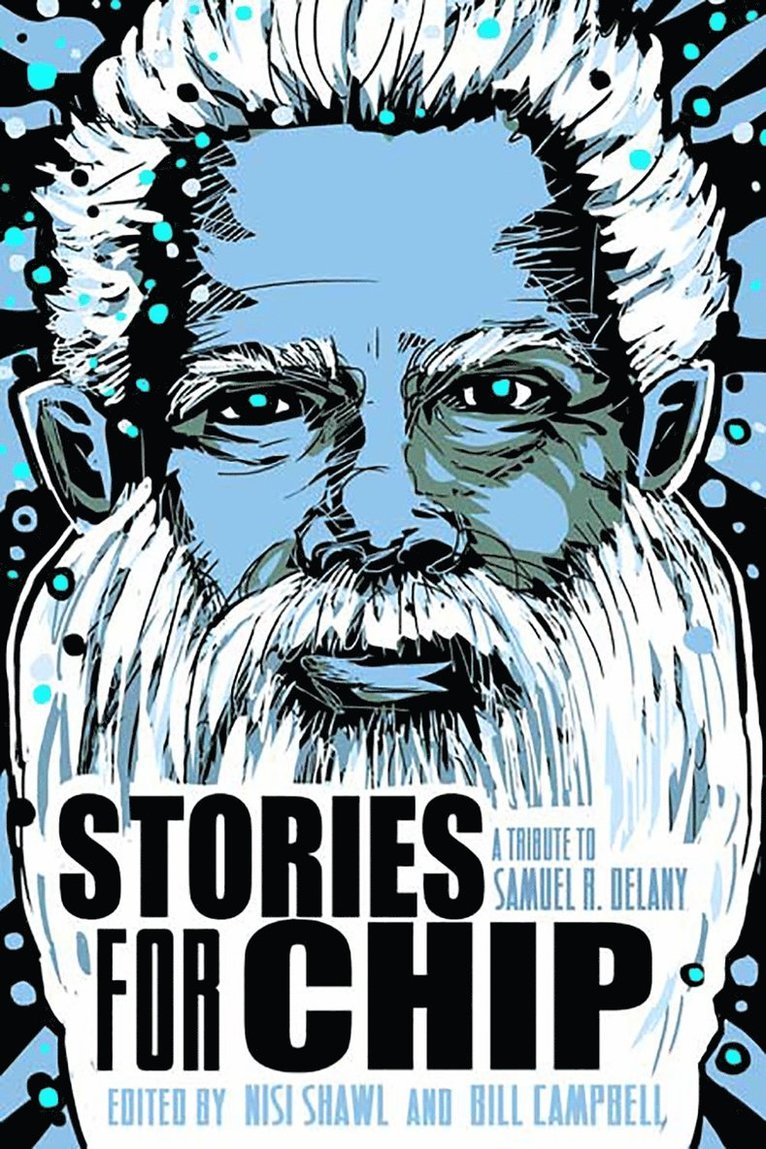
Stories for Chip brings together outstanding authors inspired by a brilliant writer and critic, Science Fiction Writers of America Grandmaster Samuel R. "Chip" Delany. Award-winning SF luminaries such as Michael Swanwick, Nalo Hopkinson, and Eileen Gunn contribute original fiction and creative nonfiction. From surrealistic visions of bucolic road trips to erotic transgressions to mind-expanding analyses of Delany's influence on the genre—as an out gay man, an African American, and possessor of a startlingly acute intellect—this book conveys the scope of the subject's sometimes troubling, always rewarding genius. Editors Nisi Shawl and Bill Campbell have given Delany and the world at large, a gorgeous, haunting, illuminating, and deeply satisfying gift of a book.
414 kr
Skickas inom 7-10 vardagar
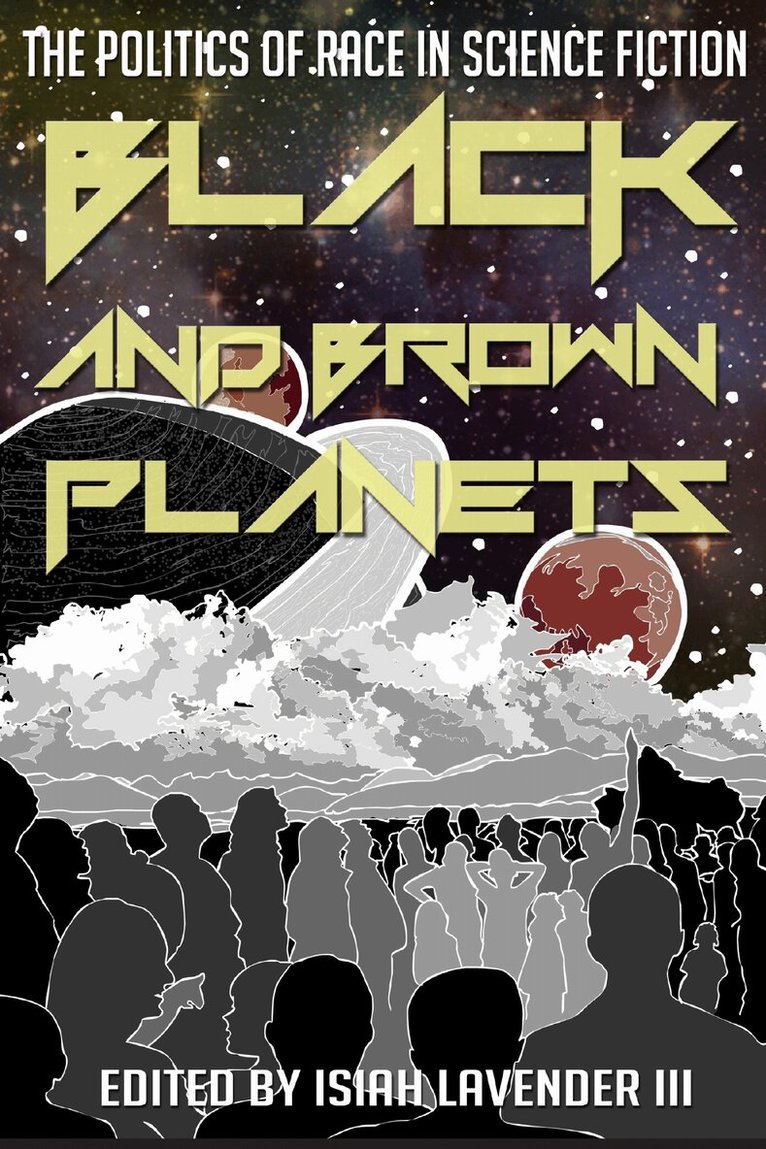
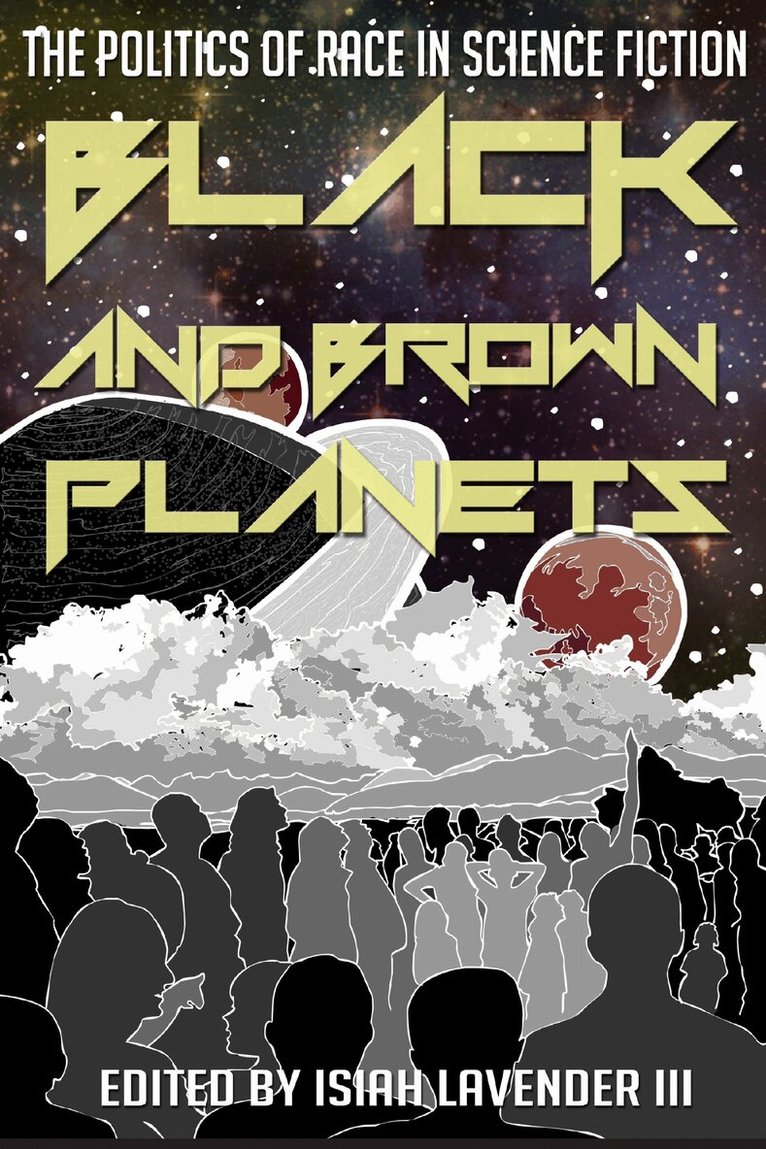
Black and Brown Planets embarks on a timely exploration of the American obsession with color in its look at the sometimes contrary intersections of politics and race in science fiction. The contributors, including De Witt D. Kilgore, Edward James, Lisa Yaszek, and Marleen S. Barr, among others, explore science fiction worlds of possibility (literature, television, and film), lifting blacks, Latin Americans, and indigenous peoples out from the background of this historically white genre.This collection considers the role of race and ethnicity in our visions of the future. The first section emphasizes the political elements of black identity portrayed in science fiction from black America to the vast reaches of interstellar space framed by racial history. In the next section, analysis of indigenous science fiction addresses the effects of colonization, helps discard the emotional and psychological baggage carried from its impact, and recovers ancestral traditions in order to adapt in a post-Native-apocalyptic world. Likewise, this section explores the affinity between science fiction and subjectivity in Latin American cultures from the role of science and industrialization to the effects of being in and moving between two cultures. By infusing more color in this otherwise monochrome genre, Black and Brown Planets imagines alternate racial galaxies with viable political futures in which people of color determine human destiny.
1 350 kr
Skickas inom 10-15 vardagar
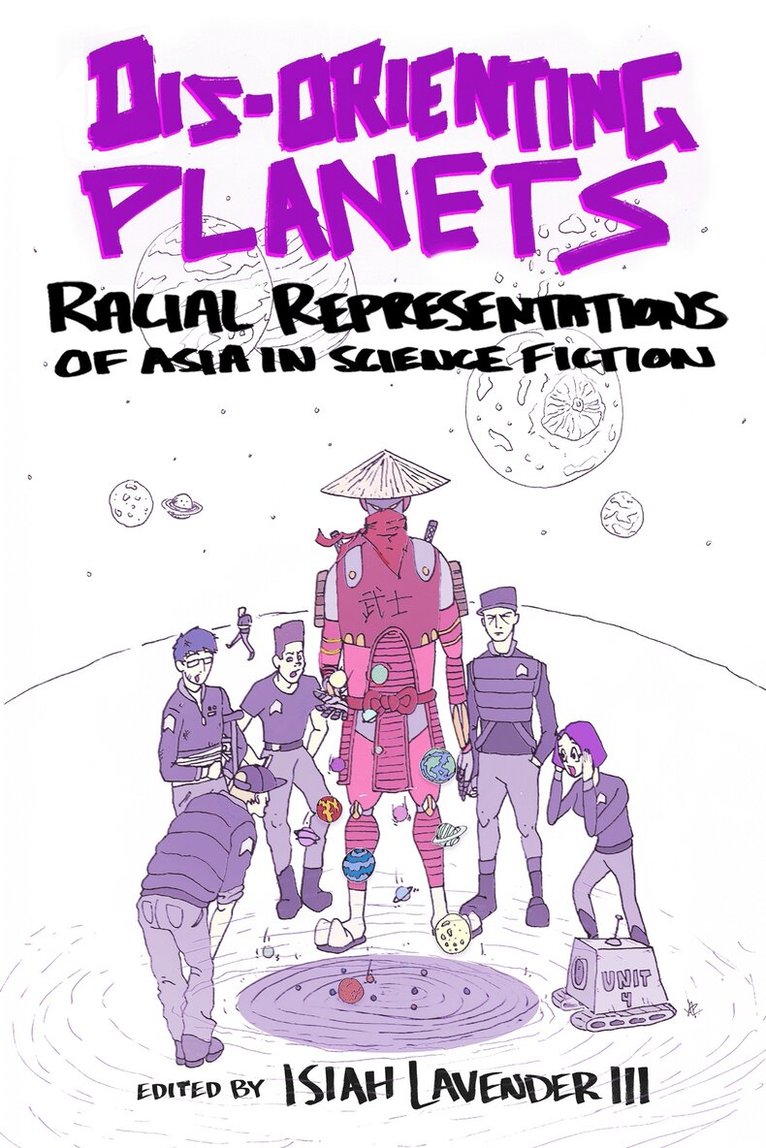
Isiah Lavender III’s Dis-Orienting Planets amplifies critical issues surrounding the racial and ethnic dimensions of science fiction. This edited volume explores depictions of Asia and Asians in science fiction literature, film, and fandom with particular regard to China, Japan, India, and Korea.Dis-Orienting Planets highlights so-called yellow and brown peoples from the constellation of a historically white genre. The collection launches into political representations of Asian identityin science fiction’s imagination, from fear of the yellow peril and its racist stereotypes to techno-orientalism and the remains of a post-colonial heritage. Thus the essays, by contributors such as Takayuki Tatsumi, Veronica Hollinger, Uppinder Mehan, and Stephen Hong Sohn, reconfigure the very study of race in science fiction.A follow-up to Lavender’s Black and Brown Planets, this new collection expands the racial politics governing the renewed visibility of Asia in science fiction. One of the few on this subject, the volume probes Gary Shteyngart’s novel Super Sad True Love Story, the acclaimed film Cloud Atlas, and Guillermo del Toro’s monsterfilm Pacific Rim, among others. Dis-Orienting Planets embarks on a wide-ranging assessment of Asian representations in science fiction, upon the determination that our visions of the future must include all people of color.With contributions by: Suparno Banerjee, Cait Coker, Jeshua Enriquez, Joan Gordon, Veronica Hollinger, Malisa Kurtz, Stephanie Li, Bradford Lyau, Uppinder Mehan, Graham J. Murphy, Baryon Tensor Posadas, Amy J. Ransom, Robin Anne Reid, Haerin Shin, Stephen Hong Sohn, Takayuki Tatsumi, and Timothy J. Yamamura.
414 kr
Skickas inom 7-10 vardagar
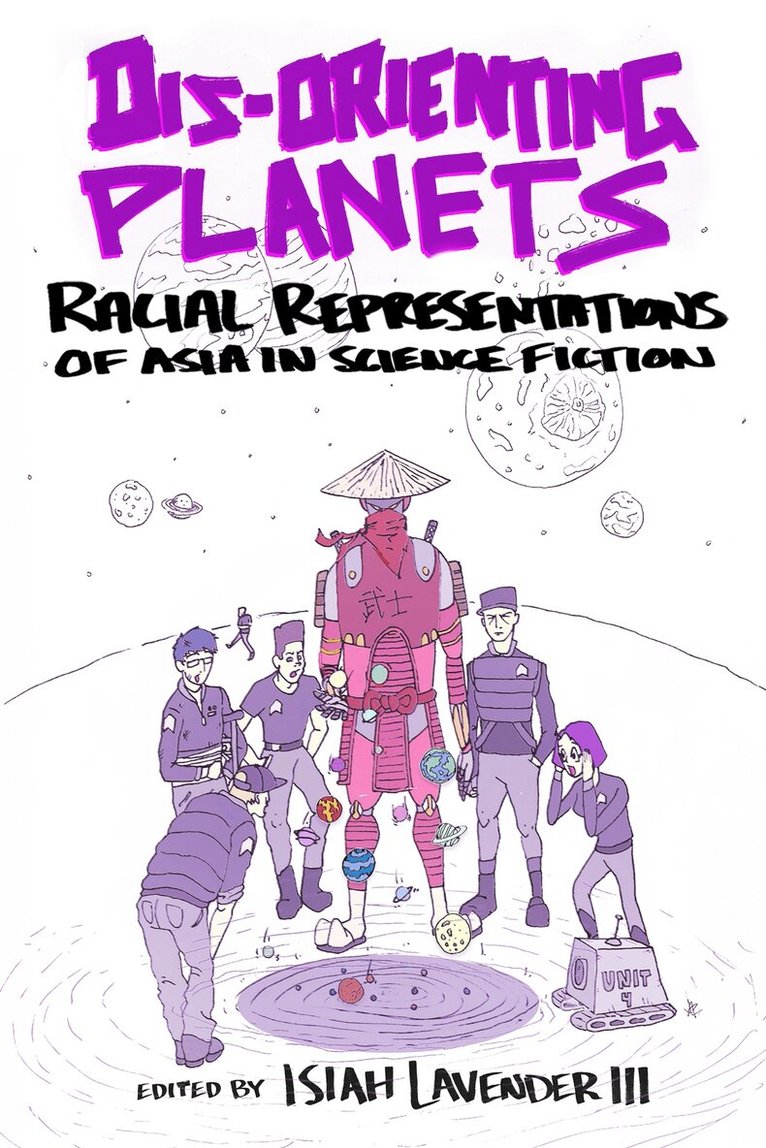
Isiah Lavender III's Dis-Orienting Planets amplifies critical issues surrounding the racial and ethnic dimensions of science fiction. This edited volume explores depictions of Asia and Asians in science fiction literature, film, and fandom with particular regard to China, Japan, India, and Korea.Dis-Orienting Planets highlights so-called yellow and brown peoples from the constellation of a historically white genre. The collection launches into political representations of Asian identity in science fiction's imagination, from fear of the Yellow Peril and its racist stereotypes to techno-Orientalism and the remains of a postcolonial heritage. Thus the essays, by contributors such as Takayuki Tatsumi, Veronica Hollinger, Uppinder Mehan, and Stephen Hong Sohn, reconfigure the very study of race in science fiction.A follow-up to Lavender's Black and Brown Planets, this collection expands the racial politics governing the renewed visibility of Asia in science fiction. One of the few on this subject, the volume probes Gary Shteyngart's novel Super Sad True Love Story, the acclaimed film Cloud Atlas, and Guillermo del Toro's monster film Pacific Rim, among others. Dis-Orienting Planets embarks on a wide-ranging assessment of Asian representations in science fiction, upon the determination that our visions of the future must include all people of color.Contributions by Suparno Banerjee, Cait Coker, Jeshua Enriquez, Joan Gordon, Veronica Hollinger, Malisa Kurtz, Stephanie Li, Bradford Lyau, Uppinder Mehan, Graham J. Murphy, Baryon Tensor Posadas, Amy J. Ransom, Robin Anne Reid, Haerin Shin, Stephen Hong Sohn, Takayuki Tatsumi, and Timothy J. Yamamura.
1 350 kr
Skickas inom 10-15 vardagar
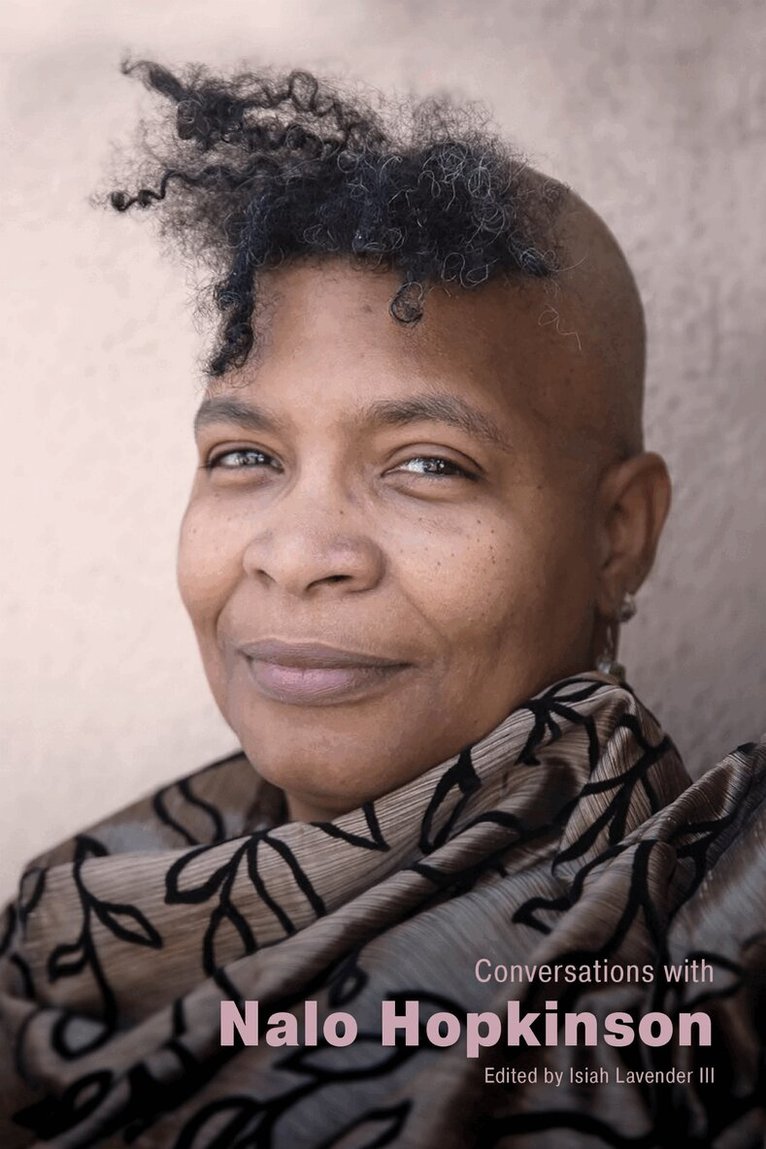
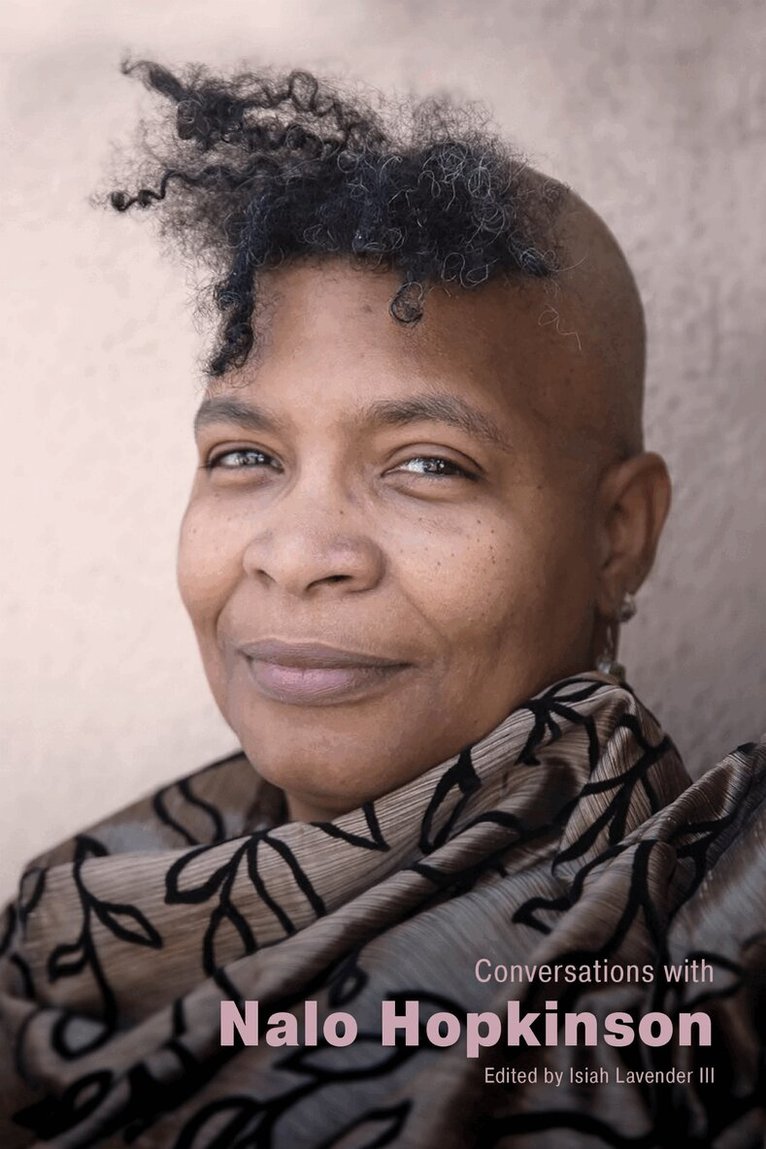
A key figure in contemporary speculative fiction, Jamaican-born Canadian Nalo Hopkinson (b. 1960) is the first Black queer woman as well as the youngest person to be named a "Grand Master" of Science Fiction. Her Caribbean-inspired narratives—Brown Girl in the Ring, Midnight Robber, The Salt Roads, The New Moon’s Arms, The Chaos, and Sister Mine—project complex futures and complex identities for people of color in terms of race, sex, and gender. Hopkinson has always had a vested interest in expanding racial and ethnic diversity in all facets of speculative fiction from its writers to its readers, and this desire is reflected in her award-winning anthologies. Her work best represents the current and ongoing colored wave of science fiction in the twenty-first century.In twenty-one interviews ranging from 1999 until 2021, Conversations with Nalo Hopkinson reveals a writer of fierce intelligence and humor in love with ideas and concerned with issues of identity. She provides powerful insights on code-switching, race, Afrofuturism, queer identities, sexuality, Caribbean folklore, and postcolonial science fictions, among other things. As a result, the conversations presented here very much demonstrate the uniqueness of her mind and her influence as a writer.
359 kr
Skickas inom 10-15 vardagar
A key figure in contemporary speculative fiction, Jamaican-born Canadian Nalo Hopkinson (b. 1960) is the first Black queer woman as well as the youngest person to be named a "Grand Master" of Science Fiction. Her Caribbean-inspired narratives—Brown Girl in the Ring, Midnight Robber, The Salt Roads, The New Moon’s Arms, The Chaos, and Sister Mine—project complex futures and complex identities for people of color in terms of race, sex, and gender. Hopkinson has always had a vested interest in expanding racial and ethnic diversity in all facets of speculative fiction from its writers to its readers, and this desire is reflected in her award-winning anthologies. Her work best represents the current and ongoing colored wave of science fiction in the twenty-first century.In twenty-one interviews ranging from 1999 until 2021, Conversations with Nalo Hopkinson reveals a writer of fierce intelligence and humor in love with ideas and concerned with issues of identity. She provides powerful insights on code-switching, race, Afrofuturism, queer identities, sexuality, Caribbean folklore, and postcolonial science fictions, among other things. As a result, the conversations presented here very much demonstrate the uniqueness of her mind and her influence as a writer.
679 kr
Skickas inom 10-15 vardagar
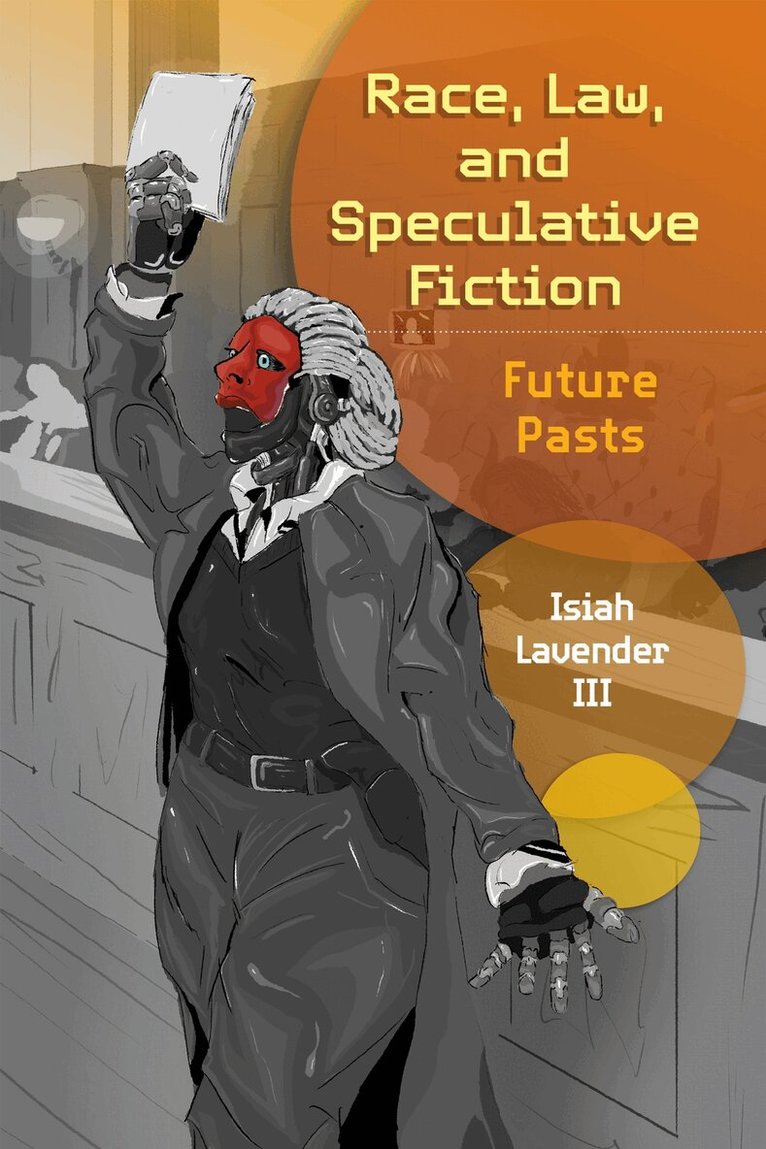
An analysis of US science fiction, through the lens of critical race theory, that illuminates how the genre offers new directions for serious appraisals of race and racism between yesterday, today, and tomorrowIn Race, Law, and Speculative Fiction, Isiah Lavender III takes seriously the theoretical, stylistic, and rhetorical possibilities inherent in the genre of science fiction toward challenging perceptions of race, ethnicity, whiteness, and Blackness in US culture. To do so, he examines works by a wide variety of science fiction writers exploring racial themes—Samuel R. Delany, Octavia Butler, Edgar Allan Poe, Mat Johnson (whose Pym [2011] is a direct challenge to Poe's The Narrative of Arthur Gordon Pym of Nantucket [1838]), Derrick Bell, and others.Locating racial contexts, social categorizations, and cultural patterns in US speculative fiction, Lavender employs the tenets of critical race theory to sight the unanticipated things the genre might have to say about race at the intersection between imaginary laws and how we, as readers, partake in this imagining. Recognizable science fiction tropes—such as alien contact, time travel, contagion, generation starships, the near future, alternate history, climate change, among others—constitute science fictional novum. The novum is the new thing, invention, or novelty introduced into the fictional world that deliberately functions as the catalyst for the change made in the fictional world, differing from the reader's world. Lavender coined the term noirum to represent the legislative innovations prompted within the fictional world to cope with, if not to control, the impact of the novum. Whether it is a make-believe amendment, imaginary federal court ruling, fictitious executive order, or something else entirely, the noirum identifies the ways in which these powerful science fiction motifs are organized around question of race.Race, Law, and Speculative Fiction analyzes the ways in which science fiction has engaged with institutions and the law, offering narratives or concepts, or both, that uphold the racial status quo or fictional alternatives to existing legal structures. Bringing critical race theory and science fiction together, Lavender highlights stories that not only counter the dominant narrative of white supremacy but also envision a future in which people are united in full colored racial consciousness against dehumanization of any kind.
1 350 kr
Skickas inom 10-15 vardagar
Black and Brown Planets embarks on a timely exploration of the American obsession with color in its look at the sometimes contrary intersections of politics and race in science fiction. The contributors, including De Witt D. Kilgore, Edward James, Lisa Yaszek, and Marleen S. Barr, among others, explore science fiction worlds of possibility (literature, television, and film), lifting blacks, Latin Americans, and indigenous peoples out from the background of this historically white genre.This collection considers the role of race and ethnicity in our visions of the future. The first section emphasizes the political elements of black identity portrayed in science fiction from black America to the vast reaches of interstellar space framed by racial history. In the next section, analysis of indigenous science fiction addresses the effects of colonization, helps discard the emotional and psychological baggage carried from its impact, and recovers ancestral traditions in order to adapt in a post-Native-apocalyptic world. Likewise, this section explores the affinity between science fiction and subjectivity in Latin American cultures from the role of science and industrialization to the effects of being in and moving between two cultures. By infusing more color in this otherwise monochrome genre, Black and Brown Planets imagines alternate racial galaxies with viable political futures in which people of color determine human destiny.