Ita Beausang - Böcker
Visar alla böcker från författaren Ita Beausang. Handla med fri frakt och snabb leverans.
2 produkter
2 produkter
310 kr
Kommande
Composer Ina Boyle (1889–1967) was the first Irishwoman to undertake a symphony, a concerto and a ballet. After developing a passion for music at an early age, she worked at her craft throughout her life being educated privately in Dublin and later in England. In 1919 her orchestral rhapsody, ‘The magic harp’, was selected for publication by the prestigious Carnegie United Kingdom Trust and was performed by the London Symphony Orchestra. From 1923 until the outbreak of the Second World War she travelled regularly to London for lessons with composer and mentor Ralph Vaughan Williams. During the 1940s several of her orchestral works were broadcast on Radio Éireann in programmes of music by Irish composers. Despite these achievements, Boyle struggled to gain recognition during her lifetime or to hear her works performed. This long overdue study seeks to restore her legacy as one of twentieth-century Ireland’s most prolific composers.
1 195 kr
Skickas inom 7-10 vardagar
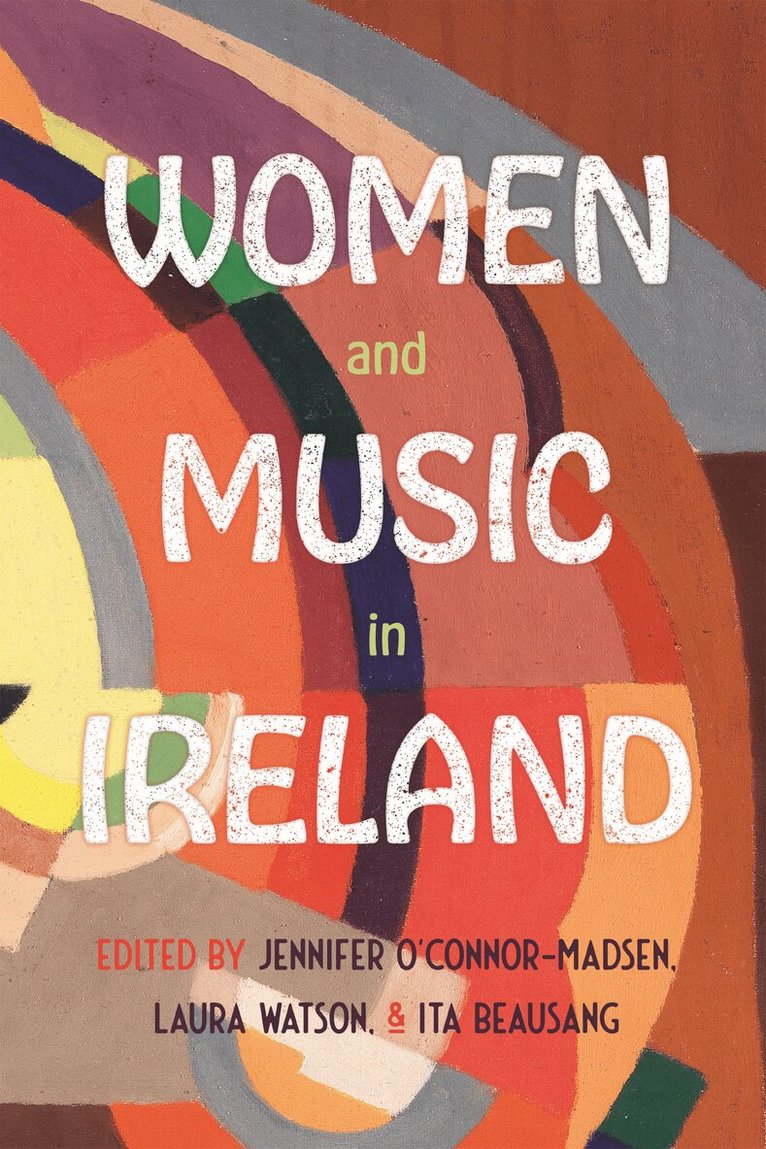
Explores the world of women's professional and amateur musical activity as it developed on and beyond the island of Ireland.In a story which spans several centuries, the book highlights representative composers and performers in classical music, Irish traditional music, and contemporary art music whose contributions have been marginalised in music narratives. As well as investigating the careers of public figures, this edited collection brings attention to women who engaged with and taught music in a variety of domestic settings. It also shines a spotlight on women who worked behind the scenes to build infrastructures such as festivals and educational institutions which remain at the heart of the country's musical life today. The book addresses and reconsiders ideas about the intersections of music, gender, and Irish society, including how the national emblem of the harp became recast as a symbol of Irish womanhood in the twentieth century. The book is divided into four parts. Part 1 surveys women musicians in Irish society of the eighteenth and nineteenth centuries. Part 2 discusses women and practice in Irish traditional music. Part 3 studies gaps and gender politics in the history of twentieth-century women composers and performers. Part 4 situates discourses of women, gender, and music in the twenty-first century. The book's contributors encompass musicologists, cultural historians, composers, and performers.