Laura Watson - Böcker
Visar alla böcker från författaren Laura Watson. Handla med fri frakt och snabb leverans.
5 produkter
5 produkter
649 kr
Skickas inom 10-15 vardagar
This book appraises the contribution of Paul Dukas (1865–1935) to a wide variety of French musical practices. As a composer, critic, artistic collaborator and teacher, Dukas was central to the fin de siècle and early twentieth-century Paris musical scene (and more broadly to the French scene). Significantly, his compositional style mediated tradition through the modern language of his present, while his critical writings pioneered a new mode of musical discourse in the French press. Of further interest are Dukas’s professional relationships with iconic figures such as Gabriel Fauré and Claude Debussy, and his role in fostering the next generation of French composers. In addition to mentoring famous names such as Olivier Messiaen and Tony Aubin, he staunchly supported his female students, notably Elsa Barraine, Claude Arrieu and Yvonne Desportes. This unique essay collection offers a panoramic perspective on a comparatively neglected French musician. Paul Dukas: Legacies of a French Musician traces two aspects of his work: Part I treats Dukas as a composer, thinker and artistic collaborator; Part II constructs his intellectual legacy as seen in his creative and pedagogic endeavours. This book is essential reading for anyone interested in fin de siècle and early twentieth-century French music, women in French music, music criticism and composition education in the Paris Conservatoire.
2 150 kr
Skickas inom 10-15 vardagar
This book appraises the contribution of Paul Dukas (1865–1935) to a wide variety of French musical practices. As a composer, critic, artistic collaborator and teacher, Dukas was central to the fin de siècle and early twentieth-century Paris musical scene (and more broadly to the French scene). Significantly, his compositional style mediated tradition through the modern language of his present, while his critical writings pioneered a new mode of musical discourse in the French press. Of further interest are Dukas’s professional relationships with iconic figures such as Gabriel Fauré and Claude Debussy, and his role in fostering the next generation of French composers. In addition to mentoring famous names such as Olivier Messiaen and Tony Aubin, he staunchly supported his female students, notably Elsa Barraine, Claude Arrieu and Yvonne Desportes. This unique essay collection offers a panoramic perspective on a comparatively neglected French musician. Paul Dukas: Legacies of a French Musician traces two aspects of his work: Part I treats Dukas as a composer, thinker and artistic collaborator; Part II constructs his intellectual legacy as seen in his creative and pedagogic endeavours. This book is essential reading for anyone interested in fin de siècle and early twentieth-century French music, women in French music, music criticism and composition education in the Paris Conservatoire.
253 kr
Skickas
570 kr
Skickas inom 7-10 vardagar
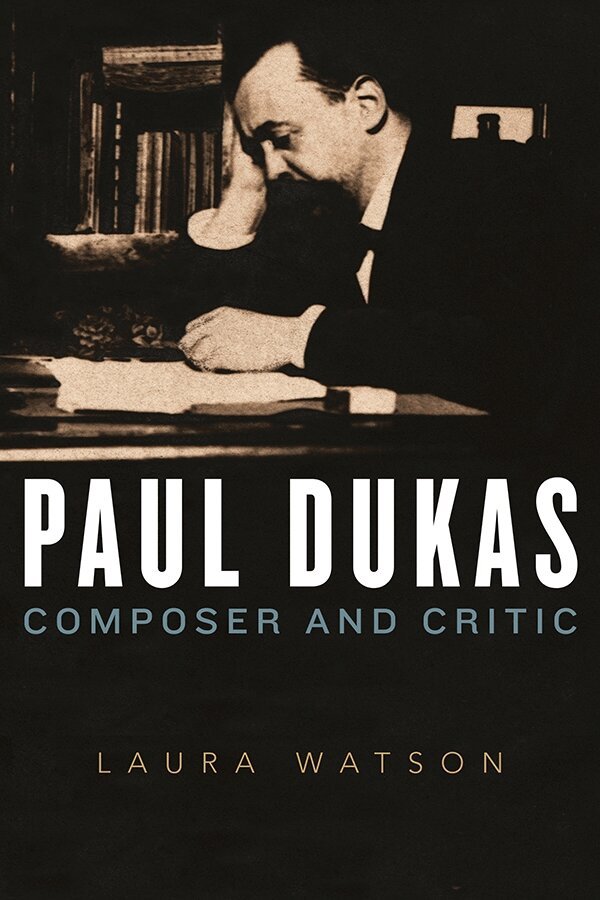
As a noted composer and critic, Paul Dukas was a major figure in fin-de-siècle and early twentieth-century French music. Best known for L'Apprenti sorcier, he was internationally recognised as an artist and intellectual ofdistinction who contributed significantly to Parisian musical cultures and critical debates.As a noted composer and critic, and later an editor and composition teacher, Paul Dukas (1865-1935) was a major figure in fin-de-siècle and early twentieth-century French music. Although his catalogue of published scores was relatively modest in quantity, he was internationally recognised as an artist and intellectual of distinction who contributed significantly to Parisian musical cultures and critical debates as they evolved from the 1890s until the 1930sMoving in the same circles as Debussy and Fauré, as well as networking with trailblazers such as the Ballets Russes director Sergei Diaghilev and the conductor Serge Koussevitzky, Dukas created works that reflect French sensibilities but also resonate with transnational audiences. L'Apprenti sorcier is still his best-known work, while the opera Ariane et Barbe-Bleue has been revived and remains relevant for the twenty-first century. Works such as the Piano Sonata and the ballet La Péri respectively exemplify the twin attractions of tradition and progress for the composer. Intensely self-critical, however, he ended up destroying many of his scores.This book is the first full-length Anglophone study of Dukas. It perceives his critical essays as a form of creative, philosophical thought that synthesised the riches of the Parisian music scene yet also represented the formationand development of his own artistic voice. Investigating Dukas's interrelated identities as composer and critic, it seeks to explain his broad aesthetic motivations and artistic agenda.LAURA WATSON is Lecturer in Musicat Maynooth University.
1 195 kr
Skickas inom 7-10 vardagar
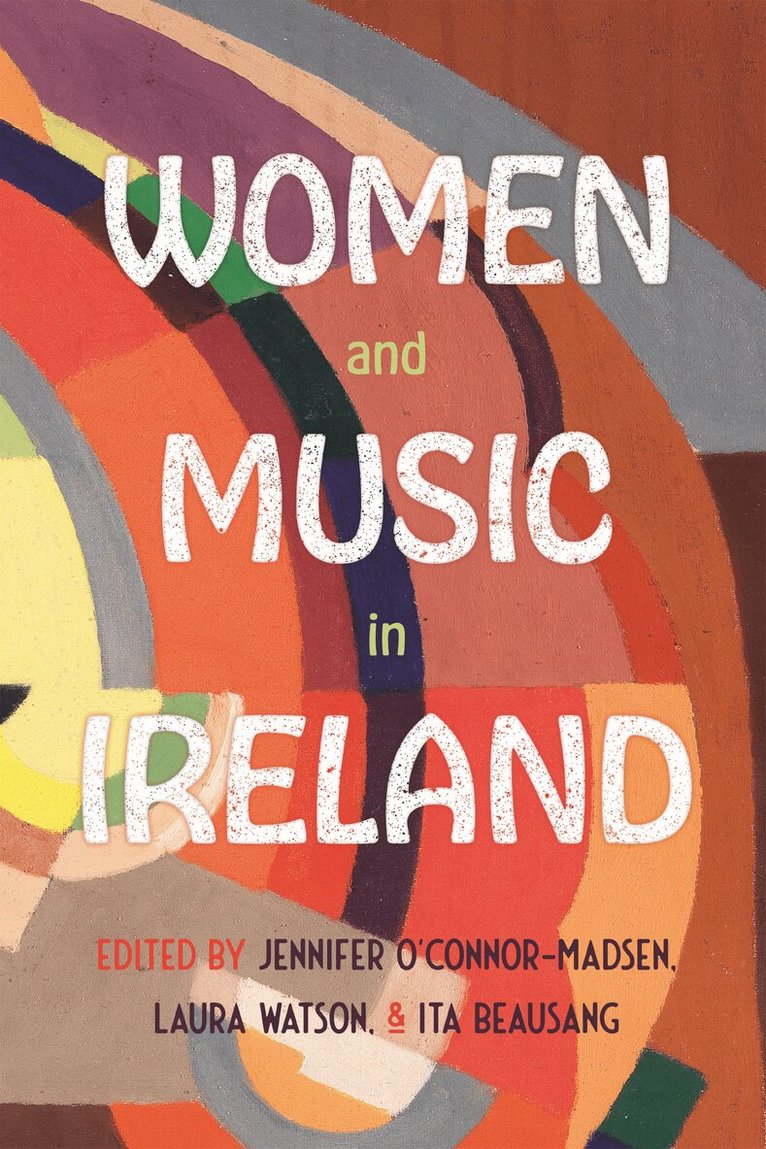
Explores the world of women's professional and amateur musical activity as it developed on and beyond the island of Ireland.In a story which spans several centuries, the book highlights representative composers and performers in classical music, Irish traditional music, and contemporary art music whose contributions have been marginalised in music narratives. As well as investigating the careers of public figures, this edited collection brings attention to women who engaged with and taught music in a variety of domestic settings. It also shines a spotlight on women who worked behind the scenes to build infrastructures such as festivals and educational institutions which remain at the heart of the country's musical life today. The book addresses and reconsiders ideas about the intersections of music, gender, and Irish society, including how the national emblem of the harp became recast as a symbol of Irish womanhood in the twentieth century. The book is divided into four parts. Part 1 surveys women musicians in Irish society of the eighteenth and nineteenth centuries. Part 2 discusses women and practice in Irish traditional music. Part 3 studies gaps and gender politics in the history of twentieth-century women composers and performers. Part 4 situates discourses of women, gender, and music in the twenty-first century. The book's contributors encompass musicologists, cultural historians, composers, and performers.