Ivan Kurilla – författare
Visar alla böcker från författaren Ivan Kurilla. Handla med fri frakt och snabb leverans.
14 produkter
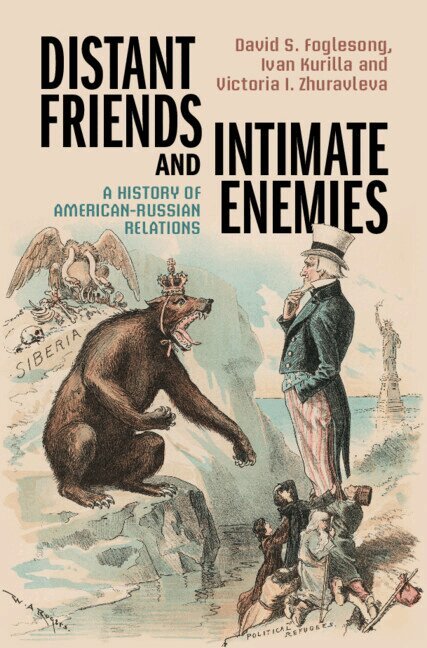
Distant Friends and Intimate Enemies
A History of American-Russian Relations
Av David S. Foglesong, Ivan Kurilla m. fl.
Inbunden, 2025
506 kr
Lägg i varukorg
This bold, sweeping history of the turbulent American-Russian relationship is unique in being written jointly by American and Russian authors. David Foglesong, Ivan Kurilla and Victoria Zhuravleva together reveal how and why America and Russia shifted from being warm friends and even tacit allies …
Distant Friends and Intimate Enemies
A History of American-Russian Relations
Av Victoria I. Zhuravleva, Ivan Kurilla m. fl.
E-bok, 2025
571 kr
Lägg i varukorg
Distant Friends and Intimate Enemies
A History of American-Russian Relations
Av Victoria I. Zhuravleva, Ivan Kurilla m. fl.
E-bok, 2025
571 kr
Lägg i varukorg
Russian/Soviet Studies in the United States, Amerikanistika in Russia
Mutual Representations in Academic Projects
Av Ivan Kurilla, Victoria I. Zhuravleva
Inbunden, 2015
1612 kr
Lägg i varukorg
The contributors in this interdisciplinary collection address the problem of interconnection between the study of the “Other,” either Russian or American, and the shaping of national identities in the two countries at different stages of US–Russian relations. The focus of research interests were …
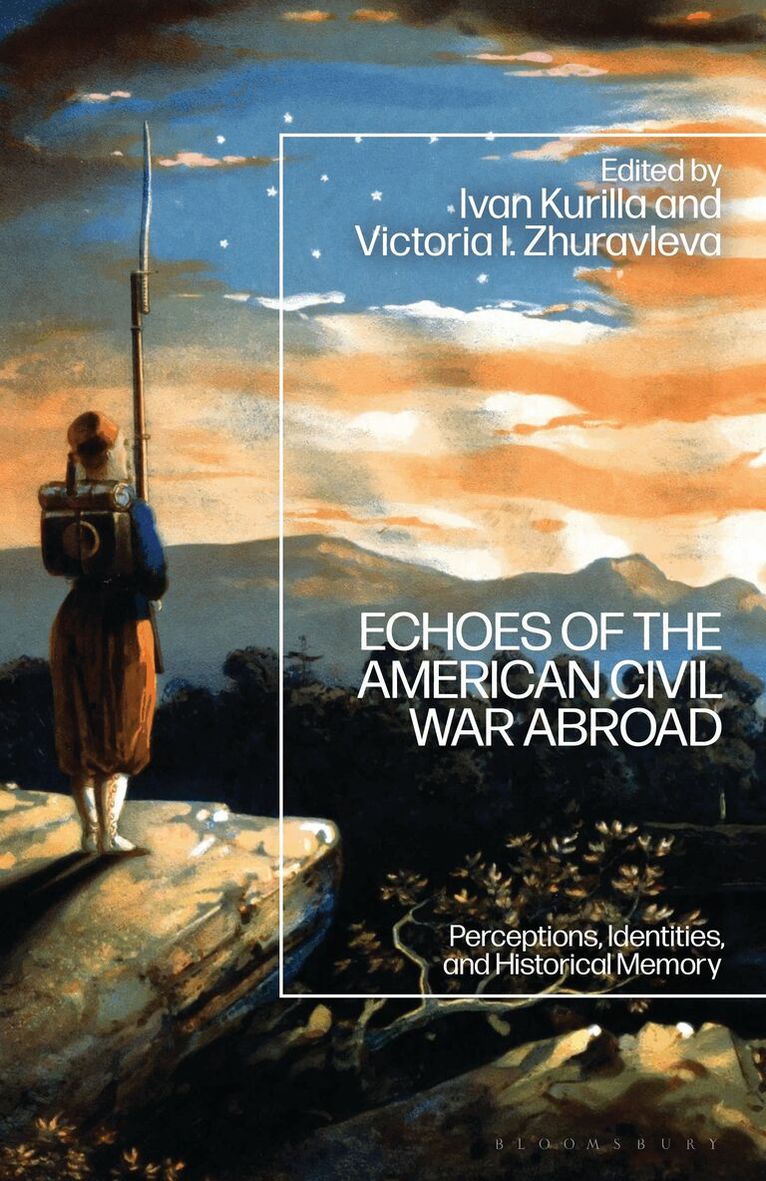
Echoes of the American Civil War Abroad
Perceptions, Identities, and Historical Memory
Av Ivan Kurilla, Victoria I. Zhuravleva
Inbunden, 2026
1320 kr
Lägg i varukorg
Through a constructivist approach, this book views the era of the American Civil War as a transnational phenomenon, emphasizing its role in shaping national identities and historical memory worldwide.Extending identity narratives across time, contributors from Brazil, Canada, France, Mexico, …
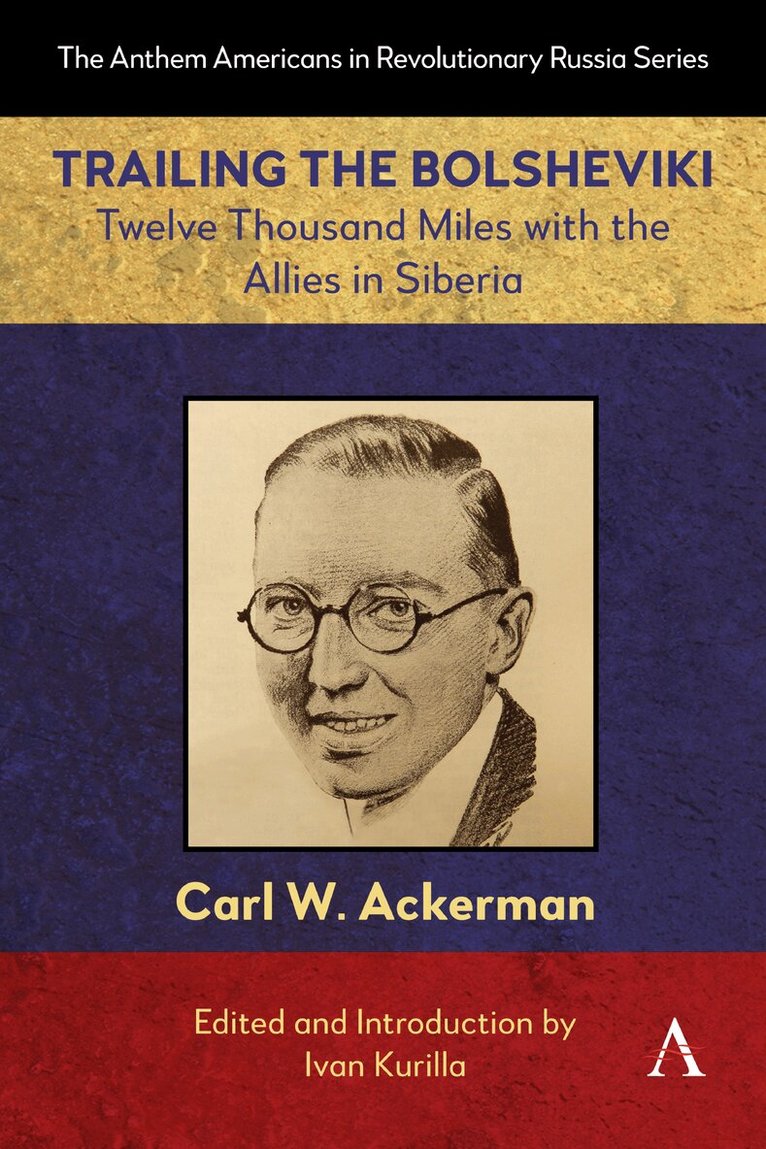
Trailing the Bolsheviki
Twelve Thousand Miles with the Allies in Siberia
Av CARL W. ACKERMAN, Ivan Kurilla
Inbunden, 2025
1329 kr
Lägg i varukorg
A special correspondent of The New York Times, Carl W. Ackerman traveled from Vladivostok to Irkutsk to Omsk to Ekaterinburg in the fall of 1918 in the midst of the Russian Civil War. He met with officers of the American and Japanese expeditionary forces, with members of the Czecho-Slovak corps …
Trailing the Bolsheviki
Twelve Thousand Miles with the Allies in Siberia
Av CARL W. ACKERMAN, Ivan Kurilla
Häftad, 2025
435 kr
Lägg i varukorg
A special correspondent of The New York Times, Carl W. Ackerman traveled from Vladivostok to Irkutsk to Omsk to Ekaterinburg in the fall of 1918 in the midst of the Russian Civil War. He met with officers of the American and Japanese expeditionary forces, with members of the Czecho-Slovak corps …
Echoes of the American Civil War Abroad
Perceptions, Identities, and Historical Memory
Av Ivan Kurilla, Victoria I. Zhuravleva
E-bok, 2026
1445 kr
Lägg i varukorg
Through a constructivist approach, this book views the era of the American Civil War as a transnational phenomenon, emphasizing its role in shaping national identities and historical memory worldwide.Extending identity narratives across time, contributors from Brazil, Canada, France, Mexico, …
Американцы и все остальные
Истоки и смысл внешней политики США
Av Иван Курилла
Häftad, 2025
180 kr
Lägg i varukorg
Американцы и все остальные
Истоки и смысл внешней политики США
Av Иван Курилла
Inbunden, 2025
286 kr
Lägg i varukorg
Battle for the Past
How Politics Rewrites History
Av Ivan Kurilla
Inbunden, 2025
457 kr
Lägg i varukorg
This book is about the dramatic changes that the world is witnessing in its attitude toward the past. For the first time in many generations, ordinary citizens around the globe have burst into disputes about history that were previously the province of politicians and scholars. These people are …
Battle for the Past
How Politics Rewrites History
Av Ivan Kurilla
E-bok, 2025
588 kr
Lägg i varukorg
This book is about the dramatic changes that the world is witnessing in its attitude toward the past. For the first time in many generations, ordinary citizens around the globe have burst into disputes about history that were previously the province of politicians and scholars. These people are …
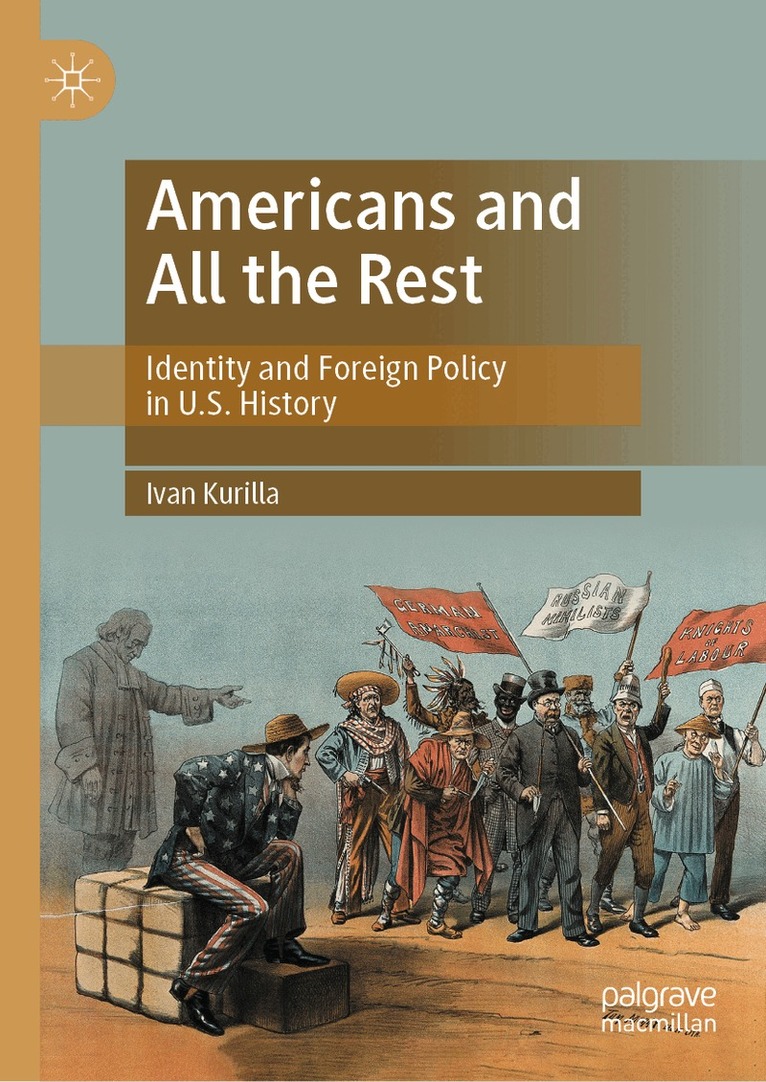
Americans and All the Rest
Identity and Foreign Policy in U.S. History
Av Ivan Kurilla
Inbunden, 2026
1425 kr
Lägg i varukorg
Americans and All the Rest examines how the United States has repeatedly defined itself through changing “Others” and how that evolving sense of national identity has shaped its conduct abroad. Rather than treating foreign policy as the product of interests or elite doctrine alone, the book traces …
Americans and All the Rest
Identity and Foreign Policy in U.S. History
Av Ivan Kurilla
E-bok, 2026
1785 kr
Lägg i varukorg
Americans and All the Rest examines how the United States has repeatedly defined itself through changing “Others” and how that evolving sense of national identity has shaped its conduct abroad. Rather than treating foreign policy as the product of interests or elite doctrine alone, the book traces …