Ivan Molina – författare
Visar alla böcker från författaren Ivan Molina. Handla med fri frakt och snabb leverans.
7 produkter
Stuffing the Ballot Box
Fraud, Electoral Reform, and Democratization in Costa Rica
Av Fabrice E. Lehoucq, Ivan Molina
Häftad, 2006
574 kr
Lägg i varukorg
Stuffing the Ballot Box is a pioneering study of electoral fraud and reform. It focuses on Costa Rica, a country where parties gradually transformed a fraud-ridden political system into one renowned for its stability and fair elections by the mid-twentieth century. Lehoucq and Molina draw upon a …
Stuffing the Ballot Box
Fraud, Electoral Reform, and Democratization in Costa Rica
Av Fabrice E. Lehoucq, Ivan Molina
Inbunden, 2002
972 kr
Lägg i varukorg
Stuffing the Ballot Box is a pioneering study of electoral fraud and reform. It focuses on Costa Rica, a country where parties gradually transformed a fraud-ridden political system into one renowned for its stability and fair elections by the mid-twentieth century. Lehoucq and Molina draw upon a …
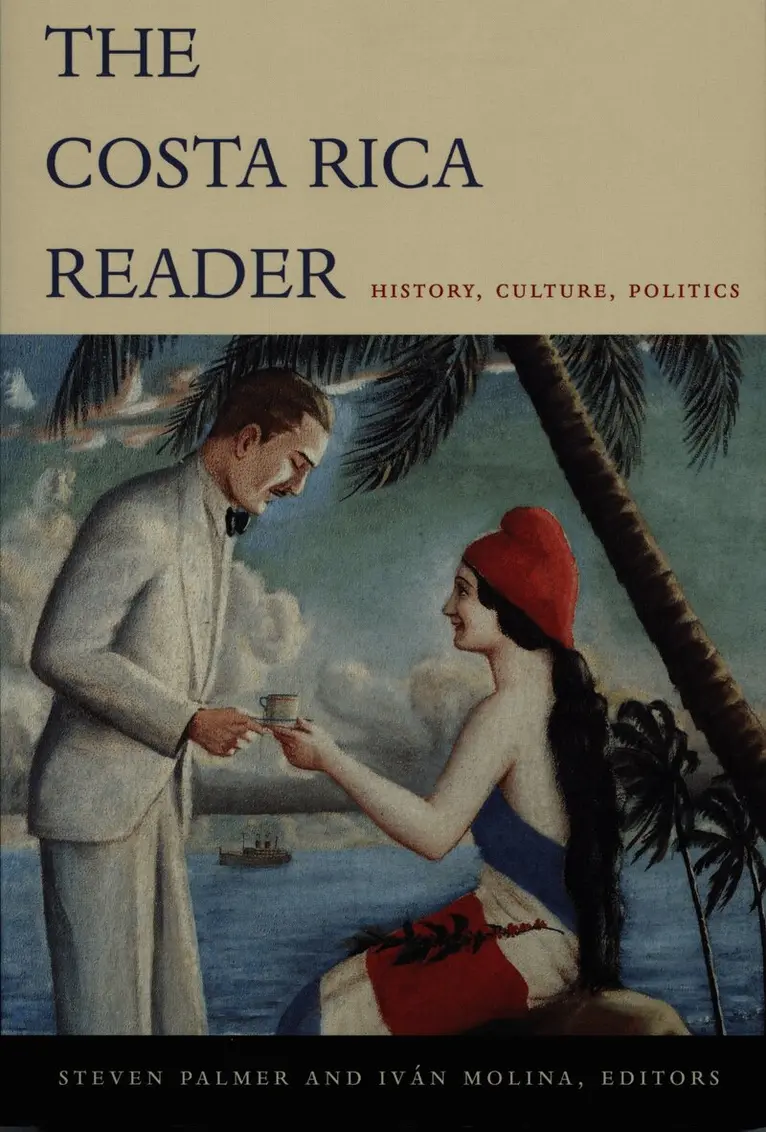
Costa Rica Reader
History, Culture, Politics
Häftad, 2004
354 kr
Lägg i varukorg
Long characterized as an exceptional country within Latin America, Costa Rica has been hailed as a democratic oasis in a continent scorched by dictatorship and revolution; the ecological mecca of a biosphere laid waste by deforestation and urban blight; and an egalitarian, middle-class society …
Costa Rica Reader
History, Culture, Politics
E-bok, 2004
503 kr
Lägg i varukorg
Long characterized as an exceptional country within Latin America, Costa Rica has been hailed as a democratic oasis in a continent scorched by dictatorship and revolution; the ecological mecca of a biosphere laid waste by deforestation and urban blight; and an egalitarian, middle-class society …
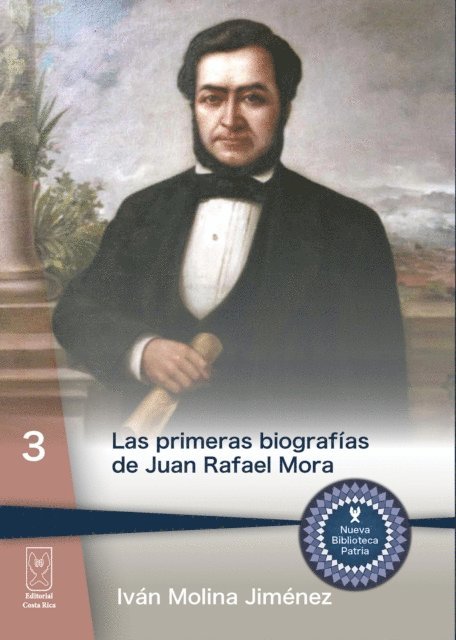
Las primeras biografías de Juan Rafael Mora
Av Ivan Molina
E-bok, 2015
62 kr
Lägg i varukorg
Iván Molina Jiménez ha reunido en este tomo las primeras biografías que sobre el presidente Juan Rafael Mora se escribieron dentro y fuera del país. Los comentarios y anotaciones de Molina Jiménez a esos textos pioneros y poco conocidos dan a esta obra una riqueza especial pues permitirán al lector …
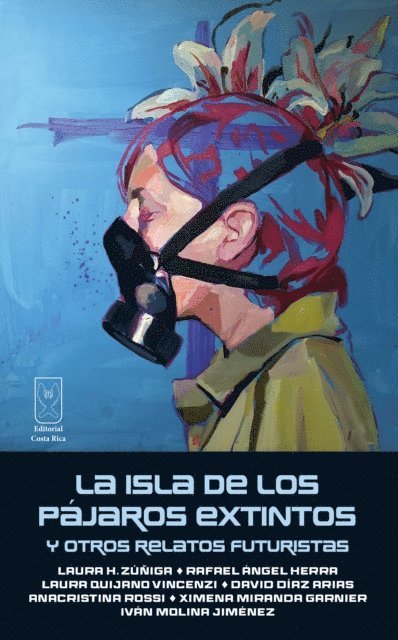
La isla de los pájaros extintos y otros relatos futuristas
Av Ivan Molina, Ximena Miranda m. fl.
E-bok, 2023
70 kr
Lägg i varukorg
La concepción de la realidad en términos distópicos es el núcleo que comparten las ficciones incluidas en este volumen. Sin embargo, las distintas maneras de los autores de materializar el impulso hacia la búsqueda de alternativas, hacia el progreso en otras direcciones, laten como una fuerza …
Costa Rica Reader
History, Culture, Politics
Inbunden, 2004
1335 kr
Tillfälligt slut
Long characterized as an exceptional country within Latin America, Costa Rica has been hailed as a democratic oasis in a continent scorched by dictatorship and revolution; the ecological mecca of a biosphere laid waste by deforestation and urban blight; and an egalitarian, middle-class society …