Ivo H. Daalder – författare
Visar alla böcker från författaren Ivo H. Daalder. Handla med fri frakt och snabb leverans.
21 produkter
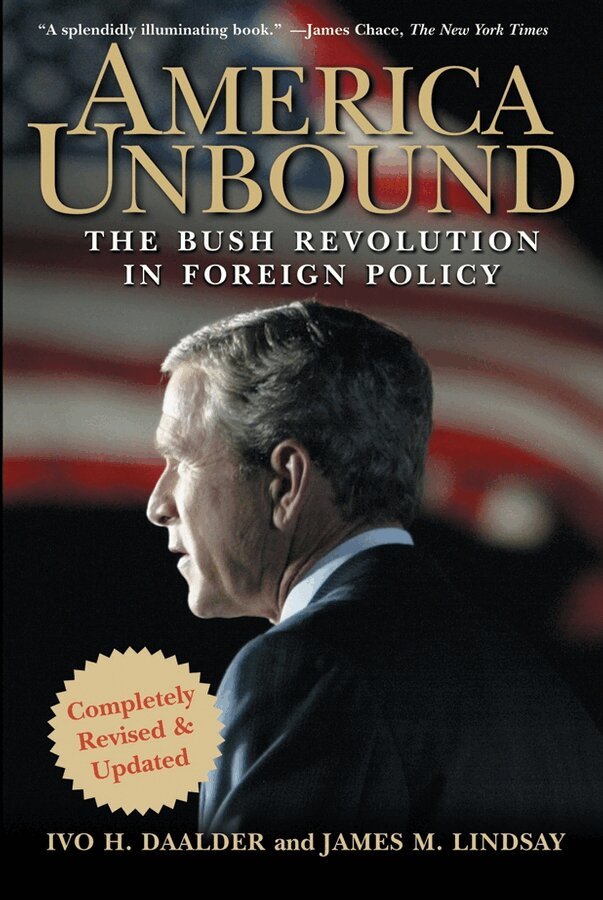
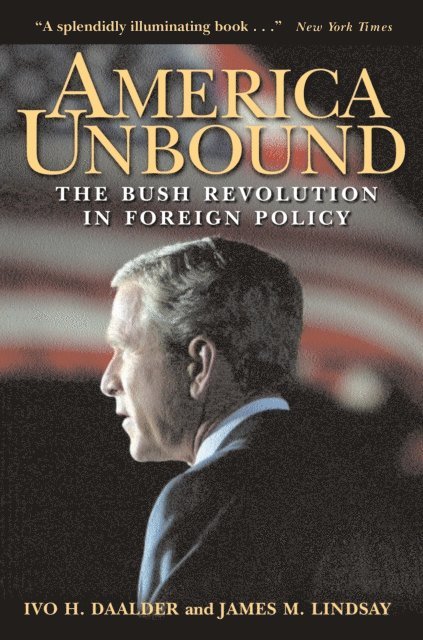
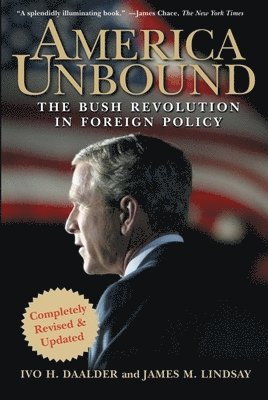
America Unbound
The Bush Revolution in Foreign Policy
Av Ivo H. Daalder, James M. Lindsay
Häftad, 2005
213 kr
Lägg i varukorg
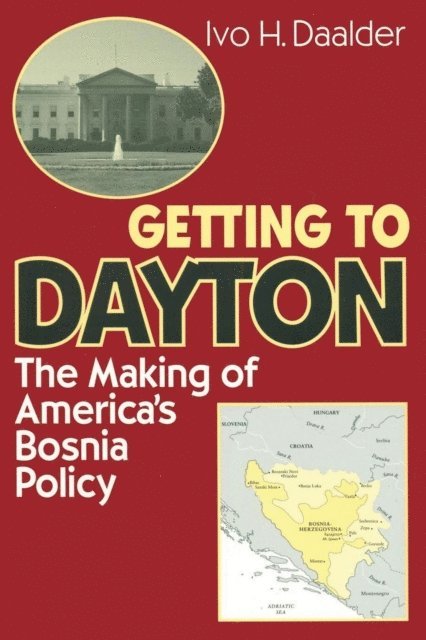
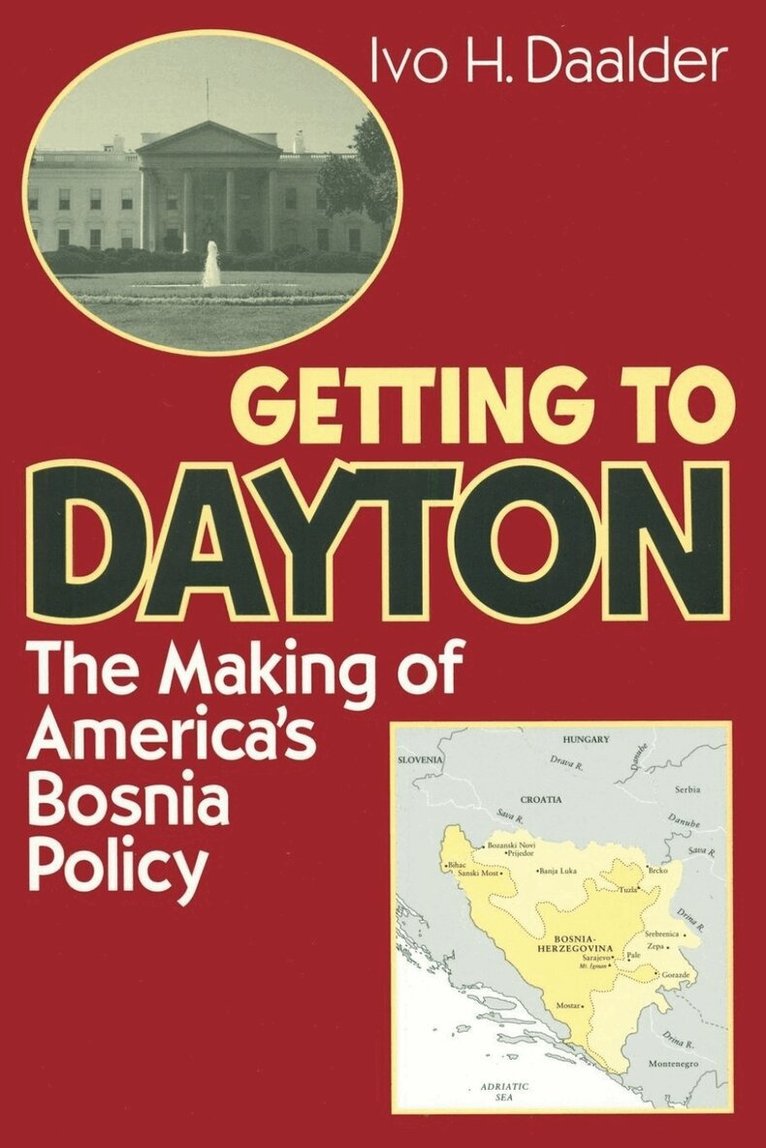
Getting to Dayton
The Making of America's Bosnia Policy
E-bok, 2014
312 kr
Lägg i varukorg
For over four years, Washington responded to war in Bosnia by handing the problem to the Europeans to resolve and substituting high-minded rhetoric for concerted action. Then, in the summer of 1995, the Clinton administration suddenly shifted course, deciding to assert the leadership that would …
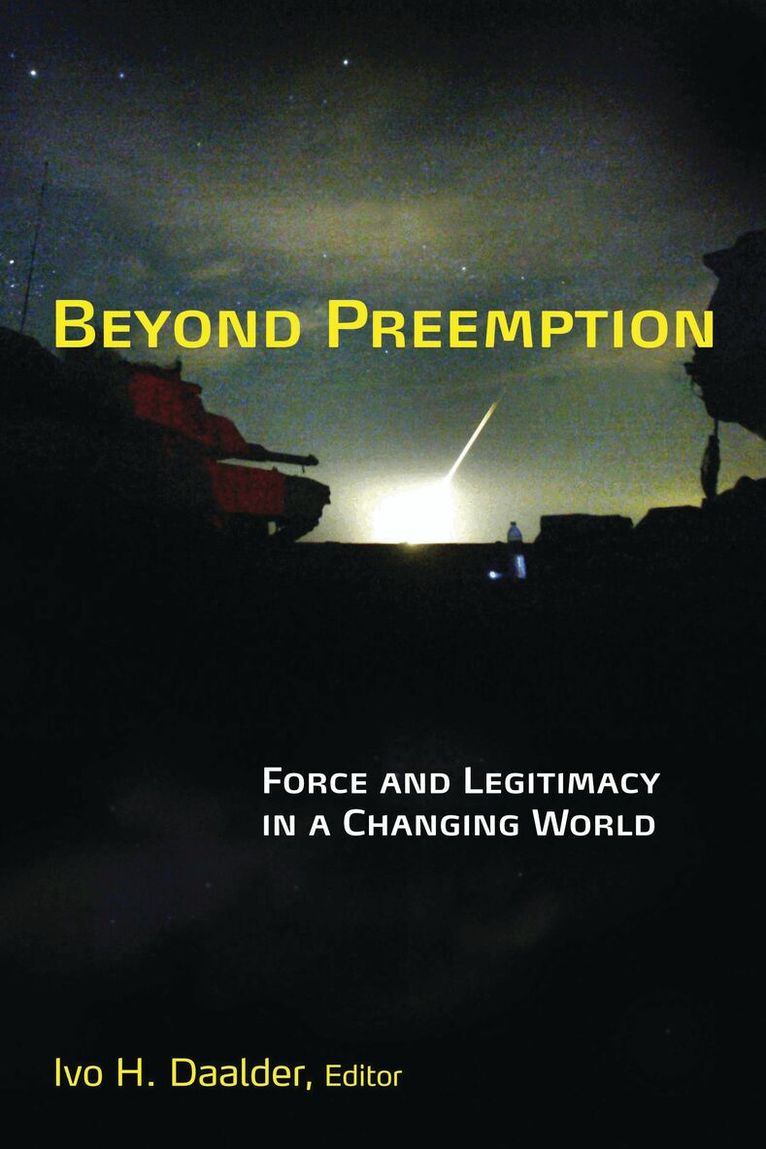
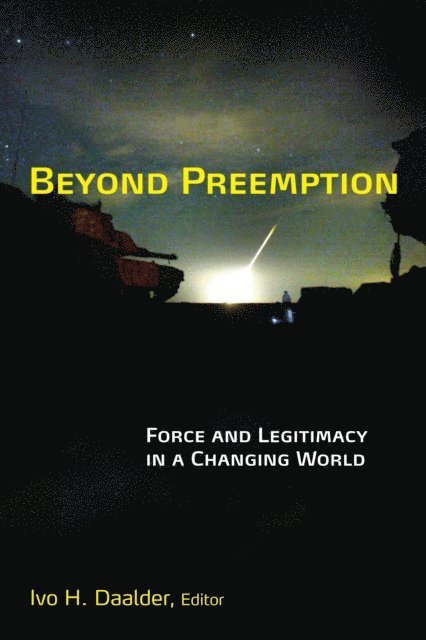
Beyond Preemption
Force and Legitimacy in a Changing World
Häftad, 2007
317 kr
Lägg i varukorg
America's three most recent warsin Kosovo, Afghanistan, and Iraqhave raised profound questions about when to use military force, for what purpose, and who should make the decision whether to go to war. These crucial questions have been debated around the world with increasing intensity, and by …
Beyond Preemption
Force and Legitimacy in a Changing World
E-bok, 2008
336 kr
Lägg i varukorg
America's three most recent warsin Kosovo, Afghanistan, and Iraqhave raised profound questions about when to use military force, for what purpose, and who should make the decision whether to go to war. These crucial questions have been debated around the world with increasing intensity, and by …
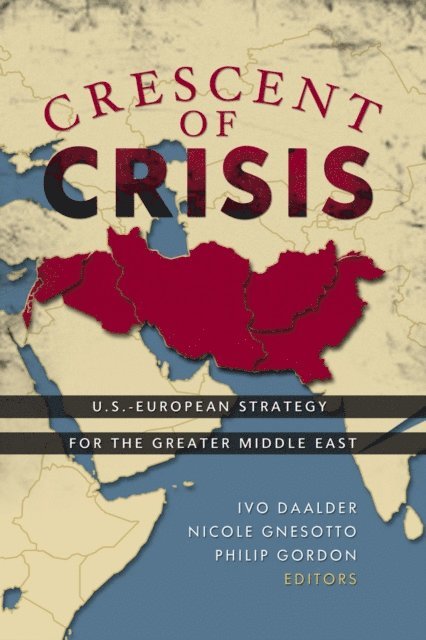
Crescent of Crisis
U.S.-European Strategy for the Greater Middle East
Av Ivo H. Daalder, Nicole Gnesotto m. fl.
E-bok, 2006
328 kr
Lägg i varukorg
A Brookings Institution Press and EU Institute for Security Studies publication The greater Middle East region is beset by a crescent of crises, stretching from Pakistan through Afghanistan, Iran, and Iraq to the Israeli-Palestinian conflict. Together, these five crises pose the most pressing …
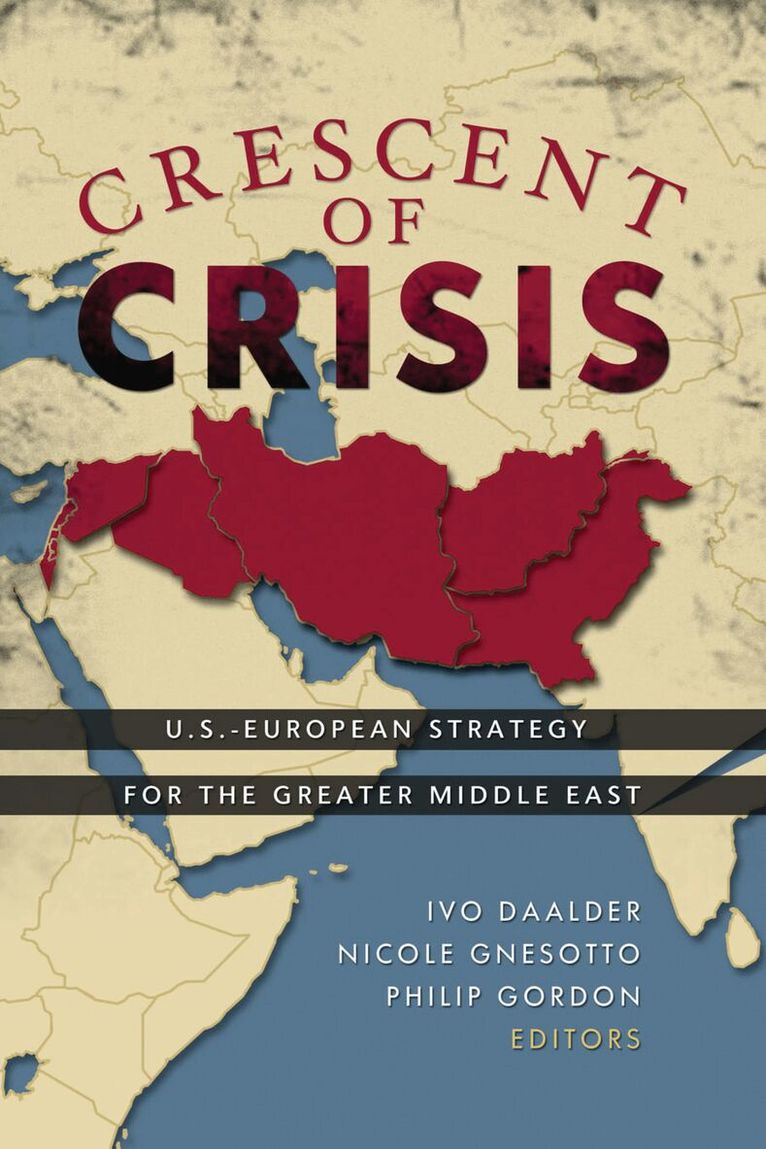
Crescent of Crisis
U.S.-European Strategy for the Greater Middle East
Av Ivo H. Daalder, Nicole Gnesotto m. fl.
Häftad, 2006
303 kr
Lägg i varukorg
A Brookings Institution Press and EU Institute for Security Studies publicationThe greater Middle East region is beset by a crescent of crises, stretching from Pakistan through Afghanistan, Iran, and Iraq to the Israeli-Palestinian conflict. Together, these five crises pose the most pressing …
Getting to Dayton
The Making of America's Bosnia Policy
Häftad, 2000
289 kr
Lägg i varukorg
For over four years, Washington responded to war in Bosnia by handing the problem to the Europeans to resolve and substituting high-minded rhetoric for concerted action. Then, in the summer of 1995, the Clinton administration suddenly shifted course, deciding to assert the leadership that would …
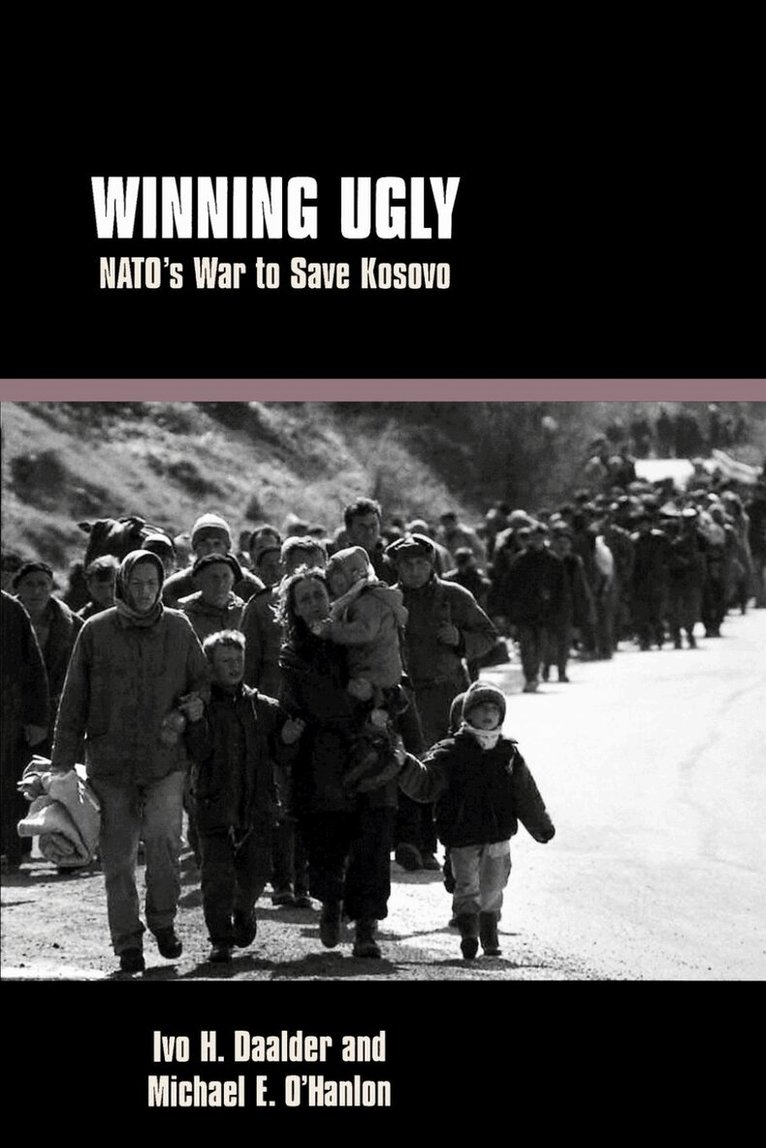
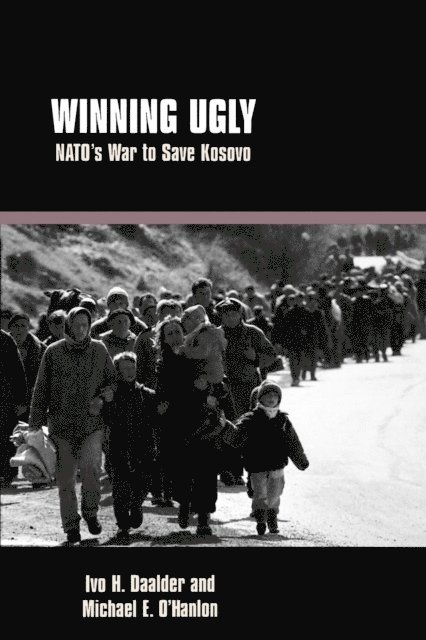
Winning Ugly
NATO's War to Save Kosovo
Av Ivo H. Daalder, Michael E. O'Hanlon
Häftad, 2001
312 kr
Lägg i varukorg
After eleven weeks of bombing in the spring of 1999, the United States and NATO ultimately won the war in Kosovo. Serbian troops were forced to withdraw, enabling an international military and political presence to take charge in the region. But was this war inevitable or was it the product of …
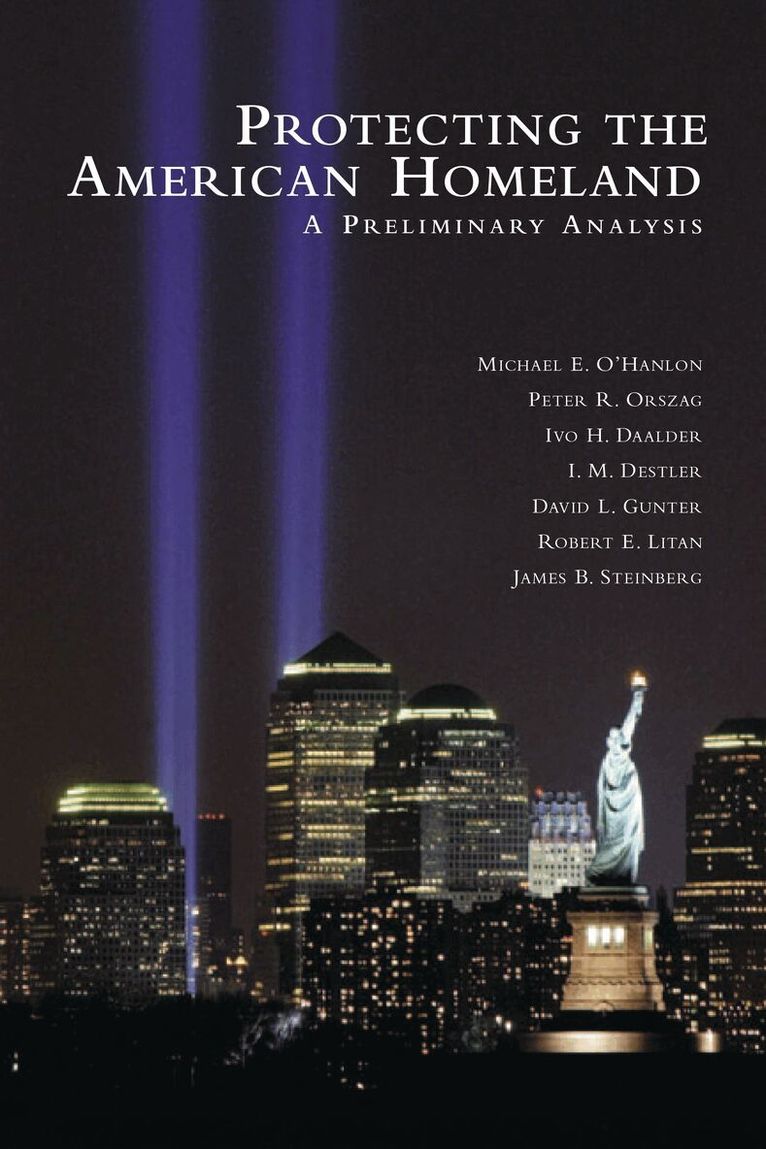
Protecting the American Homeland
One Year On
Av Michael E. O'Hanlon, Peter R. Orszag m. fl.
Häftad, 2003
289 kr
Lägg i varukorg
A good deal has been done to improve the safety of Americans on their own soil since the attacks of September 11, 2001. Yet there have been numerous setbacks. The Bush administration and Congress wasted at least six months in 2002 due to partisan disagreement over a new budget for homeland …
Protecting the American Homeland
One Year on
Av Michael E. O'Hanlon, Peter R. Orszag m. fl.
E-bok, 2011
312 kr
Lägg i varukorg
A good deal has been done to improve the safety of Americans on their own soil since the attacks of September 11, 2001. Yet there have been numerous setbacks. The Bush administration and Congress wasted at least six months in 2002 due to partisan disagreement over a new budget for homeland …
America Unbound
The Bush Revolution in Foreign Policy
Av James M. Lindsay, Ivo H. Daalder
E-bok, 2003
343 kr
Lägg i varukorg
George W. Bush has launched a revolution in American foreign policy. He has redefined how America engages the world, shedding the constraints that friends, allies, and international institutions impose on its freedom of action. He has insisted that an America unbound is a more secure America. How …
Winning Ugly
Nato'S War to Save Kosovo
Av Ivo H. Daalder, Michael E. O'Hanlon
E-bok, 2004
337 kr
Lägg i varukorg
After eleven weeks of bombing in the spring of 1999, the United States and NATO ultimately won the war in Kosovo. Serbian troops were forced to withdraw, enabling an international military and political presence to take charge in the region. But was this war inevitable or was it the product of …
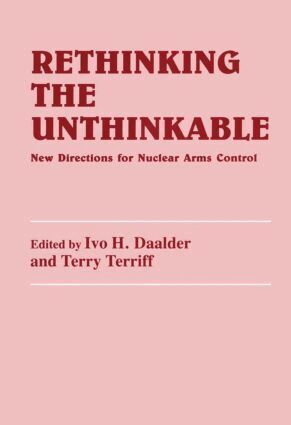
Rethinking the Unthinkable
New Directions for Nuclear Arms Control
Av Terry Terriff, Ivo H. Daalder
E-bok, 2014
450 kr
Lägg i varukorg
Rethinking the Unthinkable examines the future direction of nuclear arms control in the post-Cold War security environment. Believing that the new environment requires a radical rethinking of the purpose and role of nuclear weapons in international politics, the contributors address many …
Rethinking the Unthinkable
New Directions for Nuclear Arms Control
Av Terry Terriff, Ivo H. Daalder
E-bok, 2014
441 kr
Lägg i varukorg
Rethinking the Unthinkable examines the future direction of nuclear arms control in the post-Cold War security environment. Believing that the new environment requires a radical rethinking of the purpose and role of nuclear weapons in international politics, the contributors address many …
Rethinking the Unthinkable
New Directions for Nuclear Arms Control
Av Ivo H. Daalder, Terry Terriff
Häftad, 2016
384 kr
Lägg i varukorg
Rethinking the Unthinkable examines the future direction of nuclear arms control in the post-Cold War security environment. Believing that the new environment requires a radical rethinking of the purpose and role of nuclear weapons in international politics, the contributors address many …
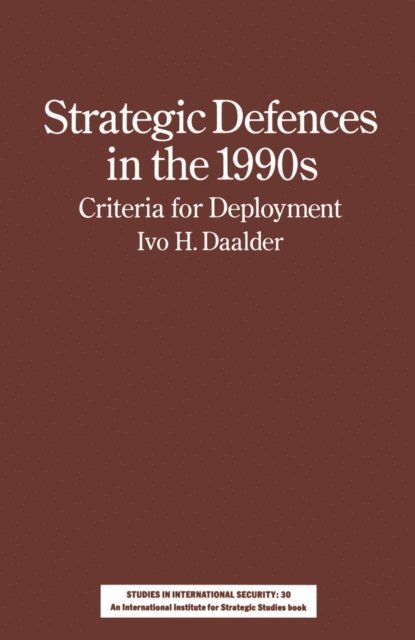
Strategic Defences in the 1990's
Criteria for Deployment
E-bok, 1991
779 kr
Lägg i varukorg
Examines the value of deploying strategic missile defences to counter the threat of nuclear accidents. It concludes that the deployment of strategic defences in the 1990s will not be strategically desirable, technically feasible, or economically affordable.
In the Shadow of the Oval Office
Profiles of the National Security Advisers and the Presidents They Served - From JFK to George W. Bush
Av Ivo H. Daalder, I. M. Destler
Häftad, 2011
335 kr
Lägg i varukorg
The most solemn obligation of any president is to safeguard the nation's security. But the president cannot do this alone. He needs help. In the past half century, presidents have relied on their national security advisers to provide that help. Who are these people, the powerful officials who …
Empty Throne
America's Abdication of Global Leadership
Av Ivo H. Daalder, James M. Lindsay
Inbunden, 2019
275 kr
Lägg i varukorg
American foreign policy is adrift. For seventy years, the world order that the United States fashioned out of the ruins of World War II produced unprecedented global stability, prosperity, and democratic consensus. Critics argue that Donald Trump's America First policy threatens this world order. …
America Unbound
The Bush Revolution in Foreign Policy
Av Ivo H Daalder, James M Lindsay
Inbunden, 2005
349 kr
Lägg i varukorg
Rethinking the Unthinkable
New Directions for Nuclear Arms Control
Av Ivo H. Daalder, Terry Terriff
Inbunden, 1993
751 kr
Tillfälligt slut
Rethinking the Unthinkable examines the future direction of nuclear arms control in the post-Cold War security environment. Believing that the new environment requires a radical rethinking of the purpose and role of nuclear weapons in international politics, the contributors address many …